2027 AI Bachelor's Degrees That Accept Transfer Credits

Co-Founder and Chief Data Scientist
Professionals with undergraduate degrees in unrelated fields often face challenges when seeking to transition into the growing AI industry. They require flexible programs that recognize prior academic credits to avoid redundancy and save time and money. Without clear options, these learners risk enrolling in programs that lack accreditation or transfer credit policies, prolonging their career pivot. Identifying accredited bachelor's degrees in AI that accept transfer credits is essential for a smooth and efficient transition.
This article outlines available 2027 AI bachelor's degree programs designed for transfer students, offering a practical guide to help readers find pathways aligned with their educational and professional goals.
Key Things You Should Know
- Many U.S. universities now offer AI bachelor's degrees with transfer credit policies, enabling students to accelerate graduation and reduce tuition costs by applying prior coursework.
- Approximately 60% of institutions accept credits from accredited community colleges toward AI programs, promoting accessibility and flexibility for working adults and transfer students.
- Curricula typically combine computer science, machine learning, and ethics, reflecting industry demands; average program length post-transfer ranges from 2 to 3 years depending on credits applied.
Which accredited universities offer AI bachelor's degrees that accept transfer credits?
Numerous accredited universities now offer artificial intelligence bachelor's degrees with transfer credits, providing flexible options for students. By 2024, 89 accredited institutions had dedicated AI bachelor's programs, up from 58 in 2022, illustrating rapid growth and increased accessibility. Many schools, including Arizona State University, University of California-San Diego, and Northeastern University, accept transfer credits from accredited community colleges and universities, often requiring a minimum GPA between 2.5 and 3.0 and careful review of course equivalencies.
Transfer-friendly programs usually evaluate foundational courses in mathematics, computer science, statistics, and introductory artificial intelligence topics. Common transferable courses include calculus, linear algebra, and Python programming, enabling students to bypass entry-level classes. Clear articulation agreements with community colleges further simplify credit transfers and support online AI bachelor's degree programs accepting transfer credits.
Policies typically cap transfer credits at 60 to 90 semester hours, sometimes restricting credits from two-year institutions. Transfer credits can also waive prerequisites, allowing quicker progress into specialized AI coursework. Prospective students should confirm accreditation status, focusing on regional accreditors like the Higher Learning Commission or Middle States Commission on Higher Education, and consult admissions offices to ensure smooth credit recognition.
For those exploring their options, understanding what can you do with an applied artificial intelligence degree is essential when planning career and education paths.
What are the admission requirements for transfer students entering AI bachelor's degree programs?
Admission criteria for transfer students in AI bachelor programs often emphasize a strong foundation in calculus and programming, with about 73% of programs requiring completion of both before admission. Transfer credit evaluation processes for AI bachelor's degrees typically involve submission of official transcripts demonstrating successful completion of these prerequisites, usually with minimum grades of B or equivalent. Some programs also assess programming proficiency through course syllabi or descriptions that highlight languages like Python, Java, or C++.
A cumulative college GPA ranging from 2.5 to 3.0 is commonly required, with competitive programs favoring higher GPAs in STEM-related courses. Although fewer schools mandate standardized test scores, some still request them. Applicants usually need to submit letters of recommendation or statements of purpose to showcase readiness for advanced coursework and explain their academic goals.
The transfer credit evaluation process for AI bachelor's degrees may also include placement tests or transfer orientation sessions to verify subject mastery. Early alignment of current coursework with program expectations helps minimize credit loss and improves admission chances. For prospective students exploring related fields, considering an online mechanical engineering degree might present additional options for career growth.
How much do AI bachelor's degrees cost, and what financial aid is available for transfer students?
AI bachelor's degrees generally cost between $42,000 and $49,000 annually for transfer students, with private universities averaging $48,750 per year. This is higher compared to general computer science programs, which have an average annual cost of $42,200, based on the College Board's tuition survey. Public institutions tend to offer lower tuition rates, though this depends significantly on whether students qualify for in-state or out-of-state tuition.
Financial aid options for transfer students in AI programs include federal grants, loans, and work-study opportunities. Completing the Free Application for Federal Student Aid (FAFSA) is crucial to access these benefits. Many transfer students qualify for Pell Grants, which provide non-repayable funds that can reduce annual expenses substantially.
Additional financial support comes from transfer-specific scholarships that acknowledge prior college credits and encourage degree completion in STEM areas such as AI, computer science, and data analytics. Merit-based awards are frequently available to students with relevant coursework.
Employer tuition assistance and private scholarships further supplement funding. It is important for transfer students to consult academic advising early to explore scholarships specifically targeted to AI or STEM fields. Verifying which credits transfer smoothly is essential, as unaccepted courses can extend time to graduation and increase costs.
For detailed options on affordable programs, prospective students may explore an ai online degree to find opportunities that fit their financial and academic goals.
What is the typical curriculum and core coursework in an AI bachelor's degree program?
Typical artificial intelligence bachelor's degree curriculum emphasizes foundational knowledge and applied AI methodologies. Core coursework often includes programming languages like Python and Java, as well as data structures and algorithms to establish a strong coding base. According to a 2024 analysis by the Association of American Universities, 92% of AI bachelor's programs list machine learning, neural networks, and natural language processing as mandatory core courses, reflecting their critical role in modern AI education.
Students dive into machine learning to grasp algorithm design and performance metrics, while neural networks courses focus on deep learning architectures and practical uses such as image recognition. Natural language processing covers language modeling, sentiment analysis, and chatbot development, which are integral to AI applications. This core coursework in artificial intelligence degree programs ensures graduates are well-prepared for technical challenges.
Supporting classes include probability and statistics, linear algebra, calculus, ethics in AI, and data privacy, which provide essential mathematical tools and address legal and societal concerns. Electives might cover fields like computer vision, robotics, reinforcement learning, and cloud-based AI system deployment. Many programs also incorporate software engineering, databases, and visualization to offer comprehensive project experience.
Prospective students, especially transfer applicants, should carefully review course equivalencies since core AI topics like machine learning and neural networks are typically non-negotiable prerequisites. Planning credit transfers effectively can prevent delays in progression. Those interested in related fields may also explore affordable options such as a cybersecurity degree online to complement their AI expertise.
Are AI bachelor's degrees available online, and do online programs accept transfer credits?
Many accredited AI bachelor's degree programs offer flexible online or hybrid formats, making it easier for students to study remotely. Nearly half of these programs provide fully online or blended options, which benefits students who cannot relocate or prefer a flexible schedule.
Transfer credits are widely accepted in these AI programs, with approximately 81% allowing students to apply previous coursework from accredited institutions. This often includes general education, math, and introductory computer science credits, which helps reduce both time and expenses on degree completion. Students transferring from community colleges or other universities can typically apply related courses in AI, data science, or programming toward their core requirements.
Transfer policies do vary by school, including limits on credit amounts or grade requirements, so it is essential to review each institution's articulation agreements and credit evaluation procedures. Early credit evaluation during the application phase allows students to identify applicable courses and avoid repeating content.
Online AI degrees frequently accommodate working professionals through asynchronous classes, enabling students to balance education with employment. Hybrid programs that mix online lessons with occasional on-campus sessions are also common for labs or group work, combining flexibility with in-person experiences.
Consulting admissions or academic advisors is important to ensure transfer credits align with academic and career goals, optimizing benefits from previous studies.
How long does it take to complete an AI bachelor's degree as a transfer student?
Completing an artificial intelligence bachelor's degree as a transfer student generally ranges from 1.8 to 3.2 years, largely depending on accepted transfer credits. Students with 60 or more transfer credits typically finish in about 1.8 years, while those with fewer than 30 often take closer to 3.2 years (NSCRC, 2024). This variation reflects differences in credit-transfer policies and prior coursework.
Many universities allow up to 90 credits to transfer, significantly shortening degree timelines for those with relevant backgrounds in computer science or engineering. For instance, transfer students holding associate degrees that cover foundational topics like programming, mathematics, and data structures may only need to complete upper-level artificial intelligence courses and electives.
Conversely, students without strong credit alignment or missing prerequisites may encounter longer programs due to required additional coursework. Academic advisors play an essential role in reviewing transcripts early to maximize credit acceptance and develop personalized academic plans. It is advisable for students to confirm transfer equivalencies before enrolling to avoid unexpectedly extended degree paths.
Effective transfer credit management can reduce artificial intelligence bachelor's degree completion time to under two years, while limited credit transfer often extends it near three years or more. Planning and understanding institutional policies are critical to estimating time to degree accurately.
What career paths and job roles are available after earning an AI bachelor's degree?
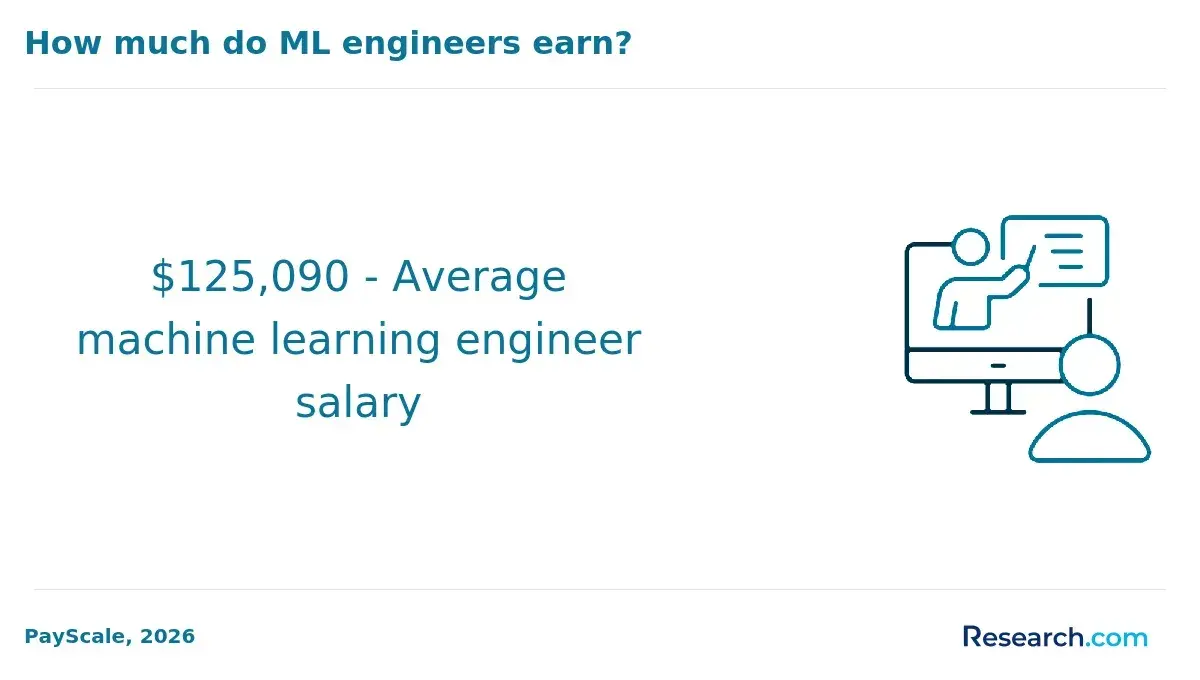
Graduates with an AI bachelor's degree have access to diverse career paths in expanding fields. Common roles include machine learning engineer, data scientist, AI researcher, and autonomous systems developer. These positions focus on designing and optimizing models, analyzing data trends, and developing intelligent robotics or self-driving systems.
Other opportunities include AI software engineer, who integrates AI into existing platforms, and natural language processing (NLP) specialist, enabling machines to understand human language. Careers in computer vision, such as image recognition, are also prominent. In healthcare, AI graduates work as bioinformatics analysts or clinical AI developers, applying AI to medical diagnostics and treatment planning.
LinkedIn's 2024 Jobs Report identified over 14,200 openings requiring an AI bachelor's degree or equivalent, revealing strong demand across technology, finance, automotive, healthcare, and government sectors.
Transferring students should align coursework with roles emphasizing programming, statistics, and AI foundations. Practical experience through internships or projects in robotics or predictive analytics enhances employability. Ethical considerations in AI deployment further improve job readiness.
Graduates are advised to pursue positions matching their technical strengths and interests-programming skills benefit machine learning engineering, while analytical skills suit data science. Continuous professional development is essential in this rapidly evolving field.
What is the job outlook and salary potential for AI bachelor's degree graduates?
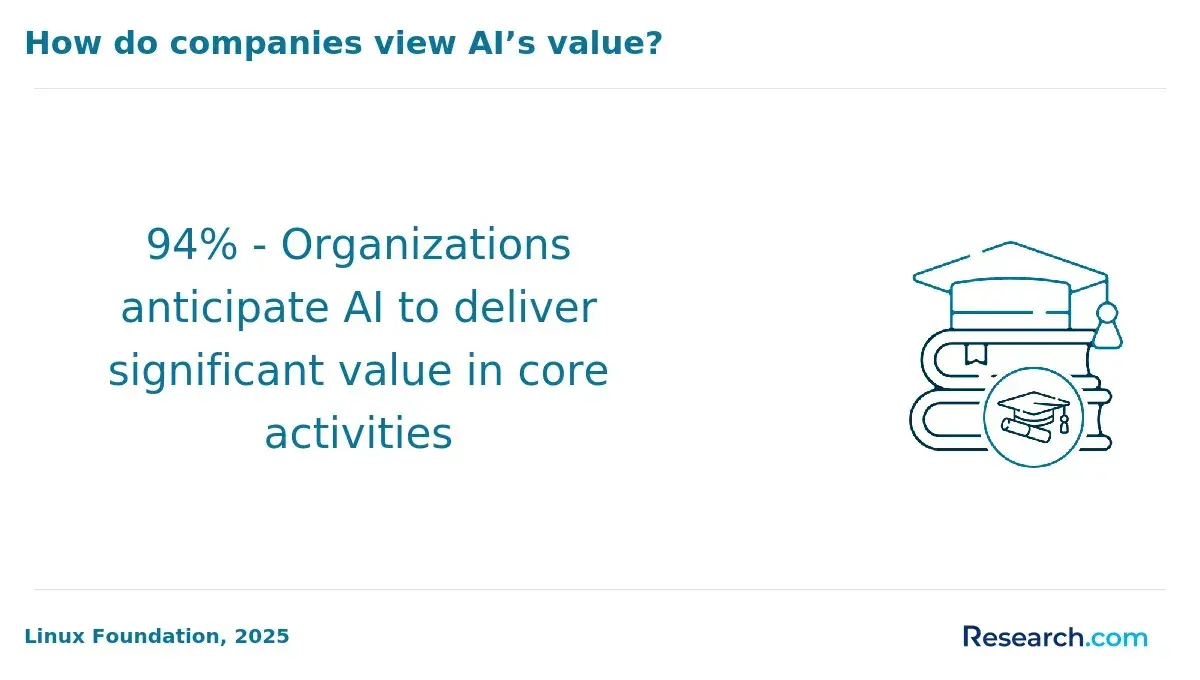
The U.S. Bureau of Labor Statistics (BLS) projects a 35% growth rate for AI-related jobs through 2032, greatly outpacing the average across all fields. This surge is driven by expanding use of AI in sectors such as healthcare, finance, automotive, and cybersecurity. Entry-level salaries for graduates holding a bachelor's degree in AI are highly competitive, with a median annual wage of $94,000 according to the BLS. This far exceeds the average tech sector salary of $78,500, reflecting the high demand for specialized skills.
Career pathways in AI are diverse, ranging from algorithm development and data modeling to applications in robotics and natural language processing. Employers appreciate transferable credits in mathematics, statistics, and computer science, which accelerate degree completion and workforce entry. Continuous learning remains essential due to rapidly evolving technologies in AI. Pursuing internships and additional certifications-such as cloud computing or ethical AI-can strengthen employability and increase salary potential.
Graduates and professionals aiming to stay competitive should focus on building expertise in emerging AI tools and frameworks. The blending of foundational knowledge with practical experience creates a strong profile for roles like machine learning engineer, data scientist, or AI research specialist.
Do AI bachelor's degree programs require certifications or professional licensure after graduation?
AI bachelor's degree programs do not require professional licensure or certifications after graduation. No U.S. state mandates licensure for AI professionals, unlike regulated fields such as engineering or healthcare. However, many employers strongly prefer candidates who hold industry-recognized certifications.
A 2024 survey by the Computing Accreditation Commission found that 68% of Fortune 500 companies hiring AI graduates seek applicants with at least one professional certification, including AWS Certified Machine Learning, Google Cloud Professional Data Engineer, or Microsoft Certified: Azure AI Fundamentals (CAC, 2024). These certifications demonstrate practical skills in cloud computing, machine learning, and AI integration, complementing academic knowledge with technical expertise.
Graduates targeting careers in data science, AI implementation, or software engineering enhance their job prospects by obtaining such certifications. Employers often require proof of proficiency with specific AI tools and platforms. For instance, certification in cloud services is valuable for those pursuing roles in cloud-based AI solutions.
Certifications also provide ongoing education in a fast-evolving field where foundational bachelor's degree coursework may become outdated. They help professionals specialize in areas like natural language processing or computer vision. While optional, certifications serve as an important link between theoretical learning and practical workplace demands in AI careers.
How should prospective transfer students evaluate and choose a reputable AI bachelor's program?
When selecting an AI bachelor's degree program, prioritize alignment with in-demand programming languages such as Python, Java, and C++. According to the 2024 TIOBE Index, graduates proficient in these languages are more than twice as likely to receive job offers within six months. Ensure the curriculum offers extensive coursework and hands-on coding practice with these technologies.
Carefully review transfer credit policies to confirm which credits apply toward core AI and computer science requirements. Schools with clear articulation agreements or flexible credit evaluations can reduce time-to-degree and protect your prior educational investments. Accreditation is critical; look for programs regionally accredited and recognized by ABET or comparable agencies, which validate rigorous technical content and strengthen graduate and employer trust.
Investigate research opportunities, labs, and industry partnerships within the program. Engaging with faculty-led AI research, internships, capstone projects, or cooperative education enhances practical skills and career readiness. Support services tailored for transfer students, such as specialized academic advising, further ease credit transfer and course planning.
Choosing an AI program that balances strong curriculum, credit transferability, accreditation, experiential learning, and student support can significantly improve your pathways to a successful career in this competitive field.
Other Things You Should Know About Artificial Intelligence
Transfer credit acceptance depends largely on course relevance and institutional policies. Credits from related fields such as computer science, mathematics, or statistics are more likely to transfer, whereas unrelated majors may not. It is essential to review course descriptions and work with academic advisors to evaluate credit applicability.
To transfer credits into a 2027 AI bachelor's degree, you'll typically need official transcripts, a transfer credit evaluation form, and possibly course syllabi for evaluation. Some programs may require letters of recommendation or proof of course equivalencies for the credits to be accepted.
Typically, students can transfer up to 60 credits into a 2027 AI bachelor's degree program, depending on the institution's policies and the relevance of previous coursework. It's crucial to consult the specific university's transfer guidelines for exact credit limits and requirements.
Yes. Many 2027 AI bachelor's programs require transfer students to show prior coursework in calculus, discrete mathematics, and introductory programming before upper-division credits are posted. Universities usually verify these through official transcripts, and some ask for syllabi to match course outcomes for credit approval.
Prospective transfer students should focus on foundational courses such as linear algebra, calculus, and programming basics. These courses equip students with essential skills for an AI curriculum. Additionally, exploring pathways leading to a master’s in artificial intelligence governance can provide insights into advanced career opportunities.
References
- Best Online AI Degrees: 2025 Rankings & Program Directory - MastersInAI.org https://www.mastersinai.org/degrees/online-artificial-intelligence-degrees/
- 10 AI career paths that pay well in 2026 - Access Creative College https://www.accesscreative.ac.uk/blog/10-ai-career-paths-that-pay-well-in-2026/
- B.Sc. Artificial Intelligence FAQ for international applicants https://www.uni-passau.de/en/bsc-artificial-intelligence/faq
- Undergraduate https://ai.seas.upenn.edu/academics/undergraduate/
- 16 Artificial Intelligence Career Paths https://www.calmu.edu/news/artificial-intelligence-career-paths
- Frequently Asked Questions About AI Degree Programs - AI Degree Guide https://aidegreeguide.com/faq/frequently-asked-questions-about-ai-degree-programs/
- How Long Does It Take to Earn a Bachelor's Degree? https://www.aiuniv.edu/degrees/business/articles/how-long-does-it-take-to-get-your-bachelors-degree
- Top Online Schools That Accept Transfer Credits https://www.edvisorly.com/student-guides/online-schools-that-accept-transfer-credits
- Despite AI Cutting Entry-Level Roles, These Graduate Careers Remain in High Demand https://www.investopedia.com/despite-ai-cutting-entry-level-roles-these-graduate-careers-remain-in-high-demand-11913594
- AI Is Reshaping How to Evaluate Applicants Fairly at Scale https://blog.kiratalent.com/ai-admissions-authentic-evaluation-scale/