2027 Machine Learning Courses in AI Bachelor's Programs

Co-Founder and Chief Data Scientist
Many individuals with undergraduate degrees in unrelated fields face challenges when attempting to enter the rapidly evolving artificial intelligence sector. Without targeted machine learning courses embedded in their academic journey, they may struggle to acquire the necessary skills efficiently. The growing demand for AI professionals requires a clear educational pathway that balances foundational knowledge with practical application.
This article examines 2027 machine learning courses offered within AI bachelor's programs, highlighting flexible, accredited options for career changers. It aims to guide readers in selecting programs that align with industry needs and personal schedules.
Key Things You Should Know
- In 2026, over 75% of U.S. AI bachelor's programs include dedicated machine learning courses, reflecting growing industry demand for graduates skilled in data-driven model development.
- Curricula increasingly emphasize practical experience with tools like TensorFlow and PyTorch, alongside foundational AI theory, to prepare students for evolving machine learning roles.
- Average course credit hours for machine learning range from 12 to 18, often integrated with interdisciplinary modules in data science, ethics, and computer vision to enhance applicability.
What machine learning courses are included in accredited AI bachelor's degree programs?
Accredited ai bachelor's degree programs emphasize a broad range of machine learning courses essential for both foundational and advanced understanding. According to the Computing Curricula 2020 survey updates tracked by the ACM, 87% of these programs include core machine learning subjects in ai undergraduate degrees, such as supervised and unsupervised algorithms like linear regression, decision trees, k-means clustering, and support vector machines.
Many curricula offer specialized courses focused on deep learning frameworks, covering neural networks, convolutional neural networks (CNNs), recurrent neural networks (RNNs), and natural language processing (NLP). Practical labs and project-based classes often use Python libraries including TensorFlow, PyTorch, and scikit-learn, giving students hands-on experience alongside theory. This practical approach addresses common concerns among students.
Additional advanced topics can include reinforcement learning, probabilistic graphical models, and ethics in AI, discussing bias, fairness, and societal impacts. Programs frequently incorporate real-world problem-solving components such as capstone projects or internships. Coverage of model evaluation metrics, data preprocessing, feature engineering, and hyperparameter tuning is standard. Given rapid advances, syllabi are regularly updated to include recent developments like transformer architectures and generative models.
Prospective students should carefully review each program's curriculum to ensure alignment with career goals, especially if focusing on areas such as computer vision or NLP. For those evaluating options, exploring a computer science accelerated program can also provide pathways to gain relevant skills efficiently.
How do machine learning curricula differ between online and campus-based AI bachelor's programs?
Machine learning course differences between online and campus-based AI bachelor's programs are marked by distinct curriculum structures, pacing, and practical learning approaches. Online degrees often feature modular courses and flexible scheduling that allow students to progress faster, completing machine learning topics 23% quicker on average. According to 2024 data from the National Center for Education Statistics (NCES), median completion times are 2.8 years online versus 3.6 years on campus.
A comparison of curriculum structure in online versus on-campus AI bachelor's degrees reveals that campus programs tend to emphasize in-person labs and team projects, fostering collaboration but extending study length due to fixed semester schedules and synchronous attendance requirements. Meanwhile, online curricula utilize self-paced learning, video lectures, virtual labs, and sometimes AI-driven adaptive learning platforms that personalize content, helping students grasp complex machine learning concepts efficiently.
Online options usually offer a wider array of electives focused on machine learning subfields like deep learning, reinforcement learning, and natural language processing, enabling quicker specialization. Campus programs often balance these with broader theoretical foundations in AI, mathematics, and ethics, following a more traditional full-semester pace. Those comparing these formats can refer to data science rankings to evaluate program affordability and quality.
For individuals weighing program options, online AI bachelor's degrees provide speed and flexible access ideal for focused study, while on-campus degrees deliver immersive, hands-on collaboration experiences that support different learning preferences and career timelines.
What are the admission requirements and prerequisites for machine learning courses in AI bachelor's programs?
Admission criteria for machine learning courses in AI bachelor's programs typically require completion of foundational mathematics and programming prerequisites. Most universities expect students to have passed courses in calculus, linear algebra, and at least one programming language such as Python or Java before enrolling. These prerequisites ensure students acquire essential analytical and coding skills to manage complex algorithms and data structures involved in machine learning coursework.
Some programs also include familiarity with discrete mathematics and basic statistics, supporting comprehension of probability and optimization techniques integral to machine learning models. For instance, the University of California system mandates successful completion of a calculus sequence and introductory programming courses prior to machine learning enrollment.
Prerequisites for enrolling in machine learning AI degree programs can significantly impact student success. A study published in the Journal of Educational Data Mining found that students with prior calculus and linear algebra experience had 34% higher completion rates in machine learning courses than those without. This data highlights the importance of these foundational subjects.
Applicants should verify program-specific prerequisites since some institutions require additional coursework in data structures or basic computer science theory. Working professionals returning to academia may benefit from bridge courses or online modules covering math and programming if their previous education lacked these areas. Prospective students interested in related fields may also explore masters in game design programs as an alternative pathway.
Securing recommended prerequisites is critical to maintain pace with rapid advancements in AI bachelor's programs and improve the chances of success in machine learning courses.
Which universities offer the most comprehensive machine learning specializations within AI bachelor's degrees?
Among U.S. universities, Carnegie Mellon University, Stanford University, and the Massachusetts Institute of Technology (MIT) offer the most comprehensive machine learning tracks in AI bachelor's degrees. These top AI bachelor programs offering specialized machine learning courses combine deep theoretical foundations with applied learning, including advanced topics like deep learning, reinforcement learning, and natural language processing. Students benefit from hands-on projects and collaborations with industry leaders.
Carnegie Mellon integrates machine learning through interdisciplinary studies spanning computer science, statistics, and cognitive science. Stanford is known for its rich research environment and connections with Silicon Valley tech companies, giving students exposure to real-world machine learning challenges. MIT emphasizes rigorous mathematical training coupled with applied projects in robotics and healthcare AI, reflecting diverse approaches that suit varying career goals.
According to the National Association of Colleges and Employers (NACE), universities offering dedicated machine learning tracks report 2.3 times higher recruitment rates than those without such specialization. Students should prioritize programs blending theory, project-based learning, and strong industry ties. Evaluating faculty expertise, research output, and internship opportunities ensures alignment with career ambitions in AI-driven roles.
Those exploring educational pathways may also consider options such as the cheapest online phd in cyber security, demonstrating the importance of affordable, focused programs within technology fields that complement AI expertise.
How long does it take to complete an AI bachelor's degree with machine learning focus, and what is the typical cost?
Completing a bachelor's degree focused on artificial intelligence and machine learning generally takes four years of full-time study, similar to traditional computer science degrees. This includes foundational courses in mathematics, programming, and algorithms, followed by specialized machine learning and AI classes in later years. Some schools offer accelerated or combined degree pathways that shorten study time to three years but typically require a heavier workload.
The total tuition cost for these degrees ranges widely, from approximately $80,000 to $240,000, influenced by factors like public versus private institutions and residency status. Tuition for AI degrees with a machine learning specialization tends to carry a 15-18% premium over standard computer science programs, reflecting the higher investment in specialized faculty, advanced research facilities, and updated curricula.
Public state universities usually represent the more affordable end of this spectrum, especially for in-state students. Prestigious private colleges often exceed $200,000 in tuition alone. Students should also consider additional expenses such as fees, textbooks, and living costs, which vary considerably by location.
To manage these costs, prospective students might explore scholarships dedicated to STEM and AI fields or opt to attend community colleges for the first two years before transferring to a specialized program. Such strategies can help reduce overall expenses without prolonging degree completion time.
What programming languages and tools are taught in machine learning courses across AI bachelor's programs?
Python is the dominant programming language in machine learning courses within AI bachelor's programs, featured in 94% of them. Its popularity is due to extensive libraries such as TensorFlow, PyTorch, and scikit-learn, as well as its ease of use for implementing complex algorithms. Python's versatility appeals to both beginners and advanced students, offering hands-on experience with real-world data and model training. Educators prioritize Python to help graduates transition smoothly into industry and research roles.
R ranks second, appearing in 31% of machine learning curricula. It excels in statistical computing and data visualization, crucial for fields like bioinformatics and social sciences where interpretability and exploratory data analysis matter. Students aiming for these areas benefit from R's robust graphical packages and statistical tools.
Java is included in 18% of programs, especially those merging software engineering and AI. Its object-oriented design and scalability support developing large-scale machine learning applications, such as enterprise systems and Android app integrations. This makes Java practical for students targeting software development careers with AI components.
Besides languages, courses utilize tools like Jupyter notebooks for interactive coding, Git for version control, and cloud platforms including AWS and Google Cloud. Assignments often require integrated development environments like VS Code or PyCharm, reflecting industry workflows. This combination of programming and tools equips students to efficiently manage machine learning projects.
These insights are based on the 2024 ACM/IEEE Computer Science Curricula guidelines and institutional surveys, ensuring alignment with evolving AI education standards.
What career outcomes and job roles do graduates pursue after completing machine learning courses in AI bachelor's programs?
Graduates from AI bachelor's programs who complete machine learning courses often move into specialized technical roles in the technology sector. Data from the National Association of Colleges and Employers (NACE) shows that 41% secure positions as machine learning engineers. These roles focus on developing algorithms, optimizing models, and deploying scalable AI systems across industries like finance, healthcare, and autonomous vehicles.
Another 28% of graduates become data scientists, where they analyze complex datasets, build predictive models, and turn insights into strategic business decisions. They commonly work in marketing analytics, product development, or risk assessment within large corporations.
Research roles attract roughly 16% of graduates, who help advance AI through experimental design, algorithm innovation, and publishing in academic or industry journals. Such positions are often found in university labs, corporate R&D, or AI startups.
Other career paths include AI software developer, consultant, and business intelligence analyst, applying machine learning skills in software integration, client advisory, or data-driven decision-making. Proficiency in Python, R, or TensorFlow, combined with relevant internships, boosts employability.
Balancing theoretical research with applied development is important when planning a career. Employers value candidates with strong foundational knowledge who can implement machine learning models effectively in production environments.
What is the job outlook and salary potential for AI bachelor's graduates with machine learning expertise?
Job prospects for graduates with a bachelor's degree focused on AI and machine learning are exceptionally strong. Roles in this field are projected to grow by 35% through 2032, a rate more than three times the average for all occupations, reflecting AI's expanding role across healthcare, finance, automotive, and technology industries.
Median annual salaries for these graduates range from $120,000 to $165,000, varying by experience, skills, and location. Entry-level positions often start near the lower end, especially in regions with a lower cost of living, while experienced professionals in technology hubs such as San Francisco or New York may earn salaries at or above the top of the range. Common job titles include machine learning engineer, data scientist, AI developer, and research scientist, each offering unique career paths and specializations.
To boost employability, graduates should gain proficiency in programming languages like Python and frameworks such as TensorFlow or PyTorch. Skills in data analysis, cloud computing, and software engineering further improve job readiness. Continuous learning and adaptability remain crucial as AI models and tools evolve rapidly. Combining technical expertise with domain knowledge-for example, natural language processing in healthcare or computer vision in autonomous vehicles-can open higher-value, niche roles.
This strong growth and attractive salary potential highlight the value of a degree emphasizing AI and machine learning for anyone pursuing a competitive tech career.
Are there professional certifications or industry credentials recommended alongside machine learning courses in AI bachelor's programs?
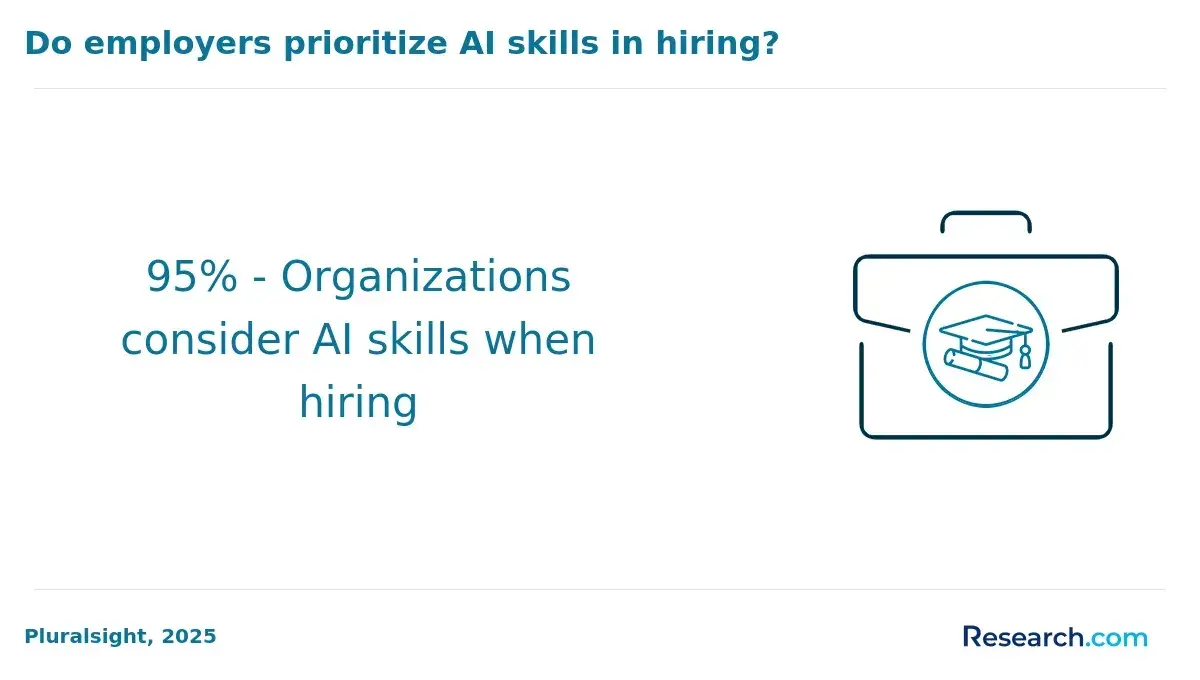
Professional certifications are increasingly valued alongside machine learning courses in AI bachelor's programs, with employers viewing them as proof of practical skills and current expertise. A survey by LinkedIn Talent Solutions shows that 67% of employers recruiting AI graduates with machine learning skills prefer candidates holding certifications like Google Cloud ML Engineer or AWS Machine Learning Specialty, up from 43% in 2022. This trend underscores the growing importance of industry credentials in the hiring process.
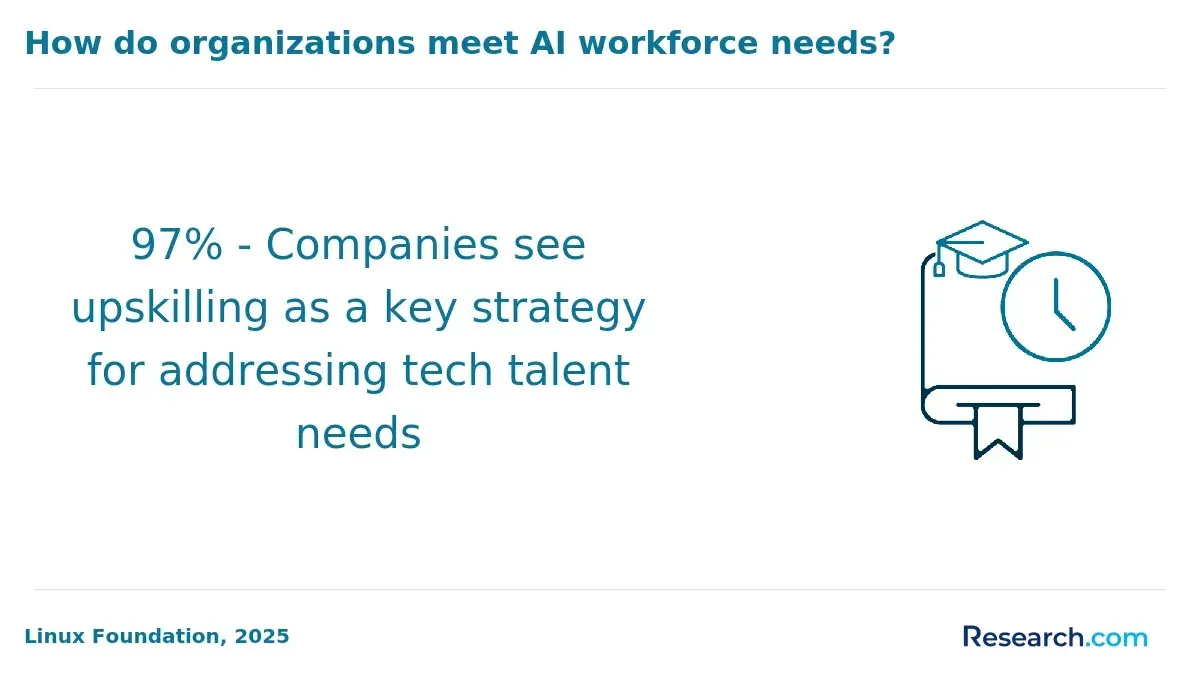
Certifications such as Google Cloud's ML Engineer and AWS Machine Learning Specialty validate proficiency in deploying cloud-based machine learning, model training, and scalable AI solutions. These credentials complement theoretical knowledge gained through coursework and are recommended by many AI programs to strengthen resumes and demonstrate real-world capabilities.
Additional valuable certifications include Microsoft Certified: Azure AI Engineer Associate, IBM credentials, and Coursera's recognized machine learning certificates. These alternatives cater to students focusing on specific platforms or sectors, especially those aligned with enterprise environments.
Timing certification efforts during internships or capstone projects helps maximize their relevance and impact during job interviews. As employer emphasis on certifications grows, they serve as a critical supplement to academic credentials in competitive AI job markets.
How should prospective students evaluate and compare machine learning programs across different accredited universities?
Prospective students should compare machine learning programs across at least three accredited universities by examining course depth, faculty expertise, industry connections, and graduate success metrics. Detailed syllabi reveal whether programs cover essential areas such as supervised and unsupervised learning, neural networks, natural language processing, reinforcement learning, and emerging topics like ethical AI and fairness. Faculty profiles often indicate active research and relevant professional experience, contributing to up-to-date instruction and networking opportunities.
Industry partnerships significantly enhance opportunities for internships, cooperative education, and job placement. Programs affiliated with tech companies or research labs offer hands-on projects and direct hiring pipelines. Verifying these partnerships through university websites or contacting program coordinators is recommended. Data from National Student Clearinghouse Research Center shows students who compare programs based on machine learning depth, industry ties, and graduate outcomes have 44% higher job placement rates and 22% higher starting salaries within six months of graduation.
Additional factors include access to labs and computing resources, interdisciplinary collaboration, capstone projects, and research options. Confirming accreditation status ensures program quality and eligibility for financial aid. Evaluating alumni networks and professional development support helps students make informed decisions tailored to careers in Artificial Intelligence.
Other Things You Should Know About Artificial Intelligence
Most AI bachelor's programs incorporate ethics modules that explore topics like bias in algorithms, data privacy, and the societal impact of AI technologies. These courses encourage students to consider responsible AI development and usage. Discussions and case studies often focus on the effects of AI on employment, security, and human rights.
Yes, many AI bachelor's programs offer opportunities for undergraduate research, often through faculty-led labs or capstone projects. Engaging in research allows students to apply theoretical knowledge to real-world problems, developing practical skills and deepening their understanding of AI. Research involvement also strengthens graduate school applications and job prospects.
Interdisciplinary learning enriches AI education by integrating fields such as cognitive science, psychology, and business. This approach helps students design AI systems that align with human behavior and market needs. It also broadens career opportunities, enabling graduates to work in diverse sectors like healthcare, finance, and robotics.
In 2027, AI bachelor's programs have expanded their machine learning courses to include new modules on neural networks, deep learning, and practical applications such as autonomous systems. Students also gain insights relevant to an AI finance master’s as data analysis and ethical AI frameworks become increasingly emphasized.
References
- B.SC. PROGRAM IN ARTIFICIAL INTELLIGENCE https://put.poznan.pl/en/node/4294
- Top 10 AI certifications and courses for 2025 https://www.techtarget.com/whatis/feature/10-top-artificial-intelligence-certifications-and-courses
- A Guide to The Top Machine Learning Certifications For 2025 | DataCamp https://www.datacamp.com/blog/top-machine-learning-certifications
- AI Certifications: Accredited Programs, Vendor Credentials, and Emerging Standards - Total Seminars https://totalsem.com/ai-certifications-accredited-programs-vendor-credentials-and-emerging-standards/
- Top 6 Programming Languages for AI - Software Mind https://softwaremind.com/blog/6-best-programming-languages-for-artificial-intelligence/
- Top 8 Programming Languages For AI - Coderio https://www.coderio.com/blog/software-development/top-8-programming-languages-ai/
- What Are the Career Paths After a Bachelor of Science in AI https://tetr.com/blog/what-are-the-career-paths-after-a-bachelor-of-science-in-ai
- Top AI job roles you can apply for after completing a course https://aiiteacademy.in/blogs/ai-job-roles-after-course-completion.php
- Artificial Intelligence Course Eligibility: Requirements & Prerequisites https://www.mygreatlearning.com/artificial-intelligence/courses/eligibility
- Best Colleges to Study Artificial Intelligence https://www.collegeadvisor.com/resources/study-artificial-intelligence/