2027 AI Degrees for the Future Workforce

Co-Founder and Chief Data Scientist
Many professionals with degrees in unrelated fields face challenges when trying to enter the rapidly evolving artificial intelligence sector. Traditional programs often require extensive backgrounds in computer science or mathematics, creating barriers for career changers. This gap limits access to emerging job opportunities in AI-driven industries and slows workforce adaptation to new technologies.
Flexible, accredited graduate programs designed for non-technical backgrounds are increasingly essential to bridge this divide. This article examines the most relevant AI degrees available, highlighting options that accommodate diverse educational histories and guide learners toward gaining practical skills and credentials for a successful transition into artificial intelligence careers.
Key Things You Should Know
- In 2026, AI degrees increasingly integrate interdisciplinary skills, combining computer science, ethics, and business to meet evolving workforce demands.
- Employment of AI specialists is projected to grow 35% through 2030, highlighting strong career prospects for graduates in technology, healthcare, and finance sectors.
- Many U.S. universities now offer flexible online and hybrid AI degree programs, expanding access for working professionals aiming to upskill or reskill.
What types of artificial intelligence degrees do U.S. colleges and universities offer?
U.S. colleges provide diverse artificial intelligence degree programs to meet the growing demand for AI skills. Degree options typically include undergraduate, graduate, and certificate programs. Undergraduate students often pursue Bachelor of Science degrees in artificial intelligence, computer science with AI specializations, or data science focused on AI applications. These programs build foundational skills in machine learning, natural language processing, and robotics.
Graduate-level studies include master's degrees and PhDs in artificial intelligence, data science, or computer science with AI tracks. These programs explore advanced topics like AI ethics, algorithm design, and AI system architecture, preparing graduates for research or leadership roles. For working professionals, certificate programs offer focused study on areas such as deep learning, AI programming languages, and AI-driven analytics, providing an efficient way to upskill without a full degree.
Many programs incorporate hands-on projects and internships with industries, offering electives that reflect current needs in AI, including AI ethics, healthcare applications, and autonomous systems. This approach aligns well with the best artificial intelligence majors offered by American universities, equipping students with practical experience.
The demand for AI expertise is rising sharply. Nearly 628,000 U.S. job postings in 2024 required at least one AI skill, increasing from 0.5% of all postings in 2010 to 1.7% in 2024, highlighting the importance of AI-focused education. Prospective students seeking affordable options can explore the cheapest master in data science, which often includes AI-related coursework.
How do AI bachelor's, master's, and certificate programs differ in depth and outcomes?
Bachelor's, master's, and certificate programs in artificial intelligence vary widely in depth, focus, and career outcomes. Bachelor's degrees provide a broad foundation in computer science, math, and core AI concepts like machine learning and natural language processing. These programs, typically four years long, prepare students for entry-level roles such as AI software developer or data analyst and include hands-on projects and internships.
Job postings requiring at least a bachelor's degree are more than twice as likely to ask for AI skills than those needing only a high school diploma or associate degree, highlighting the value of AI bachelor's vs master's program differences. Master's programs focus more on specialized AI algorithms, advanced data science, and ethics. These one- to two-year programs emphasize research and practical work on advanced AI challenges.
Graduates tend to pursue roles as AI researchers, machine learning engineers, or data scientists with greater responsibilities and salaries. Coursework often covers deep learning, reinforcement learning, and system design. Certificate programs, in contrast, offer targeted skill training on specific AI tools or domains, such as TensorFlow or AI ethics. These short programs-ranging from weeks to months-suit professionals aiming to upskill or change careers without a full degree.
Evaluating certificate vs degree outcomes in AI education is essential since certificates enhance resumes but rarely replace degrees for leadership roles. Prospective students should consider program rigor and industry recognition before enrolling. For those exploring options, exploring AI degrees online can provide affordable pathways to relevant credentials.
What careers can you pursue with an artificial intelligence degree in the United States?
An artificial intelligence degree in the United States offers access to high-demand jobs for artificial intelligence degree holders in the United States, especially in sectors like technology, finance, healthcare, and defense. Graduates often become machine learning engineers, data scientists, AI research scientists, or AI software developers, focusing on creating algorithms and predictive models. Emerging roles such as AI ethics specialists and policy advisors address the social and legal challenges of AI implementation.
Careers in artificial intelligence and machine learning in the United States also include AI consultants who help integrate AI solutions into business operations and robotics engineers who develop automated systems across various industries. Specializations like natural language processing, computer vision, and autonomous systems open diverse pathways suited to evolving technologies.
Job growth in AI surpasses overall market expansion, reflecting strong employer demand. Valuable skills include programming, statistics, and cloud-based AI platforms. Staying updated with AI frameworks and regulations is crucial for maintaining a competitive edge.
Professionals frequently work in interdisciplinary teams to solve practical challenges such as personalized medicine, fraud detection, and supply chain optimization. For those exploring options, affordable cybersecurity programs can complement AI expertise, enhancing career prospects in data security and protection. Resources like affordable cybersecurity programs offer insight into such educational pathways.
How do online AI degree programs compare to campus-based options in quality and flexibility?
Online AI degree programs often match campus-based options in academic rigor while providing greater flexibility, an important factor for many students. Accredited online programs offer the same curriculum taught by qualified faculty, sometimes including professors who also teach on campus. These programs typically include recorded lectures, interactive modules, and virtual labs to enable learning without geographic constraints.
The flexibility of campus-based vs online AI degrees can be decisive for working professionals or those balancing family responsibilities. Campus programs generally provide hands-on access to advanced AI research facilities and direct networking through in-person events. Still, many online degrees now offer live virtual collaboration, mentorship, and internships with top AI companies. Prospective students should evaluate whether their program offers these practical experiences, as they can be critical for career readiness.
Cost differences also matter; online degrees often reduce expenses related to housing and commuting. Some institutions provide customizable pacing options, from accelerated tracks to part-time schedules, enhancing accessibility. The salary and return on investment remain strong regardless of the format, with AI jobs in the U.S. offering median wages about 50-60% higher than the national median and many AI roles concentrated among the top earners.
Students are advised to verify program quality indicators like accreditation, faculty expertise, and internship placement rates. Both online and campus-based degrees can lead to success in AI careers if these standards are met. Veterans interested in tech fields might explore an online cybersecurity bachelor degree for veterans as an alternative or complement in the evolving AI landscape.
What coursework and technical skills are typically included in an artificial intelligence curriculum?
AI education encompasses a broad range of technical skills and subjects designed to prepare students for the rapidly evolving job market. Key coursework often includes machine learning, data structures and algorithms, statistics, and computer programming with languages such as Python, R, and sometimes C++. Specializations may cover natural language processing, computer vision, robotics, and neural networks, which have applications in healthcare, finance, and autonomous systems.
Mathematics remains essential, with linear algebra, calculus, and probability theory forming the foundation for comprehending AI algorithms and optimization techniques. Data management and database courses sharpen the ability to work with big data, critical in AI development. Many programs integrate AI ethics to explore issues of bias, fairness, and societal impact.
Hands-on experience through labs, projects, and internships is vital for applying theoretical knowledge. Tools like TensorFlow, PyTorch, and cloud computing platforms are frequently taught to align students with industry needs. Electives may include reinforcement learning, deep learning architectures, and human-computer interaction, deepening expertise.
The White House's 2025 AI Talent Report highlights a 120% increase in AI-related degrees in the U.S. from 2012 to 2022, driven by bachelor's and master's programs. Prospective students should confirm that programs offer updated technical skills reflecting current AI technologies and industry standards.
What admission requirements do AI degree programs usually have for first-time and returning students?
Admission criteria for artificial intelligence degree programs typically include strong math, programming, and analytical skills. Applicants usually need a high school background in calculus, algebra, and physics. Many schools still request standardized test scores like the SAT or ACT, though test-optional policies are becoming common. Personal statements or essays that highlight a genuine interest in AI and problem-solving abilities are often required.
Letters of recommendation, particularly from math or science teachers, can strengthen an application. Transfer or returning students must often submit transcripts demonstrating prior coursework in computer science, statistics, or related subjects. Prerequisites such as data structures or linear algebra may be mandatory before full admission.
For professionals or graduates seeking AI degrees, proficiency in programming languages like Python or Java is essential. Many programs also expect a resume and may ask for portfolios demonstrating relevant projects or experience. By early 2025, nearly half of higher education institutions offered AI-related courses, according to a 2026 CNBC report citing Validated Insights.
This expanding availability opens doors for students from diverse academic backgrounds beyond traditional computer science paths. Prospective students should review specific program prerequisites carefully. Building foundational skills in math and programming through community colleges or online courses can boost both admission chances and academic success in artificial intelligence studies.
How can you verify that an AI program is properly accredited and recognized by employers?
Confirm a program's accreditation by a U.S. Department of Education or Council for Higher Education Accreditation (CHEA) recognized agency, focusing on regional accreditations like the Middle States Commission on Higher Education or the Northwest Commission on Colleges and Universities. These accreditations ensure the curriculum adheres to rigorous academic and industry standards that employers value.
Evaluate the program's industry relationships and advisory boards. Collaboration with top technology companies such as IBM, Microsoft, or Google often signifies curriculum relevance and alignment with employer needs. This connection typically results in graduates equipped with practical, job-ready skills.
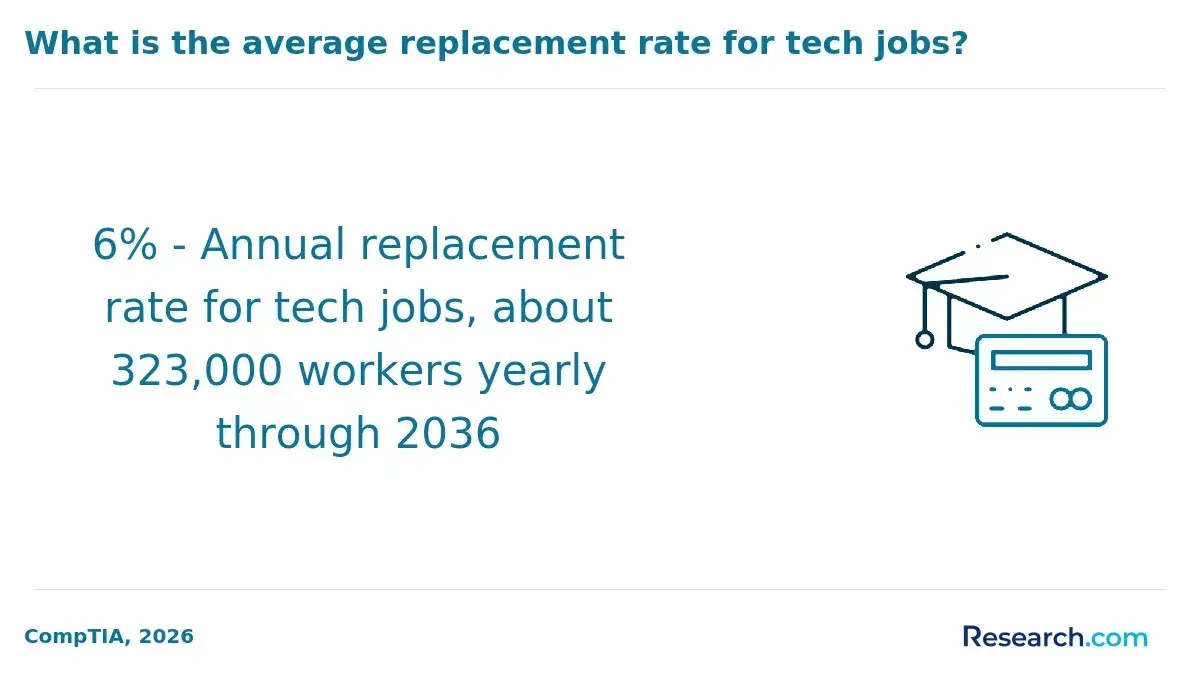
Consider graduate employment statistics, including job placement rates and employer testimonials. With significant shifts in the tech job market-such as the reported 67% decrease in U.S. entry-level tech job postings by IntuitionLabs-programs offering strong employer networks and career support gain a competitive edge.
Check for additional certifications endorsed by respected AI organizations like the Association for the Advancement of Artificial Intelligence (AAAI), which validate specialized knowledge that employers appreciate beyond academic credentials.
Lastly, verify that degree programs integrate hands-on AI projects, internships, or co-op experiences. Practical engagement is increasingly critical as automation shapes the tech workforce, preparing graduates to meet evolving employer expectations effectively.
How long do AI degrees take to complete, and what tuition and fee ranges are common?
AI degrees typically take two to four years, depending on the level. Associate degrees last about two years, while bachelor's programs generally span four years. Graduate studies, such as master's degrees, usually require an additional one to two years. Accelerated options exist, allowing full-time students to finish faster, whereas part-time learners or working professionals may take longer to complete their studies.
Tuition costs vary significantly by institution and residency status. Public universities charge between $10,000 and $30,000 annually for in-state students, while out-of-state and private schools may cost $30,000 to $60,000 or more. Additional expenses include technology fees, textbooks, and software licenses, which can add several hundred to thousands of dollars per year.
Employer preferences are shifting. An IDC survey reported by IntuitionLabs reveals only 5% of firms now consider a traditional college degree essential for AI roles. Instead, certifications and bootcamp credentials that highlight practical skills are gaining prominence. Many students opt for intensive AI bootcamps lasting 3 to 6 months, costing between $7,000 and $15,000. These programs provide a faster pathway to workplace readiness, especially for those seeking specific technical skills.
What salaries, advancement opportunities, and industry sectors are typical for AI professionals?
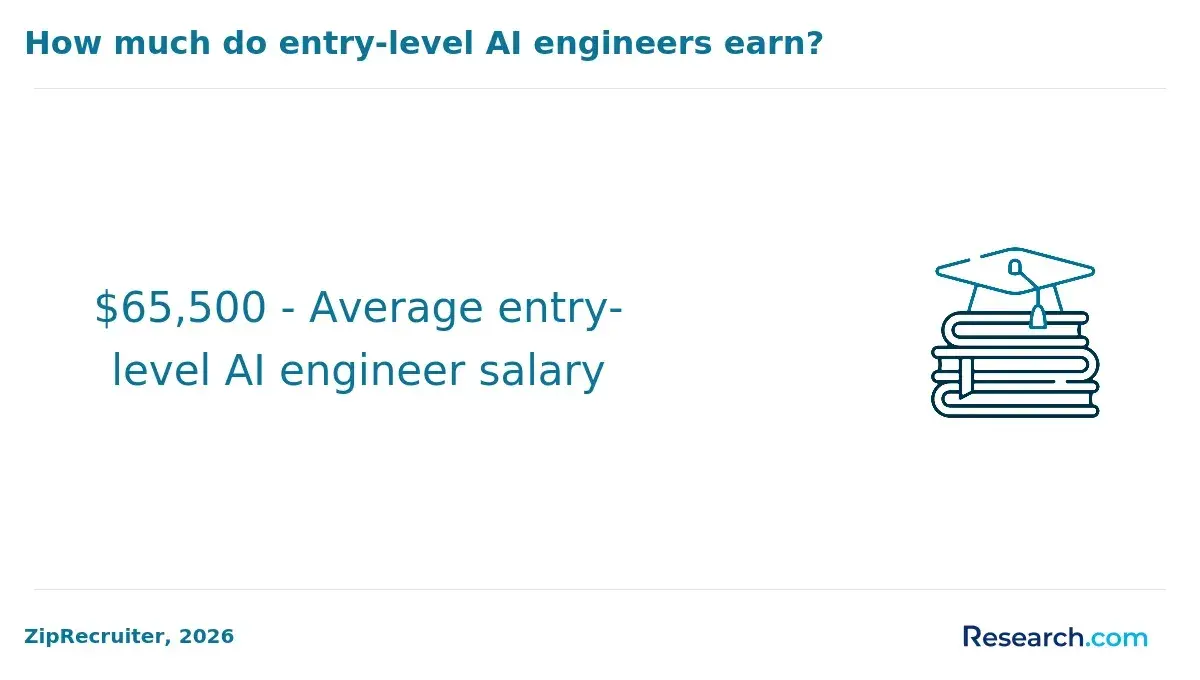
AI professionals in the United States earn salaries ranging from $95,000 for entry-level roles to over $180,000 in senior positions such as machine learning engineering or data science. Mid-career earnings typically fall between $120,000 and $150,000, influenced by industry and location. Career advancement often follows technical or managerial paths with positions like AI research scientist, chief AI officer, or lead data strategist. Expertise in advanced tools and continuous upskilling in fields like natural language processing and computer vision boost promotion opportunities.
The demand for AI skills extends beyond traditional tech sectors into business analytics, media, corporate management, and education. For example, AI specialists in finance develop predictive analytics models, while those in healthcare improve diagnostic tools using machine learning. The UK labour market data on "AI Skills for Life and Work" indicates a 10.7% growth outside purely technical roles, emphasizing hybrid jobs where AI complements domain expertise.
Non-technical roles with AI competencies include strategy development, process automation, and ethical AI deployment. Professionals benefit from combining AI knowledge with business intelligence or communication skills to broaden career prospects. Certifications and advanced degrees accelerate growth and open leadership positions in emerging areas such as autonomous systems and AI policy consulting.
How is demand for AI talent projected to grow, and which roles have the strongest job outlook?
Demand for ai talent is growing steadily, especially in engineering roles, which are projected to see an 8% job growth by 2034 in the U.S. with a median salary near $110,400. This trend reflects the high value placed on advanced technical skills and AI-adjacent expertise. Key roles with strong job outlooks include machine learning engineers who design algorithms, data scientists who analyze large datasets, AI software developers creating intelligent automation tools, and robotics engineers integrating AI with mechanical systems.
Employers increasingly prefer candidates with interdisciplinary skills that combine programming, mathematics, and domain knowledge. Industries like healthcare, finance, and autonomous vehicles are driving demand for specialized AI expertise.
Students and professionals aiming to enter or advance in these fields should build a solid foundation in engineering principles and continuously update their knowledge of emerging AI frameworks. Mastery of programming languages such as Python, familiarity with machine learning libraries, and an understanding of data ethics enhance competitiveness.
Additionally, hybrid roles that merge AI with cybersecurity or cloud computing offer diverse career paths with strong growth potential. Pursuing such interdisciplinary skills is a strategic move for long-term career resilience in the evolving job market.
Other Things You Should Know About Artificial Intelligence
Ethical considerations in AI focus on fairness, transparency, privacy, and accountability. Developers must avoid biases in training data and ensure AI systems do not perpetuate discrimination. There is also growing emphasis on protecting user data and maintaining clear responsibility for AI decision-making processes.
Coding is generally a fundamental skill for artificial intelligence degrees, as programming underpins data analysis, model building, and algorithm implementation. Most programs expect students to be proficient in languages like Python or Java. However, some introductory or interdisciplinary AI courses may offer foundational coding support for beginners.
AI is increasingly integrated into fields such as healthcare, finance, and engineering, enabling new applications like medical diagnostics and automated trading. Knowledge of AI allows professionals to enhance decision-making and innovation across disciplines. This intersection creates demand for AI-literate graduates who can collaborate in diverse teamwork environments.
In 2027, students pursuing AI degrees should consider emerging specializations such as explainable AI, AI ethics, quantum machine learning, and AI in healthcare. These areas are gaining traction due to advancements in technology and increasing demand for applications that require nuanced understanding and ethical considerations in AI deployment.
References
- Applied Artificial Intelligence https://www.th-rosenheim.de/en/studies-and-further-education/courses-of-study/bachelors-degree-programmes/applied-artificial-intelligence
- American Institute of Artificial Intelligence https://americanai.org/accreditation
- Number of Universities Offering AI Programs in the US - Programs.com https://programs.com/resources/universities-offering-ai-programs/
- Accreditation Explained: Guidelines for Global Verification https://www.motaword.com/blog/understanding-accreditation-how-to-verify-institutions-globally
- Online Bachelor’s Degree: Artificial Intelligence https://www.umgc.edu/online-degrees/bachelors/artificial-intelligence-ai
- Artificial Intelligence Post-Degree Diploma https://pace.uwinnipegcourses.ca/international-students/programs/artificial-intelligence-diploma
- Best Degrees for the Future: 12 AI-Proof Degrees (2026 Guide) https://www.uniadmissions.co.uk/application-guides/best-degrees-for-the-future/
- Guidance on the Responsible Use of Artificial Intelligence (AI) in Accredited Continuing Education (CE) - ACCME https://accme.org/resource/guidance-on-ai/
- Artificial Intelligence Course: Trends & Predictions for the Next Decade https://gbs.ac.ae/blog/artificial-intelligence-course-trends-predictions-for-the-next-decade/
- Best AI Graduate Certificates - AIDegreePrograms.org https://aidegreeprograms.org/rankings/best-ai-graduate-certificates/