2027 Artificial Intelligence Degrees vs Robotics Degrees

Co-Founder and Chief Data Scientist
Many professionals face difficulty choosing between degrees in artificial intelligence and robotics while seeking career shifts into technology. Both fields offer promising futures but require different skill sets and knowledge bases. This creates confusion about which degree better aligns with one's career goals, especially for those without technical backgrounds.
Understanding the core distinctions and industry demands is crucial for making an informed decision that maximizes job opportunities and educational investment. This article explores the key differences between artificial intelligence and robotics degrees in 2027 to help prospective students select the most suitable path for entering the evolving tech landscape.
Key Things You Should Know
- In 2027, AI degrees emphasize software, data science, and machine learning, whereas robotics degrees combine mechanical engineering, electronics, and programming skills.
- Employment growth projections favor AI specialists with a 22% increase by 2030, compared to 10% for robotics engineers, reflecting expanding AI applications across industries.
- Average starting salaries for ai graduates in 2025 reached around $85,000, surpassing the $75,000 typical for robotics degree holders, highlighting differing market demands and skill sets.
What is the core difference between artificial intelligence degrees and robotics degrees?
The core difference between artificial intelligence degrees and robotics degrees lies in their primary focus and application scope. Artificial intelligence degrees primarily develop algorithms, data structures, and computational models that enable machines to learn and make decisions. These programs emphasize machine learning, natural language processing, and computer vision. Graduates often work on enhancing recommendation systems or developing autonomous software agents. This distinction in curriculum clarity benefits students researching key differences between artificial intelligence and robotics programs.
Robotics degrees, by contrast, blend mechanical engineering, electronics, and computer science to design and build physical robots. Students study sensors, actuators, kinematics, and system integration alongside embedded programming. Graduates typically contribute to hardware-software systems for manufacturing robots or autonomous vehicles.
Market demand reflects these educational differences. The LinkedIn Jobs Report 2024 notes that AI specialist positions grew 74% year-over-year, while robotics engineering roles increased by 28%. This growth indicates faster expansion in artificial intelligence roles compared to robotics.
Students choosing between these fields should consider career goals: those focused on software, data science, and algorithm development often prefer AI degrees, whereas hands-on hardware and interdisciplinary engineering interests align better with robotics. For students considering related fields, exploring an accelerated computer science degree may also offer valuable opportunities.
Both fields overlap, as AI techniques become integral in robotic systems, but their core curricula remain distinct. Prospective students should evaluate artificial intelligence degree vs robotics degree curriculum carefully to match education with professional aspirations.
What are the typical career paths and job titles for AI degree graduates compared to robotics degree graduates?
Graduates with artificial intelligence degrees commonly pursue careers as machine learning engineers, data scientists, AI researchers, or natural language processing specialists. These roles focus on developing algorithms, training models on large datasets, and building intelligent software systems. In contrast, robotics degree holders often work as robotics engineers, automation engineers, or control systems specialists, emphasizing design, programming, and construction of physical robotic systems. Career opportunities for artificial intelligence graduates frequently span software companies, finance, healthcare analytics, and autonomous systems development, while robotics graduates typically find roles in manufacturing automation, aerospace, automotive, and defense technology.
Median salaries highlight the market differences: machine learning engineers earn around $165,000, whereas robotics engineers make about $115,000, reflecting stronger demand and higher compensation for AI professionals focused on data-driven algorithm development. Job titles in robotics and artificial intelligence fields include AI software developer, deep learning engineer, and AI product manager for AI graduates, while robotics alumni may work as robotic system integrators, mechatronics engineers, or embedded systems developers, combining mechanical, electrical, and software expertise.
Both fields present unique challenges. AI graduates must adapt models to diverse datasets, ensure ethical AI implementation, and optimize computational efficiency. Robotics professionals often address sensor integration, system reliability, and real-time control complexities. Prospective students should weigh these practical demands alongside industry needs and growth trends. For those researching educational options, consulting data science rankings can offer valuable insights into affordable programs.
How do curriculum and coursework differ between AI programs and robotics programs?
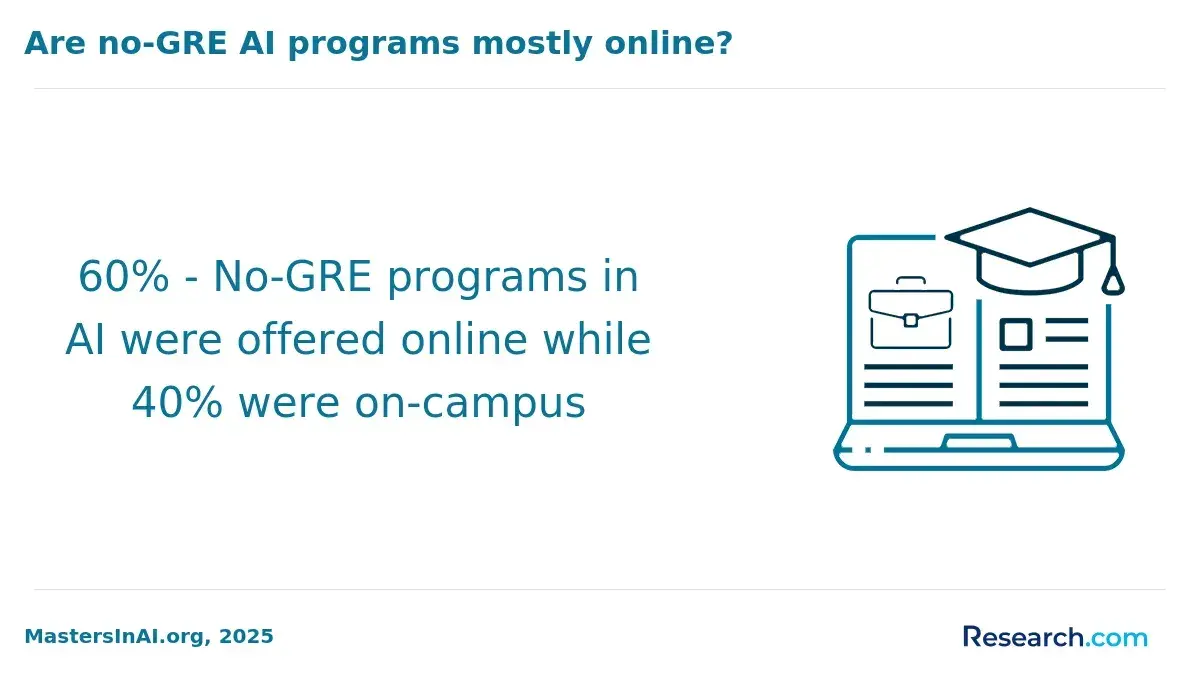
Curriculum differences between artificial intelligence and robotics degrees reflect their distinct technical focuses. In artificial intelligence programs, 86% of top-ranked curricula require courses in machine learning and deep learning, emphasizing data-driven models, neural networks, and algorithm optimization (QS World University Rankings by Subject 2024). Coursework typically covers statistical analysis, natural language processing, and computer vision, with practical applications in software development, predictive analytics, and AI ethics.
By contrast, 79% of leading robotics programs mandate control systems and mechanical design courses, focusing on hardware integration, kinematics, and sensor technology (QS World University Rankings by Subject 2024). Robotics students study embedded systems, robotic motion planning, and real-time processing, needing a firm grasp of both mechanical construction and software to design and build physical robots for industrial, medical, or autonomous uses.
Programming language requirements differ in coursework comparison in AI programs versus robotics programs, with AI emphasizing Python and R for algorithms and data manipulation, while robotics relies on C/C++ and MATLAB for hardware interfacing and simulation. AI students often explore cognitive computing and reinforcement learning, whereas robotics students focus on system modeling and actuator dynamics.
Prospective students should weigh these curriculum differences in relation to their career goals. Those pursuing careers in algorithm development, data science, or AI product innovation benefit most from AI-heavy study paths. Those interested in physical automation, embedded systems, or robotics engineering should seek programs prioritizing mechanical and control systems. For those evaluating options, online engineering programs offer flexible pathways to both fields.
What are the admission requirements and prerequisites for accredited AI and robotics degree programs?
Admission criteria for accredited artificial intelligence and robotics degree programs vary notably due to their distinct academic focuses. Robotics programs require calculus and physics prerequisites 23% more often, reflecting their stronger emphasis on hardware, mechanics, and engineering fundamentals (ASEE Engineering Education Survey 2024). Prospective robotics students generally must complete multivariable calculus, differential equations, and introductory physics courses covering mechanics and electromagnetism before enrollment.
In contrast, many artificial intelligence degree programs prioritize strong programming skills and foundational computer science knowledge rather than intensive math and physics. A basic understanding of linear algebra and probability is commonly expected, especially as AI fields expand into applied machine learning, data science, and software engineering, where languages like Python, Java, and R are critical. This distinction is key when considering prerequisites for enrolling in leading artificial intelligence and robotics degrees.
Applicants to AI programs often submit portfolios showcasing coding proficiency or projects using AI frameworks. While GRE scores may be optional or waived for both fields, competitive programs often require them, particularly for graduate admissions. Robotics programs typically emphasize higher math and science GPAs and may require quantitative standardized test scores.
For students lacking a strong physics background interested in robotics, foundational summer courses or community college classes are advisable. Likewise, artificial intelligence candidates without formal programming experience should consider introductory coding bootcamps or university preparatory programs to bolster applications. Those considering related paths might also explore a cyber security degree as a complementary option in technology education.
What is the average cost and program length for AI degrees versus robotics degrees in the United States?
The average total tuition for master's degrees in artificial intelligence at private U.S. universities is about $58,000, which is roughly 38% higher than the typical robotics master's program costing around $42,000. These costs represent the full duration of the programs, offering a clearer financial perspective for students planning their education.
Both AI and robotics master's degrees generally last between 18 to 24 months. Accelerated AI programs can be finished in 12 months but often require a strong background in computer science or related fields. Robotics programs usually take two years due to their interdisciplinary nature, combining mechanical engineering with computer science and lab work.
Public universities provide lower-cost options, with in-state tuition sometimes reducing expenses by 40% or more. Part-time and online formats can extend program length beyond two years but add flexibility. These variations affect costs and should be weighed alongside career goals and financial plans.
For prospective students, the approximately $16,000 higher tuition for AI compared to robotics may influence budgeting, financial aid, and loan decisions. This data aids informed choices for those pursuing advanced degrees in technology fields shaped by artificial intelligence and robotics.
Which online and campus-based program formats are available for AI and robotics degrees?
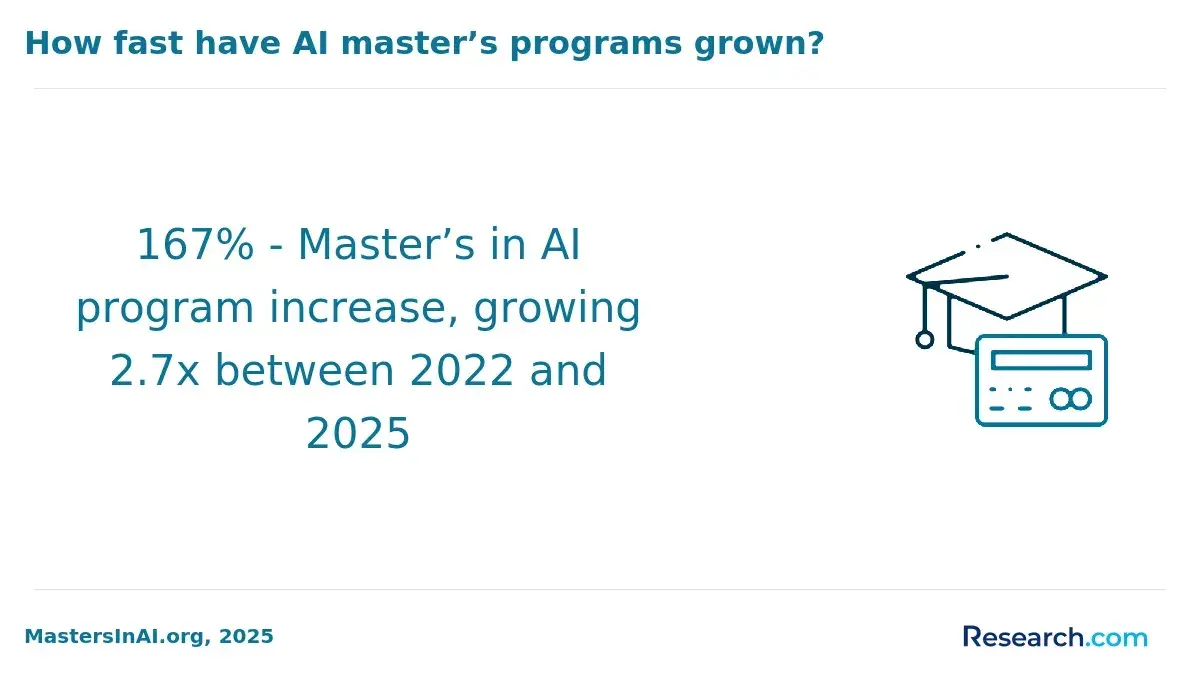
Artificial intelligence (AI) and robotics degrees are available both online and on campus, but their accessibility and growth vary significantly. Online AI degrees have surged in popularity, with enrollments rising 156% between 2022 and 2024, according to the National Center for Education Statistics. This growth is driven by AI's emphasis on software, data analysis, and theoretical coursework, making it well-suited for virtual learning. Many programs offer flexible schedules and interactive AI labs that students can access remotely.
Robotics degrees have experienced slower online growth, increasing only 34% in the same period. The hands-on nature of robotics programs, requiring physical labs, sensors, and mechanical components, makes fully online formats challenging. Campus-based robotics programs provide access to specialized labs and workshops crucial for practical skills in sensor integration and hardware design.
Students interested in fully online programs will find more options in AI, while those seeking hands-on experience may prefer campus-based robotics degrees. Hybrid models are available in robotics, combining online theory and on-site labs. Selecting the right format depends on whether flexibility or practical experience is a priority, helping align educational paths with career goals.
What are the salary expectations and job outlook for AI and robotics degree holders through 2032?
Salary expectations for artificial intelligence degree holders surpass those of robotics graduates due to stronger job growth and higher demand. AI specialist roles are expected to increase by 35% through 2032, reaching 1.2 million positions, according to the U.S. Bureau of Labor Statistics Occupational Outlook Handbook 2024. In contrast, robotics engineers face a growth rate of 15%. This difference affects salaries, with AI professionals earning median annual wages above $120,000, while robotics engineers typically earn between $90,000 and $110,000 depending on experience and industry.
AI careers include machine learning engineers, data scientists, and natural language processing experts, offering broad employment opportunities across healthcare, finance, and technology sectors. Robotics engineers mainly design and maintain robotic systems in manufacturing, automotive, and aerospace industries, limiting employers but maintaining competitive pay.
Growth in AI comes from increased automation, data availability, and cognitive computing investment. Graduates with AI degrees often experience faster employment and higher salary growth potential, while robotics provides more stable demand linked to industrial applications. Professionals skilled in both fields can command premium salaries by integrating AI algorithms with mechanical systems.
Candidates should evaluate whether their interests align with software-driven AI innovation or hardware-focused robotics engineering. Both fields require strong programming, mathematics, and engineering foundations, but AI roles are increasingly centered on data analytics and algorithm design.
What professional certifications and industry credentials complement AI and robotics degrees?
Professional certifications greatly enhance the value of artificial intelligence and robotics degrees by validating specialized skills that employers actively seek. For artificial intelligence graduates, cloud certifications such as AWS Certified Machine Learning, Google Cloud Professional Data Engineer, and Microsoft Certified: Azure AI Engineer are highly recommended. These certificates meet the growing industry demand for cloud-integrated AI solutions. Insights from the Stack Overflow Developer Survey 2024 reveal that 61% of AI degree holders acquire additional cloud certifications within two years after graduation, highlighting the importance of cloud proficiency alongside AI knowledge.
In robotics, certifications mainly focus on Robot Operating System (ROS) and industrial automation standards. Programs like the ROS-Industrial Consortium's ROS Certification and automation credentials from the International Society of Automation (ISA) authenticate skills in robot programming, control systems, and safety. However, only 34% of robotics graduates pursue these certifications, pointing to a more specialized and niche expertise that aligns closely with manufacturing and automation industries.
Additional credentials beneficial in both disciplines include data science certifications, programming language qualifications like Python Institute's PCEP or PCAP, and project management credentials such as PMP or Scrum Master. These broaden career opportunities by showcasing versatility in cross-disciplinary roles. Graduates should prioritize certifications that demonstrate practical skills through hands-on projects and real-world applications to maximize their career impact.
How should prospective students evaluate and compare accredited AI and robotics programs?
ABET accreditation plays a crucial role for robotics students, with 94% of graduates from accredited programs securing jobs within six months, versus 89% from non-accredited programs (ABET Outcomes Assessment Data 2024). This underscores the value of choosing ABET-accredited robotics degrees for stronger employment prospects. In contrast, accreditation has less impact on AI employment rates due to the field's high demand regardless of program accreditation.
Students should align program selection with career objectives. Robotics degrees focus on hardware, embedded systems, mechanical design, and practical engineering experience, ideal for careers in autonomous systems or industrial automation. AI programs emphasize machine learning, data science, algorithm development, and applied data analytics, appealing to those targeting natural language processing or computer vision roles.
Evaluating faculty expertise, research options, and industry ties is important for both fields. Hands-on labs and internships enhance robotics students' skills with platforms and sensors, while AI students benefit from access to large datasets and computing power for data-intensive tasks. Program flexibility, cost, and duration also influence choices, especially for working professionals.
Prospective students should seek employment statistics, alumni insights, and verify industry partnerships to ensure program quality and career readiness. Accreditation remains a quality benchmark, but content and outcomes should guide decisions when choosing between specialized artificial intelligence and robotics programs.
What are the regional and institutional accreditation standards for AI and robotics degree programs?
Accreditation standards for artificial intelligence and robotics degree programs in the U.S. vary greatly, reflecting their development and industry recognition. All programs must be accredited by agencies recognized by the U.S. Department of Education or the Council for Higher Education Accreditation (CHEA) to guarantee quality and credit transferability. Specialized accreditation, such as ABET, is particularly important for engineering-related fields.
ABET accreditation serves as a key benchmark for cybersecurity, robotics, and increasingly artificial intelligence programs. Currently, 23% of AI degree programs hold ABET accreditation compared to 67% of robotics engineering programs, showing robotics benefits from clearer curriculum standards and often resides within accredited engineering schools. AI degrees, by contrast, are fragmented across computer science, data science, or standalone AI departments, which complicates accreditation consistency.
Regional accreditation remains vital for students seeking federal financial aid and graduate school admission. A robotics degree from a regionally accredited university with ABET-accredited programs ensures recognized rigor. Prospective AI students should verify both institutional regional accreditation and ABET's Computing Accreditation Commission (CAC) recognition of their AI program to confirm quality.
Ivy League institutions usually maintain rigorous institutional and program accreditations. Meanwhile, newer online AI programs may lack ABET accreditation despite regional approval. Students should choose programs that align accreditation with career paths, especially for roles requiring engineering licenses or government security clearances.
Other Things You Should Know About Artificial Intelligence
Ethics is a critical component of artificial intelligence education, often included as a dedicated course or integrated into existing topics. Programs emphasize responsible AI development, fairness, transparency, data privacy, and the societal impact of AI technologies. Students learn to recognize biases in algorithms and the importance of creating equitable and transparent AI systems.
Artificial intelligence students often have access to research labs focusing on areas such as machine learning, natural language processing, computer vision, and robotics integration. Many universities collaborate with industry partners, allowing students to participate in cutting-edge projects and publish research papers. These opportunities enhance practical skills and support career advancement.
In 2027, artificial intelligence graduates often pursue roles in machine learning, data science, and AI governance, supported by programs like these best master’s programs in AI governance. Robotics graduates typically engage in automation, hardware design, and engineering roles, reflecting the interdisciplinary demands within technology and manufacturing sectors.
References
- 16 Artificial Intelligence Career Paths https://www.calmu.edu/news/artificial-intelligence-career-paths
- What Are The Top 10 Careers in Robotics in 2026? | NEIT https://www.neit.edu/blog/careers-in-robotics
- Best AI Certifications to Boost Your Career in 2026 – Dataquest https://www.dataquest.io/blog/best-ai-certifications/
- Who Accredits Artificial Intelligence (AI) Degree Programs? - AI Degrees Online https://aidegreesonline.com/accreditation/who-accredits-ai-degree-programs/
- What AI certification options are best for professionals transitioning into AI roles? https://dev.to/georgiaweston/what-ai-certification-options-are-best-for-professionals-transitioning-into-ai-roles-20gp
- 23 Top AI Certifications to Know | Built In https://builtin.com/articles/ai-certification
- ABET Accreditation and Artificial Intelligence - ABET https://www.abet.org/accreditation/ai-policy/
- Comparing Popular AI and Robotics Certification Programs: Which One is Right for You? | Airtics https://www.airtics.org/comparing-popular-ai-and-robotics-certification-programs-which-one-is-right-for-you/
- New Use of Artificial Intelligence Accreditation Policy and Procedures - Middle States Commission on Higher Education https://www.msche.org/2025/07/02/new-use-of-artificial-intelligence-accreditation-policy-and-procedures/
- Top 11 Robotics Certifications - MentorCruise https://mentorcruise.com/certifications/robotics/