2027 ROI of an AI Associate Degree: Cost vs Career Outcomes

Co-Founder and Chief Data Scientist
Many professionals with undergraduate degrees in unrelated fields face uncertainty when considering a career shift to artificial intelligence. The high cost and time commitment of educational programs create hesitation. Questions about which path provides the best return on investment (ROI) and how an associate degree fits into broader career goals arise frequently. Without clear data on costs versus salary outcomes, making informed decisions is difficult.
This article reviews 2027 ROI figures for AI associate degrees, comparing expenses and career outcomes. It aims to guide prospective students in evaluating whether this flexible, accredited option offers a viable route into the AI industry.
Key Things You Should Know
- Investing in an AI associate degree in 2026 typically costs between $12,000 and $22,000, offering a lower barrier to entry compared to bachelor's programs while maintaining strong job prospects.
- Graduates can expect an average salary increase of 25% over non-AI degree holders, with entry-level positions starting near $60,000 annually in tech and related sectors.
- Industry demand remains robust, with a projected 15% job growth in AI-related roles through 2030, making the ROI for an associate degree favorable within five years post-graduation.
How much does an AI associate degree cost compared to four-year bachelor's programs?
In 2027, the cost of earning an AI associate degree remains substantially lower than pursuing a four-year bachelor's degree. The College Board's 2024-2025 Trends in College Pricing report shows that the average annual tuition at public institutions for a two-year associate degree is $3,440. In comparison, four-year bachelor's programs average $9,750 per year. Over the typical program lengths, total tuition costs approximate $6,880 for an associate degree versus roughly $39,000 for a bachelor's degree. This AI associate degree cost versus bachelor's degree cost comparison highlights significant savings for students.
Choosing an associate degree can be a cost-effective path for those aiming to enter AI-related fields quickly or decrease debt. Community colleges offering AI-focused associate programs provide foundational knowledge and practical skills at nearly one-fifth the tuition cost of public universities. Students can use these savings to pursue certifications or specialized training, enhancing their career prospects.
Additional expenses like fees, textbooks, and living costs vary and should be considered. Financial aid is widely available for both degree types but generally extends further with lower tuition. Career outcomes may differ; while associate degrees allow faster workforce entry, some AI roles require the more comprehensive study found in bachelor's programs.
Prospective students seeking the fastest way to get a computer science degree can weigh cost against career goals. The cost effectiveness of an AI associate degree compared to four-year programs offers significant upfront savings and supports quicker employment or further education without sacrificing essential AI competence.
What is the average salary for AI associate degree graduates in the current job market?
The average salary for graduates with an associate degree in artificial intelligence-related fields in the United States generally falls between $70,000 and $90,000 annually. Entry-level roles such as AI technicians or machine learning support specialists tend to start near the lower end of this range. Career earnings of graduates with an AI associate degree improve significantly with practical experience and additional certifications, allowing many to quickly reach or surpass $90,000.
In comparison, AI and machine learning specialists earn a median annual salary of $136,620, marking a 35% increase since 2021, according to the U.S. Bureau of Labor Statistics (Occupational Outlook Handbook 2024-2025). This reflects that associate degree holders typically fill support or technician positions rather than advanced AI research roles, which generally require a bachelor's degree or higher.
Location plays a critical role in salary variations; tech hubs like San Francisco, Seattle, and Boston offer higher compensation than smaller markets. Industries such as healthcare, finance, and automotive automation often reward associate degree holders with competitive pay when accompanied by strong applied skills. For those researching programs, the best data science undergraduate programs provide tailored pathways for foundational expertise.
Prospective graduates should weigh the return on investment, focusing on roles that offer on-the-job training and clear advancement paths. The associate degree provides essential skills in data preparation, model testing, and algorithm validation, serving as a bridge to more lucrative and senior roles in the AI field.
What career roles and job titles are available to AI associate degree holders?
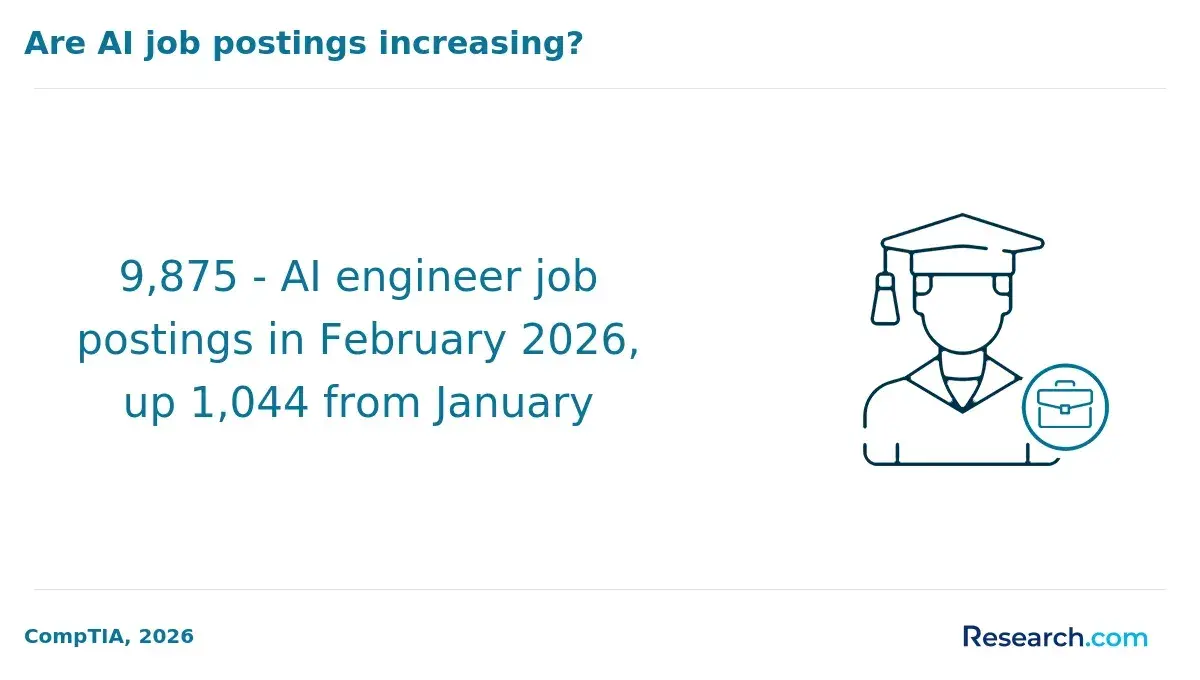
Career roles accessible to AI associate degree holders in the US primarily focus on technical and analytical positions. According to LinkedIn's 2025 Jobs on the Rise report, machine learning engineer, data analyst, and AI systems technician roles make up 68% of entry-level AI job postings requiring only an associate degree or equivalent. These roles provide a solid foundation for developing practical skills in data processing, algorithm implementation, and system maintenance. This range of career paths for US artificial intelligence associate degree graduates supports early hands-on experience in the field.
Machine learning engineers assist in building and testing models under senior supervision, focusing on data cleaning, feature extraction, and using established algorithms. Data analysts with this degree analyze datasets to identify trends, produce reports, and aid organizational decision-making, often specializing in business intelligence, data visualization, or statistical analysis. Meanwhile, AI systems technicians maintain and troubleshoot software and hardware, ensuring operational efficiency across industries such as manufacturing and healthcare. Other roles include junior AI developer, automation specialist, and AI support technician, which emphasize applied skills over theoretical knowledge.
Prospective students exploring ai associate degree job roles in the US should assess programs that stress practical training in programming languages like Python, data science tools, and cloud platforms. These competencies are crucial for success in entry-level AI positions and offer clear paths for career advancement.
For individuals interested in technology-related fields, exploring a video game design degree can provide complementary skills applicable in AI-driven entertainment industries.
What are the admission requirements and prerequisites for accredited AI associate programs?
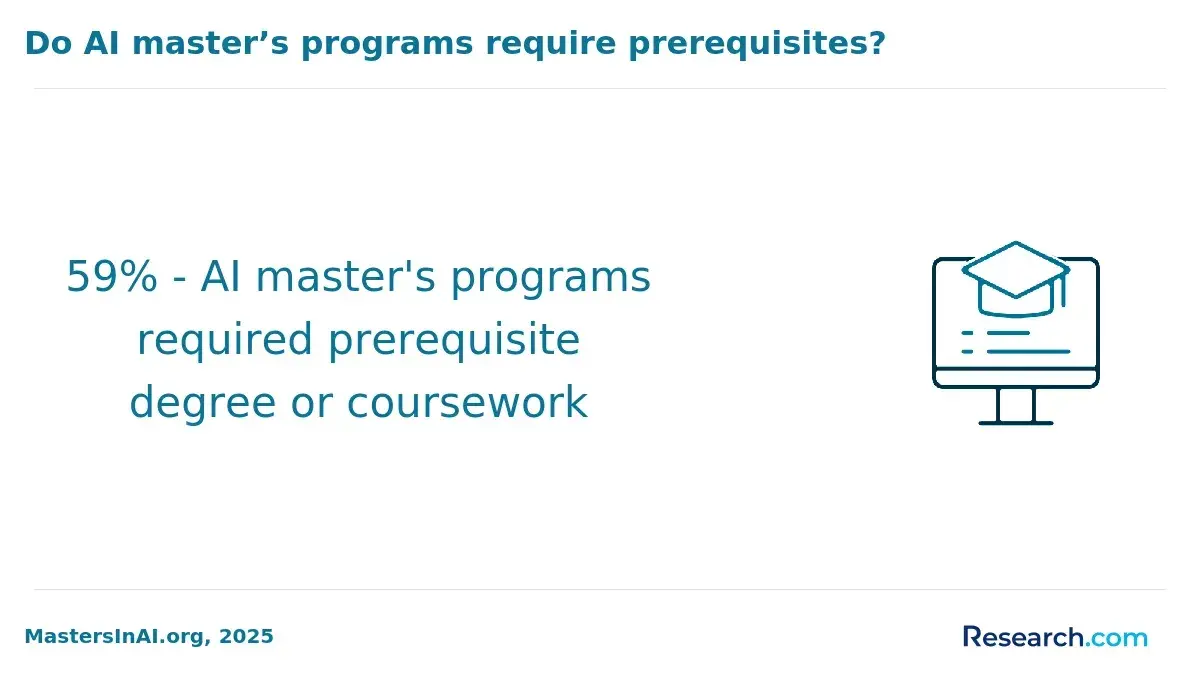
Most accredited artificial intelligence associate degree programs have straightforward admission requirements focusing on foundational knowledge rather than advanced technical skills. According to a survey by the Association of American Colleges and Universities, 72% of accredited AI associate programs require no prior programming experience, making them accessible to students from diverse academic backgrounds. This accessibility supports those exploring admission requirements for accredited artificial intelligence associate programs without extensive prior study.
Applicants typically need a high school diploma or equivalent, such as a GED. A key prerequisite for enrolling in artificial intelligence associate degree courses is a solid grasp of foundational mathematics-especially algebra and basic statistics-to understand data analysis, algorithms, and modeling. Many colleges require completion of high school math up to Algebra II or demonstrate similar proficiency via placement tests.
Minimum GPA requirements, usually between 2.0 and 2.5 on a 4.0 scale, may be enforced but vary by institution. Standardized tests like the SAT or ACT are less commonly required, though some selective programs might request them. International students usually need to prove English proficiency through TOEFL or IELTS exams. Some programs also offer introductory computer science or logic courses to ease the transition into AI programming components.
Applicants must also follow general college admission rules such as submitting transcripts and application forms. Interviews or personal statements highlighting career goals related to artificial intelligence are sometimes part of the process. Those interested in advancing beyond associate degrees may explore further options such as an online master in data science.
How long does it take to complete an AI associate degree, and what is the typical curriculum?
An AI associate degree generally requires 18 to 24 months to complete, with accelerated programs allowing graduation in as few as 18 months. Students in these faster tracks benefit from 45% higher job placement rates compared to those in traditional programs, according to 2024 data from the National Association of Community Colleges. This advantage suits individuals eager to enter the workforce quickly.
The curriculum balances foundational knowledge and practical skills, covering machine learning basics, data analytics, programming languages like Python and Java, and introductory neural networks. Students also study data structures, algorithms, and statistics to enhance computational reasoning. Hands-on labs and projects often simulate real-world AI scenarios, strengthening practical understanding.
Program focus varies by institution. Some emphasize applied AI and ethical considerations, including coursework on human-computer interaction and emerging AI challenges. Others integrate cloud computing or cybersecurity to better prepare students for relevant industry roles. Part-time and online options extend completion times but offer flexibility for working professionals.
Prospective students should assess program length, curriculum content, and delivery mode to ensure alignment with career goals and industry demands. Different programs influence readiness for roles such as data analyst, machine learning technician, or AI support specialist.
What is the job outlook and employment demand for AI professionals with associate degrees?
Demand for AI professionals with associate degrees is rising rapidly. The U.S. Bureau of Labor Statistics projects an 18% growth in AI and machine learning-related occupations through 2033, well above the 3% average for all jobs. This trend highlights expanding career opportunities for those with relevant technical education. Graduates with associate degrees can pursue roles such as AI technician, data analyst, and machine learning support specialist, which are all experiencing increased demand.
AI's integration into industries like healthcare, finance, manufacturing, and technology services drives this job market expansion. Employers seek candidates with practical skills in AI programming, data management, and algorithm testing-competencies often taught in associate degree programs. Starting salaries typically range from $50,000 to $70,000, varying by location and industry.
An associate degree offers a cost-effective pathway into AI careers without requiring a four-year commitment. Enhancing the degree with certifications in cloud computing, data analysis, or coding languages improves employment prospects. Students should also pursue internships or co-op experiences to gain hands-on skills valued by employers.
The strong growth outlook confirms the value of associate-level AI education, provided graduates maintain updated skills and practical experience. Targeting sectors with the highest AI adoption will increase chances of success in this evolving field.
Are there professional certifications or industry credentials required alongside an AI associate degree?
Professional certifications are highly valued alongside an associate degree in Artificial Intelligence for enhancing employment readiness. According to Coursera's 2024 Skills and Hiring Report, 64% of employers hiring for associate-level AI roles prioritize certifications such as AWS Certified Machine Learning and Google Cloud certifications. These credentials highlight specialized skills often beyond what an associate degree covers, especially in cloud computing platforms frequently used in AI deployment.
Certifications like AWS Certified Machine Learning show expertise in designing, implementing, and maintaining AI models on cloud infrastructure. Google Cloud certifications demonstrate proficiency in Google's AI tools and data engineering services. Holding these certifications signals practical, hands-on experience with industry-standard technology, improving job prospects and salary potential.
Vendor-neutral credentials such as the Certified Artificial Intelligence Practitioner (CAIP) or certificates focusing on data science and machine learning algorithms also hold value. They bridge academic knowledge with practical application, allowing candidates to align with specific employer requirements. Reviewing job descriptions helps identify which certifications best match roles in various U.S. regions and industries.
Combining an associate degree with recognized certifications and real-world experience gained through internships, projects, or open-source contributions creates a competitive candidate profile. Early integration of certification preparation into educational plans can maximize career opportunities and return on investment in the AI field.
How do online AI associate programs compare to in-person or hybrid program formats?
Online ai associate degree programs offer job placement rates comparable to traditional in-person formats, with graduates reporting an 89% employment rate within six months according to the 2024 National Center for Education Statistics study. This makes online learning a practical choice for many students, especially those juggling work or family responsibilities. Lower costs due to eliminated commuting and housing fees also enhance the return on investment for these programs.
Hybrid ai programs blend online coursework with some in-person sessions and show slightly higher retention rates at 78%. This format suits students who benefit from direct engagement to maintain motivation and deepen understanding. Access to campus resources like labs and tutoring can improve hands-on skills essential for careers in ai. However, hybrid programs tend to be less flexible and more expensive than fully online options.
In-person ai associate degrees provide immersive experiences that encourage real-time collaboration and networking, valuable for students focused on hands-on learning or specialized hardware. Yet higher tuition and living costs often diminish their financial appeal compared to online programs.
Choosing the right format depends on factors like scheduling flexibility, learning preferences, and total cost. Online programs deliver maximum flexibility without compromising outcomes, while hybrid or in-person tracks offer more structured support and interaction but at increased cost.
Each format achieves competitive job placement, with hybrid models uniquely balancing engagement and flexibility to enhance student persistence in rigorous ai coursework.
Which accreditation bodies and regional standards should you verify when choosing an AI program?
Verifying accreditation is crucial when choosing an AI associate degree program to ensure educational quality and better job prospects. The main accreditor for engineering and technology-related programs, including AI, is ABET. According to ABET's 2024 accreditation data, only 34% of AI associate programs hold this accreditation, reflecting wide variability in program quality and industry acceptance. ABET accreditation guarantees adherence to rigorous standards in curriculum, faculty, and facilities, which can significantly impact graduates' employment opportunities and salary potential.
Regional accreditation also plays a vital role, with U.S. bodies like the Middle States Commission on Higher Education (MSCHE), the Southern Association of Colleges and Schools Commission on Colleges (SACSCOC), and the Higher Learning Commission (HLC) ensuring institutions meet overall quality benchmarks and qualify for federal aid. Confirming both regional and specialized program accreditation is essential for prospective students.
Programs lacking ABET but with strong regional accreditation may still provide valuable education, though some employers-especially military or government contractors-require graduation from ABET-accredited programs for technician roles. Additionally, prospective online or hybrid students should verify state authorization and licensure requirements to ensure their credits and degrees are recognized and transferable.
Confirming ABET and regional accreditation alongside state and federal compliance helps reduce risks associated with low-value AI degrees and better aligns education with employer expectations.
What factors should you evaluate when comparing ROI across different AI associate degree programs?
Evaluating the return on investment (ROI) for ai associate degree programs involves multiple key factors. Programs with strong industry partnerships enable graduates to earn starting salaries approximately 22% higher by facilitating internships, job placements, and employer tuition sponsorships. According to the 2024 Community College Research Center, 41% of students receive such employer support, significantly lowering upfront expenses.
Cost assessment should consider tuition, fees, and related charges, along with scholarships and financial aid, since lower initial costs do not always translate to better ROI if career outcomes lag. The curriculum's relevance to current industry technology and accreditation status impacts the quality, employer recognition, and transferability of credits.
Employment rates and starting salaries among recent graduates provide essential data, ideally verified through official statistics rather than anecdotes. Regional and sector-specific demands also influence job availability and wage levels. Program flexibility-including online learning options, part-time schedules, and support services-affects completion rates and successful workforce entry.
Students should analyze these elements through trusted sources like the 2024 Community College Research Center report. Such comprehensive evaluation ensures informed decisions on ai associate degrees' value in fast-evolving job markets.
Other Things You Should Know About Artificial Intelligence
Yes, an AI associate degree covers broad technical skills such as coding, data handling, and problem-solving that are transferable to other technology fields like software development, data science, and cybersecurity. This degree offers a flexible starting point for switching to related disciplines as industry needs evolve.
Graduates with an AI associate degree often find opportunities in technology startups, mid-sized companies focusing on automation, and large corporations developing AI-driven products. Employers in sectors such as healthcare, finance, retail, and manufacturing also increasingly seek AI associates for support roles in data processing and system implementation.
Many graduates pursue continuing education through bachelor's programs, professional certificates, or specialized training in areas like natural language processing or computer vision. These options help deepen expertise, improve career prospects, and keep pace with rapid AI advancements.
Yes, many accredited community colleges and universities accept 60-credit associate degrees, but transfer is not automatic. Programs aligned with ABET or regional accreditation are most likely to transfer, and the receiving school decides how many credits count toward a bachelor’s degree.
References
- A Guide to AI Job Titles & Roles in 2025 | People in AI https://www.peopleinai.com/blog/navigating-the-maze-of-ai-job-titles-a-guide-for-tech-talent-seekers
- Artificial Intelligence - ANAB https://anab.ansi.org/industry/artificial-intelligence/
- How Much Does an Associate Degree Cost? | SoFi https://www.sofi.com/learn/content/associates-degree-cost/
- How to Choose AI Projects by ROI and Risk (A Practical Framework) https://skillseek.eu/answers/how-to-choose-ai-projects-by-roi-and-risk
- Are there additional certifications I should pursue after co... https://forums.h2kinfosys.com/community/main-category-artificial-intelligence/are-there-additional-certifications-i-should-pursue-after-completing-ai-training-to-boost-my-career-prospects/
- A practical guide to choosing the right AI standard | Vanta https://www.vanta.com/resources/choosing-an-ai-compliance-standard
- AI Priorities for Accredited Bodies https://aaa-accreditation.org/ai-priorities-for-accredited-bodies/
- Colleges are touting AI degree programs. Here's how to decide if it's worth the cost https://www.cnbc.com/2024/03/02/college-ai-degree-programs-are-booming-will-jobs-exist-for-graduates.html
- The Prerequisites for Artificial Intelligence- IABAC - IABAC https://iabac.org/blog/what-are-the-prerequisites-for-artificial-intelligence-a-modern-approach
- How Long Does It Take to Become Job-Ready in Artificial Intelligence? https://www.h2kinfosys.com/blog/how-long-does-it-take-to-become-job-ready-in-artificial-intelligence/