2027 Best Online Entrepreneurship Degrees for Small Business Owners

Co-Founder and Chief Data Scientist
Balancing the demands of launching a small business while acquiring foundational skills can stall growth and dilute focus. Aspiring entrepreneurs often face rigid program schedules that clash with client meetings, supply management, or unexpected operational crises. The National Center for Education Statistics reported a 45% increase in online enrollment among adult learners in the last two years, reflecting how flexibility in education is no longer optional but essential for skill acquisition alongside active ventures.
Choosing the right online entrepreneurship degree requires weighing program adaptability against curriculum relevance and direct applicability to real-world challenges. This article reviews the best online entrepreneurship degrees tailored for small business owners, focusing on accessibility, practicality, and career impact to guide informed enrollment decisions.
Key Things You Should Know
- Programs emphasizing scalable digital ventures show 22% higher post-grad revenue growth but require intensive tech skill acquisition, limiting suitability for founders prioritizing local service businesses.
- Employers increasingly demand practical startup experience over credentials; 56% of surveyed hiring managers prioritize applied project portfolios, pressuring degree curricula to integrate real-world business launches.
- Average cost and duration disparities-$40K and 2.5 years for traditional degrees versus $18K and 1.2 years in competency-based models-directly affect opportunity cost and time-to-market decisions for small business owners.
What is an online entrepreneurship degree and how can it help small business owners succeed?
Small business owners often face the challenge of balancing strategic growth with day-to-day operational demands. An online entrepreneurship degree benefits for small business owners by delivering practical competencies such as financial analysis, marketing analytics, legal compliance, and leadership. These skills translate into a tangible income advantage; data from the U.S. Bureau of Labor Statistics show graduates with at least a bachelor's degree earn a median weekly premium of about $541, equating to roughly a 65% higher annual income compared to those without higher education.
In real business settings, owners applying these lessons can identify and secure appropriate funding, negotiate vendor contracts effectively, and implement scalable business models quickly. For instance, a retailer mastering digital marketing through an online program expedites and optimizes the expansion of online sales channels beyond costly trial-and-error approaches.
Choosing to pursue an online entrepreneurship degree requires weighing time investment against immediate business needs. Many programs, including some of the fastest business degree online options, offer flexible pacing and hands-on projects tailored to individual industry challenges. This practical orientation supports owners in applying knowledge directly to their ventures.
From a workforce perspective, employers and investors increasingly prioritize formal education as a proxy for business acumen and reliability. However, the degree's value depends on the program's emphasis on strategic execution over theory, particularly in competitive local markets where credibility and access to capital matter most.
Understanding how an online entrepreneurship degree supports small business success means recognizing it as an investment in actionable skills, enhanced legitimacy, and measurable financial outcomes critical for sustainable growth in evolving marketplaces.
How do online entrepreneurship degrees compare with on-campus programs for small business owners?
Online entrepreneurship degree benefits for small business owners hinge on balancing curriculum rigor with operational flexibility. Self-employed graduates with a bachelor's degree report a median weekly income of $1,579 versus $1,026 for high school graduates, per 2024 U.S. Bureau of Labor Statistics data, confirming the tangible income premium formal education provides regardless of format.
The comparison of online versus on-campus entrepreneurship programs reveals tradeoffs critical to working professionals. Online formats use asynchronous coursework and digital collaboration, enabling immediate application of skills-a retail entrepreneur, for example, might deploy digital marketing tactics learned online without delay. On-campus options support hands-on learning and local networking, beneficial for startups relying on face-to-face mentorship or investor access.
Practical realities also require assessing program accreditation, technology quality, and support services such as career counseling. Online degrees reduce commuting and allow business continuity but may limit informal peer learning. Industries demanding physical skill sets may find on-campus labs indispensable. Employers increasingly accept accredited online qualifications when combined with experience, but students lacking discipline risk slower progress.
Those evaluating pathways should consider this complexity alongside their business operations and personal learning styles. For applicants seeking cost-effective options, exploring affordable MBA programs can provide additional perspectives within entrepreneurship education.
Which types of entrepreneurship degrees are best for current or aspiring small business owners?
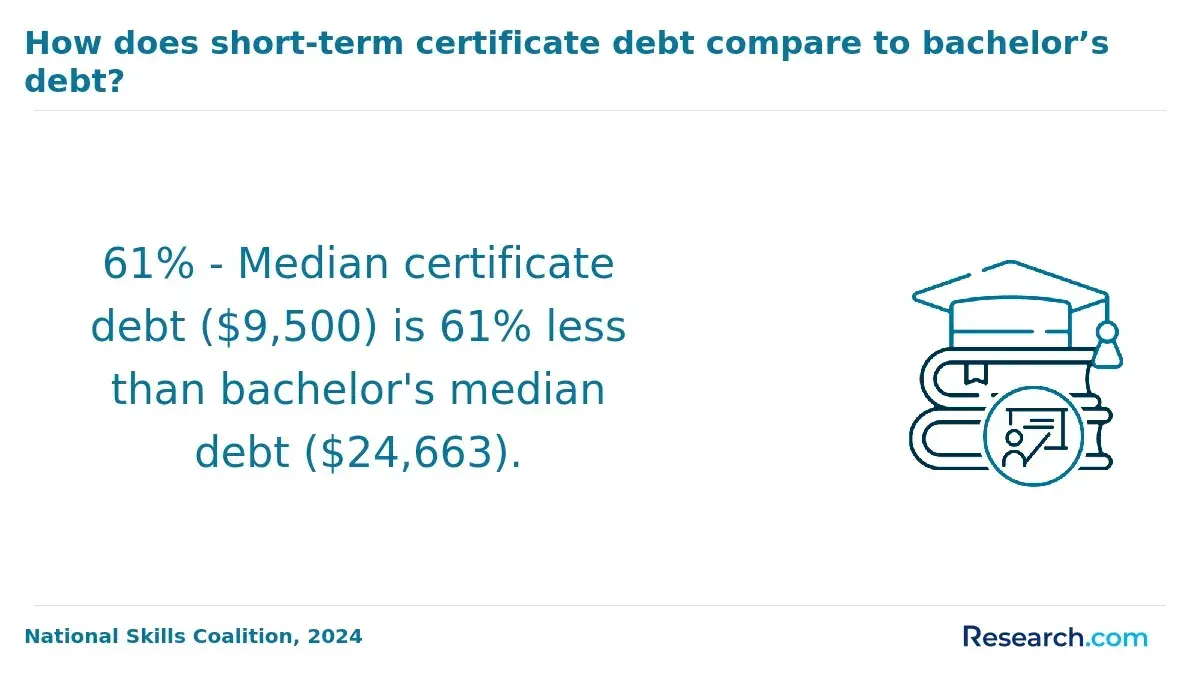
Small business owners and aspiring founders must weigh the tangible return on investment when selecting online entrepreneurship degrees. The average total tuition for a four-year online business bachelor's degree is approximately $42,000, considerably lower than the $68,000 typical for in-person programs, creating a significant cost advantage for budget-conscious students. However, cost savings can be negated if the program lacks depth in entrepreneurship-specific training, such as risk management, startup financing, and digital marketing-skills critical for navigating early-stage challenges and scaling effectively.
Programs emphasizing applied projects and lean startup methodologies better prepare students to launch scalable ventures, especially in e-commerce or tech sectors. In contrast, general business degrees without an entrepreneurship concentration tend to fall short in addressing the unique demands of small enterprise creation and sustainable growth. Community college associate degrees or certificates can reduce upfront investment and time-to-completion but often miss comprehensive strategic business management, which may limit long-term progression for owners aiming for expansion.
Employers and investors now emphasize practical competencies, networking, and mentorship over institutional prestige. Therefore, students evaluating the best online entrepreneurship degrees for small business owners should prioritize experiential learning and industry alignment. For those seeking advanced study options, evaluating options among AACSB accredited online MBA programs can also inform cost-benefit analyses and skill acquisition tailored to entrepreneurial ambitions.
The top entrepreneurship degree programs for aspiring small business owners balance curriculum relevance, affordability, and flexible delivery models to meet diverse resource constraints and career objectives.
How can I tell if an online entrepreneurship program is properly accredited and reputable?
Verifying how to verify online entrepreneurship degree accreditation requires scrutiny beyond official listings. Degrees from unaccredited programs often result in limited employer recognition and restricted access to further academic opportunities, which can stall career pivots or business expansion. Genuine accreditation comes from recognized regional or national bodies approved by the U.S. Department of Education or the Council for Higher Education Accreditation.
Assessing a program's real-world impact means examining outcomes like graduation rates and employment statistics in relevant small business or startup roles. Programs that do not transparently report these metrics often fall short on practical value, especially given that 26% of U.S. undergraduates studied exclusively online recently, reflecting the variable quality in the market.
Course content must align with your industry context. For instance, digital marketers need curricula prioritizing digital business models and client acquisition, while local retail entrepreneurs benefit from focused training in supply chain management and community engagement. Generic programs without such tailoring frequently fail to deliver applicable skills.
Faculty qualifications play a significant role. Instructors actively engaged in startups or advisory roles bring insights that transcend theory, enhancing graduate employability. A lack of faculty industry experience often signals weaker career transferability.
Practitioners evaluating options should prioritize programs addressing these factors. For certain fields requiring industry-specific trajectories, such as construction management, comparative research can uncover better-suited online degrees like a construction management online degree to complement entrepreneurial ambitions.
Checking these elements-accreditation, verifiable outcomes, tailored curriculum, and qualified faculty-helps identify reputable programs aligned with strategic career objectives and practical growth requirements.
What courses and skills are typically included in an online entrepreneurship curriculum?
Entrepreneurship curricula prioritize practical competencies aligned with immediate business challenges, balancing broad management knowledge and targeted specialization. Core coursework covers strategic planning, financial management, marketing, and operations-equipping students with capabilities for cash flow oversight, budgeting, and inventory control. A significant focus on opportunity recognition trains students to identify market gaps or pivot existing models, a necessary skill given how swiftly business landscapes evolve.
Leadership and organizational behavior instruction addresses negotiation, team-building, and conflict resolution, essential for small business governance where roles often overlap. Legal frameworks are integrated to clarify risk management, intellectual property, and contract considerations, which are frequent pain points for startups and growing firms.
Scenario-based learning sharpens the application of theory to industry-specific demands: a restaurateur must master supply chain logistics and regional marketing, while a tech founder's path emphasizes venture capital acquisition and agile iteration. Business analytics training fosters the interpretation of market data, increasingly demanded by employers to support evidence-based strategies.
Employers value graduates who can balance generalist management skills with deep industry insights suitable for the venture's life stage. According to a Poets&Quants 2025 survey, 83% of full-time MBA graduates in entrepreneurship intend to launch ventures within three years, reflecting curricula focused on actionable business launch readiness rather than abstract theory.
What are the typical admission requirements for online entrepreneurship bachelor's and master's programs?
Admission to online entrepreneurship bachelor's and master's programs requires more than transcripts; it signals practical readiness for dynamic business roles. Bachelor's programs generally expect a high school diploma with a GPA around 2.5 to 3.0, alongside personal statements and letters of recommendation that demonstrate entrepreneurial intent. Some also require foundational business or math courses, but many accommodate beginners through coursework integrated within the program.
Master's applicants must hold an accredited bachelor's degree with a minimum GPA near 3.0 and often present at least two years of relevant entrepreneurial or leadership experience. GRE or GMAT requirements vary, with some programs waiving them for applicants with strong professional backgrounds or advanced degrees. Essays and references focus on strategic thinking and innovation capacity, mirroring employer expectations for advanced problem-solving and risk management.
Financially, the cost per credit is a critical factor, especially for working professionals funding their education independently. According to Learn.org's 2026 data, public online bachelor's entrepreneurship tuition ranges from $300 to $700 per credit, with choices at the lower end potentially reducing total costs by over $20,000. This burden shapes application decisions and long-term return on investment.
Complete applications also demand digital portfolios or business plans that align coursework with practical industry applications in sectors such as technology and retail. This practical evidence is not merely bureaucratic; it affects chances of admission and postdegree employability by demonstrating a candidate's ability to translate theory into actionable ventures.
How long do online entrepreneurship degrees take, and what do they usually cost?
Choosing the right entrepreneurship education requires balancing program length, cost, and employer expectations for strategic skills. Nearly 85% of employers surveyed prioritize strategic thinking and an entrepreneurial mindset, suggesting that surface-level or short-term training often falls short of practical workforce demands.
Programs range widely: certificates take under two years and typically cost less than $10,000, suiting professionals who need quick skill gains like innovation focus but may lack comprehensive leadership preparation. Bachelor's degrees, spanning roughly four years with $15,000 to $50,000 total tuition, provide a broader business foundation combined with entrepreneurial practices, which may appeal to those seeking foundational knowledge and time to develop a venture. Master's degrees-commonly 18 to 24 months costing $20,000 to $70,000-emphasize leadership and venture management and often deliver more specialized resources valuable for scaling or investor relations.
Considerations for working professionals include:
- The need for applied strategic skills over theoretical knowledge.
- Time and budget constraints balanced against career goals.
- Format flexibility, such as accelerated or part-time online options, that enable steady skill acquisition alongside ongoing work.
For instance, a retail small business owner seeking a rapid pivot into innovation might choose a focused certificate, while a founder targeting venture growth and investor confidence may find a master's-level program more aligned with those objectives.
What careers, roles, and business opportunities can an online entrepreneurship degree support?
Holding an online entrepreneurship degree positions professionals to navigate complex, real-world business challenges beyond typical startup advice. For example, a graduate might develop a scalable plan for a niche e-commerce brand while simultaneously leading growth strategies in a manufacturing firm, demonstrating adaptability across industries. This degree's practical value lies in combining financial literacy, market analysis, and leadership skills that employers increasingly expect in roles like venture analyst or innovation specialist.
The curriculum equips small business owners and consultants with tools to address persistent operational issues such as cash flow constraints, regulatory compliance, and targeted digital marketing, which directly impact sustainability. Yet, the tradeoff for prospective students is choosing between comprehensive accredited programs and more accessible but limited MOOCs or bootcamps. While MOOCs exceed 220 million global learners, accredited degrees offer deeper curriculum, validated credentials, and stronger career support crucial for leadership-track roles requiring recognized qualifications.
Graduates frequently extend their expertise to fields underserved by standard business programs: franchising, social entrepreneurship, or intrapreneurship within corporations. These applications benefit from specialized training in risk evaluation and business law, preparing them for strategic decision-making positions.
- Accredited degrees demand higher time and financial investment but yield credentials valued by employers.
- Short courses may aid immediate skill acquisition but rarely substitute for leadership qualifications.
- Versatility in career outcomes reflects the degree's focus on practical management combined with innovation.
What salary ranges and income potential can small business owners expect with this degree?
Small business owners holding an online entrepreneurship degree often face income outcomes closely tied to industry focus, capital accessibility, and geographic factors. Reported annual earnings typically range from $50,000 to $110,000, with those in technology services or consulting sectors trending toward the higher end, while retail and food-oriented businesses generally report lower initial revenues.
Funding disparities notably impact growth trajectories. Women-owned businesses comprise 39% of all U.S. enterprises but receive only about 2% of venture capital funding, which creates structural barriers that often limit income ceilings. Entrepreneurs lacking external investment must rely on bootstrapping, which frequently suppresses revenue growth, aligning earnings near the self-employed median wage of about $58,000.
Effective use of online platforms can alter this dynamic by minimizing overhead and leveraging affordable digital marketing. For example, a graduate launching an e-commerce brand might achieve roughly $75,000 in annual income by the second year through streamlined supply chains and targeted advertising. In contrast, traditional brick-and-mortar startups encounter higher fixed costs, which often cap profitability.
Graduates should weigh tradeoffs involving education cost, time invested, and realistic income expectations. Programs offering mentorship and connections to funding can help mitigate capital constraints, increasing the likelihood of surpassing $100,000 in income. Adaptation to digital market shifts and thoughtful geographic targeting remain critical to sustaining growth beyond initial startup phases.
How should small business owners choose the best online entrepreneurship program for their goals?
Choosing an online entrepreneurship program requires deliberate alignment with the specific demands of one's industry and longer-term career goals rather than defaulting to generalized business education. For instance, a retail founder benefits from coursework in supply chain logistics, while a tech startup founder needs digital marketing and growth strategies. Accreditation and faculty credentials matter significantly-institutions embedded within active entrepreneurial networks or led by instructors with direct startup experience tend to provide more valuable mentorship and practical insights.
Flexible scheduling is not merely a convenience but a necessity for business owners balancing ongoing operations. Programs offering asynchronous or part-time formats help mitigate opportunity costs by allowing study without sacrificing critical business hours, a frequent barrier for emerging firms.
Experiential components such as market validation projects or funding simulations translate theory into actionable skills investors respect. The 2024 U.S. Census Bureau and MIT Startup Cartography data confirm college-educated entrepreneurs aged 27 to 35 scale ventures 2.5 times more effectively, emphasizing programs focused on growth capabilities instead of solely foundational knowledge.
When comparing options, owners must weigh tuition against tangible benefits like mentorship from industry veterans and transparent graduate employment or funding outcomes. For example, restaurateurs choosing between an MBA and an entrepreneurship-specific program should prioritize mentorship with food industry founders to optimize operational improvements or prepare for an exit. Aligning educational pathways with explicit objectives, whether pivoting industries or scaling rapidly, ensures credentials yield meaningful competitive advantage rather than diluted credentials.
Other Things You Should Know About Entrepreneurship
In 2027, online entrepreneurship programs often offer support services such as mentorship, career counseling, and access to entrepreneurial networks. These services help small business owners enhance their skills and apply their learning directly to their businesses.
Prospective students must typically have a high school diploma or equivalent for enrolling in a 2027 online entrepreneurship degree. Some programs may require prior coursework in business or a minimum GPA, which varies by institution. Always verify specific prerequisites with chosen schools.
Most online bachelor’s degrees in entrepreneurship require about 120 credit hours, while online master’s programs usually need 30 to 36 credit hours. Programs built for working owners often let students transfer up to 90 credits from prior college work.
Small business owners should consider programs offering virtual networking events, collaborative projects, and mentorship opportunities with industry experts. These can provide valuable contacts and insights, essential for growing their business while studying.
References
- 6 Reasons an Online MBA in Entrepreneurship Will Boost Your Career https://www.onlinecu.in/blog/cu/6-reasons-an-online-mba-in-entrepreneurship-will-boost-your-career.php
- Accredited Online Courses: How to Pick Programs That Actually Count https://www.upskillist.com/blog/accredited-online-courses-how-to-pick-programs-that-actually-count/
- Accreditation Office Hours https://acbsp.org/
- The Top 15 Online Business Courses for Entrepreneurs https://www.ussfcu.org/media-center/small-business-corner/small-business-blog-detail.html
- Master’s Degree Program https://moderna.edu.pl/majors/management/master-of-management/startup-and-entrepreneurship-management/
- Intro to Entrepreneurship Syllabus & Instructor Guide for College Courses https://teachingentrepreneurship.org/intro-to-entrepreneurship-syllabus-and-instructor-guide/
- 11 Best Degrees for Entrepreneurs: Choose Your Path https://potomac.edu/best-degrees-for-entrepreneurs/
- How to become an entrepreneur | edX https://www.edx.org/become/how-to-become-an-entrepreneur
- Entrepreneurship for Small Businesses | Free Online Course | Alison https://alison.com/course/successful-entrepreneurship-for-small-businesses
- Best Online Entrepreneurship Certificate Programs: 3 Free Courses - HOPE2Women https://hope2women.org/best-online-entrepreneurship-certificate-programs-3-free-courses/