2027 Online Entrepreneurship Degrees With Product Innovation Career Alignment

Co-Founder and Chief Data Scientist
Many aspiring entrepreneurs confront the dilemma of acquiring specialized knowledge without sacrificing current job responsibilities or personal commitments. According to the National Center for Education Statistics, over 40% of online degree seekers in 2024 are adult learners prioritizing flexible schedules over traditional campus attendance. This shift reflects deeper constraints: career changers and innovators need programs that integrate product innovation insights with practical entrepreneurship frameworks without demanding full-time enrollment. Navigating these trade-offs influences not only admission choices but also long-term employability in competitive markets.
This article evaluates online entrepreneurship degrees aligned with product innovation careers to support strategic program selection grounded in real-world outcomes.
Key Things You Should Know
- The median time-to-degree for online entrepreneurship programs with product innovation focus exceeds 2.5 years, elevating opportunity costs by over 15% compared to in-person alternatives, per the National Center for Education Statistics 2024.
- Employers increasingly prioritize demonstrated project outcomes over credentials; 68% of innovation-driven startups report candidate evaluation stresses on tangible product development experience, influencing curricular relevance.
- Programs emphasizing product innovation demand higher upfront tuition-averaging $18,500 nationally-prompting candidates to assess ROI against sector entry salaries, which cluster near $58K median first-year earnings according to Bureau of Labor Statistics 2024.
What is an online entrepreneurship degree with a product innovation focus, and who is it best for?
Degrees in online entrepreneurship with a product innovation focus prepare students to lead product strategy by blending core entrepreneurial skills with hands-on design thinking, prototyping, and product lifecycle management. This approach is especially effective for professionals pivoting from technical roles into product management within startups or manufacturing sectors where rapid iteration and agile business models dominate. For instance, engineers moving into product roles gain a competitive edge by understanding both development and commercialization.
Those pursuing online entrepreneurship degree programs focused on product innovation career paths should weigh the program's demand for self-driven work, creative ideation, and cross-disciplinary collaboration against their career goals; traditional corporate trajectories may not align well with this specialization. Graduates can expect skillsets tailored to innovation-driven roles emphasizing creative problem-solving and risk management rather than conventional business administration.
Labor market data from the National Association of Colleges and Employers reported by The American Women's College (Bay Path University, 2024) show that entrepreneurship graduates in entrepreneurial and small business operations achieve an 81.2% rate of full-time employment or continued education within six months, with a mean starting salary of $50,821. Practical considerations include reliable internet access for remote study and programs offering mentorship or experiential projects that bridge theory with real-world product development.
Choosing a program involves scrutiny of experiential components and alignment with emerging employer expectations in innovation sectors. For those evaluating degree timelines and formats, consulting resources like the shortest MBA program options can help balance educational investment with career timing. The best online entrepreneurship degrees for product innovation and startup success integrate strategic frameworks with applied learning to meet these complex workforce demands.
How do online entrepreneurship degrees compare with campus programs for product innovation training?
Choosing between online entrepreneurship degrees and campus programs for product innovation hinges on tangible differences in experiential learning and professional integration. Campus programs embed physical prototyping labs and direct peer collaboration, essential in industries like hardware manufacturing or biotech where hands-on experimentation accelerates mastery. Online entrepreneurship courses for product innovation training, meanwhile, prioritize flexibility, catering to working professionals making mid-career pivots. This format suits software or digital product innovation sectors where virtual tools and mentorship replicate real-world challenges effectively.
Employers increasingly accept online credentials if candidates present robust portfolios with demonstrable innovation outcomes. To offset gaps in campus-like resources, online students must proactively engage in virtual internships or local maker spaces. Campus offerings often incorporate these opportunities systematically, speeding readiness for innovation management roles. The decision should align with individual aims and industry demands; for example, advanced materials development still requires campus access due to its experimental depth.
In market terms, innovation managers earn an average of $212,172 annually with nearly 10% job growth through 2030, according to a 2025 ROI projection by AllBachelorDegrees.com. Practical training that translates directly to these roles holds greater career impact than education mode alone.
For prospective students weighing options, examining degree structures comparable to MBA no gre programs may offer insight into flexible, outcome-focused pathways.
Which accreditations should online entrepreneurship programs have to be recognized by employers and schools?
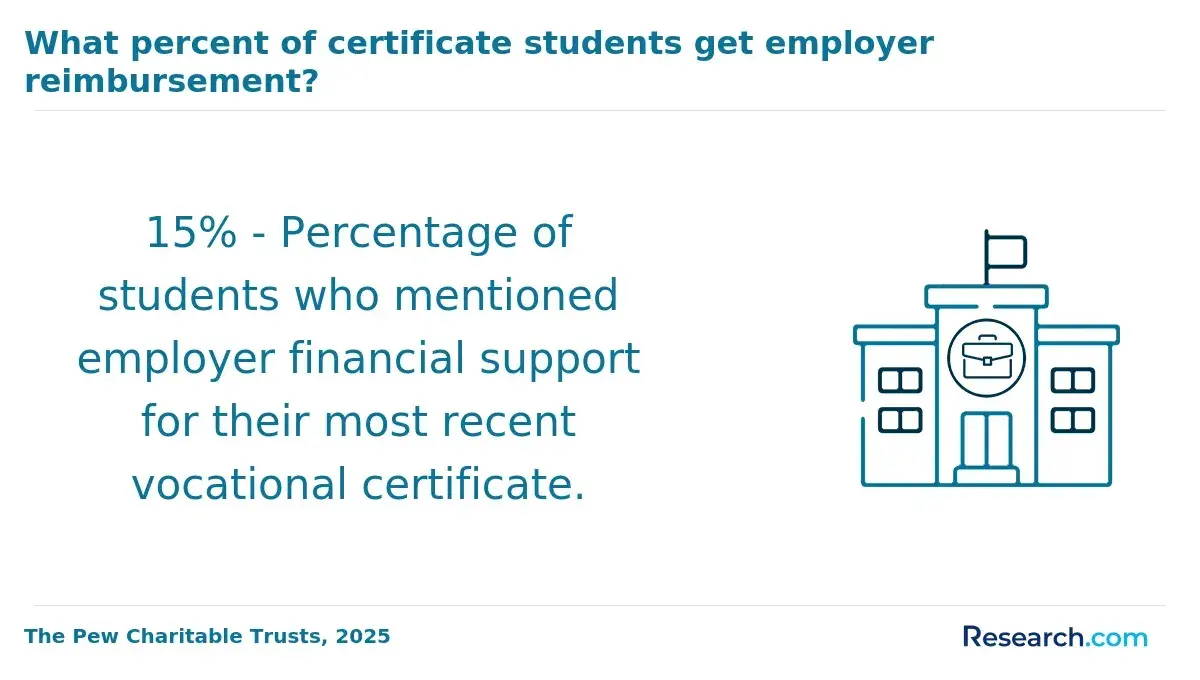
Regional accreditation by recognized agencies such as the Higher Learning Commission (HLC), Middle States Commission on Higher Education (MSCHE), or the Southern Association of Colleges and Schools Commission on Colleges (SACSCOC) is essential for any recognized online entrepreneurship program accreditations to hold weight with employers and academic institutions. These accreditations ensure that credits transfer appropriately, federal aid eligibility is maintained, and graduate programs accept the degree. Specialized accreditations from the Accreditation Council for Business Schools and Programs (ACBSP) or the Association to Advance Collegiate Schools of Business (AACSB) further validate a program's curriculum relevance and faculty expertise targeted at entrepreneurial and product innovation roles.
Employers often prioritize candidates from accredited programs because these credentials correlate directly with updated skill sets and comprehensive curricula tailored for innovation-driven positions, especially in sectors like software, manufacturing, or consumer goods product development. Graduates from unaccredited programs face longer payback periods on their degrees-ranging from 5 to 10 years-with average tuition costs near $46,212.50 and starting salaries around $55,000, according to 2025 ROI data from AllBachelorDegrees.com. For professionals pivoting into technology entrepreneurship, proven accreditation signals transferable skills over mere credentialing, alleviating employer hesitancy and promoting career mobility.
Prospective students should confirm institutional accreditation status via the U.S. Department of Education and ensure the program's business or entrepreneurship specialization is reviewed by relevant national or discipline-specific agencies. Neglecting this step risks wasted investment and diminished employability. Prioritizing programs with continual accreditation reaffirmation and clear graduate outcomes linked to product innovation is crucial for sustainable career impact. For guidance on cost-conscious options within this framework, consider the cheapest AACSB online MBA.
What courses and specializations are typically included in an online entrepreneurship and product innovation curriculum?
Programs focused on online entrepreneurship degree courses and product innovation actively address the challenge of aligning academic content with startup realities. Core curricula typically revolve around lean startup principles, business model innovation, and market discovery, essential to reducing risks during initial venture phases. Students specializing in product innovation and business specialization programs engage with market research, financing methods such as venture capital and crowdfunding, and legal frameworks vital to technology commercialization.
These programs often require hands-on work through capstone projects or incubator collaborations, where students manage fluctuating timelines and pivot strategies, reflecting genuine startup dynamics. For example, a student in consumer technology innovation might collaborate on prototype development, incorporating iterative feedback aligned with agile practices. This pragmatic angle contrasts with abstract theoretical instruction, thereby better preparing graduates for entrepreneurial pressures.
Employer expectations favor candidates combining business acumen with product expertise, reflected in 2025 ZipRecruiter data showing U.S. entrepreneurs earn an average annual income of $81,729, with a significant portion exceeding $69,500. Such data underscore the tangible returns of programs integrating operational skills and market awareness.
Prospective students should weigh practical outcomes against the demands of venture management, including financial and intellectual property complexities. Those considering related fields might explore options like a construction management degree online accredited for alternative paths in entrepreneurial industries.
What are the typical admission requirements for online entrepreneurship degrees focused on product innovation?
Admission criteria for online entrepreneurship degrees centered on product innovation tend to weigh professional experience as heavily as academic credentials. While a bachelor's degree, commonly in business, engineering, or technology fields, is a baseline requirement, programs increasingly emphasize 2-3 years of relevant industry experience tied to product development or innovation management. This alignment with employer expectations-especially given projected 6% growth for innovation-driven executive roles over the next decade-signals the practical necessity of validated workplace skills alongside academic readiness.
Standardized tests like the GRE or GMAT are often optional or waived when candidates have proven professional impact. But personal statements and recommendation letters remain decisive, prioritizing demonstrated leadership, measurable project outcomes, and sustained commitment to innovation dynamics. Applicants without direct product innovation exposure face a higher barrier, often needing to present portfolios or supplementary coursework to bridge skill gaps.
This balance of academic rigor and applied expertise reflects workforce realities: graduates must not only understand interdisciplinary theory but also execute complex product strategies in competitive industries such as tech and digital markets. Candidates must carefully consider if their profile matches this dual expectation or if additional preparation is necessary to avoid setbacks in admission or professional transition.
How long do online entrepreneurship degrees take, and what do they cost from start to finish?
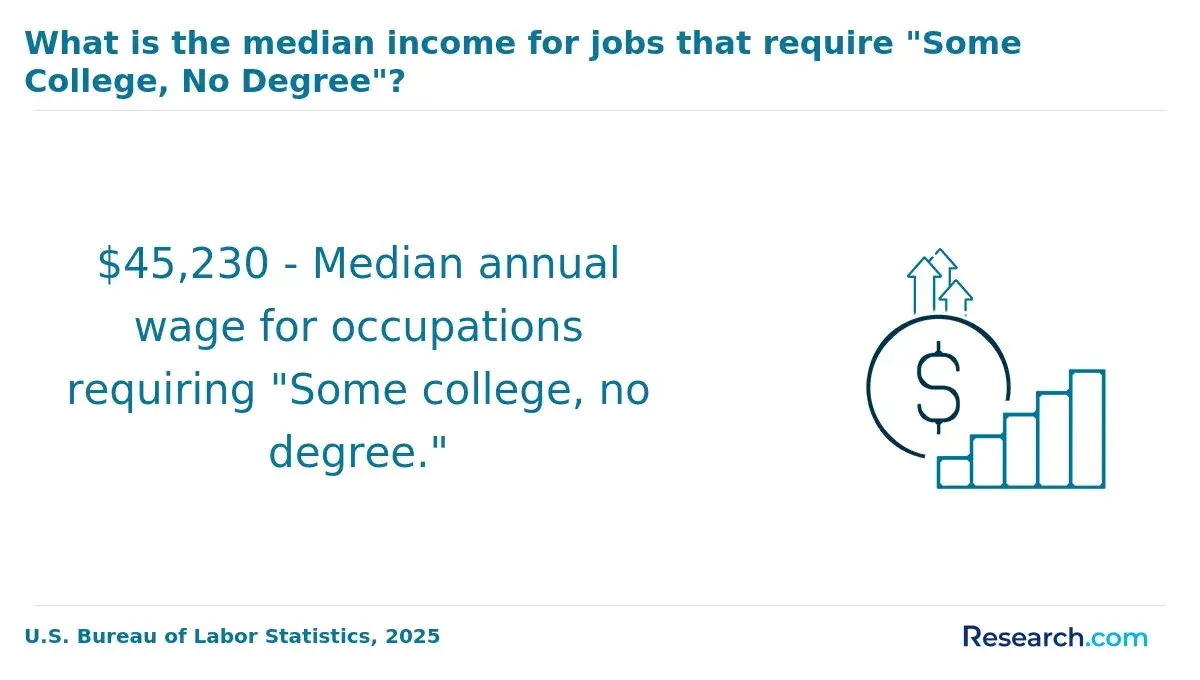
Choosing an online entrepreneurship degree requires weighing time investment against tangible career returns. Associate degrees typically span 2 years and are suitable for individuals seeking foundational skills quickly, while bachelor's programs extend from 3 to 4 years with deeper focus on product innovation and business strategy. Accelerated tracks can shorten these timelines but demand rigorous self-discipline, making them less practical for working professionals balancing multiple commitments.
Cost remains a significant factor, ranging from approximately $15,000 to over $60,000 depending on public or private institutions and credit-hour pricing, often between $300 and $700 per credit. Additional expenses like fees, technology, and textbooks must be accounted for. Benefits such as employer tuition reimbursement or specialized scholarships-particularly those supporting women entrepreneurs-can offset costs strategically, especially considering women's growing entrepreneurship footprint quantified by The American Women's College data.
Program structure also influences outcomes. Curricula integrating applied projects aligned with product innovation enhance employment readiness but tend to lengthen completion time due to capstone demands. Part-time enrollment increases scheduling flexibility but extends tuition accrual and duration, highlighting a tradeoff between immediate accessibility and overall financial/temporal expenditure. Prospective students should rigorously assess financial aid options, true return on investment, and employer network strength within program choices to align education with evolving market realities.
What careers can you pursue with an online entrepreneurship degree in product innovation?
Entrepreneurship degrees emphasizing product innovation train professionals to navigate the ambiguity of market demands while managing internal tradeoffs such as risk tolerance, resource limitations, and stakeholder alignment. A product manager in a technology firm, for instance, must integrate user feedback with engineering constraints to prioritize features that foster adoption and revenue growth. This balancing act requires more than creativity-it demands strategic execution skills and cross-functional leadership.
Employers increasingly seek candidates who demonstrate entrepreneurial confidence and measurable innovation outcomes, not just theoretical knowledge. A 2024 Entrepreneurship Training Program revealed participants' entrepreneurial confidence rose markedly-from 5.09 to 5.51 on a 7-point scale-with women showing an even sharper increase. This shift evidences growing readiness to make decisions under uncertainty, a core competency in dynamic industries.
Graduates must also adapt to diverse contexts, from manufacturing's product lifecycle stewardship to software startups' rapid iterations using agile methodologies. Practical career advancement requires hands-on experience with project execution and innovation ecosystems that reinforce skills in design thinking, data analytics, and digital marketing-tools imperative for influencing product trajectories in volatile markets.
The strategic choice of degree programs should center on curricula offering applied project work and connections to relevant industry networks, as these components critically enhance employability prospects and real-world capability development.
What salary ranges and earning potential are common for product innovation and entrepreneurship roles?
Salary ranges in product innovation and entrepreneurship vary significantly based on industry and experience, with entry-level roles starting near $60,000 and senior positions exceeding $130,000 annually. For example, management analysts-a common career outcome for entrepreneurship graduates-earn an average of $101,190 per year, with a projected job growth of 9% through 2030, indicating steady demand for skills in consulting and innovation strategy.
Industry context influences compensation; technology and healthcare sectors often pay 15-25% above average due to heavy R&D and fast product cycles, whereas smaller startups and non-profits start lower, usually between $55,000 and $75,000, often compensating with equity or flexible benefits. This disparity underscores the importance of aligning sector choice with financial goals and risk tolerance.
Mid-career professionals who combine entrepreneurship expertise with analytical skills typically move into innovation management or business development roles, earning between $90,000 and $140,000. Advanced certifications or degrees can enhance negotiability in specialized consulting fields.
Students should weigh the income variability and risk common in early-stage entrepreneurial ventures against long-term growth prospects. Employers value measurable project outcomes and leadership that translate innovation into revenue, making practical experience critical for surpassing median salary thresholds.
What is the job outlook for entrepreneurs and product innovation professionals in the United States?
Employment growth for entrepreneurship and product innovation roles is expected to mirror the broader business sector's 7% increase through 2031. However, landing these positions depends less on formal degrees and more on proven innovation skills and relevant experience. For example, a healthcare tech entrepreneur faces complex regulatory hurdles and must combine product innovation with domain expertise and network connections. In contrast, those focused on consumer goods must excel in rapid prototyping and agile iteration, as employers prioritize candidates who can accelerate time-to-market.
Financial considerations are significant, with annual tuition at top U.S. entrepreneurship programs ranging from about $11,235 at the University of Houston to $68,240 at Washington University in St. Louis. Given this range, prospective students should weigh return on investment carefully, recognizing that employers are increasingly valuing demonstrable project outcomes, startup traction, and leadership in innovation over institutional prestige alone.
Success in this field typically requires supplementing education with internships, participation in accelerator programs, and tangible innovations that solve real industry problems. Employment patterns also vary by sector: software product innovators generally find faster hiring opportunities than hardware developers due to differing capital and development timelines.
How can prospective students evaluate and choose a reputable online entrepreneurship program in product innovation?
An online entrepreneurship program centered on product innovation must be evaluated for tangible outcomes and alignment with current industry demands rather than generic curricular claims. Graduates demonstrate higher employability when curricula integrate design thinking, lean startup methods, and product lifecycle management, supported by external accreditation such as AACSB or ACBSP. Without such rigor, program completion alone offers little predictive value for career success.
ZipRecruiter data cited by AllBachelorDegrees.com shows that 44% of U.S. entrepreneurs earn $39,500 or less, whereas 51% earn $69,500 or more, underscoring wide income variability. Students balancing employment or family responsibilities require programs offering flexible schedules and asynchronous learning without sacrificing faculty expertise and peer interaction-especially in product innovation specialties like prototyping and user experience.
Practical training through mentorships and partnerships with industry incubators can significantly influence graduates' ability to attract startup funding and employer interest. Candidates pursuing tech product development should prioritize access to sector-specific innovation resources over generalized entrepreneurship curricula.
Lastly, programs must demonstrate ongoing curriculum updates informed by authoritative research and market trends to maintain relevance amid rapid innovation cycles. This strategic vigilance mitigates the risk of investing in outdated skills that hinder long-term earning potential and adaptability in a volatile entrepreneurship economy.
Other Things You Should Know About Entrepreneurship
Employer respect varies significantly by program reputation and curriculum rigor rather than delivery method. Employers prioritize graduates who demonstrate practical skills and successful project outcomes over whether a degree is online or on-campus. When choosing an online entrepreneurship program, prioritize schools with measurable business partnerships or experiential components that replicate in-person networking and real-world challenges.
Online entrepreneurship programs require greater self-discipline and time management since students balance asynchronous coursework with personal and professional responsibilities. Unlike campus formats, students may encounter fewer live interaction requirements but face stringent deadlines that accumulate. Candidates should assess their ability to work independently and maintain steady progress, as procrastination can severely impact completion times and mastery of entrepreneurial skills.
Programs emphasizing product innovation suit students targeting manufacturing, design, and physical product development careers because they integrate technical design, prototyping, and market testing with business strategy. For service or software startups, the return on focused product innovation coursework diminishes and may extend time-to-value. Prioritize curricula that include hands-on labs or real-world product challenges to align with physical goods startup demands.
Yes, many 2027 online entrepreneurship programs are fully remote, with lectures, assignments, and team projects completed through a learning platform. Some schools still require a short in-person residency, final presentation, or capstone defense, so the program format should be checked before enrolling.
References
- Product Manager Salary Range: A Guide to Compensation by Level https://landing.underdog.io/blog/product-manager-salary-range
- 5 Excellent Online Courses for Entrepreneurs | LivePlan https://www.liveplan.com/blog/starting/free-online-entrepreneurship-courses
- More than half of all entrepreneurs expect to create jobs in the next five years https://gemconsortium.org/news/More%20than%20half%20of%20all%20entrepreneurs%20expect%20to%20create%20jobs%20in%20the%20next%20five%20years
- Entrepreneurship | Duties, Job Skills, and Career Paths | edX https://www.edx.org/resources/is-a-masters-in-entrepreneurship-worth-it
- The Innovation Job Market in 2026: What 420 Postings Tell Us https://axialsearch.com/insights/innovation-jobs/
- Online Master's in Entrepreneurship and Innovation | RBS https://romebusinessschool.com/master-online-in-entrepreneurship-and-innovation/
- Msc in Innovation and Entrepreneurship https://www.hec.edu/en/executive-education/msc-innovation-and-entrepreneurship
- Free Online Education to Start Your Own Business https://www.scu.edu/mobi/
- Product Manager | Jobs | Salary | Job Description https://www.intelligentpeople.co.uk/product-manager-jobs-vacancies/
- Master's Degree in Entrepreneurship and Innovation | EIT Deep Tech Talent Initiative https://www.eitdeeptechtalent.eu/courses/masters-degree-in-entrepreneurship-and-innovation/