2027 Entrepreneurship Careers That Reward Strong Sales Skills

Co-Founder and Chief Data Scientist
Securing a foothold in entrepreneurship careers increasingly hinges on mastering sales skills amid intensifying market competition and shorter product life cycles. As reported by the National Center for Education Statistics, adult learner enrollment in career-focused programs grew 12% last year, signaling a shift toward flexible education that matches workforce demands. This trend reveals that prospective entrepreneurs must weigh program accessibility alongside skill relevance to leap into roles that reward direct revenue impact. The rise of remote and hybrid business models further raises the stakes for self-driven sales competencies. This article outlines entrepreneurship career paths that leverage strong sales skills and offers strategic insights to navigate educational and practical choices effectively.
Key Things You Should Know
- Sales-driven entrepreneurship ventures show 27% higher initial capital efficiency per National Bureau of Economic Research 2024, demanding rigorous early customer validation to avoid pivot costs and wasted resources.
- Employers reward entrepreneurs with demonstrable sales growth metrics; according to LinkedIn Economic Graph, 63% prioritize revenue traction over team size, challenging founders to balance scaling speed with sustainable customer acquisition.
- Formal sales training investments average $7,500 annually per Entrepreneurial Workforce Report 2024, creating significant upfront access barriers that can delay time-to-market and skew founder demographics toward higher-capital backgrounds.
What entrepreneurship careers rely most on strong sales skills and daily customer interaction?
Entrepreneurship careers demanding strong sales skills and daily client engagement reveal significant operational tradeoffs that influence long-term success. Inside sales entrepreneurs, relying on persistent virtual negotiations, face pressure to convert leads without face-to-face contact. This segment commonly earns an average of $70,000 base pay plus $36,000 in commission, a compensation structure that underscores the financial impact of mastering remote client communication.
Retail business owners navigating frequent face-to-face customer interaction must juggle sales, marketing, and service roles simultaneously, requiring agile problem-solving. The necessity to build trust through direct engagement contrasts sharply with inside sales roles, reflecting different but complementary skill sets within entrepreneurship careers with strong sales and customer interaction.
Direct sales consultants operate in a high-rejection environment where income directly tracks conversion rates, demanding resilience and refined persuasive techniques. Meanwhile, service-based entrepreneurs like personal trainers depend on consultative sales tactics, balancing client retention with upselling opportunities.
Challenging realities include time management between prospecting and servicing clients and maintaining motivation amid income variability. The most effective preparation integrates hands-on sales scenarios and CRM tool proficiency to optimize performance analytics. Prospective entrepreneurs evaluating these paths should explore the best MBA for entrepreneurship programs for structured enhancement of these competencies aligned with market demands.
These practical insights offer a nuanced perspective on the best entrepreneurship jobs requiring daily client engagement, emphasizing real-world applicability over generic academic framing.
How do sales-driven entrepreneurship roles differ from traditional sales jobs in companies?
Sales-driven entrepreneurship roles impose operational demands that sharply contrast with traditional sales jobs. Unlike sales representatives who execute predefined tasks within structured systems, entrepreneurs take full ownership of revenue generation, including strategy development, customer pipeline creation, and personalized value formulation. For example, a sales entrepreneur launching a consulting firm must independently manage prospecting, pricing, and contract negotiations, demonstrating the skills required for entrepreneurship careers versus corporate sales jobs.
This expanded scope introduces complex challenges such as managing extended sales cycles in B2B settings and navigating multiple stakeholders. According to SPOTIO's 2026 survey of sales professionals closing deals above $10,000, high-ticket entrepreneurial sellers average $129,000 annually, with elites exceeding $250,000-illustrating the financial upside balanced by substantial negotiation and problem-solving demands.
Operational complexity also involves cash flow volatility and comprehensive administrative responsibilities like compliance and contract drafting, tasks typically delegated in corporate roles. This reality highlights the tradeoff between income potential and increased managerial burden entrepreneurs face, emphasizing the need for self-discipline and multifaceted skills often underemphasized in standard sales training.
Individuals assessing entrepreneurial sales pathways should consider programs that integrate sales, marketing, and business management to address these broader competencies effectively. Those interested might explore MBA no gre options tailored to this holistic skill set.
What education or training best prepares you for entrepreneurship that depends on selling?
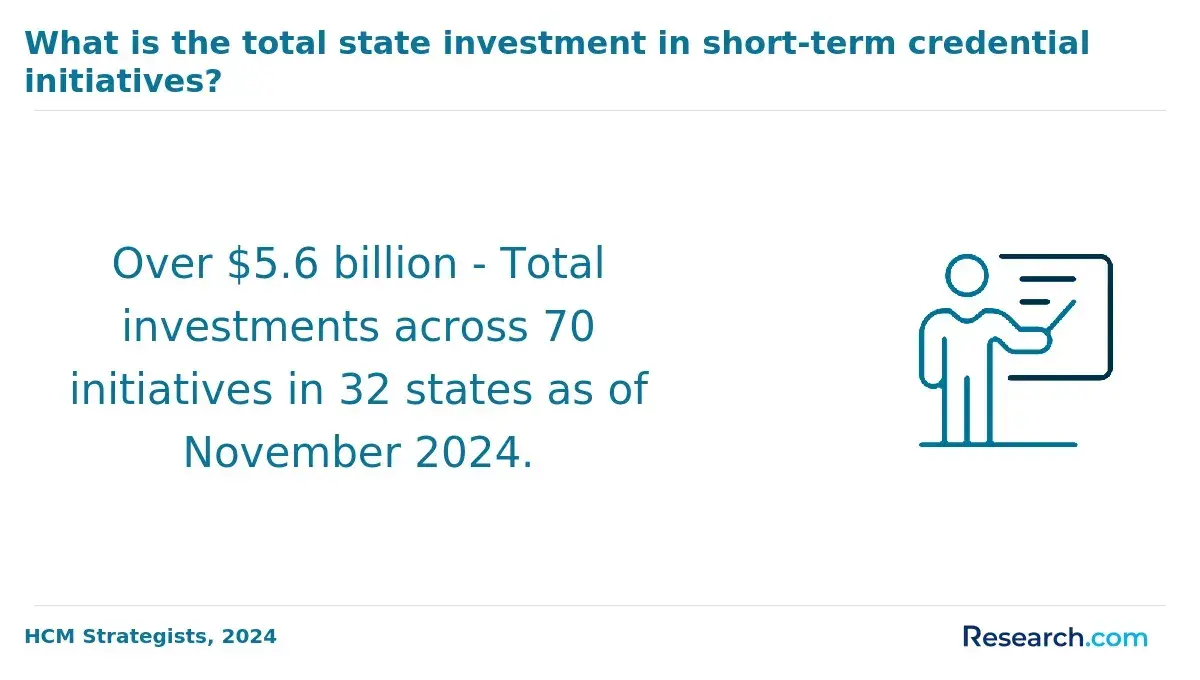
Effective entrepreneurship sales training programs must balance practical sales experience with industry-specific product knowledge and market analysis to align with actual employer needs, especially in high-growth sectors like SaaS. For instance, the B2B software sales market is expected to grow from $7.4 billion in 2022 to $31 billion by 2031, illustrating the pressing demand for sales professionals adept in complex product details and lengthy sales processes.
Training blends that integrate internships or partnership projects with coursework in negotiation, customer relationship management, and data-driven sales analytics better equip aspiring entrepreneurs to address real market complexities. Unlike generic degrees, programs emphasizing consultative selling tailor skills for varied sectors such as healthcare or manufacturing technology, where sales approaches differ substantially. Developing these skills supports adaptability essential for sustainable success in entrepreneurship selling.
Tradeoffs exist between extended degree programs and short-term training like bootcamps: the former can delay entry to market, while the latter may sacrifice depth in strategic and analytical capabilities. Employers increasingly prioritize candidates certified in CRM platforms and conversant with SaaS environments, making technical fluency a vital component of skills development for successful entrepreneurship selling. Enhancing analytical skills allows for better pipeline management and conversion rates.
Targeted educational pathways combined with real sales experience align with entrepreneurial realities and market demands. Prospective learners aiming for efficient, cost-conscious options should consider options such as the cheapest executive MBA online programs, which balance affordability with relevant skills acquisition.
Which degrees or certificates support building both entrepreneurial and advanced sales abilities?
Combining formal business education with certifications for entrepreneurial sales skills development leads to measurable advantages in salary and employability but requires careful consideration of time investment and content scope. Bachelor's degrees in business administration with concentrations such as sales, marketing, or entrepreneurship effectively build foundational skills by integrating sales strategy, consumer psychology, and business model innovation. However, these degrees often take 3-4 years plus additional time for specialized certifications like Certified Professional Sales Person (CPSP) or digital marketing certificates, which provide practical experience in lead generation and negotiation.
For instance, technology entrepreneurs who combine business degrees with certifications in SaaS sales methodologies gain an edge by tailoring complex product pitches and closing high-value deals more efficiently. Candidates with both academic credentials and targeted sales certifications tend to command 20%-40% higher starting salaries in entrepreneurial roles, reflecting employer demand for verified sales expertise coupled with strategic business insight.
However, accelerated certificate-only paths focus on sales skill acquisition but risk sacrificing broader entrepreneurial principles that help navigate startup challenges such as funding, operations, and product-market fit. Access to coursework emphasizing data analytics and customer relationship management software is increasingly important, given the rise of data-driven entrepreneurial sales roles.
Amid this environment, the global shift toward performance-based marketing-with spending projected to reach $15.7 billion by 2024-creates expanding monetization channels reliant on entrepreneurial sales talents optimized for digital ecosystems.
Prospective students should also explore options like a fast track construction management degree as complementary paths for strategic career pivots.
How do online entrepreneurship programs compare with campus programs for developing sales skills?
Sales education for entrepreneurs today demands alignment with digital market realities rather than traditional theoretical emphasis. Online entrepreneurship programs outperform campus-based options in equipping learners with social selling techniques critical for 2026, where platforms like LinkedIn contribute to 40% of all B2B deals as reported in Plecto's 2026 sales performance analysis. These courses prioritize practical skills such as personal branding, cold outreach, and CRM usage-competencies that startups and growth-stage companies increasingly require.
In contrast, campus programs provide deeper exposure to foundational sales theories and foster in-person networks, but their slower adaptation to digital sales tools limits their current market relevance. The time and cost commitment of campus programs also pose barriers for working professionals who need expedited skill acquisition.
For example, a software startup founder gains tangible value from online modules involving LinkedIn sales funnels and content-driven lead generation strategies-elements less emphasized in campus curricula. However, online formats often lack robust face-to-face mentorship and may weaken interpersonal skills development unless they incorporate live coaching and peer collaboration.
Employers increasingly prioritize verified sales competencies over formal degrees, underscoring the strategic importance of selecting skill-centric online programs with real-world assignments and industry projects. This shift favors candidates who can demonstrate adaptive digital selling expertise, a vantage well-addressed by specialized online entrepreneurship education.
What core courses help future entrepreneurs master selling, prospecting, and closing deals?
Sales-related coursework in Entrepreneurship curricula must extend beyond theoretical marketing to address tangible sales competencies such as prospecting, negotiation, and closing under pressure. These elements directly influence employability in B2B environments, where sales development representatives (SDRs) control over half of the sales pipeline impact, according to SPOTIO's 2026 data. Without training that sharpens lead qualification and initial outreach, graduates risk being unprepared for the pragmatic demands of fast-paced sales roles.
Role-playing scenarios that simulate objections and deal complexities provide critical experience, particularly for those entering sectors like technology or manufacturing where transaction sizes vary widely. Additionally, integrating data analytics with CRM utilization equips entrepreneurs to make evidence-based pipeline decisions, a necessary counterbalance to intuition-driven approaches often seen in smaller freelance sales operations.
Curricula that embed project-based learning centered on diverse sales channels better align with real-world market differences, such as SaaS versus retail sales dynamics. This contrasts with many marketing programs that overlook such tactical sales training, diminishing direct applicability. Also, flexible client acquisition techniques must be emphasized given how market maturity changes sales strategies in entrepreneurial freelancing.
Students should seek programs providing current SDR productivity benchmarks and exposure to AI-enhanced lead scoring technology. This strategic knowledge generates measurable business development outcomes and positions graduates solidly within the competitive landscape of entrepreneurship-focused sales careers.
What admission requirements and prior experience help applicants stand out for these programs?
Sales expertise within entrepreneurship programs increasingly hinges on verified, measurable outcomes rather than theoretical knowledge alone. Candidates who can demonstrate concrete sales results-such as managing e-commerce platforms or leading customer acquisition initiatives-align better with employer demand for immediate revenue impact. This focus reflects the broader market reality: with global retail e-commerce sales projected to hit $6.95 trillion in 2024, digital sales fluency is no longer optional but essential.
Admissions committees prioritize:
- Hands-on experience with CRM and analytics tools that quantify sales performance
- Documented negotiation or closing success, particularly in B2B or high-value B2C transactions
- Clear evidence of pipeline development and lead generation tracked by performance metrics
- Direct engagement with online marketplaces corroborated by measurable results
Without formal sales roles, candidates must offset gaps through entrepreneurial projects that apply sales tactics in realistic settings-such as launching independent digital storefronts or spearheading marketing campaigns. This practical testing ground often serves as a proxy for less quantifiable classroom learning.
A tradeoff exists for applicants from traditional retail backgrounds lacking digital tool proficiency, as they often face admission challenges unless compensated by certifications or accelerated training in relevant sales technology. Analytical thinking and communication evaluated through case studies or interview scenarios further calibrate candidate readiness for complex sales environments.
Ultimately, programs weigh a triad of business fundamentals, sales achievements, and technological fluency, signaling employer preference for graduates able to drive entrepreneurial ventures with measurable sales growth.
What are typical salaries and earning potential in entrepreneurship careers built on selling?
Entrepreneurship careers centered on selling exemplify significant variance in income potential, shaped by business focus and sales proficiency. Founders of sales training or coaching ventures often begin with earnings around $60,000, but can surpass six figures by developing proprietary materials or targeting corporate clients. This aligns with projections estimating the corporate training market to expand from $354.5 billion to $493.3 billion by 2030, indicating rising demand for specialized sales education and consultancy services.
Practical earning outcomes demand consideration of tradeoffs:
- Niche B2B software sales consultants typically command premium fees, though they face longer sales cycles and higher complexity.
- Retail or direct sales offer quicker cash flow but limited scalability without significant marketing investment.
- New entrepreneurs often sustain variable, sometimes low, initial incomes while reinvesting to build client pipelines and refine offerings.
Effective sales entrepreneurs combine networking with negotiation skills crucial for revenue growth, yet sustained success requires continual adaptation to new sales technologies and methods. Without strong sales acumen, many face challenges in reaching lasting profitability. Strategic skill development tailored to market demands and business scalability is essential for maximizing financial results.
What is the job outlook for sales-oriented entrepreneurs across major U.S. industries?
The scope for sales-oriented entrepreneurs across U.S. industries is substantial but demands more than baseline sales capability. With over 13 million sales positions nationally, opportunities hinge on those who can consistently outperform peers through strategic client acquisition and nuanced negotiation, especially within agency-focused and service-based businesses.
Industries like technology and healthcare exemplify divergent sales challenges: tech entrepreneurs who skillfully close enterprise contracts accelerate revenue scaling beyond product innovation alone, whereas healthcare entrepreneurs must balance regulatory hurdles with persuasive value selling to varied stakeholders. These differences require tailored sales approaches rather than generic skill sets.
Workforce realities impose significant tradeoffs:
- Employers seek candidates with measurable, proven sales impact, elevating the importance of targeted skill development over broad theoretical training.
- High-performing salespeople constitute only about 20% of the workforce but drive 80% of sales, which intensifies competition and raises the bar for entrepreneurial survival.
- Ongoing investment in CRM proficiency, sales analytics, and buyer persona adaptation is essential to maintain market relevance.
Entrepreneurs entering saturated segments face notable barriers if their sales tactics lack differentiation or data-driven precision. Decision-makers and prospective students evaluating entrepreneurship pathways must weigh these operational demands against the investment in specialized training to succeed in such competitive environments.
How can students choose reputable, accredited entrepreneurship programs with strong sales training?
Programs accredited by established bodies like AACSB or ACBSP tend to offer more reliable sales training aligned with real startup demands, directly affecting graduate readiness. This rigor is critical because nearly 90% of SaaS startups depend on founder-led sales during their earliest customer acquisition stages, as noted in SPOTIO's 2026 research. Choosing programs that integrate applied founder-led sales processes and CRM tool proficiency can measurably improve employability in early-stage tech firms.
Evaluating entrepreneurship programs should go beyond traditional marketing theory. Consider these practices:
- Analyze syllabi for structured content focused on customer acquisition, deal-closing techniques, and retention analytics.
- Confirm access to hands-on experiences like live client projects or incubator participation that replicate startup sales challenges.
- Seek schools providing active mentorship from startup founders and sales professionals versed in current SaaS sales dynamics.
- Review alumni outcomes emphasizing employment in sales roles within startups or small business environments.
For example, without explicit sales process training, graduates risk being underprepared for founder-driven sales realities that dominate emerging SaaS businesses, which affects their capacity to secure early customers and sustain long-term retention. Non-accredited or broadly defined entrepreneurship tracks often lack this focus, limiting practical sales skill acquisition and weakening competitive positioning in startup hiring.
Other Things You Should Know About Entrepreneurship
Prioritizing sales skills often accelerates market entry and revenue generation but can limit technical depth and product innovation leadership. In early-stage ventures, a strong sales focus may secure customers and funding faster, yet neglecting product expertise risks customer dissatisfaction and higher churn. Entrepreneurs should balance sales proficiency with enough technical understanding to credibly represent and adapt their offerings.
Programs heavy on theoretical content may lack real-world application, delaying readiness to drive sales and manage operations effectively. Conversely, those offering hands-on projects and internships provide immediate skill development but might sacrifice comprehensive business foundations. Prioritize programs that integrate sales challenges with applied entrepreneurial projects, as these better prepare you for the dynamic demands of sales-oriented venture leadership.
The most common legal structures are sole proprietorship, LLC, and C corporation. In the United States, an LLC is often chosen for flexible management and pass-through taxation, while a C corporation is common for startups seeking outside investors and stock issuance.
References
- Why Sales Skills Are Essential for Career Growth in Any Industry https://hispanicpronetwork.ning.com/profiles/blogs/why-sales-skills-are-essential-for-career-growth-in-any-industry
- Categories https://pittsfieldcoop.com/SmartMoney/ArtMID/3343/ArticleID/83/Whats-Your-Earning-Potential
- How to embed entrepreneurship skills in non-business courses https://simventure.com/entrepreneurship-skills-non-business-courses/
- Business Development vs. Sales: What Are the Key Differences & Which Role Is Better for Your Business? | Cake https://www.cake.me/resources/industry-job-overview/business-development-vs-sales
- Top 5 Sales Training Programs for Entrepreneurs in 2024 https://www.valueselling.com/gr-resources/top-5-sales-training-programs-for-entrepreneurs-in-2024
- 15 Online Entrepreneurship Programs for High School Students https://www.immerse.education/knowledge-base/15-online-entrepreneurship-programs-for-high-school-students/
- Business Majors: Utilize Your Skills for Entry-Level Sales https://www.bartonassociates.com/blog/business-majors-utilize-your-skills-for-entry-level-sales/
- 7 Ways to Stand Out as a Grad School Applicant https://www.collegexpress.com/articles-and-advice/grad-school/blog/7-ways-shine-graduate-school-applicant/
- Top Features of the Best Sales Training Programs https://aslantraining.com/blog/top-features-of-the-best-sales-training-programs
- The Best Degrees for Entrepreneurs https://www.umassglobal.edu/blog-news/best-degrees-entrepreneurs