2027 Online Entrepreneurship Degrees for Builders Who Want Product-Led Business Paths

Co-Founder and Chief Data Scientist
Facing the challenge of choosing an online degree to launch a product-led business, many builders confront conflicting priorities: program flexibility, real-world applicability, and career mobility. With 45% of U. S. undergraduates now enrolled in at least one online course according to the National Center for Education Statistics, the demand for accessible but effective online Entrepreneurship degrees is reshaping how aspirants invest their time and resources. This trend signals a fundamental shift: students must weigh curriculum relevance alongside the evolving expectations of employers who prioritize practical product management and innovation skills. This article evaluates current online Entrepreneurship degrees optimized for product-led pathways and guides readers in selecting programs that align with strategic career advancement goals.
Key Things You Should Know
- Data from the National Center for Education Statistics shows 62% of graduates from online entrepreneurship programs enter product-led roles slower, reflecting a tradeoff between immediate business application and foundational skill depth.
- The Bureau of Labor Statistics projects 12% growth in product management jobs by 2030, signaling employer preference for candidates with hybrid tech-business experience often less emphasized in purely entrepreneurship curricula.
- Tuition averaging $16,000 annually for accredited online entrepreneurship degrees-per the College Board-creates a cost barrier that disproportionately affects career switchers seeking rapid ROI, influencing enrollment timing and program selection.
What is an online entrepreneurship degree for product-led builders, and who is it best for?
An online entrepreneurship degree for product-led builders targets professionals who prioritize product innovation over traditional sales or marketing approaches. This pathway suits those with technical expertise-engineers, designers, or developers-seeking to convert technical skills into scalable businesses by leveraging user experience design, agile development, and lean startup methodologies. Such programs focus on iterative product-market fit analysis, a critical strategy for product-focused ventures.
For example, a software engineer working to scale an app prototype gains practical insights into minimum viable product (MVP) development and data-driven decision-making, aligning well with the best online entrepreneurship programs for product-focused business models. These programs emphasize real-world project work, integrating theory with the operational challenges faced during early-stage company launches in sectors like SaaS or hardware innovation.
Employers increasingly demand candidates who navigate both technical and business domains due to the collaborative nature of product-led growth. Nevertheless, students should recognize the tradeoff: limited emphasis on classic business functions such as sales, financing, or marketing may require supplementary training post-degree to manage comprehensive business operations successfully.
Market conditions underscore the value of actionable business skills, with more than 5 million new business applications filed in 2024 according to the Census Bureau Business Formation Statistics. Such data reflects demand for focused entrepreneurship education that equips builders to respond nimbly to market opportunities.
Prospective students seeking broader healthcare management alternatives may also consider an MBA in healthcare management to complement their technical strengths with specialized business acumen.
How do online entrepreneurship degrees compare with on-campus programs for product-focused founders?
Online entrepreneurship degrees versus on-campus programs for product-focused founders present a pivotal decision centered on networking quality and experiential learning. On-campus programs offer direct, in-person collaboration, mentorship, and timely feedback through incubators and pitch events-elements that are difficult to replicate in an online environment. Product-led founders benefit from these tangible interactions, especially for customer discovery and iterative development.
Employers prioritize applied skills over academic credentials alone. Graduates from online entrepreneurship education for builders in product-led businesses must actively supplement coursework with internships, consulting, or side projects to build practical capabilities in digital product management and market execution. This aligns with Bureau of Labor Statistics projections of 16% growth in market research analysts and marketing specialists roles from 2024 to 2034, underlining demand for expertise in customer insights, competitive analysis, and data-driven marketing.
Key tradeoffs when choosing between pathways include:
- Immediate access to employer and peer networks favors on-campus programs.
- Schedule flexibility and broader geographic access advantage online learners.
- Online students must engage external industry events and virtual communities to offset limitations in spontaneous, in-person contacts.
For instance, a founder focused on digital health might leverage partnerships available through a university hospital with an on-campus program, whereas fintech entrepreneurs in online programs will need structured outreach to virtual ecosystems to validate product-market fit. Evaluating these differences alongside available options like the easiest online MBA program can inform a strategic choice tailored to individual career contexts and product focus.
What types of online entrepreneurship degrees and certificates are available for aspiring builders?
Choosing an online entrepreneurship degree or certificate requires weighing practical value against time and financial investment. For aspiring builders focused on product-led business models, the decision hinges on the specific skills needed to scale innovation and execute market strategies.
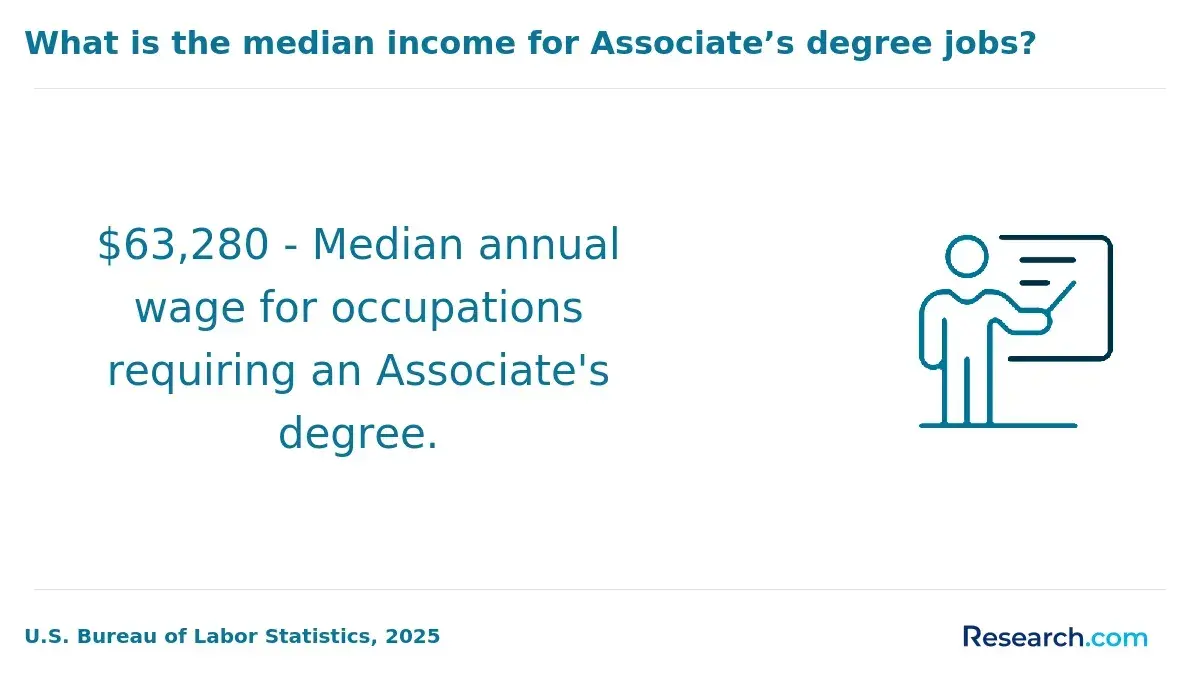
Certificates in entrepreneurship for aspiring builders often emphasize lean startup methods, product-market fit, and entrepreneurial finance. These are well-suited for professionals prioritizing rapid, pragmatic skill acquisition without committing to full degrees. In contrast, bachelor's degrees incorporate broader business competencies-marketing analytics, business law, supply chains, and tech integration-that are essential for managing complex, product-driven enterprises effectively.
For example, a software developer pivoting into SaaS entrepreneurship might gain more from a bachelor's or an MBA with a strong innovation focus, while a builder of physical consumer goods could find certificates paired with industry-specific training sufficient to accelerate market entry.
Employers increasingly prioritize demonstrated entrepreneurial outcomes over formal credentials alone. Hybrid programs combining coursework with internships or accelerators can better meet this demand. However, with average tuition for four-year online business degrees near $42,000, individuals must carefully assess ROI beyond sticker price-including opportunity costs and learning relevance.
Those evaluating advanced degrees should consider options like the cheapest MBA programs, which may provide focused innovation training with improved cost efficiency.
What courses and skills do online entrepreneurship programs emphasize for product-led businesses?
Programs focused on product-led business strategy courses within online entrepreneurship emphasize skills that directly influence product-driven growth trajectories in startups. Learners acquire expertise in lean startup methods, agile product development, customer feedback prioritization, and market validation-skills essential for refining minimum viable products (MVPs) under real-world constraints. For instance, a tech founder leveraging these competencies might analyze engagement metrics to adjust features, directly impacting retention and conversion rates.
Key skills taught in online entrepreneurship for builders focusing on product-driven growth extend to financial modeling and business analytics, which allow entrepreneurs to assess revenue forecasts and measure product-market fit. These quantitative tools are critical for aligning product iterations with business objectives, particularly when internal misalignment threatens operational success.
Collaboration across engineering, marketing, and sales teams is embedded in curricula to mirror workplace realities where product success relies on integrated efforts rather than isolated contributions. Furthermore, fundraising training-covering venture capital pitches and investor relations-is indispensable given startups' dependence on external capital, affecting timelines and equity distribution.
Prospective students must weigh the opportunity cost of investing in such specialization against median starting salaries for entrepreneurship graduates, reported at $68,934 in 2024 by the National Association of Colleges and Employers. The choice between broad entrepreneurial education and niche product-focused credentials shapes early career prospects significantly. For those assessing cost considerations, exploring options like the cheapest online MBA no GMAT offerings can factor into strategic decisions.
How can you verify accreditation and program quality for an online entrepreneurship degree?
Opting for an online entrepreneurship degree without rigorous accreditation verification risks earning a credential with limited employer recognition or credit transferability. Regional accreditation remains the definitive benchmark; even comprehensive national or programmatic accreditations cannot substitute its value in establishing program legitimacy. Prospective students should verify that accreditation specifically covers the institution or business school offering the entrepreneurship curriculum, as many programs tout misleading or partial endorsements linked to unrelated units.
Evaluating graduate outcomes is essential. Programs with transparent data-such as a 70% employment rate in startup ventures within six months-offer stronger evidence of market relevance than those with vague or generalized claims. Hiring managers and investors prioritize proof of practical success when assessing candidate readiness.
Curriculum quality must pivot away from generic business subjects and instead emphasize product-driven strategies, digital marketing, revenue innovation, and applied case studies. Programs incorporating capstone projects tied to real startup incubation deliver experiential learning that theory-based degrees often lack.
Given over 48 online entrepreneurship degrees available in North America, students face a crowded market that necessitates scrutiny of faculty expertise and network access, two factors that materially influence the program's capacity to prepare graduates for entrepreneurial ecosystems and funding opportunities.
- Confirm regional accreditation by cross-checking databases from recognized agencies.
- Analyze published graduate employment and entrepreneurial success metrics.
- Assess curriculum focus on practical, product-led business models and startup incubation.
- Investigate faculty backgrounds for real-world startup experience and network connections.
What are the typical admission requirements for online entrepreneurship programs?
Online entrepreneurship programs now prioritize applicants' practical experience over traditional academic metrics, reflecting employer demand for demonstrable results in startup or product leadership roles. While a bachelor's degree remains the baseline for most programs, equivalent professional achievements can substitute, particularly when candidates can detail measurable business outcomes or product launches. Standardized tests like the GRE have largely been replaced by evaluations of portfolios, resumes, and leadership in entrepreneurial ventures.
For working professionals juggling company responsibilities, program flexibility is critical. For example, Tomorrow University's fully online, self-paced master's in entrepreneurship and product development lets candidates maintain professional momentum while pursuing advanced study. This model acknowledges the persistent time tradeoffs founders and product managers face when balancing coursework with active project leadership.
Applicants should expect to provide:
- A statement of purpose that clearly connects program goals to their experience in building product-led businesses
- Letters of recommendation evidencing leadership and innovation capacities
- Occasional submission of product portfolios, business plans, or launched ventures demonstrating tangible entrepreneurial skills
Admissions increasingly distinguish those ready for self-directed learning and real-world application from candidates with solely theoretical backgrounds. This selection bias favors professionals who can manage simultaneous entrepreneurial projects and rigorous study, directly impacting acceptance likelihood and subsequent employability in competitive markets.
How long do online entrepreneurship degrees take and what do they typically cost?
Choosing an online entrepreneurship degree involves balancing time investment against market demands and practical outcomes. Associate degrees typically require about two years, while bachelor's degrees extend to four years full-time; accelerated options may compress this to three years but demand continuous, intensive study. Part-time students should expect longer timelines, sometimes exceeding five years, which can weaken skill relevance and slow career progression.
Costs vary sharply by institution type and credential level. Public universities often price bachelor's degrees between $15,000 and $40,000 for in-state students. Private programs can surpass $70,000. Lower-cost alternatives like certificates and micro-credentials range from $2,000 to $10,000 and target focused skill acquisition suited for rapid pivots or upskilling.
Students must consider:
- Depth and rigor of curriculum versus time and financial burden
- Networking opportunities tied to longer degree programs
- Market expectations for founders with comprehensive operational knowledge
For example, a tech startup founder aiming to attract investors might prioritize a four-year bachelor's with integrated innovation ecosystems and applied projects. Conversely, a small business owner launching a local brand may find expedited certificates more practical to quickly gain marketing and financial skills without extensive debt.
MIT Open Learning emphasizes accessible, free entrepreneurship resources that supplement formal education but rarely replace traditional credential pathways.
What careers, roles, and startup paths can an online entrepreneurship degree support?
An online entrepreneurship degree equips graduates with operational expertise in product-led business frameworks essential for roles such as product managers, startup founders, and innovation consultants. For example, a product manager at a SaaS firm uses entrepreneurial training to prioritize development features aligned with validated customer needs, which drives revenue growth while minimizing upfront costs. This practical skill set directly addresses employer demands for sharp financial modeling, competitive analysis, and iterative prototyping ability.
While comprehensive undergraduate programs like the 120-credit B.S. at Thomas Edison State University provide broad-based business and leadership competency, they require a significant time investment. This contrasted with shorter certificates suits different career aims-degree holders often pursue operational leadership or intrapreneurship roles, whereas certificates support rapid skill acquisition for focused entrepreneurial tasks.
Graduates pursuing startup ventures should weigh delayed income against potential equity and leadership gains. Careers in venture building or corporate innovation particularly benefit from training that blends creative risk-taking with data-driven decision-making. Understanding these tradeoffs helps in selecting a program aligned with one's long-term trajectory rather than immediate convenience.
- Strong grasp of product-market fit accelerates user retention and lowers customer acquisition costs
- Employer expectations include applied financial modeling and prototyping workflows
- Program length influences readiness for leadership versus specialized startup roles
What salary ranges and earning potential can entrepreneurship graduates realistically expect?
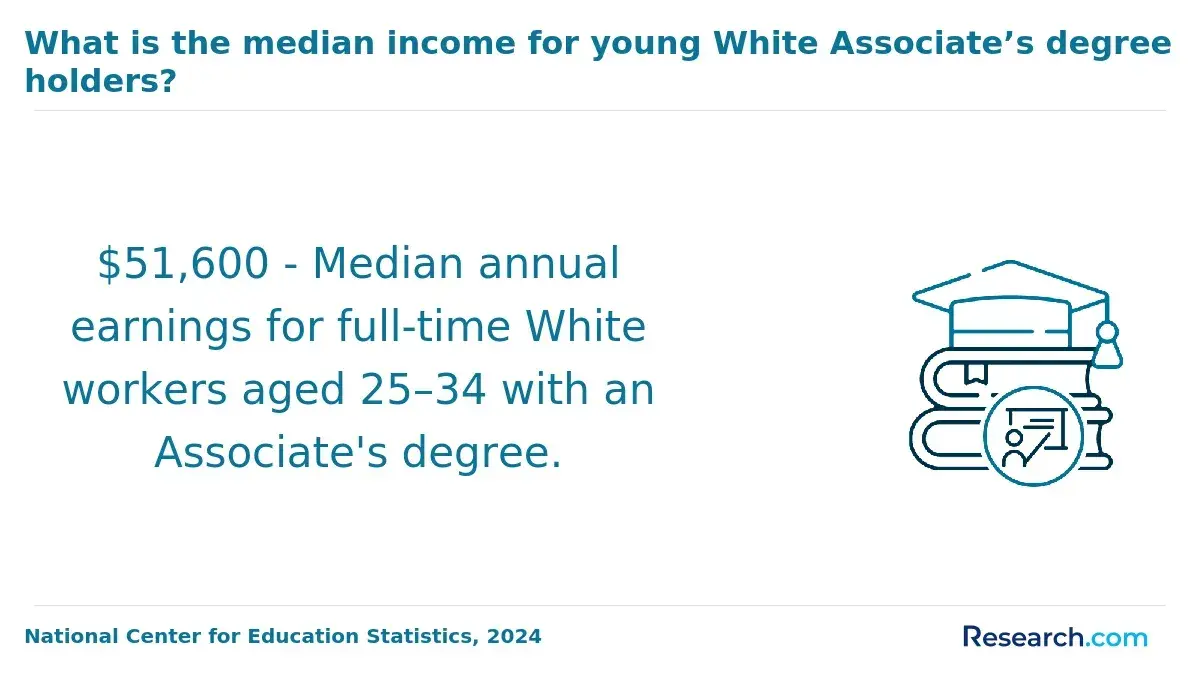
Entrepreneurship graduates focused on product-led ventures face a wide salary range influenced heavily by industry and geography. Entry-level salaries typically fall between $55,000 and $85,000 annually, but mid-career professionals in high-demand areas such as SaaS often exceed $100,000, while those pursuing startups in traditional markets might accept lower stable pay in exchange for equity or growth potential. These realities require students to assess their risk tolerance and long-term goals carefully.
Program costs vary substantially-from $15,000 for affordable online master's degrees to $70,000+ for credentials marketed as alternatives to traditional MBAs. This disparity directly affects return on investment: expensive programs may open doors to strategic roles with higher salary ceilings but demand upfront capital and extended ROI timelines.
Employers increasingly prioritize practical skills over theoretical knowledge. Graduates demonstrating product-market fit validation, agile development, and measurable revenue impact are more likely to justify above-average compensation. Early career success often hinges on concrete business outcomes rather than academic credentials alone.
Decision-making must align educational expense with intended career pathway:
- Lower-tuition options suit aspiring bootstrapped founders willing to trade immediate earnings for ownership control.
- Premium programs better fit candidates targeting venture-backed startups or corporate innovation tracks where salaries surpass $100,000 within five years.
How should builders choose the best online entrepreneurship program for their product-led goals?
Effective selection of online entrepreneurship programs hinges on their integration with product-led strategies rather than broad business theory. Programs emphasizing venture creation, market uncertainty management, and opportunity recognition align more closely with employer expectations and real-world startup demands. For instance, a software developer focused on SaaS growth should prioritize curricula featuring agile prototyping and incubator collaborations over purely academic theory.
Practical exposure substantially influences learning outcomes. Mentorship from active founders and internships with startups provide critical networking and applied problem-solving advantages that purely academic programs seldom offer. Learners should weigh these experiential components heavily when assessing program value.
Time flexibility and cost efficiency directly impact feasibility-modular structures enabling immediate concept application reduce opportunity cost for working professionals. Meanwhile, accreditation remains a significant differentiator; credentials from regionally accredited institutions carry more weight in hiring and funding discussions compared to unaccredited certificates.
Evaluating measurable post-graduation outcomes such as startup launch rates, funding success, or placement in product management roles clarifies program effectiveness. This focus on data-driven career pivots helps avoid pitfalls of generic entrepreneurship programs lacking practical product orientation.
- Programs emphasizing product development, customer validation, and iterative design better prepare students for scalable ventures.
- Experiential learning including mentorships and internships enhances job market readiness.
- Accreditation and employer recognition materially affect long-term credential value.
- Post-graduation outcomes provide actionable insight into program relevance.
Other Things You Should Know About Entrepreneurship
Programs that emphasize hands-on product development provide immediate practical skills, which align better with builders aiming to launch or grow product-led businesses. While theoretical knowledge offers a strong foundation, it often lacks direct application to iterative design, market testing, and scaling digital products. Prioritize programs with project-based learning, mentorship from practitioners, and real-world case studies over purely academic or conceptual approaches to improve employability and operational readiness.
Students should focus on programs offering courses in product development, management, and user experience. It's essential to verify that the curriculum includes real-world applications and partnerships with tech startups or incubators to provide practical insights into a product-led business approach.
The workload in these programs varies widely, but those focused on product-led entrepreneurship typically demand substantial time for team projects, prototyping, and market research. Working professionals must assess if program pacing allows for balancing job responsibilities without sacrificing the quality of experiential learning. Candidates should favor programs offering flexibility through asynchronous content, modular projects, and extended timelines to maintain progress without burnout.
Most online entrepreneurship bachelor’s degrees require 120 credit hours, while a master’s program usually needs 30 to 36 credits. Schools often ask for transcripts, a minimum 2.5 to 3.0 GPA, and transfer-credit approval before enrollment.
References
- Mastering Product-Led Growth: A Founder’s Guide to Scale https://www.futureventures.ca/insights/product-led-growth-the-founder-s-guide-to-building-a-company-the-product-itself-can-scale
- What Degree Do You Need to Start a Business? | Entrepreneurship https://online.wits.ac.za/blogs/this-is-what-you-need-to-start-a-business
- Przelewy24 https://www.przelewy24.pl/en/news/e-commerce-training-essential-skills-for-online-shop-owners
- Entrepreneurship salary - What you earn after studying | CBS https://www.cbs.de/en/blog/entrepreneurship-salary
- How to Get a Degree in Entrepreneurship https://www.uschamber.com/co/start/startup/entrepreneurship-degree
- Online MSc in Responsible Entrepreneurship & Product Development - Accredited MSc https://www.tomorrow.university/impact-master-of-science/responsible-entrepreneurship-and-product-development
- Should startups directly seek product led growth strategies? | Blog https://www.ohblimey.com/blog/can-a-startup-pursue-product-led-growth-straight-away
- Product-Led Growth: Definitions, Strategies, and Examples https://www.aha.io/roadmapping/guide/what-is-product-led-growth
- 7 Online Courses that will Get You Started as an Archipreneur https://archipreneur.com/7-online-courses-that-will-get-you-started-as-an-archipreneur/
- Whistle | Product-Led Growth (PLG): The Ultimate Guide https://www.whistle.ltd/post/product-led-growth-ultimate-guide