2027 Entrepreneurship Specializations That Best Match Side-Hustle Builders

Co-Founder and Chief Data Scientist
Choosing a specialization within entrepreneurship can determine whether a side-hustle evolves into a sustainable venture or stalls due to misaligned skills. With adult learners now representing nearly 40% of all higher education enrollments, according to the National Center for Education Statistics, flexibility and career relevance have vaulted to the forefront of program evaluation. Many prospective students must balance part-time study with existing jobs, making the timing and delivery mode of specialized tracks critical.
This shifts the value proposition from broad theoretical knowledge toward targeted practical skillsets that enhance immediate business outcomes and market agility. This article examines the entrepreneurship specializations best suited for side-hustle builders seeking actionable education that aligns with their time constraints and growth ambitions.
Key Things You Should Know
- Research from the U.S. Small Business Administration shows side-hustle builders electing specialized entrepreneurship degrees face a 22% longer median time-to-profit, demanding upfront capital, challenging those balancing full-time work.
- Employers now increasingly value venture finance and lean startup methodologies embedded in entrepreneurship specializations, with 67% of founding teams citing formal training as critical for investor confidence, reshaping workforce expectations.
- Data from the National Center for Education Statistics reveals that online entrepreneurship programs cost 35% less over two years but produce 14% lower immediate job placement rates, indicating a tradeoff between affordability and market readiness.
What entrepreneurship specializations are best for aspiring side-hustle builders today?
Choosing the best entrepreneurship specializations for side hustles requires balancing skill acquisition time against immediate earning potential. Digital marketing, motion graphics design, and web development emerge as top side-hustle entrepreneurship fields due to their digital, flexible, and scalable characteristics. For example, motion graphics designers earned an average of $53 per hour in 2024 while web developers earned $52, both far exceeding the general U.S. wage of $28.63 per hour. These figures reflect market demand for technical and creative abilities that enable freelance and contract opportunities.
A web development specialization often demands a steeper learning curve in coding but offers high-value client retention through website creation and maintenance for startups and small businesses. Conversely, digital marketing-covering SEO, social media, and paid ads-is faster to monetize and suits those managing flexible schedules. Motion graphics aligns with creatives targeting growing video content markets in advertising and media.
Considering long-term scalability means assessing how specialization affects automation potential and workload balance. Side hustlers will benefit from prioritizing skills that reliably command premium rates and offer repeat business, especially if the goal is evolving these projects into sustainable ventures. For those exploring foundational business knowledge to complement these skills, an online administration degree provides structured insight into operations and management, essential for side-hustle entrepreneurship fields.
How do different entrepreneurship concentrations align with common side-hustle business models?
Specializing within entrepreneurship requires matching educational focus areas to specific side-hustle business models to avoid costly skill gaps and operational pitfalls. Content creators benefit from concentrations in business model innovation and digital marketing, which develop strategic audience analysis and brand partnership expertise. This alignment is critical as the market is projected to surge from $556 billion in 2024 to more than $1.8 trillion by 2032, according to Whop's 2026 side hustle statistics report. Product-based ventures, like e-commerce, demand competencies in supply chain management and fulfillment logistics.
Service-oriented side hustlers, including consultants or freelance project managers, find alignment with entrepreneurship concentrations in business operations, client relationship management, and pricing strategy development. Technology entrepreneurs focused on app or SaaS solutions require skills in product development cycles, funding acquisition, and intellectual property management to meet employer expectations effectively. This type of practical alignment reduces friction in scaling and sustaining operations amid evolving market demands.
Consider a freelancer building an online design firm: combining a digital marketing specialization with financial management equips them to handle cash flow and invoicing complexities. Meanwhile, a subscription box startup emphasizes logistics coordination and supplier network knowledge, typically covered in supply chain-centric entrepreneurship tracks. Such distinctions underscore the need to tailor education precisely to operational realities rather than opting for generic programs.
Prospective students evaluating entrepreneurship specializations for side-hustle success should prioritize those that offer adaptive problem-solving frameworks and practical toolkits aligned with their business model's specific challenges. For individuals seeking comprehensive but affordable options, exploring the most affordable online MBA programs can provide versatile credentials supporting multiple side-hustle pathways.
What degree levels and certificates support entrepreneurship-focused side hustles?
Associate degrees and certificates provide accessible entry points for side-hustle builders prioritizing practical skills in digital commerce and entrepreneurship degree programs supporting side hustles. These programs concentrate on essentials such as business plan development, social media strategy, and basic accounting, enabling quick market entry without the financial and temporal investment of a four-year degree. For example, those launching online product sales or service gigs can apply learned competencies rapidly to validate their business models.
Bachelor's degrees with entrepreneurship concentrations deepen understanding in areas like finance, operations, and scaling ventures, which are critical when evolving a side project into a sustainable business. An e-commerce side hustler, for instance, benefits from supply chain management and data analytics coursework required to handle increased operational complexity and support growth within a $556.7 billion global side hustle economy.
Short-term certificates focusing on entrepreneurship fundamentals or lean startup methodologies align well with professionals engaged in certificates and credentials for entrepreneurship side projects. These programs emphasize customer discovery, MVP development, and fundraising basics-skills essential for rapid iteration and capital efficiency in digital ventures.
Employers show varied preferences: tech-related side hustles tend to value demonstrable skills and credentials over formal degrees, while service-oriented businesses often require bachelor's degrees to establish credibility. Prospective students must weigh the opportunity cost of prolonged study against direct income generation and market responsiveness. For those seeking advanced credentials with cost considerations, exploring options like the cheapest EMBA programs can be strategic.
How do online and campus-based entrepreneurship programs compare for working adults with side hustles?
Flexible scheduling is a decisive factor for working adults choosing between online vs campus-based entrepreneurship programs for working adults, especially those balancing income streams from side hustle builders. The Omni Calculator's 2026 side hustle report reveals a significant earnings gap among US side hustlers, with many earning a median of only $200 monthly. Online programs cater to this reality by allowing asynchronous study that integrates swiftly with active projects, preventing income disruption and minimizing opportunity costs such as daily commutes.
Campus-based formats often deliver structured mentorship and localized networking, valuable for ventures relying on proximal ecosystems. However, these benefits come at the expense of time that could otherwise fund revenue-generating activities. For example, a graphic designer managing freelance contracts may find evening campus sessions impractical, highlighting a concrete tradeoff between immersive support and income flexibility.
Employers increasingly prioritize demonstrable skills and project-based results over mere campus attendance. This shift underscores that functionality and track record hold more weight than traditional credentials, pushing working adults to seek programs emphasizing scalable competencies. Online entrepreneurship education options for side hustle builders must therefore also offer robust community engagement to offset limited physical networking access.
Working adults assessing program options should balance these factors pragmatically, focusing on mentorship and networking when localized collaboration drives their business strategy, or opting for flexible online options to sustain earnings without sacrificing ongoing work commitments. For those interested in accessible pathways, many offer easy MBA programs to get into that align with these practical considerations.
What core courses and skills should an entrepreneurship specialization include for side-hustle success?
Core courses for entrepreneurship specializations targeting side-hustle builders must emphasize actionable skills that directly affect profitability and operational control. For instance, managing a mobile car washing business requires a precise grasp of variable costs such as supplies and fuel relative to labor hours to sustain margins in a competitive market with thin profits.
Essential coursework includes financial literacy covering cash flow, tax compliance, and budgeting specific to small-scale ventures, since freelancers are expected to handle invoicing and cost management independently from the start. Understanding business law fundamentals-permits, liability, and contracts-is equally critical to avoid costly legal errors common among emerging side businesses.
Additionally, digital marketing tailored to localized service industries plays a vital role. Skills in local SEO and social media advertising improve customer acquisition and retention, especially in saturated neighborhoods where mobile car washing leads growth according to Hostinger's 2026 data. Proficiency with mobile apps and basic CRM tools enhances scheduling and client management efficiency.
Entrepreneurship training benefits from scenario-based learning to simulate real-world challenges like demand fluctuations and regulatory shifts. Students must confront tradeoffs between time invested and scalability, especially when balancing part-time entrepreneurship with other employment. Developing negotiation and sales skills is essential since side hustlers often lack dedicated sales teams, demanding immediate ability to price services and manage client expectations effectively.
- Focus on practical revenue and cost control over theoretical concepts
- Integrate local digital marketing strategies adapted to service-based models
- Prioritize legal literacy to mitigate operational risk
- Embed scenario-based learning addressing real-world unpredictability
- Develop negotiation skills for direct client engagement
What are typical admission requirements and program lengths for entrepreneurship specializations?
Choosing an entrepreneurship specialization demands balancing program rigor with practical time and financial constraints. Admission typically requires a high school diploma or equivalent for certificates and associates, while advanced tracks expect bachelor's degrees plus a GPA around 2.5 to 3.0. Graduate-level programs often insist on prior coursework in business fundamentals or economics. These requirements reflect employer expectations for foundational knowledge and relevant skills.
Program length directly impacts real-world applicability. Certificate options-ranging from 3 to 6 months-serve professionals launching side ventures who prioritize quick, actionable knowledge over academic depth. Associate degrees take 18 to 24 months, blending essential business principles with entrepreneurial tactics. Bachelor's degrees span four years, integrating wider liberal arts exposure alongside entrepreneurship curriculum. Specialized master's or MBA programs last 12 to 24 months, focusing on strategic growth, innovation management, and scaling new ventures.
For those relying on side gigs to supplement income, accelerated programs under one year minimize opportunity costs and align with immediate financial needs. Side hustle data shows 44% of Americans depend on extra income for survival and 48% use gigs to meet savings goals, emphasizing why flexible credentialing is necessary. Candidates targeting venture capital or product innovation should weigh the longer commitment against potential industry access and outcomes.
How much do entrepreneurship specialization programs cost, and what funding options exist?
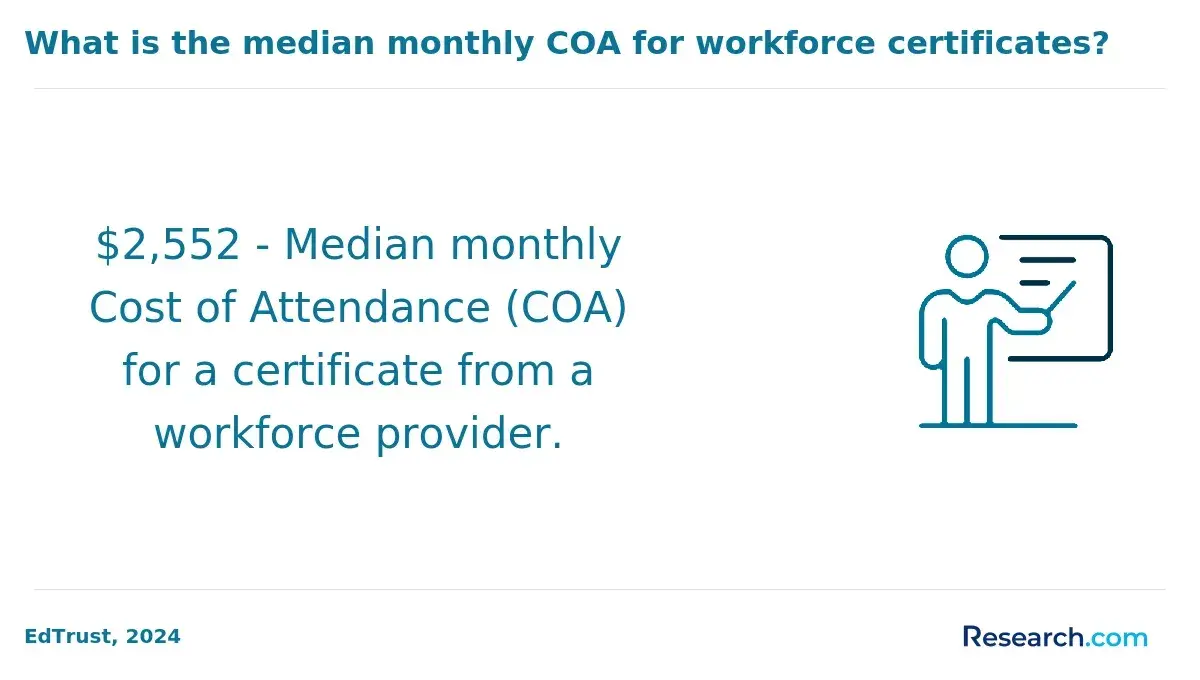
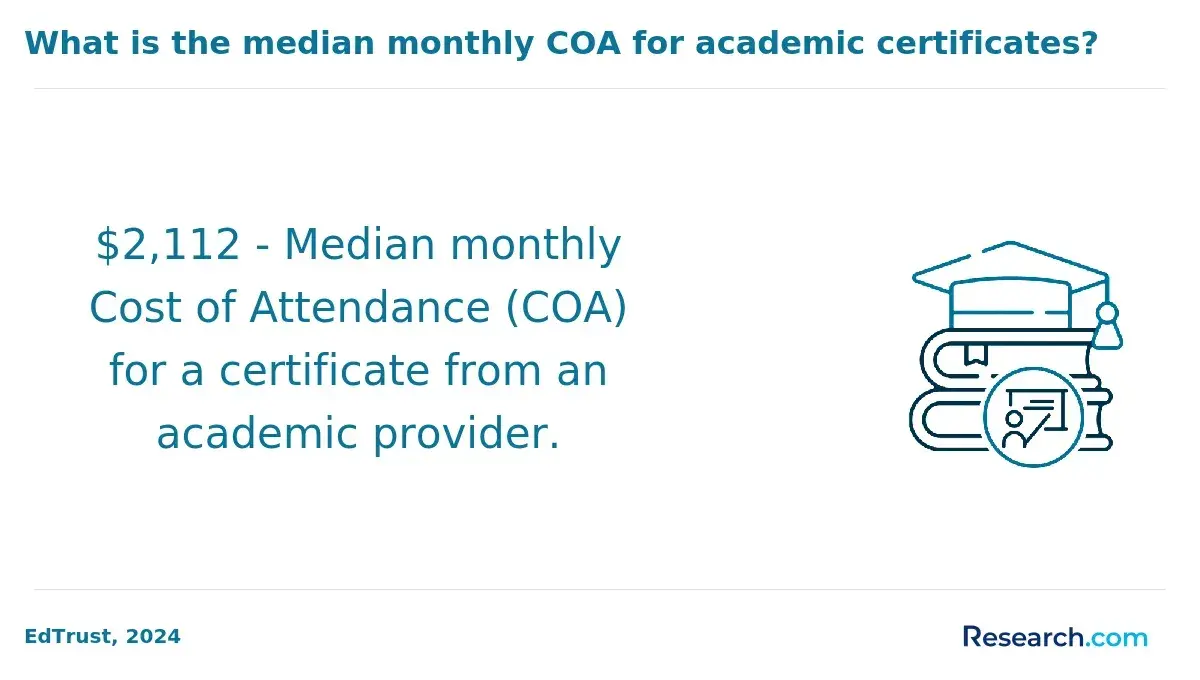
Entrepreneurship specialization programs in 2026 reflect a broad spectrum of practical investment, from modest online certificates around $1,000 to full MBA tracks exceeding $30,000. While community college bundles and non-degree certificates offer cost-effective options ($1,000-$5,000) ideal for side-hustlers seeking foundational skills, costly MBA programs at elite institutions can top $60,000, posing significant financial and time tradeoffs for professionals balancing current employment.
Funding remains unevenly accessible, with employer tuition assistance, government grants, income-share agreements, and scholarships as primary channels. Pell Grants favor degree pathways, limiting support for many certificate formats, whereas state workforce grants may cover entrepreneurship training aligned with local economic strategies. Income-share agreements require careful evaluation, especially when entrepreneurial income streams are unpredictable.
Targeted scholarships for female entrepreneurs are expanding, a critical dimension given data showing nearly two-thirds of women have yet to launch businesses despite strong intent. For example, a digital marketer may find sub-$3,000 bootcamps sufficient, while aspiring tech startup founders should critically assess the long-term ROI of higher-priced, multi-semester programs offering investor networking.
Ultimately, aligning program cost with realistic business outcomes and cash flow capabilities is essential to avoid financial strain during entrepreneurial pivots.
What careers, income streams, and growth opportunities can entrepreneurship specializations unlock beyond a side hustle?
Specializing in entrepreneurship shifts income generation from transient side hustles toward sustainable, scalable ventures, but not without practical challenges. Successfully transitioning requires mastering financial forecasting, regulatory navigation, and leadership-skills that often separate casual earners from serious business operators. For instance, a side hustler in e-commerce who gains expertise in supply chain management and customer acquisition can improve profit margins significantly and pursue external funding or partnerships, a step unavailable without formal entrepreneurship training.
The real-world value lies in competencies aligned with employer and investor expectations, including financial literacy and operational efficiency. Survey data indicates Millennials engaged in side hustles average $1,129 monthly, higher than Gen Z's $958, emphasizing potential income growth when moving from supplemental income to full entrepreneurial ventures.
However, this pathway demands upfront investments in education, internships, or incubators that deepen practical business management skills rather than theoretical knowledge alone. Graduates often pursue roles beyond self-employment, such as freelance consulting or startup ecosystem positions acting as innovation catalysts. Yet, without those operational skills, progress stalls, confining many to part-time side income below $1,100 monthly.
Decision-makers must weigh the tradeoff between dedicating time and resources for relevant entrepreneurship education and the payoff of developing scalable business models capable of exceeding typical wage employment benchmarks.
How do accredited entrepreneurship programs differ from nonaccredited options in quality and outcomes?
Accredited entrepreneurship programs deliver more consistent educational outcomes than nonaccredited ones by enforcing rigorous curriculum standards, qualified faculty, and outcome accountability. This means learners gain validated competencies aligned with real market demands, a critical advantage for those building side hustles with ambitions to scale. For instance, a founder launching a digital marketing business benefits significantly from programs requiring applied project work, legal compliance, and financial planning - elements often absent in informal alternatives.
Employers and investors recognize accredited credentials as evidence of solid skills and professional discipline, enhancing startup credibility and access to capital. Beyond credential value, accredited pathways typically offer tangible benefits such as alumni networks, industry internships, and launch resources tailored to different entrepreneurial sectors. However, this comes with higher time and financial investments, which may challenge early-stage founders balancing external employment and risk tolerance.
The 2026 Gusto small business report found that 45% of new businesses began as side hustles, emphasizing the need for programs that combine flexible learning with substantial practical frameworks. Nonaccredited courses provide flexibility but often lack comprehensive strategic guidance and market recognition needed for long-term growth.
- Accredited programs ensure stronger career mobility and investor confidence.
- Nonaccredited options may offer immediate tactical skills but limited scalability.
- Decision-making requires weighing upfront costs against prospective market acceptance.
How can students choose a reputable entrepreneurship program tailored to their side-hustle goals?
Choosing an entrepreneurship program demands prioritizing measurable outcomes tied to the student's specific venture model rather than broad academic credentials. For instance, a founder aiming to grow a SaaS business should select a program focused on lean startup techniques and technology commercialization, not generic business curricula. Metrics like average post-graduation venture revenue growth and funding success offer critical insight into a program's real-world impact.
Access to experienced mentors within the student's niche is equally vital. Programs lacking relevant mentorship networks often restrict meaningful growth, as direct guidance accelerates both strategic decision-making and investor connections. Curricula must address operational challenges such as financial management, marketing analytics, and compliance-areas routinely cited as pain points by early-stage entrepreneurs.
Financial return on investment is a nuanced calculation: the 2025 Concordia University-St. Paul MBA entrepreneurship survey reports that 73% of MBA students with side hustles expect their education to double venture earnings within five years. Verifying that program content directly supports profitability and scalability is essential, rather than enrolling in purely academic programs.
Accreditation and employer recognition serve as external validation, influencing fundraising and partnership opportunities. Meanwhile, logistical factors-program length, cohort size, availability of incubators or pitch competitions-must align with ongoing job commitments to sustain momentum.
- Focus on programs with demonstrated alumni success in your niche.
- Ensure mentorship connects you with entrepreneurs facing similar challenges.
- Scrutinize curriculum rigor regarding financial and operational skills.
- Verify accreditation status to enhance market credibility.
- Balance program structure with personal and professional obligations.
Other Things You Should Know About Entrepreneurship
Choosing specialized entrepreneurship skills over a broad business education depends on your side hustle's scope and growth ambitions. Specialized programs tend to prioritize hands-on practical tools like lean startup methods and market validation, which fuel quicker, more effective product launches. Broad business degrees cover a wider range of foundational topics but often lack depth on entrepreneurial agility, which can slow progress for early-stage side projects. Prioritize specialized entrepreneurship training if rapid iteration and customer discovery matter most for your side hustle's success.
Entrepreneurship programs vary widely in workload, and for working professionals managing side hustles, time investment is critical. Programs heavily focused on live casework, group projects, and experiential learning require more synchronous hours that can conflict with work schedules. Self-paced or asynchronous programs provide flexibility but may reduce networking opportunities and real-time feedback. Choose a program that balances practical engagement with flexible deadlines to minimize disruptions to your primary job and side-business operations.
Yes. Many programs require a final capstone, business plan, or launch project in the last term, often worth 3 to 6 credit hours. Students usually present a viable business model, basic financials, and a market test, which helps connect course concepts to a real side business.
Beyond convenience, online entrepreneurship programs often lack the immediacy of peer collaboration and mentorship that in-person settings provide, which can slow iteration and learning. In-person programs usually offer easier access to local entrepreneurial ecosystems and networking that can accelerate funding or client acquisition. However, online programs frequently attract more diverse cohorts and incorporate advanced digital tools beneficial for tech-driven side hustles. Decide based on whether your side hustle benefits more from physical networking or flexible access to diverse resources and instruction.
References
- What Degree Do You Need to Start a Business? | Entrepreneurship https://online.wits.ac.za/blogs/this-is-what-you-need-to-start-a-business
- Degree Requirements https://www.ubalt.edu/schools-and-colleges/merrick-school-of-business/academics/explore-all-programs/bsba-entrepreneurship/requirements.cfm
- Side Hustle — Futurpreneur https://futurpreneur.ca/en/offering/side-hustle/
- Accreditation as a Strategic Driver of Alignment Across Higher Education and Industry https://acbspjournal.org/2026/05/22/accreditation-as-a-strategic-driver-of-alignment-across-higher-education-and-industry/
- Types of Business Models | 2026 Trends & Strategies https://prometai.app/blog/types-of-business-models-explained
- Entrepreneurship as a student, good or bad idea? - The Choice by ESCP https://escp.eu/thechoice/tomorrow-choices/entrepreneurship-as-a-student-good-or-bad-idea/
- Want Entrepreneurial Success? These 2 Key Roles Are Crucial! https://www.lemon8-app.com/@leon12fdhj/7443339116873695790
- Where to look for funding when starting a business | Biznes.gov.pl - An information and service website for entrepreneurs https://www.biznes.gov.pl/en/portal/005631
- What are the admission requirements for the M.Sc. in Business Management? https://wiki.steinbeis-next.de/en/welche-zulassungsvoraussetzungen-hat-der-m.sc.-business-management
- Where to find startup funding and financing? 2023 EU guide https://www.tbs-education.com/news/where-do-i-look-for-financing-for-entrepreneurship/