2027 Entrepreneurship Specializations for Startup Operations Careers

Co-Founder and Chief Data Scientist
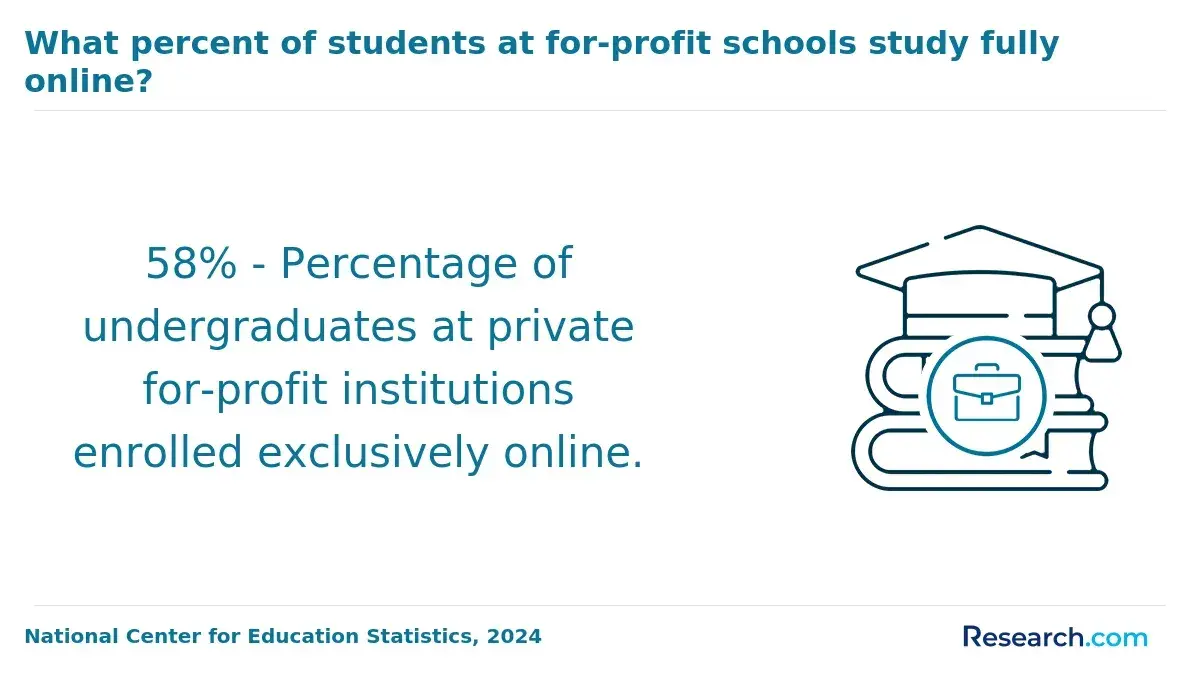
Prospective entrepreneurs face the complicated challenge of selecting a specialization that directly enhances operational agility and investor appeal. With 62% of adult learners now favoring flexible online enrollment formats, according to the National Center for Education Statistics, the landscape demands choices that align with ongoing professional commitments while maximizing career impact. This shift signals a broader move away from rigid, traditional programs toward modular, skill-specific coursework that better matches evolving startup ecosystems and employer expectations.
Navigating these options without clear insights risks misaligned skill sets that hinder scaling, funding prospects, and operational leadership success. This article evaluates core entrepreneurship specializations, decoding their practical benefits and pitfalls to inform strategic educational decisions for startup operations careers.
Key Things You Should Know
- Specializations in lean startup methodologies offer a 23% higher post-graduation employment rate in venture-backed firms but typically extend program duration by six months, increasing upfront education cost and delaying revenue generation.
- Employers prioritize candidates with finance-focused entrepreneurship skills-70% of startups in 2025 reported better funding access when founders held formal financial acumen, shifting workforce demand toward hybrid business-technical profiles.
- Programs emphasizing digital commercialization and platform scaling competencies accelerated career pivots for 45% of graduates within 12 months, yet regional disparities in access to these specialties persist, limiting their reach to urban centers.
What are entrepreneurship specializations for startup operations careers?
Startup operations demand specialization that balances rapid scalability with constrained resources, making entrepreneurship specializations for startup growth management a strategic choice for professionals targeting these roles. Operations management typically focuses on real-time coordination of product cycles and vendor relations, with tech startups prioritizing agile workflows integrated tightly with client feedback, while manufacturing startups emphasize lean production and inventory controls.
Process improvement analysts deploy quantitative tools like Six Sigma and Lean methodologies to identify bottlenecks and optimize performance metrics, directly addressing the intolerance for inefficiencies within startups. Employers expect immediate, measurable productivity improvements from such roles, as trial-and-error experimentation is often cost-prohibitive in early-stage ventures.
Wages reflect this expectation: in 2024, the U.S. Bureau of Labor Statistics noted a median annual wage of $80,920 for business and financial operations roles, including operations and process improvement analysts-substantially above the $49,500 median for all occupations. This differential underscores how specialized skills influence startup viability and competitiveness.
Choosing a pathway in startup operations and entrepreneurship career pathways involves tradeoffs based on the startup's funding model and sector priorities. Venture-backed startups emphasize scalable financial forecasting and systems design, whereas bootstrapped startups may prioritize hands-on skills like inventory and vendor negotiation.
Prospective students seeking targeted credentials should evaluate programs that align quantitative skill-building with these operational realities. For instance, an MBA in entrepreneurship can offer frameworks essential for managing such tradeoffs effectively.
Which entrepreneurship specializations fit startup operations jobs best?
Startup operations roles demand specialization in areas that marry entrepreneurial insight with measurable technical skills. Among the most effective entrepreneurship specializations for startup operations management are business analytics, project management, and supply chain management, each addressing crucial operational challenges.
Business analytics expertise enables professionals to leverage data for decisions that mitigate risks like customer churn or inefficient resource allocation. This skill set aligns with the growing global intelligence market, which is projected to expand from $29.3 billion in 2024 to $42.3 billion by 2028. Without analytics proficiency, candidates risk falling short in startups that prioritize data-driven execution.
Project management lends rigor to timelines and budgets, employing methodologies such as Agile and Lean to prevent costly delays or scope creep-common pitfalls in startup launches. Supply chain management becomes essential as startups scale, requiring cost control and supplier risk handling in nascent vendor relationships.
Employers in startup environments prefer candidates who combine entrepreneurial thinking with operational precision. Programs emphasizing practical case studies and cross-functional leadership can enhance employability by enabling graduates to integrate analysis and management seamlessly.
Those evaluating this pathway should consider the tradeoff between theoretical entrepreneurship and applied operational skills. Practical training in these fields better equips professionals for roles that demand adaptability and measurable performance improvements. For those exploring educational options, an easiest MBA program with a focus on these core skills can be a strategic choice.
What degree paths lead to startup operations careers?
Startup operations degree programs centered on business administration, entrepreneurship, and management develop core capabilities in strategic planning, resource allocation, and operational efficiency essential for early-stage companies facing rapid scaling challenges. Candidates must weigh theoretical knowledge against practical exposure, as employers specifically seek demonstrated ability to manage unpredictable workflows and lean processes common in startup environments.
Degrees in industrial or systems engineering complement this by equipping students with quantitative skills to optimize processes and design scalable systems, addressing bottlenecks with data-driven solutions under resource constraints. Conversely, marketing and finance degrees enhance understanding of customer acquisition and capital structure, competencies often necessary in venture-backed startups where operational decisions intertwine with growth funding and financial strategy.
Startup operations degree programs frequently benefit from integration with internships, cooperative education, or incubator experiences, markedly improving job readiness. As an example, venture-backed firms employed over 2 million workers directly in the U.S., with many former VC-backed companies employing upwards of 11 million, indicating substantial demand for operational expertise with startup context.
Prospective students aiming for operational roles in startup ecosystems should also consider augmenting their education with certificate programs or bootcamps focused on agile methodologies and operational analytics if their degree lacks startup-specific practical exposure. For those considering graduate pathways, evaluating options with MBA transfer credits can streamline advancement while maintaining focus on entrepreneurship and business management degrees strategic for startup success.
How do online and campus entrepreneurship programs compare?
Choosing between online vs campus entrepreneurship programs involves weighing distinct operational tradeoffs that affect career trajectory and employer expectations in startup roles. Online programs offer essential scheduling flexibility and often lower costs, suiting working professionals pursuing a pivot. However, they must overcome inherent networking limitations absent physical ecosystems. For example, a product manager aiming to join a software startup might acquire comparable operational skills online but could struggle to access employer referrals and informal peer groups crucial for early-stage startup development.
Campus entrepreneurship programs embed students in active venture communities, facilitating live mentorship, in-person networking, and access to incubators-advantages especially relevant to sectors like biotech or hardware where product validation depends on hands-on collaboration. These environments increase job placement rates and often connect graduates to alumni hiring pipelines and regional startup events, which drive substantial career momentum.
From a workforce standpoint, graduates from campus-based programs tend to secure internships and entry-level roles with market-aligned compensations. Recent data indicate U.S. product management roles average near $157,000 in 2024, with senior startup roles exceeding $180,000, reflecting employer valuation of validated project experience and professional networks-elements campus programs scaffold through labs, competitions, and pitch opportunities.
Prospective students examining a comparison of online and traditional entrepreneurship education should critically assess live interaction rigor and employer engagement statistics to mitigate networking gaps. For those balancing work alongside study, reviewing online MBA programs no GMAT required can provide insight into flexible yet credible online options.
The decision ultimately hinges on individual career timelines, industry focus, and commitment to cultivating external relationships beyond coursework. Both pathways require deliberate, strategic effort to translate educational experiences into startup operational roles commanding high market compensation.
What coursework do startup operations entrepreneurship programs include?
Startup operations entrepreneurship programs in 2026 emphasize practical skills that address startup failure risks rooted in financial mismanagement and inadequate operational agility. Students learn to manage limited resources while optimizing processes and supply chains to maintain scalability under pressure. Financial coursework goes beyond accounting basics to cover cash flow forecasting and capital allocation, essential for surviving early volatility.
Marketing is integrated tightly with operational priorities: data on companies investing regularly in marketing show a 41% higher survival rate. Courses on digital strategies, customer acquisition metrics, and brand development prepare students to build retention models for SaaS ventures or omnichannel approaches in retail. This real-world focus equips grads to meet employer demands for measurable marketing impact.
Risk management covers legal compliance challenges, including intellectual property and contract negotiation, often taught through live case studies that replicate pivot scenarios. Operational leadership training develops decision-making skills under uncertainty, which is critical for startups facing rapid change.
Students also gain proficiency in data analytics for real-time performance monitoring and KPI development-skills particularly valuable in sectors like biotech, where responsive product iteration based on precise data is a competitive necessity.
Ultimately, these programs cultivate adaptability, financial acuity, marketing effectiveness, and operational oversight-capabilities aligned with startup employer expectations but demanding consistent, practical application beyond theory.
What admissions requirements do entrepreneurship programs usually require?
Admission to entrepreneurship programs filters candidates on actual operational readiness rather than mere academic credentials. Applicants commonly submit undergraduate transcripts with a GPA threshold around 2.5 to 3.0, which signals baseline competence in quantitative reasoning and business fundamentals. Competitive subsets mandate GMAT or GRE scores, although many waive these exams for experienced professionals, acknowledging the value of hands-on startup or corporate leadership skills.
Key application components include a personal statement that must clearly define career objectives, prior entrepreneurial experience, and alignment with program curriculum designed to sharpen operational leadership. Practical experience is often validated through two professional or academic recommendations, ideally from supervisors or mentors who can attest to strategic thinking and leadership potential.
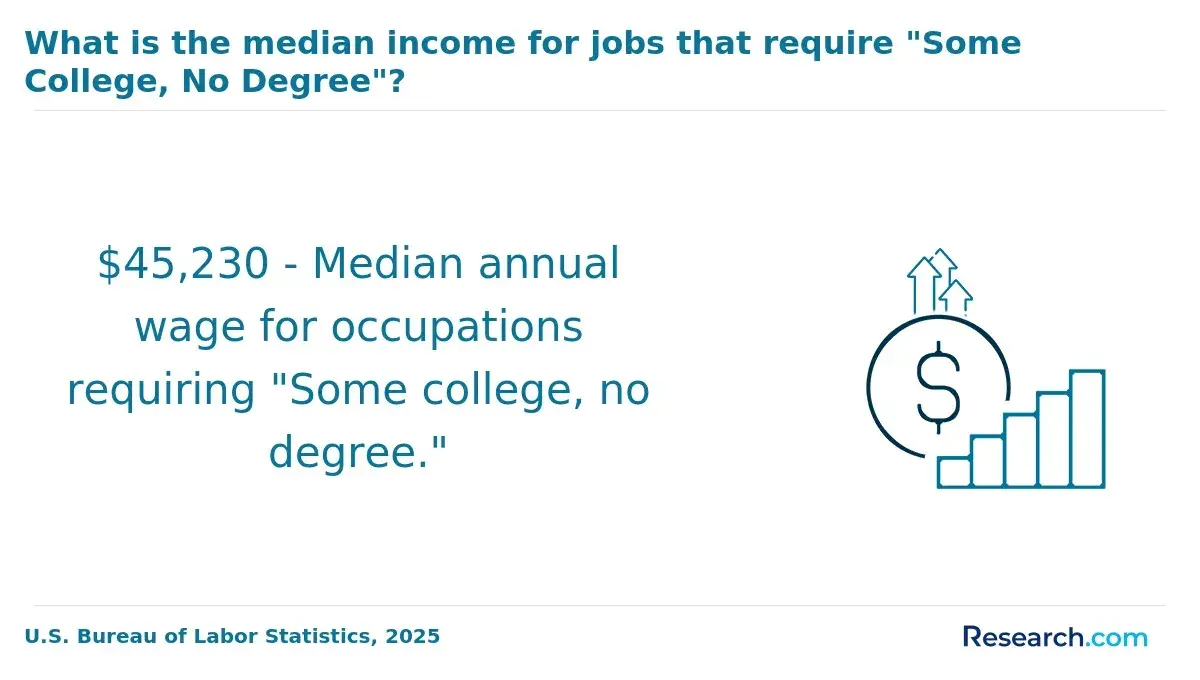
Some programs require submission of business plans or evidence of startups to assess applicants' capacity for scaling ventures or managing complex teams. This is important in light of workforce realities: roles like training and development specialists earn median wages significantly above the national average, emphasizing the premium placed on applied leadership skills.
For working professionals, the main tradeoff lies in balancing admissions demands with ongoing job responsibilities. Prioritizing programs offering flexible timelines or part-time enrollment can reduce this friction. Those lacking formal business backgrounds should proactively build financial literacy and leadership capabilities before enrolling to mitigate performance risks during coursework.
How long do entrepreneurship degrees take, and what do they cost?
The time and financial commitment required for entrepreneurship degrees demand scrutiny beyond typical academic milestones. Associate programs take about two years, bachelor's degrees average four, and graduate options often span one to two years but can significantly extend with executive or part-time formats. Such variations affect not only total expenses but also opportunity costs tied to delaying active market participation.
Costly tuition, which ranges from roughly $10,000 annually at public community colleges to $40,000 or more at private institutions, should be weighed against potential returns. Graduate entrepreneurship degrees commonly start near $30,000 per year, sometimes well above $60,000 for elite programs. Expenses exclude additional fees and living costs, which meaningfully impact total investment.
Professionals pursuing flexible online or part-time formats face tradeoffs between pacing and extended duration, often doubling both years and cumulative tuition, diminishing career momentum-critical in startup ecosystems where speed matters.
Current market trends favor graduates who blend strategic business knowledge with rapid application of technology, notably in the blossoming low- and no-code development sector, projected to surpass $50 billion by 2028 at a 15%+ CAGR, according to Gartner. This shift revalues shorter, skills-focused pathways such as certification on no-code platforms, which align more closely with employer demand for demonstrable competence over formal credentials alone.
- Associate, bachelor's, and graduate entrepreneurship degrees vary significantly in duration and cost
- Extended part-time study can double both completion time and total tuition outlay
- Low- and no-code platform growth demands agile, tech-savvy entrepreneurial skillsets
- Shorter certifications sometimes yield faster employability than traditional degrees
Which certifications help with startup operations careers?
Project Management Professional (PMP) certification remains a decisive credential for operational roles in startups, as it signals proven ability to manage complex projects within tight timelines and budgets. This advantage is amplified amid a workforce where 28% of U.S. full workdays are remote, demanding fluency in distributed team coordination and agile methodologies. However, holding a PMP alone is insufficient without hands-on mastery of platforms like Jira or Slack, which directly impact onboarding speed and operational efficiency in remote-first environments.
Certifications such as Certified ScrumMaster (CSM) and PMI-ACP offer adaptability crucial for startups dependent on iterative development cycles and product pivots, common in tech-heavy or innovation-driven contexts. Meanwhile, supply chain-focused credentials like APICS CPIM address the specific pains of startups scaling physical goods or logistics-based services, where overlooked inefficiencies rapidly erode margins.
Lean Six Sigma certifications have practical merit in highly regulated verticals like healthcare and fintech, where operational waste translates into compliance risks and lost revenue. Yet, candidates should be wary of overqualifying for early-stage startups, as process-heavy credentials can introduce unnecessary overhead, reducing agility. Certified Business Analysis Professional (CBAP) holders bring valuable data-driven insights for remote companies relying on asynchronous decision-making, but the relevance depends heavily on a startup's operational maturity and technical infrastructure.
Employers value certifications that combine formal methodologies with tool proficiency and contextual application, balancing theoretical knowledge against pragmatic delivery to minimize costly management mistakes in fluid startup settings.
What jobs can you get with an entrepreneurship specialization?
Entrepreneurship specializations readjust traditional business expectations by emphasizing risk assessment, resource constraints, and market validation critical for founders and business developers. Unlike standard business roles, startup founders must rigorously balance limited capital and pivot strategies based on early-stage customer feedback, a skillset often underdeveloped in general management curricula.
In venture capital and angel investment roles, graduates must analyze startup viability beyond financials, interpreting operational metrics and founding team dynamics. This analytical depth distinguishes entrepreneurship-trained candidates who can better forecast growth and scalability challenges.
The recent growth in ESG investing-now surpassing $30 trillion in assets according to Morningstar and Bloomberg data-has reshaped pathways into impact investing, CSR leadership, and sustainable startups, creating nuanced career opportunities requiring alignment between entrepreneurial agility and environmental, social, and governance criteria.
Entrepreneurship increasingly intersects with product management in technology sectors, demanding acute cross-functional collaboration and practical experience to drive product-market fit. This convergence requires graduates to develop industry-specific knowledge alongside foundational entrepreneurial capabilities.
Practical challenges for graduates include the necessity of internships or venture projects to establish credibility, plus strategic networking with incubators or accelerators to access funding and mentorship often absent from coursework.
- Balancing rigorous market validation with capital constraints
- Decoding operational metrics for investor roles
- Aligning entrepreneurship expertise with ESG investment trends
- Navigating cross-functional demands in tech product roles
- Building experience to overcome employer expectations gaps
What salary and job outlook can startup operations graduates expect?
Entry-level roles in startup operations typically offer salaries between $55,000 and $75,000 annually in the U.S., while mid-career professionals can expect $90,000 to $120,000, influenced heavily by company size and industry focus. Operations managers at tech startups located near innovation hubs often earn at the top of this range, reflecting the premium placed on agility and cross-functional expertise. Career progression is tightly linked to demonstrable impact on operational efficiency and scalable processes rather than tenure alone.
The emerging integration of generative AI and automation is reshaping operational tasks that currently support roughly 300 million full-time jobs worldwide. Professionals who can apply AI to automate workflows-such as reducing manual reporting time by 40%-drive measurable productivity gains and cost reductions. This shift favors candidates who combine foundational operational knowledge with tech fluency, especially in AI-driven inventory management, CRM workflows, or financial forecasting.
Startups demand versatility; operational hires must navigate challenges like supply chain volatility and regulatory compliance without extensive departmental support. This environment rewards continuous skill development, with certifications in AI platforms and data analytics becoming necessary to maintain relevance.
- Salary growth depends on demonstrated operational impact over time.
- AI integration improves productivity by 1.5 to 3.0 percentage points annually.
- Practical expertise in cross-departmental problem-solving outweighs formal credentials.
Other Things You Should Know About Entrepreneurship
Broad business skills offer flexibility across roles but may dilute mastery in specific startup operational challenges like supply chain or growth hacking. For startup operations careers, prioritizing niche expertise aligned with the company's stage and sector improves immediate employability and impact. Choose programs with targeted specializations and real-world projects that deepen operational competencies instead of just generic management training.
A strong specialization should cover budgeting, cash-flow forecasting, bookkeeping, payroll basics, sales tax, and entity compliance. It should also teach KPI tracking and monthly reporting, since startup operations teams often manage burn rate, vendor payments, and legal filing deadlines alongside growth planning.
Employers in startup operations prioritize demonstrated entrepreneurial outcomes-such as completed projects, revenue growth, or partnerships-over formal degrees. Degrees may open initial doors but cannot replace the credibility from tangible track records. Focus on building a portfolio of measurable achievements during or after your studies to improve hiring prospects in startup environments.
References
- Business School/Entrepreneurship - INTERNATIONAL EUROPEAN UNIVERSITY, POLAND | EUROPE | STUDY IN POLAND | STUDY IN EUROPE | MBBS | GENERAL MEDICINE | BUSINESS | ENGINEERING | IT | EUROPE http://ieu.com.pl/european-business-school-home/business-school-entrepreneurship/
- What Degree Do You Need to Start a Business? | Entrepreneurship https://online.wits.ac.za/blogs/this-is-what-you-need-to-start-a-business
- How to attract top graduate talent to your startup https://brighterbox.com/blog/article/how-attract-top-graduate-talent-your-startup
- BabsonX: Entrepreneurial Operations: Launching a Startup | edX https://www.edx.org/learn/entrepreneurship/babson-college-entrepreneurial-operations-launching-a-startup
- Top IT Certifications to Boost Your Career - INSPYR Solutions https://www.inspyrsolutions.com/top-it-certifications-to-boost-your-career/
- What to do after a master's in entrepreneurship https://www.ipag.edu/en/blog/what-do-after-masters-entrepreneurship
- How to Get a Degree in Entrepreneurship https://www.uschamber.com/co/start/startup/entrepreneurship-degree
- Grow with Google - Training to Grow Your Business & Career https://grow.google/
- Entrepreneurship Master's Degrees | Accounting.com https://www.accounting.com/degrees/entrepreneurship/masters/
- Average Startup Salaries by Role and Stage: 2024 Data https://www.foundra.ai/key-reads/average-startup-salaries-role-stage-data