2027 Online Entrepreneurship Degrees for Students Launching While in School

Co-Founder and Chief Data Scientist
Balancing the demands of launching a startup while enrolled in college tests even the most driven aspiring entrepreneurs. Limited time and financial constraints in these formative years often force difficult trade-offs between practical experience and formal education. Recent National Center for Education Statistics data shows a 42% surge in part-time enrollment in online bachelor's programs since 2023, illustrating how students increasingly seek flexibility without sacrificing academic progress. This trend reveals shifting priorities toward education models compatible with active business involvement and workforce engagement. This article examines accessible online Entrepreneurship degrees that enable simultaneous study and venture-building, guiding readers to make informed choices that align with their career ambitions and timelines.
Key Things You Should Know
- Data from the National Center for Education Statistics in 2024 shows 42% of entrepreneurship degree graduates under 25 delay full-time venture launch, balancing startup risk with lower debt but losing critical market timing.
- Employers increasingly favor entrepreneurship graduates with proven project portfolios over purely theoretical knowledge; the 2024 U.S. Small Business Administration highlights 37% higher hiring rates for candidates demonstrating practical startup experience.
- Median annual cost inflation of 4.1% in entrepreneurship programs from 2022-24 forces students to weigh accelerated certificates against full degrees to optimize ROI amid growing tuition burdens, per the College Board.
What is an online entrepreneurship degree and how does it prepare students to launch businesses?
Entrepreneurship education prioritizes operational readiness over theoretical knowledge, with programs that integrate business planning, financial literacy, marketing, legal frameworks, and digital tools tailored for startup management. An online entrepreneurship degree benefits for students by providing direct exposure to challenges like validating market demand and preparing investor pitch decks through hands-on projects. For instance, a participant might develop a business plan for a tech startup, applying lean startup methods to mitigate early-stage risks.
This practical orientation supports immediate venture initiation during studies, equipping students to manage funding logistics, regulatory compliance, and time management between academic requirements and business operations. Such skills are essential in sectors like e-commerce and digital marketing, where rapid traction often dictates survival.
Moreover, entrepreneurship education significantly increases the likelihood of self-employment: a 2024 longitudinal study in Small Business Economics shows students engaged in entrepreneurship programs are over twice as likely to be self-employed three years after graduation. These degrees cultivate critical competencies such as adaptability, problem-solving, and executive decision-making valued by investors and employers.
When considering how an online entrepreneurship program prepares business founders, one must weigh the tradeoffs. Graduates gain clearer insights into balancing incremental employment within firms against launching ventures under uncertainty-skills often missing from conventional business degrees. This clarity supports better management of operational risks and startup complexity.
Students evaluating online education options may also explore specialized paths like the cheapest online MBA healthcare management for different industry contexts or pivot scenarios.
How do online entrepreneurship degrees compare to on-campus programs for aspiring founders?
Choosing between an online entrepreneurship degree versus traditional campus programs involves weighing distinct practical tradeoffs shaped by access, engagement, and networking dynamics. Online entrepreneurship degree programs often lack spontaneous, in-person networking and hands-on collaboration opportunities with local startup ecosystems that campus-based students benefit from. However, they enable more flexible integration of academic instruction with real-time venture development, prioritizing skill application and time efficiency.
Employers consistently value formal education in entrepreneurship. Data shows entrepreneurs holding a bachelor's degree earn a median annual salary near $114,000, roughly 17% higher than peers with an associate degree or some college. This salary premium reflects the return on investment of formal studies in industries where foundational business principles reduce costly trial-and-error risks and enhance strategic decision-making.
A real-world scenario illustrates this contrast: a student in a remote area can pursue an online degree without relocating, conserving resources while securing credentials that unlock funding or partnership pathways typically inaccessible without formal education. Conversely, professions reliant on face-to-face community engagement-such as hospitality or retail startups-tend to benefit more from the proximity of on-campus programs.
Important considerations for prospective founders include:
- Assessing discipline for self-directed online study versus structured campus settings
- Compensating for fewer organic networking moments through deliberate external outreach
- Aligning educational format choice with industry networking norms and venture phase
Those evaluating pathways should also consider flexible options like a 1 year online MBA no GMAT to accelerate credentials while balancing career commitments typical of transitioning entrepreneurs.
Which types of online entrepreneurship degrees are available, from certificates to bachelor's and master's?
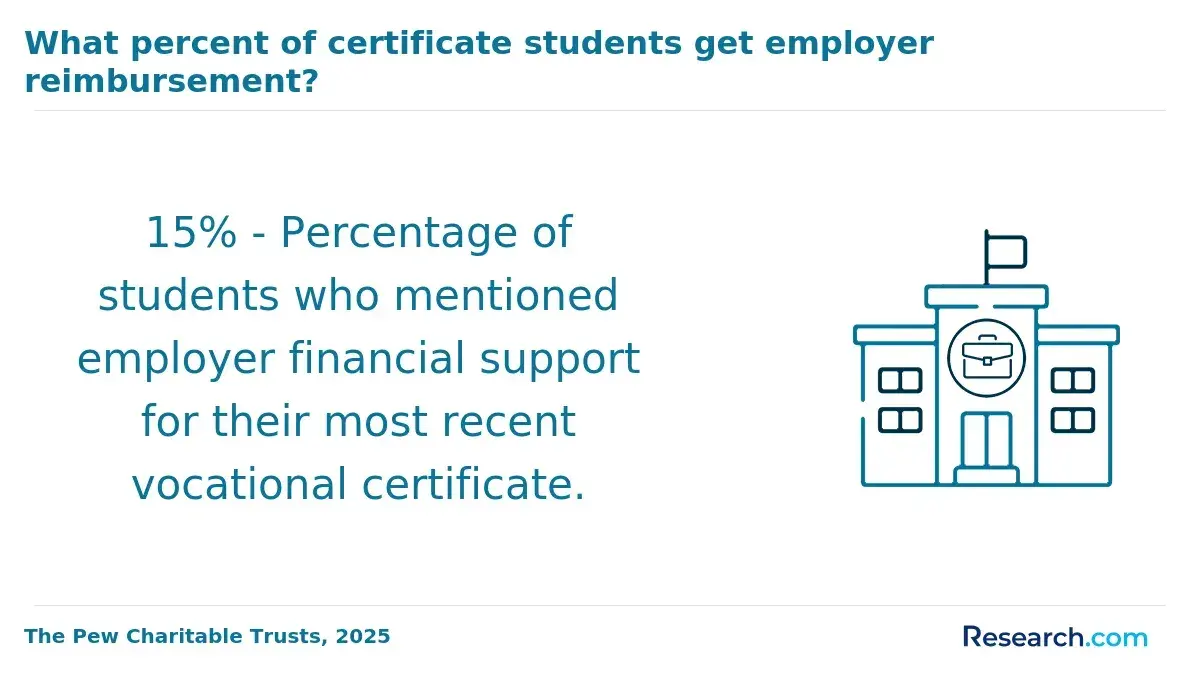
Entrepreneurship education varies significantly based on immediate goals and workforce expectations, influencing how individuals should prioritize program depth, duration, and specialization. Certificate programs provide targeted skills such as business modeling and digital marketing, ideal for professionals balancing full-time roles or launching small ventures, while associate degrees offer foundational business knowledge but see limited adoption in entrepreneurship-focused career paths.
Bachelor's degrees, typically lasting 3-4 years, integrate core business subjects with entrepreneurship-specific courses like innovation management and venture creation, aligning with employer preferences for broader strategic competence. Master's programs, requiring 1-2 years, emphasize advanced topics-venture capital, scaling, global markets-and leadership within entrepreneurial ecosystems, often essential for executive or serial founder ambitions. Notably, 62% of U.S. entrepreneurs hold at least a bachelor's degree, while 11% possess a master's, reflecting education's weight in investor and employer assessments.
Choosing between these pathways demands evaluating tradeoffs beyond credential acquisition: certificates offer swift entry to tactical skills, useful when launching startups concurrent with other commitments, whereas degrees provide rigorous training and networking critical for sustaining high-growth ventures. Enrollment decisions should consider program accreditation and outcomes, especially given the variable quality of accredited online entrepreneurship certificates and degrees. Prospective students may compare cost-effectiveness relative to outcomes by reviewing the cheapest AACSB accredited online MBA options, which balance recognized rigor and affordability in related business disciplines.
What accreditation and quality indicators should students look for in online entrepreneurship programs?
Employers and graduate programs consistently favor regionally accredited institutions because these ensure that online entrepreneurship degrees meet rigorous academic and operational standards. Accreditation by recognized bodies such as the Higher Learning Commission or the Middle States Commission is essential, while programmatic accreditation from the AACSB or ACBSP indicates that business curricula align closely with industry needs. Choosing accredited online entrepreneurship programs for students is a fundamental quality indicator that directly impacts credibility and long-term career options.
Cost remains a significant determinant of value, especially when balanced with flexibility for working professionals or startup founders. The National Center for Education Statistics identifies an average total tuition of approximately $42,000 for four-year online business degrees, a notable cost advantage compared to traditional residential routes. However, reduced costs should be scrutinized for potential compromises in faculty expertise or access to experiential learning opportunities, including incubators and mentorship.
Employability outcomes offer the clearest evidence of a program's practical return. Graduates positioned in urban tech markets must gain hands-on experience in areas such as digital marketing or venture capital networking to compete effectively. Students should assess programs for transparent data on job placement rates, starting salaries, and entrepreneurial success measured within six to twelve months post-graduation.
Key program features include applied project work, internships, and business plan development that address specific industry contexts. Online collaboration tools and sustained networking support are indispensable for entrepreneurship pathways where relationships drive opportunity and scaling.
For those seeking a cost-efficient pathway without sacrificing quality, researching the most affordable online MBA programs can be a useful strategic step. These programs illustrate practical variations in pricing and outcomes relevant to quality indicators for online entrepreneurship degrees.
What core courses and specializations are typically included in an online entrepreneurship curriculum?
Entrepreneurship curricula often falter when overemphasizing theoretical content at the expense of actionable skills critical for real-world success. Core courses in finance, marketing, operations, and business law offer fundamental frameworks but insufficiently address the complexities of launching and scaling ventures without substantial applied components.
The true differentiator lies in specialization tracks oriented toward tangible outcomes. For instance, a sales management focus equips students with negotiation skills, customer relationship management, and forecasting abilities directly linked to revenue growth. According to 2024 PayScale data, entrepreneurs skilled in sales management earn approximately 85% above median peer salaries, illustrating the market premium on applied skillsets rather than abstract knowledge.
Programs targeting technology startups prioritize lean methodologies and user-centric design, contrasting with retail or service-focused paths that emphasize supply chain efficiency and customer experience optimization. This sector-specific approach helps students navigate operational tradeoffs and resource limitations more effectively.
Experiential learning through business plans and market analyses is indispensable for bridging theory with market realities, yet not all curricula require these. Graduates lacking such exposure risk possessing only academic understanding, which diminishes employability and venture viability.
- Curricula should balance foundational theory with project-based learning focused on measurable outcomes.
- Specializations must reflect the demands of targeted industries to optimize career relevance.
- Students must assess whether programs integrate real-world application aligning with employer expectations.
What are the typical admission requirements and application materials for online entrepreneurship degrees?
Admission processes for online entrepreneurship degree programs typically balance academic benchmarks with practical assessments that predict real-world readiness. While a high school GPA threshold usually ranges from 2.5 to 3.0, the competitive edge leans toward 3.5 or above, especially for programs emphasizing applied business skills over purely academic credentials. Standardized tests such as the SAT or ACT are increasingly optional, but remain relevant for applicants without prior college experience, serving as an alternative indicator of quantitative and verbal aptitude.
Application components extend beyond transcripts, demanding essays that connect the candidate's prior experience and industry-specific entrepreneurial challenges. For example, technology startup applicants must articulate competencies in innovation and risk management, whereas those targeting retail or service sectors should demonstrate understanding of customer engagement and scalability.
Programs often require two to three recommendation letters from individuals familiar with the applicant's leadership and business acumen, supplemented by resumes that underscore relevant internships or work experience. These elements serve as proxies for practical skills and leadership potential, critical in markets where effective problem-solving and hands-on knowledge influence hiring decisions more than academic prestige.
Because small businesses have driven roughly 12.7 million net new jobs from 1995 to 2020-far outpacing large firms' 7.9 million-students focused on entrepreneurship should reflect on how admission criteria align with employer expectations in startups and gig economies, where demonstrated skillsets often outweigh traditional metrics.
How long do online entrepreneurship programs take to complete, and what do they cost?
Entrepreneurship education outcomes depend heavily on program duration, cost, and curricular focus, which should align with practical career objectives rather than abstract credentials. Certificate programs, lasting 6 to 12 months, suit individuals targeting specific skills like lean startup strategies or digital marketing, enabling faster market entry but often lacking depth for regulated industries. Associate and bachelor's degrees require roughly two to four years and provide comprehensive training that covers legal, financial, and operational complexities critical for sustained business ventures, especially in sectors like healthcare or manufacturing.
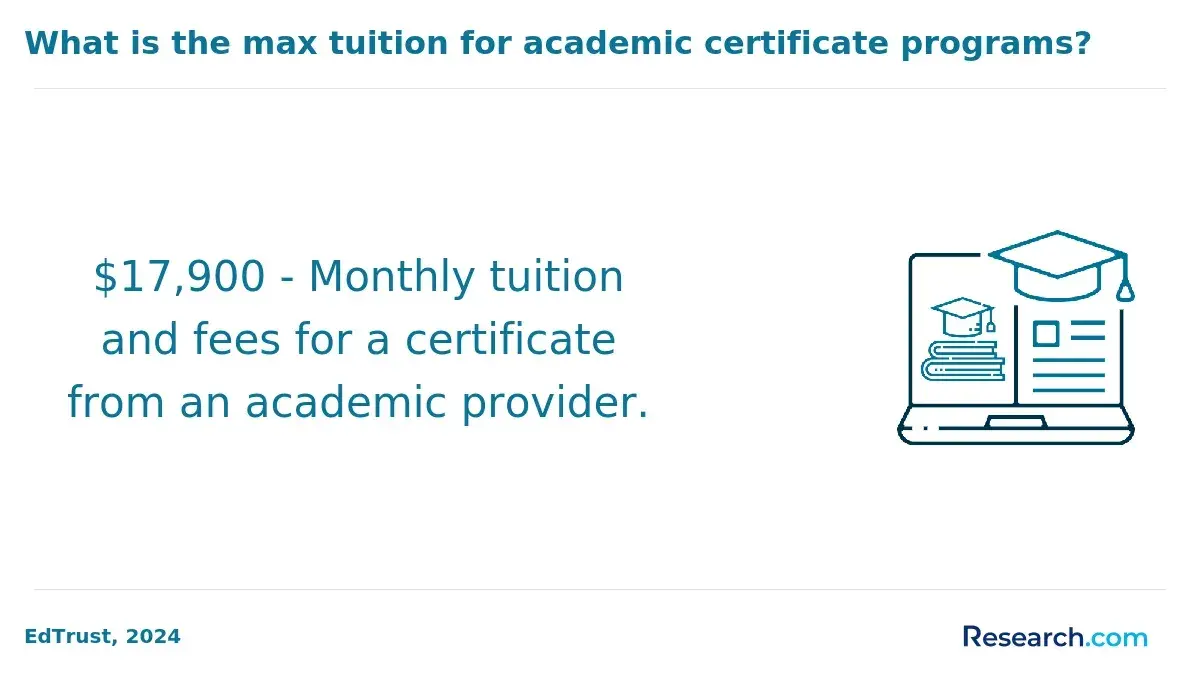
Cost considerations reflect significant variance: public online options typically range from $4,000 to $8,000 annually, whereas private institutions may exceed $30,000. Certificate programs offer a lower upfront investment ($1,000-$5,000) but with tradeoffs in long-term applicability and employer recognition. The decision should weigh expenses against expected outcomes, particularly since a 2024 longitudinal study confirms that entrepreneurship education statistically increases the chances of self-employment and business ownership within three years post-graduation.
Part-time study extends time to completion but facilitates balancing work or other commitments, which is common among prospective entrepreneurs. Students entering fast-moving sectors often favor accelerated, modular curricula, while those aiming for complex industries benefit from extended, rigorous degree paths. Verifying program rigor and alignment with industry realities is crucial, as superficial offerings rarely equip founders for operational challenges or durable startup success.
What careers can graduates pursue with an online entrepreneurship degree beyond starting their own business?
Graduates with an online entrepreneurship degree often face a strategic decision between founding startups and joining established organizations. While the entrepreneurial path involves direct operational risks and pressures, many graduates enhance employability by targeting roles that apply their skills in opportunity recognition, financial modeling, and market validation within existing firms.
For example, working as an innovation manager in a tech company requires leading product initiatives and coordinating diverse teams to commercialize ideas, demanding proficiency in pitching concepts and managing uncertainty. Startup consulting offers an alternative, focusing on advising early-stage companies on scaling and fundraising without ownership risk, appealing to those not ready for direct entrepreneurial responsibility.
Corporate strategy roles also attract these graduates, leveraging analytical talent to identify acquisitions and market expansion opportunities. However, current data shows only a small percentage of very young founders-just 1% from Generation Z-opt to start businesses, indicating a trend toward traditional employment paths in the short term.
Practical competencies such as digital marketing and leadership communication are essential for navigating the ambiguous responsibilities in innovation teams or the high accountability typical of consultancy. The degree's value lies less in guaranteeing business ownership and more in equipping graduates for strategic roles where entrepreneurial thinking drives growth and innovation.
What salary ranges and earning potential can entrepreneurship graduates expect in different roles?
Salary trajectories for entrepreneurship graduates vary widely, shaped by role, industry, and the degree of technical proficiency, especially in AI and digital tools. Entry-level positions such as business development managers or startup founders generally see annual salaries between $55,000 and $110,000, but this doubles as one gains experience in venture operations or product management. Leadership roles within startups, including CEOs, can command $150,000 or more, contingent on company scale and funding.
AI literacy now differentiates candidates in ways beyond basic credentials. According to a 2025 HubSpot survey, 73% of entrepreneurs use AI tools, with 43% noting a marked increase in productivity. For example, graduates focusing on e-commerce who integrate AI-powered analytics and automation often justify starting salaries exceeding $70,000 by accelerating revenue growth. In contrast, those entering traditional sectors like retail frequently encounter entry points closer to $50,000, facing limitations without digital upskilling.
Balancing entrepreneurial ventures during study phases requires managing uneven income and reinvestment challenges, delaying personal salary growth but potentially accelerating market positioning. Pursuing roles blending technical entrepreneurship expertise with cross-functional management is a more direct path to breaking six-figure earnings within five years post-graduation.
How can students evaluate and choose the best online entrepreneurship degree for their goals?
Choosing an online entrepreneurship degree requires prioritizing programs that deliver applicable skills aligned with specific career goals, rather than defaulting to institutional prestige. For example, prospective tech founders benefit more from curricula emphasizing digital product development and startup financing simulations, whereas those aiming for small business ownership should seek programs focused on operational management and local market dynamics.
Key factors include faculty with direct entrepreneurial experience and strong industry ties, which correlate more closely with employability than mere accreditation alone. Employer hiring preferences tend to favor candidates who present practical portfolios or entrepreneurial outcomes over traditional academic credentials.
Flexibility in course format and accessibility of career services are critical, particularly for working students balancing multiple commitments. Asynchronous courses with modular structures that allow real-time skill application reduce opportunity costs while supporting tangible workforce readiness. Consider how short-term credentials-endorsed by government and industry agencies-can either supplement or stand in for longer degree programs based on immediate career demands.
To navigate trade-offs in cost-effectiveness, analyze graduate success rates relative to tuition and time investment, using data from comprehensive educational reports alongside industry feedback.
- Prioritize curricula with practical modules tailored to your target business model.
- Evaluate faculty credentials for current entrepreneurial engagement.
- Assess program flexibility and supplemental credential opportunities.
Other Things You Should Know About Entrepreneurship
In 2027, many online entrepreneurship programs offer flexible schedules that allow you to work full-time. However, effectively balancing work and studies requires strong time management skills and careful planning.
Yes. Many 2027 online entrepreneurship degrees require a capstone, often a business plan, startup pitch, or venture feasibility project. Programs usually place it in the final term and may require 3 to 6 credits. Some schools also require faculty approval before a student uses a real business as the project topic.
Choosing a program with an applied skills focus provides stronger preparation for launching businesses or managing small enterprises, as it emphasizes real-world problem solving and practical tools. Theory-heavy programs may suit those targeting academic careers or strategic roles in larger firms but are less effective for immediate entrepreneurial action. Prioritize programs offering hands-on opportunities like business plan development and networking.
Launching a business while enrolled can accelerate learning and build a real-world track record, yet it adds strain that may affect academic performance. Students should assess their capacity to juggle both commitments and consider programs with mentorship and startup resources. If resources are limited, focusing on completing the degree first may provide better foundational knowledge before taking on operational risks.
References
- How to Become Self-Employed After Studying Abroad https://www.hotcoursesabroad.com/study-abroad-info/career-prospects/your-guide-to-entrepreneurship/
- International Business Salaries (Roles & Salary Ranges) https://www.allbusinessschools.com/international-business/salary/
- How to Start Your Own Business While Studying: A Practical Guide for Students (2026) - Paris School of Management (PSM) https://www.psm-paris.fr/en/how-to-start-your-own-business-while-studying/
- Entrepreneurship programmes on tertiary level https://ecsb.org/entrepreneurship-programs-on-tertiary-level/
- How Online BBA in Entrepreneurship Shapes Entrepreneurs https://www.onlinecu.in/blog/cu/the-role-of-an-online-bba-in-entrepreneurship-in-shaping-budding-entrepreneurs.php
- Intro to Entrepreneurship Syllabus & Instructor Guide for College Courses https://teachingentrepreneurship.org/intro-to-entrepreneurship-syllabus-and-instructor-guide/
- Online Master's in Entrepreneurship and Innovation | RBS https://romebusinessschool.com/master-online-in-entrepreneurship-and-innovation/
- UNIC Series of Open Entrepreneurship Courses 2025/2026 https://unic.eu/fi/events/unic-series-open-entrepreneurship-courses
- Degrees for Entrepreneurs | University of Phoenix https://www.phoenix.edu/articles/entrepreneurship/degrees-for-entrepreneurs.html
- Entrepreneurship Degree and Certificate Programs | DeVry https://www.devry.edu/online-programs/area-of-study/entrepreneurship.html