2027 Best Online Entrepreneurship Degrees for SaaS Startup Careers

Co-Founder and Chief Data Scientist
Many aspiring SaaS founders encounter a critical bottleneck: how to gain actionable entrepreneurial skills without sacrificing current job stability or relocating for traditional degree programs. The surge in online degree enrollment-growing 8.4% annually according to the National Center for Education Statistics-reflects shifting adult learner priorities emphasizing flexible schedules and career-aligned curricula. Yet, not all online entrepreneurship degrees equip students with the specific strategic insight or network access needed to launch scalable SaaS ventures successfully.
Navigating this landscape requires discerning which programs balance academic rigor, real-world SaaS knowledge, and scalable skill building. This article evaluates the best online entrepreneurship degrees tailored for SaaS startup careers, addressing these precise challenges to aid informed educational choices.
Key Things You Should Know
- Programs emphasizing SaaS-specific product management report 20% higher startup survival rates, but require prioritizing technical skill acquisition over diverse business fundamentals, creating a strategic tradeoff in curriculum focus.
- Employers increasingly value experiential credentials, with 68% of SaaS venture-backed firms in 2025 preferring candidates who completed capstone projects directly linked to scalable software models.
- The median time-to-degree for online entrepreneurship students entering SaaS roles extends 30% longer than traditional routes due to specialized coursework, impacting cost-benefit timing for career pivoters balancing opportunity costs.
What is an online entrepreneurship degree for SaaS careers and who is it right for?
An online entrepreneurship degree for SaaS careers must balance business strategy with a precise understanding of software and product management tailored to cloud-based solutions. Unlike traditional entrepreneurship programs, it focuses on subscription billing models, user acquisition analytics, and agile iterations essential for SaaS startups. This specificity is critical for professionals aiming to founder, manage, or scale SaaS ventures, given market expectations for combined technical and business fluency.
Employment projections confirm this demand: SaaS-related roles such as software developers and information security analysts are expected to grow 14% from 2022 to 2032, significantly outpacing average job growth. Graduates equipped with these dual competencies reduce startup risk by accelerating product-market fit and improving investor confidence.
Transitioning individuals from general business backgrounds face a steep learning curve, needing practical expertise in cloud infrastructure and data-driven customer strategies alongside lean startup practices. Working professionals evaluating the best online entrepreneurship programs for SaaS startups should prioritize flexible, modular curricula that enable immediate application and portfolio development.
Effective programs offer real-world SaaS case studies, mentorship from industry practitioners, and access to startup ecosystems. Given the inherent limitations of asynchronous degrees, network-building and hands-on project components are non-negotiable to avoid theoretical knowledge disconnected from market realities.
For professionals also considering broader paths, the cheapest online MBA healthcare management programs can illustrate alternative sector-specific entrepreneurial tracks.
How do online entrepreneurship programs prepare you to launch and scale a SaaS startup?
Online entrepreneurship programs focused on SaaS startups emphasize pragmatic application of lean methodologies and SaaS-specific metrics like monthly recurring revenue (MRR), churn rate, and customer lifetime value (CLV). This equips founders with a quantitative basis to decide when to pivot or scale. For example, a graduate using cohort-based insights on pricing elasticity can refine tiered subscription models, directly affecting retention and revenue-essential in a marketplace where SaaS deal value topped $192.6 billion across 5,400+ deals in 2024, intensifying competitive and investor pressures.
Students developing cloud-native solutions gain necessary technical fluency paired with agile frameworks and SaaS infrastructure cost controls, enabling them to balance rapid scaling challenges. Programs also address go-to-market approaches tailored to B2B versus B2C SaaS channels, informing resource prioritization amid ongoing venture capital contractions. Understanding these scaling strategies taught in online entrepreneurship programs for SaaS businesses helps graduates target enterprise adoption or self-service paths more effectively.
Leadership training extends to managing decentralized remote teams and establishing measurable objectives via OKRs-skills critical to sustaining alignment during growth phases. However, the virtual format demands high self-discipline and adaptability, which can hinder some students due to limited in-person networking.
Prospective candidates considering such education should compare these offerings with broader business degrees, for instance, exploring MBA programs online, to gauge which best aligns with their strategic career needs in startup formation or advancement.
Which types of entrepreneurship degrees are best for SaaS founders and product builders?
SaaS founders face unique challenges that require entrepreneurship degrees extending beyond generic business fundamentals. Effective programs integrate innovation, technology management, and venture finance with technical knowledge such as software development and product management to bridge the gap between business strategy and engineering execution. For example, a bachelor's degree paired with minors in data analytics or computer science enhances communication between startup founders and technical teams, a critical advantage in product-led SaaS ventures.
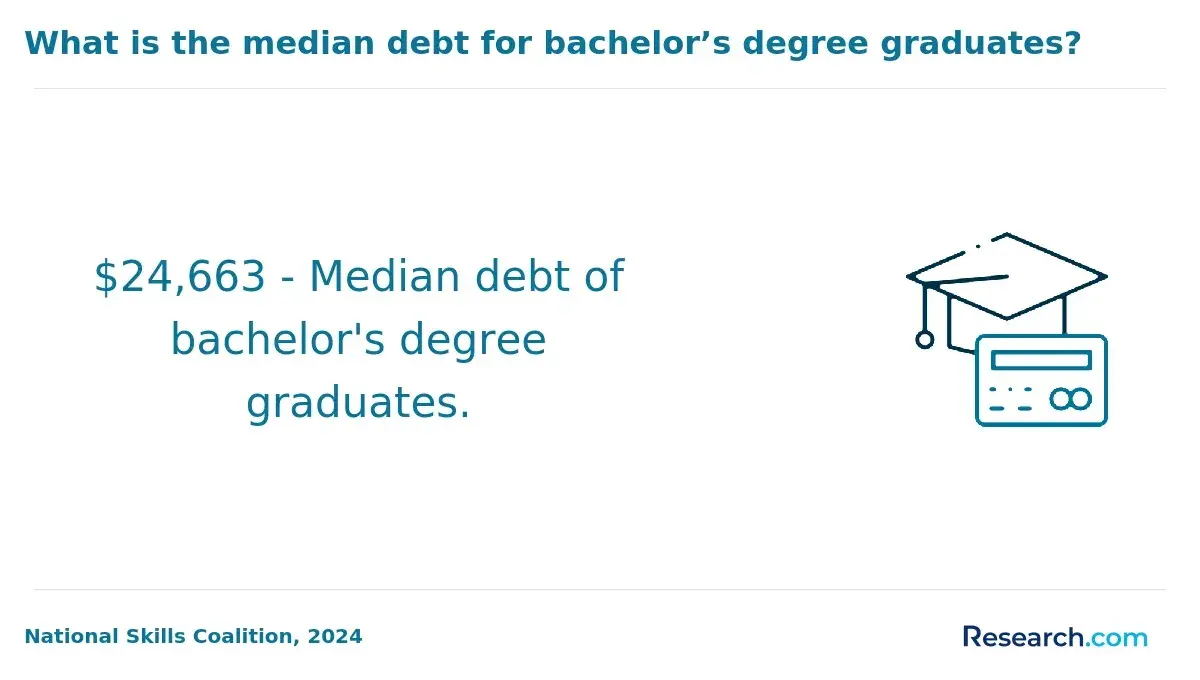
Return on investment can vary substantially. Analysis from MBASchools.org shows graduates from the University of Illinois Urbana-Champaign's online business programs average $81,054 in median salaries a decade post-enrollment on a net cost of $14,355, illustrating how some targeted entrepreneurship degrees justify long-term financial commitment. Those evaluating options like the quickest online MBA programs should weigh whether curricula include applied projects or startup incubators, which directly impact employability in tech ecosystems.
Top online entrepreneurship programs for SaaS product development typically incorporate:
- Training in financial modeling and venture capital to handle early-stage fundraising
- Lean startup methodologies optimizing product-market fit iterations
- Technical product management skills to align software delivery with customer needs
- Networking opportunities with tech entrepreneurs and potential backers through structured partnerships
Without these elements, graduates risk underperformance in managing SaaS growth complexities. Those lacking technical fluency may find it difficult to influence product roadmaps, while gaps in funding knowledge can hinder critical financing decisions. Prospective students seeking the best entrepreneurship degrees for SaaS startup founders must prioritize programs demonstrating clear outcomes in skill integration and career relevance.
How do online entrepreneurship degrees compare with campus programs for SaaS-focused students?
Online entrepreneurship degrees for SaaS startup careers demand evaluation through operational tradeoffs rather than convenience alone. While tuition for online MBAs ranges from $5,220 to over $19,278 annually, offering a significantly lower upfront cost, founders must weigh curriculum rigor alongside tangible ROI-given that many U.S. unicorn founders hold MBAs. The cheapest online MBA options provide affordability without sacrificing key strategic and operational training essential for SaaS-focused professionals.
Comparing online and campus entrepreneurship programs for SaaS students reveals distinct workforce implications. Campus programs offer immersive, in-person networking embedded in local startup ecosystems, increasing chances for mentorship and deal flow. Conversely, online degrees leverage asynchronous learning and virtual collaboration to accommodate founders juggling live product management and distributed teams worldwide. This dynamic suits those prioritizing workload balance and career momentum but entails less spontaneous peer interaction.
Employer recognition increasingly treats accredited online and campus degrees equivalently, but SaaS startup founders seeking immersion in tech hubs or incubators might find campus environments irreplaceable. Practical, project-based learning remains critical-online options featuring live case studies and mentorship better simulate SaaS product iteration than purely self-paced courses, supporting real-time application and deeper engagement.
Benefits of online entrepreneurship education for SaaS-focused careers include flexibility and cost efficiency, yet tradeoffs involve fewer organic networking moments and potential challenges in team-building exercises conducted virtually.
What accreditation should SaaS-focused entrepreneurship programs have, and how do you verify it?
Programs focused on SaaS entrepreneurship must have regional accreditation recognized by the U.S. Department of Education or the Council for Higher Education Accreditation (CHEA) to ensure rigorous curriculum standards and credit transferability. This accreditation directly impacts the program's value in the job market: graduates from regionally accredited programs have a 40% higher chance of credential recognition by top SaaS employers and venture capital evaluators, based on data from the National Center for Education Statistics.
Verification of accreditation should go beyond institutional claims, requiring confirmation that the specific program is accredited by checking federal databases or CHEA's official listings. For those targeting SaaS startup roles, curriculum quality extends to integrating entrepreneurship fundamentals alongside technical and software business components, as these distinctions influence both workforce readiness and accreditation outcomes.
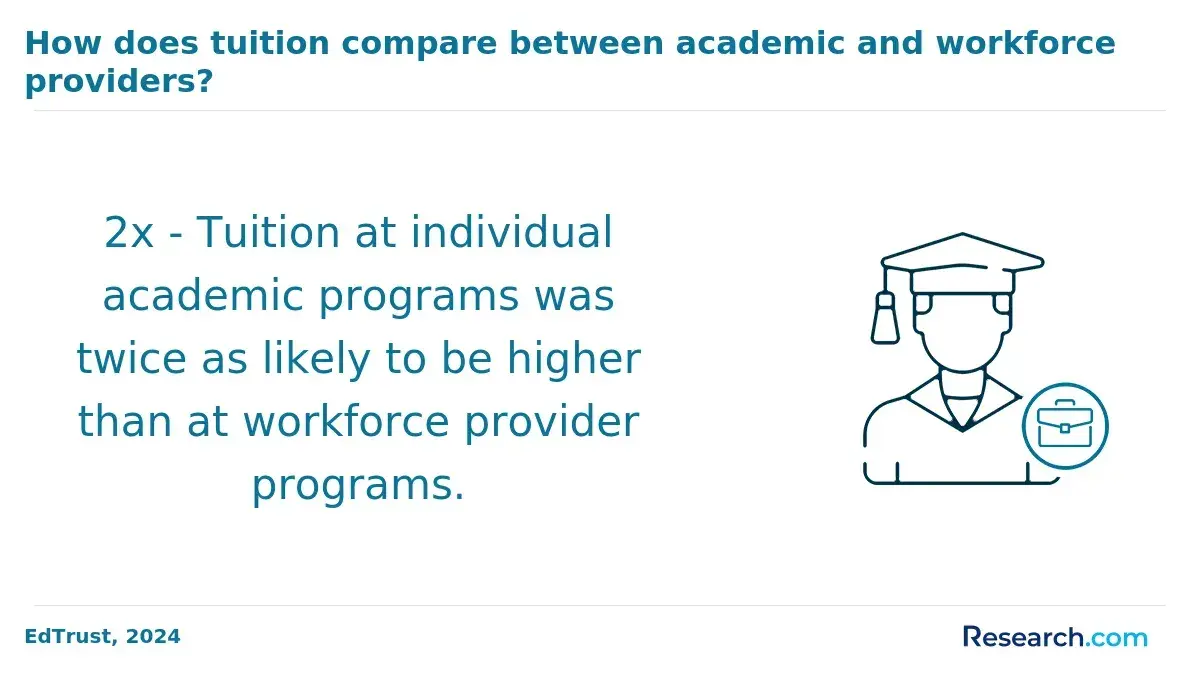
Cost differences highlight practical tradeoffs: for example, a public university's 2025 online entrepreneurship program charges $184.25 per credit for in-state students-about $190 less than on-campus options-while out-of-state online tuition is $368.50 per credit. Such pricing structures suggest accredited online pathways can provide affordable, legitimate credentials crucial for career changers balancing work and education.
Prospective students must also scrutinize outcome metrics related to employment rates and SaaS sector hiring embedded within accreditation records. Opaque or absent real-world project integration and graduate success data may signal limited applicability despite formal accreditation.
What courses and skills do top online entrepreneurship programs teach for SaaS careers?
Programs targeting SaaS-focused entrepreneurship demand fluency in technical execution and financial strategy, reflecting employer expectations for graduates who can bridge product design with scalable business practices. Core training addresses specific challenges such as pricing tiers linked to user volume, cloud infrastructure budgeting, and retention-centered customer lifecycle management. These competencies surpass generic entrepreneurship curricula by integrating SaaS-specific operational insights.
For example, a student launching an HR SaaS product must simultaneously model cloud costs that scale dynamically, develop compliance strategies aligned with employee data privacy laws, and deploy targeted digital campaigns-tasks that require layered knowledge of agile project management, SaaS unit economics, and digital marketing funnels.
Labor market data from Best Online Bachelor's Degrees for SaaS-Focused Entrepreneurship CollegeEducated based on BLS projections indicate a 7% growth in business and financial occupations by 2031, outpacing overall job expansion. This supports prioritizing education that blends business fundamentals with specialized SaaS skills to meet distinct market needs.
Graduates should expect to negotiate intellectual property and contract specifics unique to digital services and manage cross-functional teams that leverage analytics for continuous product iteration. The tradeoff involves mastering a technical-business hybrid skill set, which may require foregoing broader generalist entrepreneurship options in favor of targeted SaaS expertise.
What are typical admission requirements, program length, and total costs for these degrees?
Admission requirements for online entrepreneurship degrees targeting SaaS startup careers demand more than just academic credentials; programs often seek candidates with two to five years of relevant work experience in technology, product management, or startup settings. This requirement aligns with employer preferences for practical expertise over purely theoretical knowledge. Some programs maintain GRE or GMAT score mandates but are increasingly waiving them for applicants with proven entrepreneurial or managerial success.
Program lengths vary, typically spanning 18 to 24 months full-time, with part-time tracks extending up to three years to accommodate working professionals. Curricula commonly require 30 to 33 credit hours, combining foundational entrepreneurship with specialized SaaS topics such as subscription business models and cloud economics. This balance allows for deep skill development while minimizing time away from industry engagement.
Tuition costs generally range from $1,015 to $1,048 per credit, culminating in $30,450 to $34,584 total for the full program. Prospective students must weigh this investment against opportunity costs like lost wages and technology fees. For example, a SaaS product manager seeking a C-suite role must prioritize programs offering strong mentorship and experiential learning tailored to SaaS dynamics; programs lacking these elements may limit long-term ROI despite similar pricing.
- Admission focuses on relevant experience plus academic background
- Programs balance core entrepreneurship with SaaS-specific coursework
- Costs exceed $30,000, requiring ROI and flexibility evaluation
- Exposure to mentorship and SaaS-centric content can impact career trajectories
What SaaS startup and tech roles can you pursue with an online entrepreneurship degree?
An online entrepreneurship degree acts primarily as a foundational credential rather than an immediate gateway to senior-level tech roles within SaaS startups. Employers commonly expect 1-3 years of relevant experience alongside this education, especially since effective SaaS leadership requires blending technical understanding with strategic business insight. Graduates proficient in customer discovery, agile methodologies, and competitive analysis are better positioned to influence product roadmaps, whereas those lacking technical literacy may struggle to collaborate with engineering teams or interpret user data.
For career pivots from non-technical backgrounds, supplementing entrepreneurship coursework with specific training-such as coding bootcamps or product analytics certifications-is often necessary to thrive in multidisciplinary startup roles. The realistic career pathways include roles like:
- Product Manager overseeing feature development and user engagement metrics
- Growth Marketer applying data-driven acquisition and retention strategies
- Business Development Lead negotiating partnerships and scaling channels
- Startup Founder managing MVP launches and early fundraising
- Operations Manager optimizing workflow automation and customer success
Cost effectiveness is notable in emerging markets, where online entrepreneurship programs, such as those outlined in Riseupp's 2026 guide, price three-year BBAs around ₹1.31 to ₹1.50 lakh-an accessible entry point compared to high tuition in the U.S. However, prospective students in the U.S. must weigh program content rigor and how well it matches employer expectations for technical fluency and startup dynamics to ensure meaningful workforce impact.
What salary ranges and job outlook can SaaS-focused entrepreneurship graduates expect?
Salaries for SaaS-focused entrepreneurship graduates show a clear wage premium compared to the broader workforce, with median early-career earnings around $75,000 to $85,000, and potential to surpass six figures as professionals move into product management, sales leadership, or founding roles. The U.S. Bureau of Labor Statistics (BLS), as reported by the University of Phoenix, indicated a median annual wage of $76,850 in business and financial occupations for 2022, markedly higher than the $46,310 median across all fields. This differential reflects employer preference for candidates blending business fundamentals with SaaS technical fluency.
Workforce demand supports growth, with approximately 911,400 new positions expected by 2032 in relevant occupations, especially concentrated in urban tech hubs and emerging SaaS clusters. This signals advantage for graduates applying entrepreneurship skills alongside market-savvy SaaS strategies.
Key career tradeoffs emerge:
- Launching a SaaS startup demands comprehensive market validation and agile tactics but typically delays substantial income.
- Corporate SaaS roles in sales or product management offer quicker salary escalation but require focused negotiation and client impact skills.
- Business analysts and operations managers must leverage analytical tools gained through structured entrepreneurship studies to optimize financing and scale.
Employers emphasize formal credentials for mid-level and leadership positions, often equating them with critical financial literacy and capital management capabilities beyond what freelance experience alone provides. Practical decision-making about educational investment should weigh these market realities against individual career timing and ambitions.
How can you choose a reputable online entrepreneurship program tailored to SaaS goals?
Programs claiming strength in SaaS-focused entrepreneurship must be evaluated on tangible ecosystem integration rather than marketing claims. Access to affiliated seed funds or venture accelerators materially shifts startup trajectory by reducing time spent on initial fundraising challenges. For example, founders with embedded program capital can accelerate product launches compared to peers relying solely on external investors.
Alumni success in scaling SaaS companies, notably unicorns led by MBA holders, signals program efficacy beyond classroom theory. However, these outcomes also reflect selective admissions and industry networks, so prospective students should examine alumni data critically rather than assume uniform advantage.
Curricula must address SaaS-specific realities, such as subscription economics, optimizing customer acquisition cost, and iterative product-market fit strategies. Generic entrepreneurship courses lacking this focus fail to equip students for the operational complexities of software-as-a-service markets. Hands-on components like live startup simulations sharpen practical skills aligned with employer expectations.
Carefully assess logistical factors: accreditation standards, faculty experience in SaaS ventures, and flexible formats compatible with full-time employment. Without these, programs risk outdated content and limited real-world applicability, undermining both employability and startup sustainability.
- Integrated startup ecosystems and early-stage funding access optimize launch velocity.
- SaaS-aligned curricula with practical simulations improve skill transferability.
- Proven alumni outcomes matter but require contextual scrutiny.
- Logistical flexibility and faculty expertise directly affect program relevance.
Other Things You Should Know About Entrepreneurship
An online entrepreneurship degree can add structured strategic knowledge and networking opportunities that independent experience alone may lack. However, if your technical and business skills are already strong, prioritize programs that offer advanced topics in SaaS scaling, venture financing, or innovation management rather than broad introductions. Avoid programs heavy on theory with little application, as they offer limited incremental value compared to focused certificates or workshops.
Look for institutional accreditation from a U.S. Department of Education-recognized agency, such as a regional accreditor, plus business-school accreditation from AACSB or ACBSP when available. These credentials support credit transfer, graduate admission, and employer recognition, especially for 2027 online entrepreneurship degrees.
Yes, programs embedding SaaS-specific case studies and hands-on projects enhance learning retention and directly apply to startup challenges. These elements develop critical thinking on customer acquisition, subscription models, and product lifecycle management essential for SaaS success. Without this focus, students risk graduating with general entrepreneurship knowledge but insufficient practical tools tailored to SaaS market dynamics.
References
- Top Business Development Training Courses to Boost Your Career Growth and Confidence https://www.pryor.com/blog-categories/professional-development/business-development-training-courses-career-growth.html
- Entrepreneurship salary - What you earn after studying | CBS https://www.cbs.de/en/blog/entrepreneurship-salary
- Which Solution to Choose for Your Online Store? Custom Software vs. SaaS - Media4U https://media4u.pl/en/blog/custom-software-vs-saas-which-solution-to-choose/
- What to Study to Become an Entrepreneur? https://www.study.eu/article/what-to-study-to-become-an-entrepreneur
- Learn Business Online: Top Courses to Consider https://www.sophia.org/blog/courses-development/learn-business-online-top-courses/
- 5 steps to build and scale a successful SaaS business https://www.sage.com/en-us/blog/5-steps-to-build-and-scale-a-successful-saas-business/
- SaaS company registration: how to choose the best country https://woborders.agency/en/blog/portfolio/what-you-should-know-before-registering-saas-business/
- How to Gain SaaS Credibility Through Accreditations? https://www.iomart.com/global-content/insights-articles/gain-saas-credibility-through-accreditations
- SaaS or in-house e-commerce software -. Shoper https://investors.shoper.pl/en/press-office/saas-czy-wlasne-oprogramowanie-e-sklepu
- Career prospects after International Business | The Hague University of Applied Sciences https://www.thuas.com/programmes/bachelors/international-business-4-years/career-prospects-after-international-business