2027 E-commerce Business Paths You Can Pursue With an Entrepreneurship Degree

Co-Founder and Chief Data Scientist
Facing a rapidly evolving e-commerce landscape, aspiring entrepreneurs with a degree in entrepreneurship often struggle to identify viable business models that align with their skills and market realities. The rise of flexible online programs means students can upskill without interrupting their careers, yet this also saturates the market with graduates seeking competitive advantages.
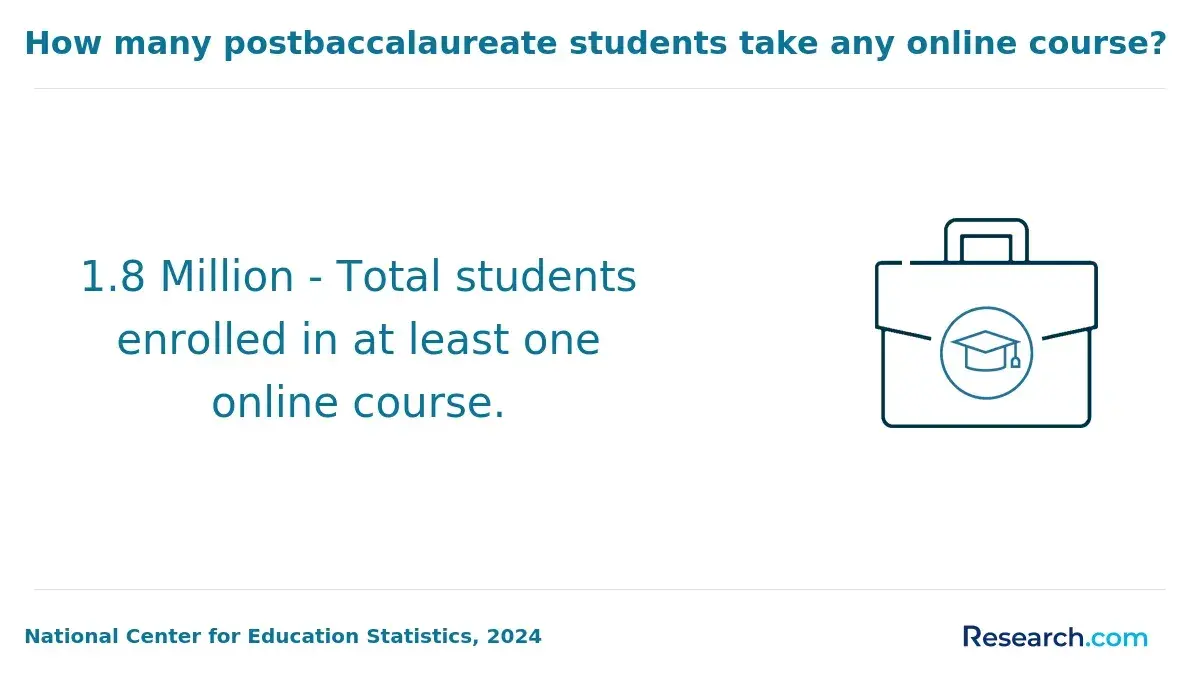
According to the National Center for Education Statistics, over 40% of degree seekers in business fields now enroll in part-time or online formats, reflecting a shift toward balancing education with workforce demands rather than traditional full-time study. This shift complicates timing and program choice, influencing how graduates enter and innovate within e-commerce.
This article outlines distinct e-commerce business paths tailored for entrepreneurship degree holders, offering clarity on practical opportunities and strategic considerations for turning education into sustainable commercial ventures.
Key Things You Should Know
- Recent U.S. Labor Department data show 58% of entrepreneurship grads pivot into e-commerce product management, though 42% cite inadequate digital marketing depth as a barrier, demanding targeted skills upgrades.
- Entrepreneurship graduates often face a tradeoff: prioritizing scalable platform launches lowers initial revenue predictability, complicating access to traditional VC funding per 2024 PitchBook analytics.
- The National Center for Education Statistics reports average program costs rising 12% by 2025, influencing timing decisions as longer curricula delay entry into rapidly evolving e-commerce niches.
What E-commerce Careers Can an Entrepreneurship Degree Lead To?
An entrepreneurship degree offers targeted preparation for operational and leadership roles within e-commerce, where the ability to manage rapid change and complex supply chains is paramount. Given that global retail e-commerce sales will reach $6.42 trillion in 2025 with over a fifth of retail spending online, the pathway from entrepreneurship studies to business paths in e-commerce after entrepreneurship studies is increasingly pragmatic rather than theoretical.
Graduates aiming to become e-commerce business owners must handle practical challenges such as inventory sourcing, vendor negotiations, and platform selection, often developed through applied coursework like case studies and business plan creation. This hands-on orientation is key to addressing real-world friction like cash flow variability and technology integration needs-critical skills for startups and scaleups in a highly competitive landscape.
Roles such as digital marketing strategists demand a nuanced grasp of market segmentation and budget allocation to reduce customer acquisition costs, especially since major e-commerce players allocate upwards of 10% of revenue on advertising.
Product managers with an entrepreneurship background must balance rapidly iterating product features with financial constraints and variable customer feedback, underscoring the need for strategic vision coupled with operational execution.
For those exploring advanced credentials, options like an MBA entrepreneurship online offer ways to deepen relevant expertise while accommodating working professionals.
In practice, e-commerce career opportunities with an entrepreneurship degree require candidates to anticipate shifting consumer behavior and supply chain disruptions, making adaptability and cross-functional skills equally important as foundational business knowledge.
How Do Entrepreneurship Degrees Prepare You for E-commerce?
Earning an entrepreneurship degree sharpens skills essential for e-commerce strategy roles increasingly vital as digital sales dominate revenue streams-54% projected by 2026 per Salesforce's data. This pathway aligns with employer demand for candidates who combine opportunity recognition with operational execution, indispensable in online business success scenarios such as launching niche direct-to-consumer brands where precise budget allocation impacts profitability.
Applying entrepreneurship education to online business success hinges on mastering supply chain management, negotiating with technology vendors, and optimizing acquisition costs. Graduates gain specialized competencies in lean startup methods and agile adaptation, differentiating this training from broader business degrees that often lack targeted focus on rapid market shifts and consumer behavior in digital commerce.
Practical challenges include integrating data-driven decision-making for pricing, inventory, and personalized marketing that employers expect, often requiring proficiency with tools like Google Analytics and CRM software. Students must weigh the tradeoff between concentrating in digital marketing expertise versus operations scalability-both viable e-commerce career tracks but demanding distinct skills and professional focuses.
Understanding these nuances better positions graduates to identify scalable business models and mitigate risk amid complex regulatory and taxation environments. For those evaluating affordable educational routes, exploring cheap online MBA programs can complement entrepreneurship training and expand practical business acumen in digital marketplaces.
Is an Online Entrepreneurship Degree Respected by Employers?
An online entrepreneurship degree holds value in the job market only when it equips students with skills that directly address the complexities of today's e-commerce and DTC environments. With over 28 million e-commerce stores globally projected by 2026, employers require graduates who move beyond theory to practical capabilities such as brand positioning, supply chain logistics, and customer engagement tactics.
For instance, a candidate aiming for a role at a mid-sized online retailer must demonstrate experience in data-driven marketing, agile project management, and digital payment solutions to compete effectively. Employers increasingly scrutinize whether online programs offer hands-on components-internships, live projects, or business partnerships-to ensure graduates can deliver measurable business impact. This reflects the reality that an online entrepreneurship degree respected by employers integrates experiential learning to mitigate risks associated with purely academic curricula.
Equally important is the institution's reputation and curriculum relevance, updated regularly with industry input from sectors like SaaS or subscription services. Graduates who supplement their degree with applied work-such as piloting a direct-to-consumer business or managing digital campaigns-provide tangible proof of readiness. Absent such practical experiences, hiring managers may undervalue the degree despite its nominal credentials.
Students considering this pathway should also evaluate alternative executive education options. For a strategic career move in entrepreneurship, exploring EMBA programs might reveal more direct routes to skill acquisition and employer recognition in complex digital markets.
What Accreditation Should You Check Before Enrolling?
Regional accreditation recognized by the U.S. Department of Education or the Council for Higher Education Accreditation (CHEA) remains the essential benchmark for evaluating the legitimacy of an e-commerce entrepreneurship degree. This baseline is critical not only for federal financial aid eligibility but also because employers often view regional accreditation as a prerequisite for trust in graduate qualifications. For example, procurement managers in the healthcare sector-a key component of the projected $36 trillion global B2B e-commerce market-prioritize degrees that meet these standards to comply with regulatory and vendor management demands.
When assessing programs, prospective students should weigh the importance of a curriculum aligned with sectors actively expanding in B2B e-commerce such as healthcare and energy, alongside direct employer feedback concerning graduate preparedness and applied skills. National or program-specific accreditations like AACSB offer additional validation but cannot substitute for regional accreditation's broader acceptance and credit transferability.
Students targeting roles in advanced manufacturing or professional services must verify whether programs incorporate practical digital commerce tools and current industry case studies, as gaps here can marginalize a degree's practical effectiveness. Failing to verify accreditation risks losing time and financial investment in a diploma that lacks recognized professional value or limits strategic career pivots in entrepreneurship.
For those balancing cost and admission hurdles, exploring online MBA programs no GMAT low cost may offer a practical alternative, especially when considering entrepreneurship degrees that emphasize e-commerce applications. Identifying the best accredited schools for entrepreneurship degrees requires this blend of accreditation scrutiny and outcome-focused evaluation to ensure lasting workforce relevance.
- Prioritize regional accreditation status to ensure degree legitimacy and credit transfer potential
- Align program selection with industry sectors driving real B2B e-commerce growth, such as healthcare
- Consider employer input on graduate readiness and the program's inclusion of up-to-date digital commerce tools
What Courses Matter Most for E-commerce Careers?
Proficiency in data analytics, digital marketing, and supply chain management is fundamental for entrepreneurship graduates targeting e-commerce roles that demand operational efficiency and competitive agility. With AI-powered e-commerce tools expanding by 30.6% annually according to Upmetrics' 2026 Ecommerce Industry Statistics, skills in AI integration and automation become essential. For instance, data-driven customer segmentation paired with budget automation can significantly enhance return on investment in crowded direct-to-consumer apparel markets.
Financial modeling tailored to startup realities enables entrepreneurs to anticipate cash flow challenges and navigate funding constraints early in their ventures. Equally, expertise in user experience design and platform management addresses persistent issues such as cart abandonment and inventory synchronization across channels, which directly impact scalability and customer retention.
Increasingly stringent digital law and cybersecurity requirements, exemplified by regulations like the CCPA, necessitate coursework that goes beyond compliance to protect brand reputation in an era of cyberfraud. Employers value candidates who blend technical proficiency with business strategy, underscoring the importance of interdisciplinary skill sets.
Electives in negotiation, leadership, and project management serve as critical complements to technical knowledge, equipping students to bridge gaps between strategy and execution. Avoiding these soft skills can limit a graduate's effectiveness despite strong technical training, especially in complex fields like AI-integrated SaaS platforms and specialized marketplaces.
How Do Online and Campus Programs Compare?
Choosing between online and campus programs in entrepreneurship hinges on specific workforce integration goals and learning environments. Online formats excel in delivering up-to-date data analytics and digital marketing tools, vital since 81% of consumers expect personalized experiences by 2025, according to Upmetrics' "Ecommerce Industry Statistics 2026." This technology fluency aligns with employer demands for data-driven decision-making. Conversely, campus programs foster in-person collaboration and applied problem-solving within incubators or labs, cultivating teamwork and strategic thinking valued by employers but often lack real-time technology updates and flexibility.
Decision-makers evaluating these options must consider tradeoffs: online programs offer scalable, constantly refreshed curricula ideal for tech-centric roles and professionals balancing work schedules; campus options provide immersive peer interaction and networking crucial for developing soft skills yet require self-directed digital tool learning to keep pace with market demands.
- If rapid adoption of evolving e-commerce technologies is needed, particularly in digital marketing or analytics, online programs provide a clear advantage.
- For those prioritizing local business ties or experiential entrepreneurial problem-solving, campus-based learning better supports skill application but may delay immediate tech fluency.
This balance impacts career trajectories significantly, as the fast-evolving e-commerce landscape prioritizes personalized data use and agility alongside foundational interpersonal skills.
What Are the Admission Requirements for Entrepreneurship Programs?
Admission to entrepreneurship programs requires more than academic qualifications; it demands alignment with market dynamics and real-world business insight. Undergraduate programs typically expect a high school diploma and a minimum GPA between 2.5 and 3.0, but what differentiates strong candidates is demonstrable engagement in startups, internships, or leadership roles. This practical experience matters because employers and admissions committees value familiarity with the fast-growing social commerce sector, projected by Upmetrics to exceed $100 billion in the U.S. by 2026 with annual growth over 21%.
Graduate entrepreneurship programs raise the threshold: applicants need a bachelor's degree with a GPA usually above 3.0 and often GRE or GMAT scores, though waivers exist for seasoned professionals. Work experience in early-stage companies or innovation-driven corporate roles significantly strengthens applications by evidencing applied problem-solving skills instead of just theoretical knowledge.
Applicants must also craft a focused statement of purpose that connects their career trajectory to tangible market opportunities. Given the scheduling rigidity of many programs, working professionals must navigate timing challenges for testing and experience documentation. This means early and strategic preparation is a practical necessity rather than an option. Scholarship opportunities favor those demonstrating entrepreneurial potential beyond academic merit and require separate, targeted applications.
How Long Does the Degree Take and What Does It Cost?
Choosing an entrepreneurship degree demands weighing program length, cost, and clear career outcomes, especially given evolving employer expectations. Typical bachelor's pathways span four years full-time, but accelerated programs reduce this to three, while part-time or online learners often extend study beyond five years due to work or personal commitments. Tuition varies widely: public institutions for in-state students average $10,000-$15,000 annually; private or out-of-state options often exceed $30,000.
Community colleges provide quicker, two-year associate alternatives at $3,000-$6,000 total, yet these credentials may restrict access to higher-level roles that value deeper business acumen and leadership skills.
Employers increasingly prioritize candidates demonstrating applied skills and practical experience, making programs integrating internships or real-world projects more valuable despite higher costs or longer durations. For example, a mid-career professional juggling a full-time job will likely find online degrees' flexibility essential, yet should anticipate slower completion rates requiring self-discipline and effective time management.
Global market knowledge is increasingly pivotal; over half of online consumers now seek international products, so curricula lacking cross-border commerce focus risk leaving graduates less competitive in digital supply chain and e-commerce sectors.
Beyond tuition, total cost including fees and materials adds 10-20%. Opportunity costs from lost income during study can be significant, especially when supplementary certifications in digital marketing or data analytics are necessary for today's job market. Evaluating programs against specific industry needs and geographic preferences remains critical for optimizing return on investment.
What Salaries Can E-commerce Graduates Expect?
Starting salaries for e-commerce graduates with an entrepreneurship degree typically range from $55,000 to $75,000 in entry-level roles such as e-commerce coordinators or digital marketing analysts. This reflects demand driven by a projected global online shopper base of 2.86 billion in 2026, amounting to 33% of the world population. Employers expect practical skills in managing diverse selling platforms and optimizing customer acquisition processes.
Mid-career professionals with operational and strategic expertise often see salaries between $85,000 and $120,000, particularly when specializing in supply chain integration or data-driven customer insights. Advanced positions like e-commerce product managers or digital sales directors command upwards of $130,000 annually, especially in metropolitan areas with complex retail ecosystems.
The salary landscape varies significantly by industry sector: for example, fashion e-commerce prioritizes rapid inventory turnover, affecting workflow and remuneration, whereas B2B industrial goods e-commerce entails longer sales cycles and expertise in contract management but may yield higher base pay.
Employers prioritize candidates with proficiency in analytics tools, omnichannel coordination, and user experience design. Continuous skill development post-degree is essential for negotiating higher pay and leadership roles. Candidates who present evidence of scalable, data-backed project success stand out in a segmented but growing labor market driven by shifting consumer behaviors.
What Certifications Help with E-commerce Careers?
E-commerce roles increasingly demand certifications that demonstrate skill proficiency rather than generic experience alone. For example, the Certified Digital Marketing Professional (CDMP) credential equips entrepreneurs with targeted expertise in SEO, PPC, and interpreting customer data-skills directly linked to driving online sales performance. In practice, businesses without such targeted knowledge often lag behind competitors who optimize digital marketing spend more effectively.
Similarly, supply chain certifications like APICS Certified Supply Chain Professional (CSCP) address common scaling challenges, including inventory mismanagement and logistics inefficiencies. This matters significantly as U.S. e-commerce revenue is expected to rise from $1.38 trillion in 2026 to $2.28 trillion by 2031, making operational excellence vital. Entrepreneurs lacking these credentials may struggle to implement processes that prevent costly bottlenecks during growth phases.
Data analytics credentials from recognized providers such as Google or Microsoft enable trend analysis and sales forecasting critical in volatile sectors like fashion and electronics. Without these skills, decision-making often relies on intuition rather than predictive insights, limiting agility.
Certified professionals gain faster access to managerial roles overseeing omnichannel platforms like Shopify Plus or Salesforce Commerce Cloud, reflecting employer preferences for verified competency over informal learning. However, rigorous certifications require upfront time investment and may involve tradeoffs between study and daily business demands.
For niche specializations-fintech integration or cross-border compliance-certifications such as PCI DSS become sine qua non. Prioritizing credentials aligned with precise career goals proves more effective than broad accumulation, promoting employability in this rapidly expanding $1.38 trillion market according to Upmetrics, Ecommerce Industry Statistics 2026.
Other Things You Should Know About Entrepreneurship
In 2027, degree holders can explore various e-commerce startups like dropshipping, subscription box services, or launching a digital marketing agency. An entrepreneurship degree equips you with essential skills to navigate the competitive and evolving e-commerce landscape effectively.
A specialized entrepreneurship degree offers deeper exposure to startup methodologies, innovation management, and venture financing crucial for e-commerce ventures, whereas broader business degrees emphasize general management and operations. Prioritize entrepreneurship programs with modules directly addressing digital business models and online retail strategies, as these align more closely with e-commerce employer expectations and practical demands. General business degrees may limit immediate applicability but can offer wider career flexibility outside e-commerce.
Most U.S. sellers must register an LLC or corporation with their state, obtain an EIN from the IRS, and collect sales tax in states where they have nexus. If you sell regulated products, you may also need local licenses, a resale certificate, and product-specific approvals.
Launching an e-commerce business concurrently with an entrepreneurship degree accelerates experiential learning and leverages academic resources but divides attention and may reduce academic performance. Waiting until after graduation allows full focus on studies and possibly stronger credential outcomes but delays practical market entry and iterative business development. For students with moderate risk tolerance and foundational skills, starting during the program maximizes learning value; otherwise, securing a solid academic base first is advisable.
References
- How long does it take to get a bachelor's degree? | edX https://www.edx.org/resources/how-long-does-it-take-to-get-a-bachelors-degree
- Is my degree accredited? what you need to know before enrolment https://guardian.ng/features/is-my-degree-accredited-what-you-need-to-know-before-enrolment/
- Best 8 E-Commerce Courses For Income Mastery (2025) https://coggno.com/blog/e-commerce-courses-for-income-mastery/
- How to Get a Degree in Entrepreneurship https://www.uschamber.com/co/start/startup/entrepreneurship-degree
- How do you study e-commerce? - INSEEC https://www.inseec.com/en/guides/student-guide/how-do-you-study-e-commerce/
- StudyQA — a search platform for academic programs and universities around the globe. https://studyqa.com/entrepreneurship
- How Long Does it Take to Get a Bachelor’s Degree? https://www.pointloma.edu/resources/accelerated-undergraduate/how-long-does-it-take-get-bachelors-degree
- Launch a Digital Marketing Career | Get Job-Ready | Google https://grow.google/certificates/digital-marketing-ecommerce/
- E-commerce training: courses and career opportunities https://www.supdepub.com/en/guide/e-commerce-training-courses-and-career-opportunities/
- Parents: How to Verify College Accreditation Online for Your Child's Future https://matchtocollege.com/blog/verify-college-accreditation-online-parents-guide