2027 Best Online Entrepreneurship Programs for Professionals Seeking Franchise Ownership Paths

Co-Founder and Chief Data Scientist
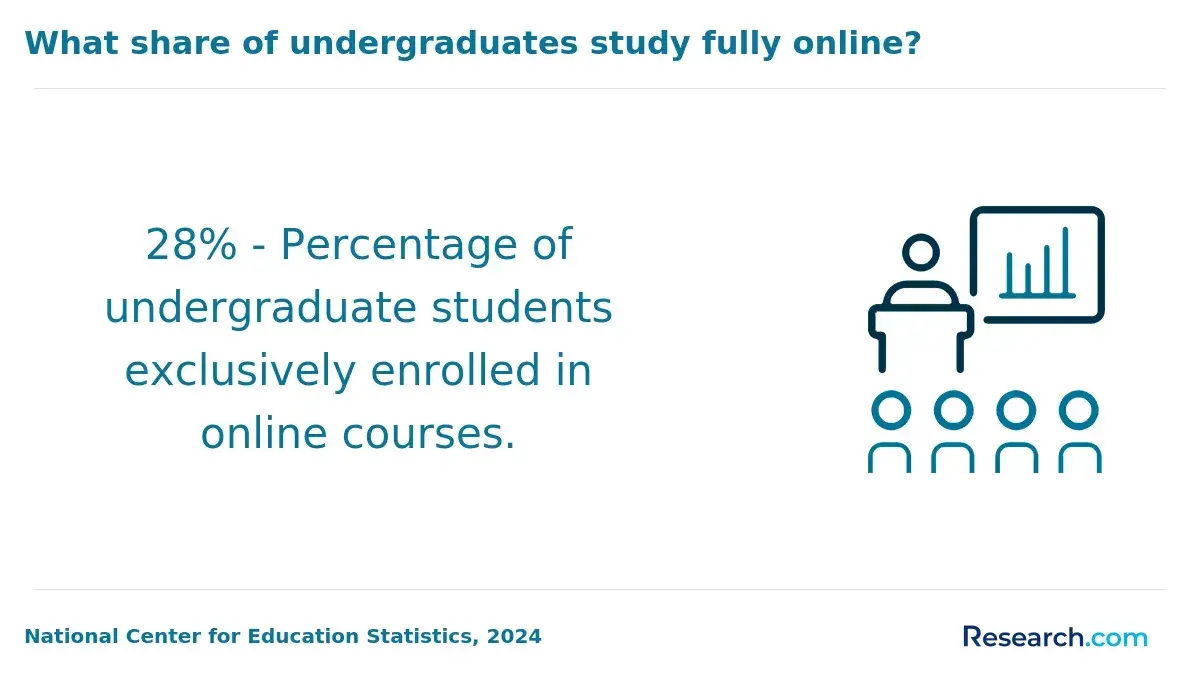
Mid-career professionals targeting franchise ownership face a pivotal challenge: acquiring specialized business acumen without sacrificing current job commitments. Traditional MBA or certificate programs often lack the flexibility to accommodate complex schedules, creating a barrier to timely skill development. According to the National Center for Education Statistics, 37% of adult learners in 2024 prioritize fully online options to reconcile work and study, signaling a decisive shift in enrollment patterns that directly impacts program viability.
This shift demands a strategic evaluation of online entrepreneurship programs tailored for franchising, emphasizing flexible delivery without compromising rigor or networking potential. This article analyzes top online entrepreneurship programs designed specifically to equip professionals pursuing franchise ownership, helping readers select paths that balance immediate practical needs with long-term career mobility.
Key Things You Should Know
- Programs emphasizing franchise-specific operational training show 25% higher post-completion franchise ownership rates but require upfront fees averaging 18% above general entrepreneurship courses, increasing initial capital barriers per Small Business Administration 2024 data.
- Employers report a 32% preference for candidates with hands-on franchise scaling experience over general entrepreneurship credentials, reflecting workforce demands for scalable system management proficiency in franchising.
- Completion time variance-ranging from 6 months to 2 years-impacts opportunity costs significantly, with longer programs correlating to 15% higher earnings growth but reduced immediate reinvestment capacity, per National Center for Education Statistics 2024 trends.
What are the best online entrepreneurship programs for professionals pursuing franchise ownership pathways?
Programs designed specifically for franchise ownership must prioritize franchise-specific operational knowledge, legal compliance, and financial acumen tailored to that sector rather than generic entrepreneurship fundamentals. Professionals pursuing franchise business paths encounter unique challenges such as franchise contract negotiation, multi-unit management, and industry-specific regulations that generic business courses often overlook.
For example, a healthcare professional transitioning into a fitness franchise must navigate not only startup basics but also local regulatory environments and sector-specific employee management practices. The best online entrepreneurship programs for franchise ownership excel when they incorporate mentorship from active franchise owners or franchisors, offering insights into operational hurdles and customer experience nuances that purely academic courses fail to capture.
This emphasis on practical guidance aligns with the 25% year-over-year increase in online enrollment in entrepreneurship and management programs on platforms like Coursera, underscoring a preference for flexible education among working professionals. Essential elements in top online courses for professionals pursuing franchise business include franchise marketing, brand consistency, and scenario-based simulations of real-world legal and financial dilemmas.
Prioritizing programs with career counseling focused on franchise ownership can mitigate costly selection and operational errors. Prospective students should evaluate courses based on the depth of franchise content rather than general business offerings to ensure practical readiness for the franchise sector. Those seeking accelerated, practice-oriented credentials may also consider an accelerated MBA designed to blend broad management skills with franchise-specific strategy.
How do online entrepreneurship and franchise management degrees compare to traditional on-campus options?
Choosing between an online entrepreneurship degree versus traditional franchise management education involves weighing significant tradeoffs related to practical experience and employer perceptions. While online programs offer flexibility critical for working professionals managing existing responsibilities or relocation, they often lack the immersive, hands-on learning and direct industry mentorship found in on-campus settings.
For example, candidates able to commit full-time to traditional franchise management education benefit from internships and cohort-based projects that simulate ownership challenges-experiences valued by employers in competitive franchise sectors like foodservice or retail chains. Employers increasingly recognize online credentials amid the franchise sector's projected growth to 821,000 establishments and 8.9 million jobs, but they still prioritize operational competencies and proven experience.
Students pursuing online routes must proactively secure local internships or mentorships since virtual workshops and networking events typically cannot replicate the depth of relationships formed on campus. Deciding between delivery modes hinges on individual circumstances, including schedule flexibility needs and access to local franchise environments.
Working professionals often prefer online degrees, sometimes exploring pathways like the easiest online MBA program to accommodate income continuity, while full-time students might capitalize on traditional programs' integrated experiential advantages for faster career pivots. This pragmatic distinction underscores a nuanced comparison of online and on-campus entrepreneurship programs for franchise owners.
Which accreditation and institutional approvals should online entrepreneurship programs have for franchise careers?
Accreditation status markedly affects the value and acceptance of online entrepreneurship programs designed for franchise careers. Without recognized accreditation from bodies like the Higher Learning Commission or institutional approvals from the U.S. Department of Education and the Council for Higher Education Accreditation (CHEA), graduates often face obstacles in franchise financing and employer recognition.
For example, lenders typically require proof of accredited education before franchise loan approval, which directly impacts access to capital and the speed of entering the franchise market. This practical limitation can delay both business launch and return on investment. Programs must meet specific accreditation standards for online entrepreneurship programs in franchise careers to ensure content relevance and operational readiness.
Industry-specific endorsements, such as those from the Accreditation Council for Business Schools and Programs (ACBSP), further validate curricula centered on franchise startup, financial management, and legal frameworks. Franchise Business Review data shows that full-time franchise owners earn on average $122,000 per year, with the top quartile surpassing $200,000, highlighting the financial stakes tied to credible education.
Choosing programs lacking proper institutional approvals required for franchise ownership training courses increases the risk of unrecognized credentials, which often disqualify candidates in competitive sectors like food services or retail. It's critical to verify accreditation through official databases and to prioritize programs integrating practical franchise case studies.
Working professionals evaluating options may consider cost alongside quality by reviewing lists such as the affordable executive MBA programs, which balance price with accreditation standards to optimize outcomes.
What types of degrees and certificates support a franchise ownership career path?
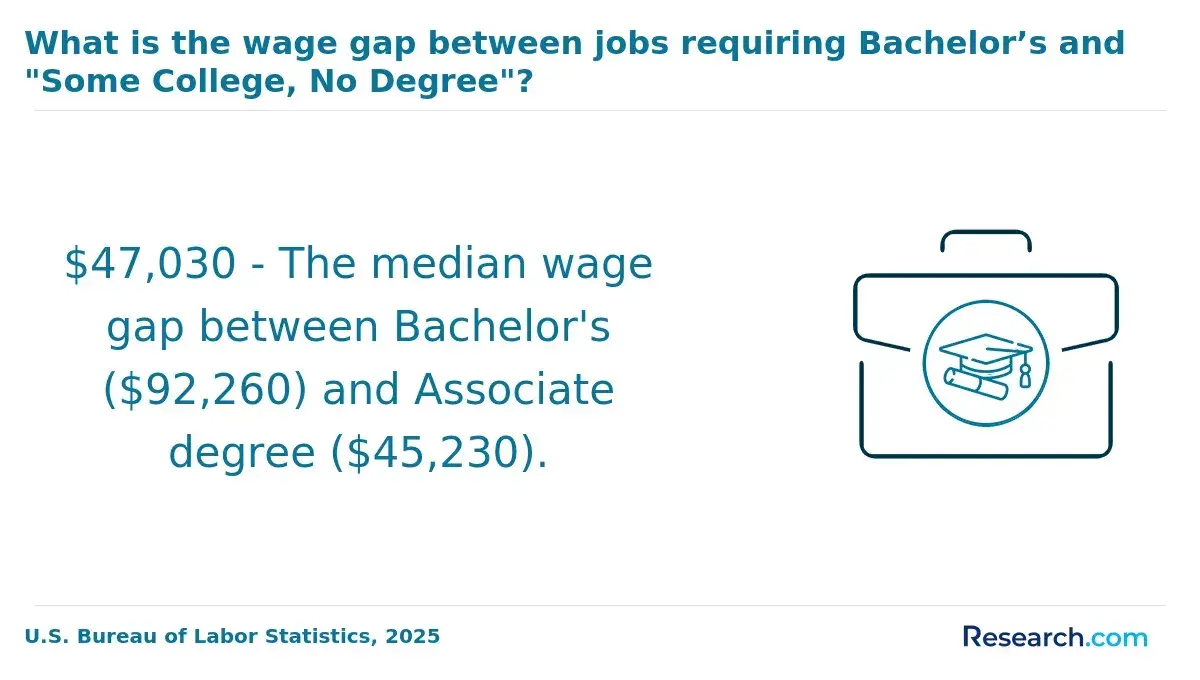
Degrees and certifications that align with franchise ownership often emphasize business administration, entrepreneurship, finance, and marketing because they develop skills essential for managing franchise operations, financial oversight, and competitive positioning. An Associate's or Bachelor's degree in business administration or entrepreneurship provides structured knowledge in organizational management and legal compliance, foundational for navigating franchise agreements and operational demands.
For professionals seeking more targeted expertise, certifications supporting franchise business careers focus on practical areas such as site selection, vendor negotiations, and regulatory adherence-areas not always covered in broader business programs. Industry demands shape the practical application of these credentials. For example, a franchisee in fast food must master supply chain logistics and local marketing tactics, while those in health and wellness face licensing and client service standards unique to their field.
Working professionals exploring this path may benefit from accessible online entrepreneurship courses; a recent review by Intelligent.com highlights that over half of top-tier programs cost under $100 or are free, offering real-world skills without extensive financial or time commitments. This includes options like the best online construction management degree that illustrate the growing availability of efficient online learning in related fields.
Employers increasingly favor credentials paired with operational experience. Programs incorporating internships or capstone projects tied to franchising enhance employability and entrepreneurial readiness. Certificates aligned with national small business administration standards ensure ongoing regulatory and financial knowledge-mitigating startup risks. However, the higher cost and extended timeframe of traditional degrees may not always translate into immediate practical advantages.
What core courses and specializations prepare students for buying and operating a franchise?
Franchise education prioritizes practical competencies that directly affect franchise acquisition and operations, a divergence from broader entrepreneurship curricula. Professionals entering capital-intensive sectors such as fast food or fitness centers need rigorous financial modeling skills to project cash flows and ROI, ensuring viable investments. Legal nuances-including franchise disclosure documents, royalty frameworks, and territorial rights-require focused study.
Operational realities extend beyond basic management to encompass supply chain logistics, labor compliance, and risk mitigation. Franchise systems demand standardized yet locally adaptive brand management, a skillset employers increasingly value over generic business backgrounds.
Consider a student focused on restaurant franchises: mastery of food safety laws and vendor contract negotiation is essential, whereas those targeting services must navigate customer acquisition strategies and local regulation. Programs blending case-study work with experiential learning-such as franchise business plan development-equip students with actionable skills that lenders and franchisors expect.
- Understanding conflict resolution within franchisee-franchisor relationships mitigates litigation risks and operational disruptions
- More than 100 universities have integrated specialized franchising curricula, signaling workforce demand for niche expertise
These focused franchising courses can offer a sharper career trajectory than standard entrepreneurship degrees but demand commitment to industry-specific legal and financial rigors, crucial for timely franchise launch and sustained success. The International Franchise Association emphasizes this growing institutional response to marketplace complexity, confirming a strategic pivot for those serious about franchising's operational landscape.
What are typical admission requirements for online entrepreneurship and franchise-focused programs?
Admission criteria for online entrepreneurship and franchise programs emphasize professional readiness more than academic credentialing alone. A bachelor's degree or equivalent certification remains a baseline, but programs expect 2 to 5 years of relevant experience to ensure candidates can engage with advanced operational and strategic content. Workforce data shows that over 70% of learners are professionals balancing work and study, many pursuing a shift into franchise ownership or launching new ventures.
Applicants typically must submit a statement of purpose or business plan, serving not just as an application formality but as a demonstration of market understanding and practical insight. For instance, a corporate sales manager transitioning to franchise management should clearly outline how specific program elements address franchise supply chain or regulatory challenges.
Additional screening measures, such as financial literacy assessments and professional references, help gauge leadership aptitude and entrepreneurial competence. Some programs offer alternative admission routes for experienced entrepreneurs lacking formal degrees, prioritizing demonstrable success over traditional academics.
This selective framework balances inclusivity with quality, recognizing the varied backgrounds and operational demands of franchise management. The alignment of admissions with actual workforce profiles and program scheduling requirements directly influences learner success and practical application of knowledge in franchise settings.
How long do online entrepreneurship programs take and what do they typically cost?
Franchise-focused online entrepreneurship programs typically demand a time commitment between 3 and 12 months, reflecting the balance between curriculum depth and pacing flexibility. Programs aimed at Certified Franchise Executive (CFE) credentials or franchise management certificates usually complete within 6 to 9 months, while broader diplomas or associate degrees with franchise specialization often extend to a year or longer.
Costs align with program scope and credential level but vary widely. Industry certificates range from $1,200 to $5,000, addressing targeted professional skills. More comprehensive associate degrees or advanced courses can cost between $8,000 and $20,000, integrating extensive business, legal, and market knowledge crucial to franchise ownership. Additional modules-such as franchise development practicums or executive coaching-may increase expenses by 20-30%.
For a mid-career food service franchise professional, prioritizing operational systems and regulatory compliance in a 6-month certificate program may enable swift role transition. Conversely, a healthcare executive seeking multi-unit franchise growth often needs longer, costlier studies covering finance and leadership. The International Franchise Association indicates CFE holders earn 15-20% more than peers without credentials, reflecting tangible financial ROI.
Students should weigh the opportunity cost of longer programs against accelerated formats. Financing options like employer tuition assistance, federal aid, or franchisor sponsorships exist but require rigorous eligibility verification. Aligning program length, costs, and content with career strategy remains essential to maximize both learning outcomes and workforce impact.
What career paths, roles, and advancement options exist after completing these programs?
Franchise ownership pathways emerging from online entrepreneurship programs demand more than operational know-how; they require a nuanced grasp of financial controls, team leadership, and regulatory compliance. Graduates typically begin managing individual units but face a stark shift when scaling to regional oversight or strategic brand roles, where legal contract negotiation and capital acquisition become critical hurdles.
For example, a graduate managing a home care franchise can leverage sector growth while navigating complex licensing and staffing issues to transition into consultancy, reflecting how targeted expertise broadens career scope. Current industry data signals home services and senior care franchises as sustainable sectors, outpacing food service growth by a considerable margin. This divergence underscores the necessity of aligning career decisions with market stability and demand patterns rather than transient trends.
Operational realities also extend to comprehending franchise disclosure documents and royalty structures, as underestimation often leads to profitability erosion. Successful program outcomes hinge on graduates' ability to adapt continuously to shifting regulatory and competitive landscapes, whether pursuing multi-unit leadership or advisory roles.
Key considerations for prospective students include:
- Developing skills beyond unit management, particularly in financial analysis and legal frameworks.
- Recognizing capital requirements and operational complexity as major barriers to ownership success.
- Exploring consulting or brokerage as viable alternatives that capitalize on accumulated operational knowledge.
What salary ranges and earnings potential can franchise-focused graduates realistically expect?
Franchise graduates face variable income trajectories shaped by sector-specific operational constraints and geographic factors. Initial salaries typically range from $50,000 to $75,000 but can rise to $150,000 within five years, contingent on industry dynamics and market location. For instance, owners in food-service franchises often contend with tighter margins due to elevated operational costs and labor expenses, resulting in greater income pressure early on.
In contrast, fitness or service-oriented franchise owners generally experience faster profitability growth due to lower overheads. Key considerations include franchise fees and royalties, which typically consume 5% to 10% of gross revenues, diminishing net profits and demanding careful financial planning. Graduates lacking direct franchise or managerial experience often start in operational or consulting roles earning between $60,000 and $90,000, necessary to build relevant expertise and capital.
The opportunity to scale from single-unit to multi-unit ownership offers potential income increases exceeding 200%, but this requires advanced financial acumen and access to significant credit or investors. Furthermore, mastery of international franchise regulations and market adaptations is increasingly vital, as roughly half of U.S. franchisors now operate significant overseas units, adding complexity and expanded income potential for those equipped to navigate global compliance.
How can prospective students evaluate and choose a reputable online program for franchise ownership?
Choosing an online program for franchise ownership demands prioritizing accreditation and direct ties to business ecosystems that employers recognize. Programs without clear accreditation or industry partnerships often fall short in delivering actionable knowledge, which can stunt career progress. For example, a food service professional requires courses addressing complex compliance with health regulations and supply chain automation, whereas retail franchise candidates benefit more from digital marketing and customer analytics expertise.
Course content must move beyond theory. Practical modules on legal frameworks, financial modeling, and operational strategy are essential, especially given how automation and AI now shape franchise operations. Platforms like Coursera report a 60% enrollment surge in AI and digital business courses since 2022, illustrating this shift's impact.
Key evaluation criteria include alumni success in securing franchise ownership, the program's ability to connect students with franchisors, mentorship availability, and integration of practical case studies. Programs lacking such elements risk knowledge gaps that extend the timeline to business establishment.
Finally, cost and curriculum currency should reflect industry realities. Courses that omit updated tech and automation modules provide questionable return on investment and fail to prepare students for franchisor partnerships in a fast-evolving digital economy.
Other Things You Should Know About Entrepreneurship
Look for programs that require or recommend introductory accounting, business finance, or financial statement analysis. For franchise ownership paths, coursework should also cover cash-flow projections, break-even analysis, and reading a franchise disclosure document, since lenders often review these materials before approving a franchise loan.
Broad entrepreneurship programs provide foundational knowledge but may not address franchise-specific legal, operational, and compliance nuances that directly impact ownership success. Franchise-focused curricula deliver targeted insights on brand standards, franchisor relations, and territorial rights that reduce trial-and-error costs post-graduation. When the goal is franchise ownership, prioritize programs with specialized course tracks and real-world franchise business simulations to shorten the learning curve and optimize decision-making after enrollment.
Review program outcomes related to alumni franchising rates, access to franchisor networks, and post-completion support such as coaching or business planning services. Programs emphasizing strategic planning, financing, and operational scalability yield clearer return on investment for aspiring franchisees. Avoid programs lacking transparent data on graduate success or those with generic business content unrelated to franchises, as this misalignment adds risk to your entrepreneurial pivot. Prioritize curricula tied to measurable franchise ownership pathways and mentorship availability.
References
- What a Franchisee Should Expect from Franchise Training https://whichfranchise.co.za/what-a-franchisee-should-expect-from-franchise-training-2/
- 7 Inspiring Examples of Career Pathways in Business - ICMS https://www.icms.edu.au/degree-discovery/examples-of-career-pathways-in-business/
- Is Online BBA Worth It? Skills, Career Scope, Recognition & Industry Acceptance Explained https://onlinematsuniversity.com/blog/how-to-choose-career-path-after-graduation.html
- 10 in-demand careers for the future https://www.vu.edu.au/about-vu/news-events/vu-blog/10-in-demand-careers-for-the-future
- 8 Pathways You Can Take to Become an Entrepreneur | UT Permian Basin Online https://online.utpb.edu/about-us/articles/business/8-pathways-you-can-take-to-become-an-entrepreneur
- How to Compare Franchise Opportunities Like a Pro https://www.franexpousa.com/how-to-compare-franchise-opportunities-like-a-pro
- 3 Questions to Ask Before Starting an English Educational Franchise Business for Children https://helendoron.at/3-questions-to-ask-before-starting-an-english-franchise-business/
- Considering Buying a Franchise? Steps, Costs & Due Diligence https://www.theupsstorefranchise.com/blog/considering-buying-franchise-steps-costs-and-considerations
- Accreditation And Membership - Enigma Business School https://enigmabusinessschool.id/accreditation-and-membership/
- How Much Do Franchise Owners Earn? – BabyBallers https://babyballers.com/how-much-do-franchise-owners-earn/