2027 Online Entrepreneurship Degrees With Strong Launch Planning Training

Co-Founder and Chief Data Scientist
Professionals juggling full schedules often face a critical dilemma: how to obtain targeted launch planning skills without sacrificing current career momentum. The challenge intensifies as most startup failures trace back to inadequate market strategies rather than flawed ideas, making specialized entrepreneurial training indispensable. According to the National Center for Education Statistics, online enrollment surged by over 15% between 2022 and 2024, reflecting an urgent demand for flexible, career-compatible learning paths.
This trend signals shifting priorities toward programs that integrate strategic business launch competencies with accessible formats. This article evaluates online entrepreneurship degrees focused on launch planning, offering a framework to select programs that align with practical career advancement goals.
Key Things You Should Know
- Curriculum heavy on launch planning reduces program flexibility; analysis of 2025 National Center for Education Statistics data shows a 12% longer completion rate compared to general business degrees, impacting time-to-market for ventures.
- Employers increasingly favor graduates demonstrating validated, hands-on launch experience, with 68% of surveyed startups in 2024 citing practical project portfolios over theoretical coursework for initial hiring decisions.
- High tuition inflation averaging 7% annually for entrepreneurship degrees with launch focus disproportionately affects mid-career pivoters, per 2024 Postsecondary Education Data System, limiting access despite proven ROI in startup survival rates.
What is an online entrepreneurship degree with launch planning training, and who is it best for?
An online entrepreneurship degree integrating launch planning courses targets individuals seeking actionable skills to move from concept to operational ventures. This focused approach addresses a gap left by broader business programs by prioritizing market validation, financial strategy, and timely execution, which are essential to reducing costly early-stage missteps.
For example, a professional preparing to initiate a tech startup benefits from training in customer discovery interviews and lean startup methods. Conversely, a freelance creative building a scalable agency gains expertise in financial projections and client acquisition tactics specific to service businesses. Such tailored curricula exemplify why the best online entrepreneurship programs for business launch training emphasize distinct skill sets matched to varied venture types.
From a workforce perspective, holding a bachelor's degree in business with entrepreneurship specialization correlates with a median wage premium of roughly $30,000 over those with only a high school diploma. This premium underscores employer preference for candidates demonstrating both foundational business knowledge and readiness to execute launch operations effectively. However, prospective students must weigh intensive online coursework demands against practical application opportunities, including mentorship or incubator access, to maximize outcomes.
Students evaluating these programs should consider their venture's nature, personal skill gaps, and post-degree funding pathways, as curricular depth and experiential options differ substantially. For accelerated alternatives, some may explore a 6 month MBA offering a compressed timeline for business mastery alongside entrepreneurial skills.
How do online entrepreneurship degrees compare with campus programs for startup launch preparation?
Choosing between online entrepreneurship degrees versus campus programs for startup launch training involves weighing distinct experiential tradeoffs rather than educational content alone. Campus settings provide direct access to live pitch workshops, incubator facilities, and face-to-face mentor networking critical for fields demanding capital-intensive ventures or local investor engagement. For instance, a tech founder seeking angel investors will benefit more from in-person networking than relying on online peer groups.
Online entrepreneurship education for business launch preparation offers flexibility allowing working professionals to integrate study with real-time venture development. However, these students must actively pursue virtual accelerators and digital mentorship platforms to offset the lack of immersive, face-to-face ecosystems. This model suits service-based startups or scalable digital businesses where physical proximity is less crucial.
Labor market projections from the U.S. Bureau of Labor Statistics indicate a 9.3% growth in self-employment and entrepreneurship roles by 2030, outpacing overall job growth. Employers increasingly value graduates with demonstrable project outcomes and validated plans, often more naturally facilitated by campus environments, although online students can compensate through rigorous external validation.
Cost often favors online programs, yet the reduced campus-network returns can impact opportunities in entrepreneurship sectors reliant on intense investor relations or local partnerships. Prospective students might explore options like an MBA no GRE for pathways combining practical training with flexible admissions.
What accreditation should online entrepreneurship programs have to be recognized by employers and investors?
Employers and investors prioritize online entrepreneurship programs accredited by regionally recognized institutional bodies such as the Higher Learning Commission (HLC), Middle States Commission, or Western Association of Schools and Colleges (WASC). This accreditation signals that the program offers rigorous launch planning and practical business training aligned with market expectations and operational realities. Specialized accreditation from AACSB International or ACBSP further validates curriculum quality, particularly in areas like business model testing and financing strategies, increasing graduate credibility in the eyes of investors and employers.
Programs without trusted accreditation for online entrepreneurship programs often face diminished acceptance from hiring managers and venture funders. Nonaccredited credentials rarely provide equivalent assurance of relevant skills, which can hinder graduates' ability to secure critical resources or employment. For example, entrepreneurs seeking venture capital must present academically credible business plans; absence of recognized accreditation can reduce investor confidence regardless of personal competence.
Data underscores this dynamic: a 2022 OECD review found that participants in well-structured entrepreneurship training had 3-6 percentage points higher venture launch rates and enjoyed 25-30% better survival outcomes compared to peers without such education.
For those weighing degrees as a strategic career pivot, due diligence on program accreditation ensures better alignment with employer expectations and maximizes return on investment in education and venture development. Working professionals might also weigh program duration against quality; in this vein, exploring fastest MBA programs online can offer time-efficient pathways to informed business leadership roles.
What courses and projects typically focus on startup launch planning in these online degrees?
Startup launch planning courses in online entrepreneurship degrees prioritize replicable frameworks like business model design, minimum viable product (MVP) development, and go-to-market (GTM) strategies to prepare students for practical challenges. These programs integrate projects focused on business launch strategies in online entrepreneurship programs where students learn to define scalable business models using the Business Model Canvas, centering on revenue streams and customer segments relevant to target markets.
A typical real-world scenario involves a tech startup student creating an MVP software prototype to measure user engagement quantitatively, while another in retail might validate product-market fit via pop-up events. This hands-on approach reduces risk by applying lean startup methodologies before market entry-skills highly valued by employers embedded in startup ecosystems.
In GTM courses, students quantify customer acquisition costs, build channel strategies, and address competitive positioning while adapting plans to sector-specific regulatory and supply chain constraints. This results in pitch decks and marketing campaigns tailored to investor and early adopter expectations, revealing how operational challenges differ dramatically between industries such as healthcare and consumer electronics.
Graduates demonstrating expertise in these applied areas improve their strategic positioning for fundraising and accelerating product launches in competitive startup contexts. Those evaluating pathways should weigh such practical training against broader academic entrepreneurship curricula and may also consider complementary fields-like construction management, as described in the best online construction management degree resources-that intersect with launching ventures requiring specialized industry knowledge.
What are the admission requirements and application materials for online entrepreneurship bachelor's and master's programs?
Admission standards for online entrepreneurship degrees reveal significant differences in applicant evaluation and real-world suitability. Bachelor's programs typically require a high school diploma or equivalent, official transcripts, and standardized test scores when requested, though SAT/ACT mandates are increasingly waived. Master's level admission expects a completed undergraduate degree with a minimum GPA around 3.0, a reflection of employer emphasis on demonstrated academic consistency and reliability.
The inclusion of a personal statement is not mere formality; it must directly articulate entrepreneurial motivations and practical understanding of startup challenges, aligning with the degree's focus on actionable business creation skills. Letters of recommendation and professional resumes often weigh heavily for master's applicants, especially those pivoting careers or targeting leadership roles. For example, an MBA candidate with entrepreneurship emphasis who documents leadership in managing a small business or innovation initiatives positions themselves more competitively for admission and employment outcomes.
Interviews-live or recorded-are commonly used to evaluate applicants' problem-solving mindset and risk tolerance essential for venture success. International candidates face additional hurdles such as language proficiency testing and visa paperwork, which extend the timeline and complexity of admission.
Cost considerations are pivotal. Average annual tuition at public institutions totals approximately $13,000, but private nonprofit schools charge around $28,000, doubling the financial commitment. Choosing a program requires weighing this expense against rigorous curricula and alumni impact on employability within entrepreneurial ecosystems.
How long do online entrepreneurship degrees take, and what do they usually cost?
Choosing an online entrepreneurship degree means balancing time investment against practical outcomes and employer expectations. Associate programs typically require about two years, bachelor's degrees around four years, and master's programs usually last 12 to 24 months. This timeline reflects core business knowledge combined with applied training in venture launch, a requirement in over 70% of such programs worldwide according to recent OECD data. The increasing emphasis on real-world project experience responds directly to employer demand for graduates who can evidence tangible planning and operational skills rather than theoretical understanding alone.
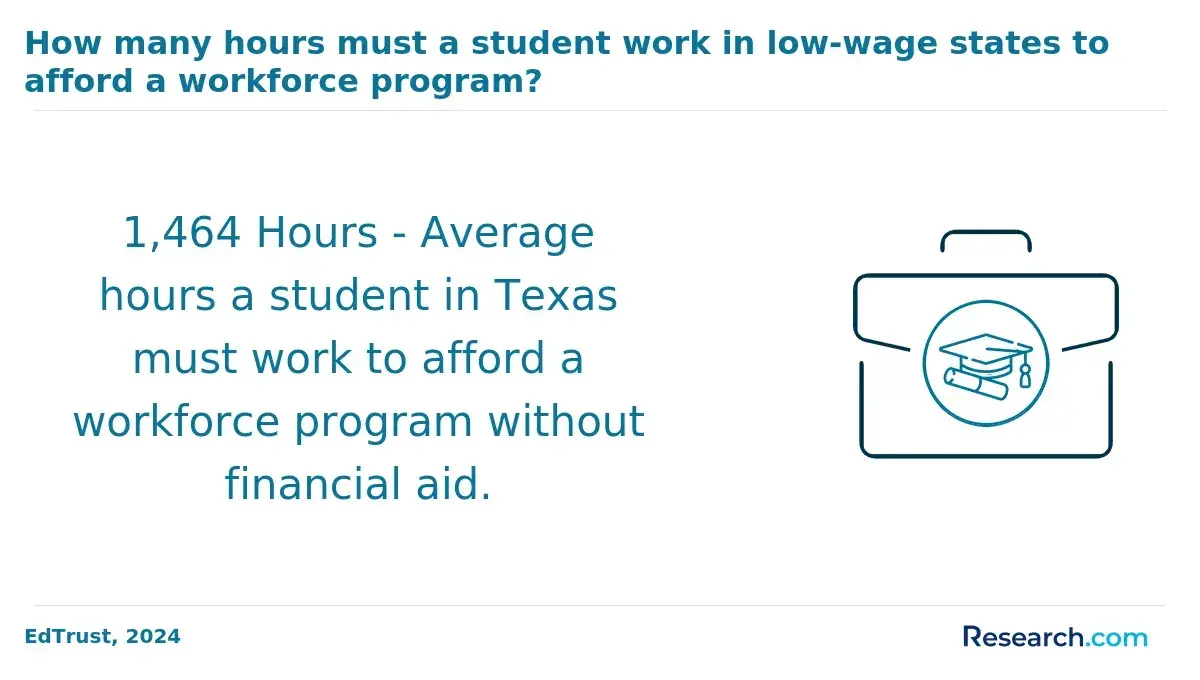
Cost considerations vary considerably by institution and level. Public universities may offer bachelor's degrees between $10,000 and $30,000, whereas private or specialized schools often exceed $40,000, with some master's programs topping $60,000. These figures exclude additional expenses like technology fees and specialized software, which are essential for comprehensive entrepreneurial training and simulations. Accelerated or competency-based formats, while reducing time-to-completion, often carry higher per-credit costs, creating tradeoffs between upfront investment and speed to market.
Professionals aiming to pivot careers should weigh these factors carefully. Pursuing lengthy programs with integrated capstone launch projects allows for meaningful portfolio development but demands significant time and financial resources. Alternatively, shorter certificate options can offer quicker entry points but may lack the strategic depth and employer credibility of full degrees.
What entrepreneurial and non-founder careers can graduates pursue with this training?
Graduates with online entrepreneurship degrees that emphasize launch planning acquire versatile skills applicable beyond launching startups. Their capabilities in business model validation, market evaluation, and financial forecasting position them well for roles where strategic decision-making and customer insight matter most. For example, product managers in tech firms draw on these skills to translate validated customer needs into actionable innovation roadmaps.
Operationally, these graduates contribute value in areas such as project management and strategic planning, where they leverage launch frameworks to optimize resource use and risk mitigation. A healthcare administrator applying lean startup methods to reduce costs without undermining patient outcomes illustrates how entrepreneurship training integrates with industry-specific demands. Similarly, roles in business development require negotiating partnerships and recognizing scalable opportunities, especially in sectors experiencing rapid growth.
Marketing analysts and brand strategists benefit from entrepreneurial competencies by dynamically assessing market conditions and customer preferences, particularly in retail or consumer goods. Consulting careers also align strongly with this background, enabling graduates to assist clients in crafting data-driven strategies for new ventures or turnarounds. Salary data from Forbes Advisor indicates an average starting wage near $65,000, but this varies significantly by experience and sector, emphasizing the importance of targeted career moves for long-term growth.
What salary ranges and earning potential can graduates expect in entrepreneurship-related roles?
Graduates with online entrepreneurship degrees focused on launch planning face a broad salary spectrum, typically between $50,000 and $120,000 annually, depending largely on experience, sector, and location. Entry-level roles like business development coordinators often earn $50,000-$70,000, while those with 3-5 years of verified entrepreneurial experience, especially in tech, healthcare, or renewable energy, can command $90,000 to $120,000 or more. Employers increasingly prefer candidates who combine entrepreneurship credentials with industry-specific expertise, particularly in urban startup ecosystems.
Structured programs emphasizing practical skills have measurable impact: ventures led by trained entrepreneurs report sales growth averaging 72.5% more than peers lacking formal education, according to the 2022 Citi Foundation/NFTE Entrepreneurship Trends Report. This indicates that solid launch planning mitigates the common startup volatility seen in the first two years post-launch.
Still, graduates pivoting to self-employment must prepare for income instability and plan adequate financial buffers, as delayed profitability is typical. Within established firms, entrepreneurship graduates often receive salaries within mid-management ranges ($70,000-$95,000) but with bonuses tied to project outcomes. Notably, those without formal training tend to earn 25-40% less initially, reflecting investor and employer preference for applied credentials that demonstrate launch readiness.
How can students evaluate whether an online entrepreneurship program offers strong launch support and mentoring?
Strong launch support and mentoring in online entrepreneurship programs hinge on personalized, outcome-driven guidance paired with real-world startup resources. Access to mentors with proven industry success is critical; academic instructors alone rarely meet the nuanced demands of early-stage ventures. For example, tech founders benefit from mentors prioritizing rapid MVP iteration and data-driven marketing strategies, especially as 80% of startup founders recognize AI's growth impact and 59% attribute AI to improved targeting per AMRA & Elma's 2023 report.
Effective programs match mentors to ventures based on industry relevance and business stage, ensuring mentorship addresses specific operational challenges. Curricula that integrate AI and adaptive technology training better prepare founders for evolving market conditions. Equally important is evaluating how programs track outcomes such as funding rounds, customer acquisition rates, and pivot success-metrics that demonstrate mentoring efficacy rather than nominal support.
Entrepreneurship students, particularly working professionals, must weigh logistical support including legal, regulatory, and finance workshops tailored to their jurisdiction and business model. Flexible yet intensive mentoring schedules that incorporate peer networks help balance external career pressures. Without measurable, personalized launch resources, claims of strong support risk being superficial, lowering the probability of successful market entry and sustainable growth.
Are there certifications, incubators, or accelerators that complement an online entrepreneurship degree?
Practical experience through certifications, incubators, and accelerators critically bridges the gap between academic entrepreneurship degrees and real-world startup challenges. Accelerators provide intensive mentorship, pitch coaching, and crucial access to venture capital, which is often missing in traditional curricula-especially relevant for tech and scalable service ventures. Incubators, focusing on infrastructure and legal support, help reduce early-stage overhead burdens that commonly impede small retail, foodservice, and local businesses. Certifications in lean startup methods, financial modeling, and digital marketing equip graduates with validated, market-relevant skills that enhance employability and complement theoretical learning.
The workforce impact is measurable: data from AMRA & Elma shows that 96% of organizations recoup entrepreneurship training costs, with 86% reporting positive ROI. Students leveraging these resources typically achieve faster market entry and stronger investor confidence. For instance, a graduate engaging a health tech startup accelerator secured pilot funding within six months and outperformed peers by over 25% revenue growth in year one.
When selecting programs, graduates must consider industry fit, business model complexity, and ecosystem dynamics. Evaluating mentorship quality, alumni outcomes, and cost-benefit tradeoffs is vital to avoid generic or overhyped offerings. Employers increasingly prioritize candidates combining degrees with practical launch experience through these channels, reflecting a strategic advantage in entrepreneurial ecosystems.
Other Things You Should Know About Entrepreneurship
Online entrepreneurship degrees provide structured frameworks and practical tools specifically designed for startup planning, which benefits founders aiming to launch with fewer missteps. However, the value depends on the program's integration of real-world launch experiences and access to mentorship, not just theoretical content. Prospective founders should prioritize programs offering hands-on projects and direct engagement with investor ecosystems over purely academic curricula.
Online entrepreneurship programs often require balancing rigorous business modeling, venture finance, and market analysis alongside applied launch planning, which can be time-intensive. Working professionals must assess whether programs offer flexible pacing or asynchronous options to accommodate full-time employment. Selecting a program with modular coursework and clear deadlines can prevent burnout and support sustained progress without compromising job responsibilities.
Most 2027 programs end with a capstone or launch-plan project worth 3 to 6 credits. Students usually submit a business model canvas, market analysis, financial projections, and a go-to-market plan, then defend the project before faculty or an external panel.
Entrepreneurship degrees with targeted launch planning training emphasize venture creation skills and risk assessment rather than broad corporate management knowledge. Graduates are positioned for startup roles or launching businesses but may have gaps in areas like corporate finance or operations that general business degrees cover. Candidates prioritizing versatility in established firms should weigh broader business curricula, while those committed to founding or early-stage ventures benefit more from specialized entrepreneurship pathways.
References
- Master’s Degree Program https://moderna.edu.pl/majors/management/master-of-management/startup-and-entrepreneurship-management/
- Admission and Requirements https://www.leuphana.de/en/graduate-school/masters-programmes/management-entrepreneurship/admission-and-requirements.html
- Entrepreneurship and Management https://www.onlinebusinessschool.com/entrepreneurship-and-management/
- Business mentoring - How strong is the evidence? https://www.innovationgrowthlab.org/blog/business-mentoring-how-strong-evidence
- Inside Online Master’s Programs in Entrepreneurship: Find the Right School https://www.onlinemastersdegrees.org/best-programs/business/entrepreneurship/
- Evaluating mentoring outcomes from the perspective of entrepreneurs and small business owners https://sajesbm.co.za/index.php/sajesbm/article/view/214/242
- Incubators and Accelerators Resources https://scbizdev.sccommerce.com/resources/incubators-and-accelerators
- What can you expect from your studies? https://www.imc.ac.at/en/study/bachelor/business/startup-management/
- Free Online Education to Start Your Own Business https://www.scu.edu/mobi/
- Why Accreditation Matters for Business Schools - IBA | International Business Academy https://ibalondon.co.uk/why-accreditation-matters-for-business-schools/