2027 Best Online Entrepreneurship Degrees for Consumer Product Business Paths

Co-Founder and Chief Data Scientist
Aspiring entrepreneurs targeting consumer product markets face intense pressure to acquire both strategic business insight and practical operational skills without sacrificing current job commitments. The challenge deepens as traditional degree formats frequently clash with work schedules, delaying essential credentialing. Recent data from the National Center for Education Statistics reveals that over 40% of online degree seekers are adult learners balancing full-time employment, underlining a systemic need for flexible Entrepreneurship programs that align with career mobility.
This shift demands programs that mesh rigorous curriculum with scalable pacing and real-world applicability. This article evaluates top online degrees tailored for consumer product business paths, spotlighting how they address these practical constraints and optimize employability trajectories.
Key Things You Should Know
- Programs with integrated consumer product development focus report 22% higher post-graduation startup rates per National Science Foundation 2024 data, yet these specialized degrees often require 18-24 months longer completion time, increasing opportunity costs.
- Employers in consumer goods sectors prioritize candidates with combined business-technical skills; the U.S. Bureau of Labor Statistics notes 35% of entrepreneurship-related hires demand practical product lifecycle management experience beyond generic business knowledge.
- Public university degrees average 40% lower tuition than private counterparts in 2024, but often lack industry connections crucial for consumer product innovation ecosystems, creating a tradeoff between cost and network access.
What is an online entrepreneurship degree for consumer product business careers?
Proficiency in product development, supply chain management, and digital commerce is essential for managing consumer product businesses, highlighting a critical advantage of online entrepreneurship degree programs for consumer product careers. These programs differ from general entrepreneurship curricula by emphasizing operational complexity such as inventory logistics, vendor relations, and omnichannel sales-skills demanded by employers focused on physical goods markets projected to exceed $4.4 trillion in e-commerce value by 2027.
For instance, a graduate planning to launch an electronics accessory brand must understand cost sourcing, quality assurance, and relevant market trends. This practical expertise translates to more competitive hiring outcomes and stronger business modeling aligned with product lifecycle management and targeted digital marketing.
Students pursuing the best online degrees in entrepreneurship for consumer goods business should weigh curriculum rigor and applied case studies reflecting direct-to-consumer sales realities and evolving platforms. Online formats allow working professionals to connect coursework directly to current business needs, fostering immediate skill application and risk mitigation.
Choosing a program that integrates foundational entrepreneurship with supply chain agility and consumer analytics is instrumental. Graduates without this interdisciplinary knowledge risk diminished job prospects in sectors demanding nuanced operational management. Given these factors, prospective students may explore options like an accelerated online business degree to strategically position themselves for career pivot or advancement.
How do online and on-campus entrepreneurship programs compare for consumer product business paths?
Online vs on-campus entrepreneurship degree outcomes for consumer products diverge notably in experiential learning and network access, despite similar core business curricula. Campus-based programs typically accelerate crucial relationship-building with mentors, industry leaders, and peers-relationships essential in consumer product sectors where supplier and marketing collaboration is pivotal. Online programs offer flexibility for professionals balancing career or family but demand greater self-discipline and proactive networking efforts. For instance, a founder launching a consumer goods startup with an online entrepreneurship background must independently cultivate ties via platforms like LinkedIn, unlike on-campus students benefiting from career fairs and live pitch events.
Employers emphasize practical experience, which on-campus formats integrate through internships, incubators, and projects featuring direct consumer market exposure. These opportunities are less consistently embedded in online programs, requiring students to secure local or remote internships themselves. Comparing online and on-campus entrepreneurship programs in consumer product business highlights that the latter often provide enhanced access to lab simulations and collaborative market research projects, better equipping graduates for roles in shifting markets.
The U.S. Bureau of Labor Statistics forecasts a 10% employment growth for market research analysts and marketing specialists from 2022 to 2032, with a median 2024 salary of $71,910. Given this demand, decision-makers must weigh student profiles carefully: first-time undergraduates often benefit from resource-rich, immersive campus environments, while seasoned professionals might prioritize scheduling flexibility offered by online paths.
Regardless, verifying each program's ties to consumer product companies and real-world experiential learning remains indispensable. Professionals seeking an adaptable MBA path without standardized test requirements can explore options like an MBA without GMAT, which may complement entrepreneurship studies for strategic career pivots.
Which accredited schools offer the best online entrepreneurship degrees for consumer product ventures?
Choosing among the best online entrepreneurship degrees for consumer product business requires weighing program rigor against real-world applicability, particularly in addressing manufacturing, supply chain, and market responsiveness. The University of Florida's program, for example, equips students to navigate sourcing, cost controls, and scalability challenges typical in consumer goods startups, endorsing pragmatic operational competence.
Babson College offers an online Bachelor of Science in Business Administration centered on experiential learning and entrepreneurial finance, which is essential when founders must rapidly prototype and engage vendors under tight capital constraints. This highlights the value of applied financial strategies in competitive product markets.
Northeastern University's online entrepreneurship degree supplements coursework with co-op placements and practical business challenges, fostering adaptability to fluctuating distribution logistics and evolving consumer demands-key skills for sustained market relevance. Given findings from Georgetown University's Center on Education and the Workforce showing business and management bachelor's holders earn a median $3.3 million lifetime-26% more than all majors combined-pursuing top accredited schools for online entrepreneurship programs in consumer products can yield significant ROI.
However, prospective students should also consider how programs integrate hands-on experiences like product design and inventory management with online learning flexibility to optimize employability. For students evaluating pathways that blend digital coursework and practical exposure to accelerate advancement, exploring options like MBA programs that accept transfer credits may further enhance strategic career moves.
What admission requirements and prior experience do online entrepreneurship programs typically expect?
Applicants to online entrepreneurship programs typically need at least a high school diploma with GPA thresholds around 2.5 to 3.0, but requirements diverge significantly when it comes to necessary experience. Bachelor-level programs usually do not demand formal work history, although demonstrated involvement in business ventures, internships, or leading consumer product initiatives strengthens admission prospects. For example, candidates who have managed e-commerce stores or coordinated retail product launches can translate this into tangible readiness for the analytical and strategic demands of degree curricula focused on product management and market growth.
Admissions committees prioritize evidence of quantitative skills, communication ability, and initiative-key competencies for handling market data and driving innovation in pragmatic settings. Lack of prior industry exposure often extends the practical learning curve, especially in specialized domains such as supply chain management for consumer goods. This reality underscores the importance of realistic assessment of the required experience for entrepreneurship programs and its impact on employability and time-to-competency.
Affordability remains a critical factor; BestColleges' 2024 data show the average net price for online entrepreneurship bachelor's degrees is $10,473 annually, reduced to $5,918 after aid, offering a financially viable path for career changers balancing family and other commitments. Candidates without direct experience should consider supplementary options like pre-admission business courses or targeted certifications to strengthen foundational business literacy while progressing through the program.
Moreover, well-crafted personal statements that clearly link past experiences to entrepreneurial goals can be pivotal in distinguishing applications. Those evaluating alternative educational pathways may also consult resources such as the 2 year construction management degree online for comparative contexts in accelerated program formats and workforce integration strategies.
What courses and specializations focus on launching and scaling consumer product businesses?
Programs targeting consumer product entrepreneurship emphasize applied skills that directly affect venture viability and scalability, such as product development, supply chain management, and marketing analytics. Unlike generic business curricula, these courses confront real-world challenges like fluctuating raw material costs and complex inventory risks, preparing students to make decisions that impact operational resilience and market responsiveness.
Growth-phase focus is critical, highlighting operational scale challenges and financing strategies essential to sustaining momentum beyond launch. Given the increase to 77 online entrepreneurship degrees globally, accessibility expands but demands scrutiny of program depth and outcome alignment. Employers expect graduates proficient in product lifecycle management and financial modeling to reduce time-to-impact and enhance innovation capacity.
Tradeoffs arise as specialized studies may limit broader business skill exposure, suggesting prospective students weigh immediate employability in niche sectors against foundational versatility. This pathway suits those prioritizing hands-on operational expertise over theoretical breadth.
How long do online entrepreneurship degrees take and what do they typically cost?
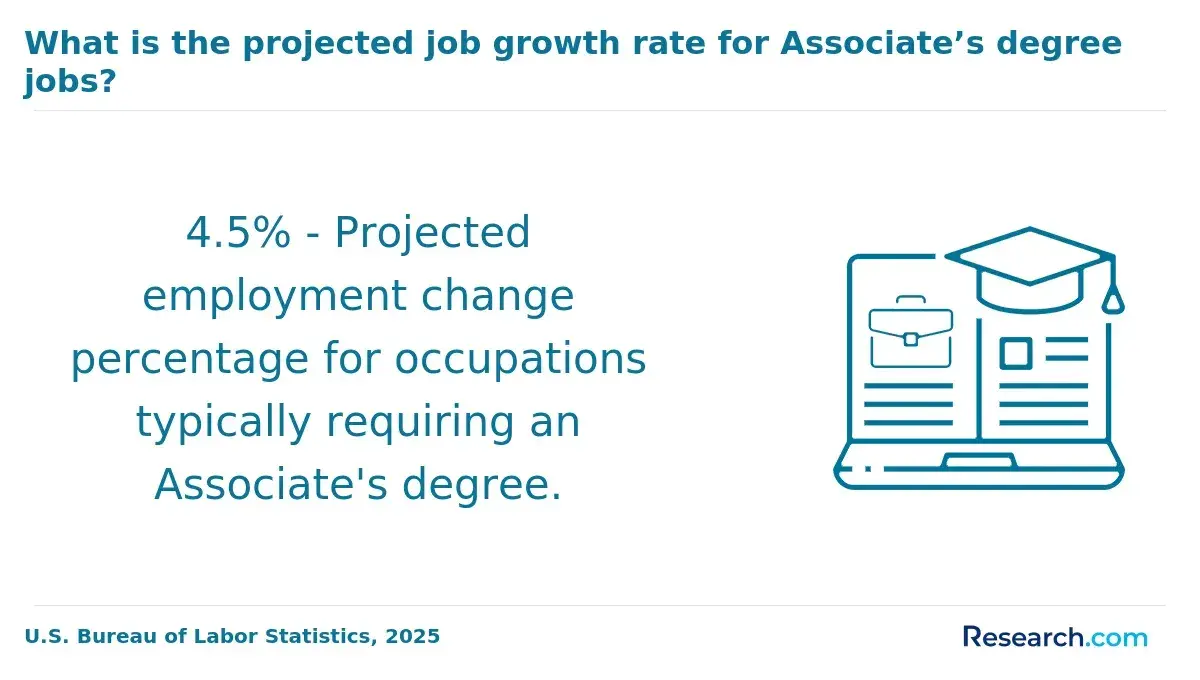
Choosing between an online associate degree, bachelor's degree, or certificate in entrepreneurship requires a sharp focus on time investment versus tangible career outcomes. Associate programs typically require about two years and cost $6,000 to $15,000 at community colleges, offering foundational skills with quicker entry into entrepreneurship but less employer recognition.
Bachelor's degrees take roughly four years and range widely from $40,000-$120,000 depending on the institution, providing broader knowledge and stronger credentials valued for leadership roles in consumer product firms. Accelerated or part-time formats can shorten completion times, with some professional certificates and micro-degrees finishing in as little as 18 months.
The financial and temporal tradeoffs matter: professionals balancing ongoing careers may prefer certificates costing $2,000 to $10,000 to develop specific skills rapidly but should weigh these against the limited impact on earnings and promotion compared to full degrees.
Ultimately, selecting a program depends on whether gaining immediately applicable entrepreneurial skills or securing long-term employer credibility is the priority. Effective pacing and committed completion are decisive factors influencing the real-world value of any online entrepreneurship credential.
What careers can an online entrepreneurship degree support in consumer product industries?
The surge in venture capital funding for consumer packaged goods (CPG) startups-$23 billion in 2023 with early-stage deals making up 61%-creates a niche demand for entrepreneurs skilled in launching and scaling ventures, managing product lifecycles, and streamlining supply chains. An online entrepreneurship degree that emphasizes these competencies prepares candidates for roles that blend innovation with operational execution.
For instance, product development managers in specialty food startups juggle rapid prototyping, tight budgets, and fluctuating consumer trends. Success here requires proficiency in market research and cost controls, skills often honed through applied entrepreneurship coursework.
Similarly, venture analyst or associate positions at accelerators demand critical evaluation of startup viability, informed by detailed coursework and experiential learning. These roles depend on an ability to assess business models beyond superficial metrics.
Operational roles, such as supply chain coordinators and brand managers within consumer industries, highlight another dimension where entrepreneurship training must integrate regulatory savvy and vendor relationship management to translate strategic goals into consistent execution.
Students should consider these practical trade-offs when selecting programs. Curricula heavily weighted toward startup financing and lean methodologies cater well to early-stage innovators but may lack focus on scaling within established corporates. Prospective candidates aiming for corporate leadership in CPG should seek balanced programs that marry entrepreneurial creativity with scalable business operations.
What salary ranges and earning potential exist for consumer product entrepreneurs and related roles?
Salary ranges for consumer product entrepreneurs vary sharply based on business scale and operational approach, affecting financial outcomes profoundly. Entry-level founders or associates in incubators or startups often see $40,000 to $70,000 annually, while seasoned entrepreneurs with established e-commerce brands can surpass $150,000 once profitable. Mid-tier roles such as product managers or marketing directors typically earn between $80,000 and $130,000, with top performers exceeding $200,000 when factoring equity and performance bonuses.
Rapid expansion in U.S. retail e-commerce-from $1.14 trillion in 2023 to an expected $1.72 trillion by 2027-heightens pressure on entrepreneurs to invest heavily in digital marketing, product development, and supply chain infrastructure. This dynamic creates a tradeoff: high upfront costs and uneven cash flow against potential for scalable growth and market differentiation.
Students pursuing entrepreneurship degrees face distinct tradeoffs depending on their target roles. Starting or financing product inventory tags higher risk with irregular early income, whereas roles managing digital marketplaces offer steady salaries tied closely to measurable performance metrics. Both pathways require strong financial literacy and practical business skills to navigate volatile markets effectively.
Success depends on aligning entrepreneurial creativity with operational rigor, particularly understanding cash flow cycles and reinvestment demands. Prioritizing hands-on experience and strategic networking is crucial for transitioning from modest early earnings to sustainable growth amid the evolving e-commerce landscape.
How can students evaluate accreditation, program quality, and transferability for online entrepreneurship degrees?
Accreditation is a primary determinant of an online entrepreneurship degree's practical value, directly affecting credit transfer, federal aid, and employer recognition. Degrees from entities lacking approval by recognized bodies such as the U.S. Department of Education or the Council for Higher Education Accreditation risk limiting future academic mobility and professional credibility. For instance, a student aiming to transition from a consumer product entrepreneurship bachelor's to an MBA must ensure prior credits align with accredited standards to avoid redundant coursework and unnecessary expenses.
Programs that emphasize applied skills-like consumer product development, market analysis, and supply chain management-better prepare graduates for the rising wave of new entrepreneurs focused on consumer-facing businesses, a sector reported by the Kauffman Foundation to represent a substantial share of recent venture creation. Faculty credentials paired with active industry ties can improve the relevance of instruction beyond theoretical frameworks.
Prospective students should critically assess program transparency on graduate employment, especially placement within startups or consumer product companies. High job placement rates signal alignment with current labor market demands; meanwhile, outdated curricula or opaque outcomes impede real-world applicability. Regional licensing and state credit recognition also pose complexities, requiring early verification to avoid credential devaluation when relocating or furthering education across states.
Are certifications, incubators, or accelerators recommended alongside an online entrepreneurship degree?
A sole focus on an online entrepreneurship degree often leaves critical gaps in funding access, industry validation, and operational know-how that certifications, incubators, and accelerators more effectively address. For consumer product startups, this gap is stark: women-founded ventures received just 15% of invested capital despite representing 28% of early-stage deals in 2023. Practical support mechanisms-such as certifications in product development or supply chain management-signal concrete skill mastery that investors and employers recognize, moving beyond theory to validated competency.
Incubators and accelerators offer essential resources beyond capital, including tailored mentorship and direct supply chain or market entry connections. For instance, a founder launching a sustainable consumer product gains accelerated readiness through an accelerator's network of industry experts and early adopters, shaving critical time off product-market fit and funding rounds.
Without these structured experiences, degree holders often face extended timelines and obstacles securing venture capital or strategic partnerships. Program designs that integrate pitching practice, mentorship, and investor exposure closer mirror real-world market demands, whereas purely academic tracks risk stifling growth potential.
Additionally, incubators help navigate regulatory complexities unique to consumer goods, a nuance degrees seldom cover adequately. Prospective students must weigh the trade-offs between standalone academic credentials and programs embedding applied learning pathways that tangibly improve employability and scale potential in capital-intensive consumer product sectors.
Other Things You Should Know About Entrepreneurship
Yes. Many 2027 online entrepreneurship programs require a capstone in the final term, often 3 to 6 credit hours. For consumer product paths, the project usually includes a launch plan, market research, pricing strategy, and a product-line pitch reviewed by faculty or an external industry panel.
Programs with live interaction tend to provide better networking opportunities and immediate feedback critical for entrepreneurship education, especially in consumer product development where collaboration and mentoring matter. Self-paced programs offer flexibility but may lack peer engagement, which can reduce motivation and limit exposure to diverse perspectives. Unless balancing severe scheduling constraints, students should prioritize programs with synchronous elements to maximize learning and professional connections.
Specialization can significantly improve the program's relevance but is not always essential if the curriculum covers foundational skills like marketing, supply chain management, and business strategy. Students aiming for consumer product entrepreneurship should assess whether the program includes experiential learning tied to product development and retail channels. Prioritizing programs that integrate these practical components over generic entrepreneurship coursework leads to better preparedness and market readiness.
References
- California’s Top University-Based Business Incubators and Accelerators https://mbacaliforniaedu.org/californias-top-university-based-business-incubators-and-accelerators/
- Entrepreneurship Careers https://unity.edu/distance-education-blogs/entrepreneurship-careers/
- The Best Degrees for Entrepreneurs https://www.umassglobal.edu/blog-news/best-degrees-entrepreneurs
- 15 Online Entrepreneurship Programs for High School Students https://www.immerse.education/knowledge-base/15-online-entrepreneurship-programs-for-high-school-students/
- Kauffman https://www.kauffman.org
- How a Business Incubator Program Can Help Your Startup Grow https://www.uschamber.com/co/run/business-financing/startup-incubator
- Digital Entrepreneurship: The Most Profitable Models | Esade https://www.esade.edu/beyond/en/digital-entrepreneurship/
- Entrepreneurship Major https://www.kozminski.edu.pl/en/entrepreneurship-major
- Entrepreneurship | Duties, Job Skills, and Career Paths | edX https://www.edx.org/resources/is-a-masters-in-entrepreneurship-worth-it
- Credit Transfer & Accreditation of Prior Learning https://www.wittenborg.eu/credit-transfer.htm