2027 Online Entrepreneurship Degrees With Long-Term Business Stability Alignment

Co-Founder and Chief Data Scientist
Aspiring entrepreneurs balancing full-time work and family often confront a critical dilemma: how to pursue advanced education without sacrificing immediate income or long-term stability. The rise of flexible online degree programs offers promise, yet not all curricula align with sustainable business ecosystems or evolving market demands. According to the National Center for Education Statistics, over 7 million undergraduate students enrolled exclusively in distance education in 2024, signaling growing access but also intensifying competition for programs proven to deliver durable career benefits. Choosing a program that integrates practical skill development with industry-relevant networks can make or break a pivot toward resilient entrepreneurship.
This article evaluates online entrepreneurship degrees focused on long-term business stability, providing actionable criteria to guide those navigating this complex educational investment.
Key Things You Should Know
- In 2026, 56% of online entrepreneurship degree graduates report lower average startup survival rates compared to peers with direct industry experience, raising concerns about practical skill gaps affecting long-term business viability per Small Business Administration data.
- Employers increasingly require measurable business metrics proficiency, with 48% prioritizing candidates demonstrating data-driven decision-making in entrepreneurship roles, highlighting a shift from traditional theoretical coursework toward applied analytics, according to the National Association of Colleges and Employers.
- Rising tuition inflation averaging 4.5% annually for accredited online programs inflates total debt burden, disproportionately delaying business launch timelines by an average of 14 months for first-generation entrepreneurs, per recent Federal Reserve reports.
What is an online entrepreneurship degree and how does it support long-term business stability?
Degrees in entrepreneurship offer more than foundational business concepts; they provide actionable frameworks essential to sustaining business growth and navigating market complexities. Data from a 2024 longitudinal study in Small Business Economics reveals graduates from entrepreneurship programs were 1.04 times more likely to be self-employed and 0.59 times more likely to maintain business ownership three years post-graduation, underscoring measurable impacts on business longevity.
For example, a new graduate launching an e-commerce platform benefits from curriculum elements like digital marketing analytics and supply chain management, which address sector volatility head-on. Conversely, tech startup founders leverage lean startup methodologies to minimize costly development errors, aligning skills with operational realities rather than abstract theory. Such targeted competencies contribute to managing key risks like cash flow and competitive positioning.
However, the flexibility of online delivery, advantageous for working professionals, demands proactive networking beyond the curriculum to secure venture funding and partnerships. The real-world case studies and entrepreneurial leadership training in these programs directly mitigate common challenges threatening sustainable growth. Choosing curricula with robust industry connections and up-to-date content significantly enhances the likelihood of building scalable ventures.
Prospective students evaluating online entrepreneurship degree benefits for business growth should also consider program accessibility combined with tangible outcomes. Resources like online MBA entrepreneurship listings can help identify affordable, relevant pathways that balance cost with robust training.
How do online entrepreneurship programs compare with campus-based options for aspiring business owners?
The choice between online entrepreneurship degree programs vs campus-based options hinges on immediate applicability versus immersive experience. Online programs provide flexibility for working professionals balancing current ventures, enabling asynchronous study with practical application that supports long-term business stability through online entrepreneurship education. For instance, a parent managing a startup can implement concepts without pausing daily operations, a tradeoff less feasible in campus settings that demand fixed schedules.
Conversely, campus-based programs offer live mentorship, face-to-face collaboration, and access to innovation hubs, which are valuable for early-career individuals seeking deeper network effects or industries reliant on real-time teamwork. Employers increasingly respect credentials from well-structured online programs, especially those emphasizing validated competencies and experiential projects, but students must proactively build external networks to compensate for the lack of on-site interactions.
Market data from the Kauffman Indicators show a steady influx of new entrepreneurs, underscoring the need for adaptable educational models that match varying career stages. Choosing the right format depends on whether learners prioritize scalable skill acquisition with operational flexibility or immersive, collaborative environments to accelerate innovation.
For those exploring the practical balance between cost, flexibility, and quality, reviewing online business degree programs accredited can provide insights into accessible pathways aligned with market realities.
How can students evaluate accreditation and quality in online entrepreneurship degrees?
Verifying accreditation is fundamental when assessing online entrepreneurship degrees to avoid credentials that lack market legitimacy. Regional accreditation recognized by the U.S. Department of Education ensures credits transfer and employers recognize the degree, while specialized business accreditations like AACSB or ACBSP indicate a program's rigor and relevance. Programs heavy on adjunct faculty without entrepreneurial track records can fall short on embedding practical skills sought by startups. Evaluating the quality and credibility of online entrepreneurship programs means examining measurable outcomes such as alumni startup rates, access to funding, and the longevity of ventures launched post-graduation.
Students should also analyze curriculum relevance, confirming that courses cover modern trends like lean startup models or impact investing, particularly if focused on sectors like technology or social enterprises. The level of remote networking and support infrastructure is a key consideration: programs that integrate live workshops, mentorships, and entrepreneur networking better compensate for distance-learning limitations. Transparency in graduation rates and employer feedback provides critical insight into program effectiveness. This evaluation should factor into tuition decision-making and return on investment, considering that incomes often drop during study periods but long-term business viability depends on the program's practical value.
For those weighing financial options in entrepreneurship education, consulting resources such as the cheapest executive MBA online lists can refine cost-benefit analyses. Approaching how to verify accreditation for online entrepreneurship degrees alongside these practical tradeoffs helps clarify if a program aligns with individual career pivots or advancement goals.
What types of entrepreneurship degrees and certificates are available fully online?
Online entrepreneurship degree programs with business management focus must be assessed through the lens of tangible career and operational outcomes rather than curricular breadth alone. At the undergraduate level, programs typically blend core business principles with practical startup tactics such as innovation and digital commerce, aiming to ready students for early venture creation or mid-career transitions into management roles across industries like retail and tech. For professionals targeting rapid skill application, fully online certificates for entrepreneurship and startup development offer focused modules on subjects including lean startup methods and business law without the commitment of full degrees.
Graduate credentials, particularly MBAs emphasizing entrepreneurship, integrate advanced competencies in finance and venture capital, reflecting the demands placed on leaders responsible for investor relations and operational execution. Real-world data highlight that founders with entrepreneurship-focused MBAs report median incomes slightly exceeding broader MBA cohorts, suggesting a distinct ROI despite the inherent volatility of startup environments. However, balancing hands-on experience with theory remains a notable challenge in online formats.
Programs integrating experiential components such as virtual incubators or peer collaboration better equip candidates for employer expectations that prioritize demonstrable strategic skills and project outcomes over abstract theory. Students should critically evaluate programs for accreditation and practical opportunities that directly impact post-graduation business viability. Additionally, those interested in scalable management education might explore adjacent pathways like construction management degrees online to diversify operational leadership skills.
What core courses and specializations do online entrepreneurship programs typically include?
Programs in entrepreneurship emphasize core competencies like financial accounting, business law, and marketing strategy, which remain essential for launching compliant, scalable ventures. However, the practical value lies in specialized courses addressing real-world challenges-such as entrepreneurial finance and venture capital-that equip students to secure and manage startup funding effectively.
Specializations must be selected with the venture's industry context in mind. For example, founders targeting technology startups benefit from intellectual property and technology transfer coursework, which differs sharply from the retail sector's focus on consumer behavior and supply chain logistics. Aligning specialization with market demands can shorten time-to-market and enhance operational resilience.
Employers and investors increasingly favor candidates with formal entrepreneurship education due to a demonstrated ability in strategic thinking and risk mitigation. Data from FasterCapital in 2024 shows startups led by educated founders have a 30% higher survival rate over five years, underscoring the concrete advantage of targeted curricula.
Students must also engage with courses addressing legal compliance and digital transformation to navigate complex regulatory environments and leverage e-commerce trends. Leadership and negotiation training are equally critical for forging partnerships and responding to market shifts. Selecting programs that balance foundational knowledge with relevant specializations offers the strongest foundation for real-world venture sustainability and growth.
What are the usual admission requirements and application materials for online entrepreneurship programs?
Admission for online entrepreneurship programs often requires more than just academic credentials; the process reflects the practical demands of business education and real-world application. Undergraduate entry typically involves submitting transcripts, proof of a high school diploma, and a completed application, while graduate programs generally mandate a bachelor's degree. Applicants with professional experience benefit from providing detailed resumes focused on leadership or small business roles, which can materially influence admissions decisions given how work history aligns with cohort dynamics.
Minimum GPA standards usually fall between 2.5 and 3.0, though this varies, and less commonly required standardized tests like the GRE may appear for competitive tracks, such as MBA-oriented entrepreneurship studies. International candidates must demonstrate English proficiency through TOEFL or IELTS scores. Submission of a business concept or project proposal is a strategic requirement in some programs, offering a practical assessment of innovative thinking that correlates with post-graduation business ownership increases-by up to 58.5% within three years in European analysis.
Applicants should anticipate synchronous deadlines matching enrollment cycles and prepare for digital document submission. Additional evaluation components such as portfolios or video interviews can extend preparation time but deepen candidate assessment. Efficiency in managing application materials avoids delays that otherwise impede admission, which is crucial given the demonstrated impact of entrepreneurship education on sustained self-employment and business stability.
How long do online entrepreneurship degrees take and what do they typically cost?
Choosing an online entrepreneurship degree requires balancing program duration, cost, and alignment with market demands for digital business skills. Accelerated bachelor's tracks that credit prior experience can reduce study time to about two years, which benefits professionals targeting a prompt career pivot. However, compressed programs may offer less theoretical depth vital for ventures needing technical innovation or scalable operations.
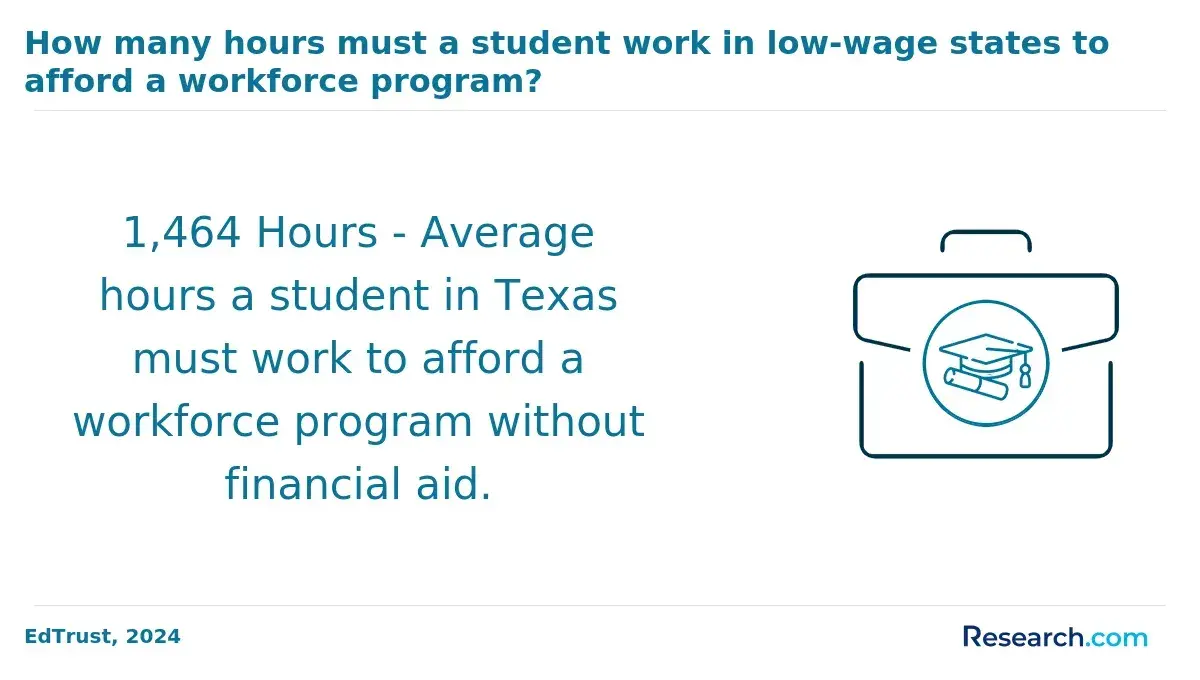
Financially, public universities typically price bachelor's degrees between $15,000 and $40,000 total, while private schools often exceed $50,000. Master's programs exceed this range, sometimes costing over $60,000 due to specialized coursework. Additional expenses such as software licenses, course materials, and fees for experiential components-like startup incubators or live consulting projects-can significantly increase overall investment.
Practical training remains a crucial differentiator. Programs integrating real-world assignments, including digital marketing campaigns or entrepreneurial simulations, better prepare graduates for the realities of launching and sustaining businesses. Without this, students risk a skills gap in digital business execution, which the Kauffman Indicators data indirectly supports: 86.2% of new U.S. entrepreneurs identify entrepreneurship as their primary employment, underscoring demand for immediately applicable expertise.
Prospective students should weigh tradeoffs practically:
- Shorter, intensive degrees accelerate market entry but may limit exposure to complex business concepts.
- Longer programs provide theoretical rigor favorable for tech startups or multifaceted enterprises but require a larger time and financial commitment.
What careers can an online entrepreneurship degree lead to beyond starting your own business?
The value of an online entrepreneurship degree often lies less in launching a startup and more in acquiring versatile skills sought by established firms aiming to innovate and expand. Graduates frequently move into roles like product management, business development, or corporate strategy, where they apply entrepreneurial thinking to challenges such as navigating regulatory environments while maintaining business viability. For instance, a healthcare technology specialist might leverage this degree to lead commercialization efforts, balancing innovation with compliance demands.
In finance sectors such as venture capital and private equity, the ability to critically assess business models and guide portfolio companies' growth is prized, blending financial literacy with strategic insight developed through entrepreneurship curricula.
Graduates often fill operational leadership gaps in small to mid-sized companies, applying broad management, marketing, and financial skills to environments with limited resources that require cross-functional agility and ownership.
Comparing costs, online entrepreneurship MBAs typically reduce tuition expenses by half or more relative to traditional on-campus programs (median tuition around $24,000-$30,000 versus $60,000+). However, students must balance this with potential constraints in networking and program rigor, factors that directly influence employability.
Mid-career professionals targeting corporate innovation should prioritize programs emphasizing applied projects and mentorship rather than purely academic theory, aligning time-to-degree with immediate career goals.
Finally, entrepreneurship graduates often transition into consulting roles, combining academic understanding with practical problem-solving to deliver tailored strategic advice to startups and growth companies.
What salary ranges and income potential can entrepreneurship graduates realistically expect over time?
Expect wide salary volatility for entrepreneurship graduates influenced by industry sectors and business scale. Entry-level figures commonly range between $40,000 and $60,000 annually, especially for startups or small online ventures. In contrast, those who build scalable digital operations often cross $100,000 within three to five years. The core challenge lies in navigating uneven early cash flow, with roughly 45% of startups failing within two years, underscoring the need for solid financial buffers like personal savings or part-time work.
Remote, digital-first models dominate, with RAND's 2024 data showing 70% of online entrepreneurs working primarily from home and over half fully online. This setup supports lower overhead, faster market entry, and greater profit potential across ecommerce, SaaS, and consulting. For instance, an entrepreneur launching a niche dropshipping brand might start with supplemental income ($30,000-$50,000 yearly) but could surpass $150,000 by scaling marketing and brand presence over time.
Traditional brick-and-mortar ventures tend to experience slower income growth, capped at about $75,000 to $90,000 within five years unless supplemented by significant capital or partnerships. Entrepreneurs with tech innovation and commercialization expertise command higher starting salaries ($70,000 to $90,000), advancing beyond $120,000 when achieving product-market fit and securing venture capital.
How can prospective students choose an online entrepreneurship program aligned with stable, future-ready industries?
Students pursuing online entrepreneurship programs must prioritize curricula aligned with industries experiencing stable growth and rapid digital adoption, such as technology, healthcare innovation, and sustainable goods. Emphasizing skills in digital marketing, data analytics, and international logistics addresses the reality that nearly one-third of U.S.-based online entrepreneurs engage global customers, according to RAND's 2024 research. This necessitates practical education on international market regulations, currency risk, and culturally adaptive customer strategies.
Programs must integrate hands-on tools-like e-commerce platforms, supply chain management software, and customer relationship management systems-to equip students with applicable skills. For instance, entrepreneurship learners targeting healthcare should encounter in-depth coursework on regulatory compliance and telehealth market forces, while those focused on tech sectors benefit from emphasis on SaaS models and cybersecurity.
Employers consistently value demonstrated ability to navigate complex regulations, which programs should validate through industry certifications or client-based projects. Assess faculty expertise and institutional ties to sectors with long-term growth to ensure relevance and employability.
Practical factors such as flexible pacing for working students, robust online networking, and career support oriented toward scalable business ventures also influence program value. Alumni outcomes underscoring global market engagement reflect the growing necessity for entrepreneurial stability tied to international reach.
Other Things You Should Know About Entrepreneurship
Employer respect for online entrepreneurship degrees varies significantly depending on the institution's reputation and the program's rigor. Degrees from well-known, regionally accredited universities carry similar weight to traditional degrees; however, lesser-known schools or for-profit online programs may raise concerns about curriculum depth and candidate preparedness. Candidates should prioritize programs with strong alumni outcomes and experiential learning components, as these factors more directly influence employer perception and long-term employability.
It should come from a school accredited by a U.S. Department of Education-recognized regional accreditor, such as HLC, SACSCOC, WSCUC, MSCHE, NECHE, NWCCU, or COA. For graduate admissions, that accreditation is the main requirement for credit transfer and degree recognition.
Students with prior business experience often benefit more from an entrepreneurship degree by deepening strategic skills and expanding networks, accelerating long-term stability. Meanwhile, those without experience risk missing practical insights that contextualize academic content, reducing immediate applicability. For most, gaining at least moderate entrepreneurial exposure before enrolling improves comprehension and ROI, making it advisable to plan education as a complementary phase rather than the initial step.
References
- Bridging the Skills Gap: Entrepreneurship Education for Future-Ready Students - K12 Digest https://www.k12digest.com/bridging-the-skills-gap-entrepreneurship-education-for-future-ready-students/
- Evaluating Online Education: Key Criteria for Genuine E-Learning Platforms https://elqn.org/evaluating-the-quality-of-online-education-key-criteria/
- What do you learn in a bachelor's in entrepreneurship? | edX https://www.edx.org/resources/what-do-you-learn-in-a-bachelors-in-entrepreneurship
- Entrepreneurship Major https://www.kozminski.edu.pl/en/entrepreneurship-major
- M.S. in Entrepreneurship Admission https://www.ut.edu/graduate-degrees/graduate-business/ms-in-entrepreneurship/ms-in-entrepreneurship-admission
- How can an entrepreneurship degree boost your career? | BSBI https://www.berlinsbi.com/blog/how-can-an-entrepreneurship-degree-boost-your-career
- Do You Need a Business Degree to Start a Business? What Entrepreneurs Should Know https://campus.edu/blog/business/business-degree-for-entrepreneurs
- Free Online Education to Start Your Own Business https://www.scu.edu/mobi/
- Degrees for Entrepreneurs | University of Phoenix https://www.phoenix.edu/articles/entrepreneurship/degrees-for-entrepreneurs.html
- Entrepreneurship salary - What you earn after studying | CBS https://www.cbs.de/en/blog/entrepreneurship-salary