2027 Online Entrepreneurship Degrees for Digital Media Business Builders

Co-Founder and Chief Data Scientist
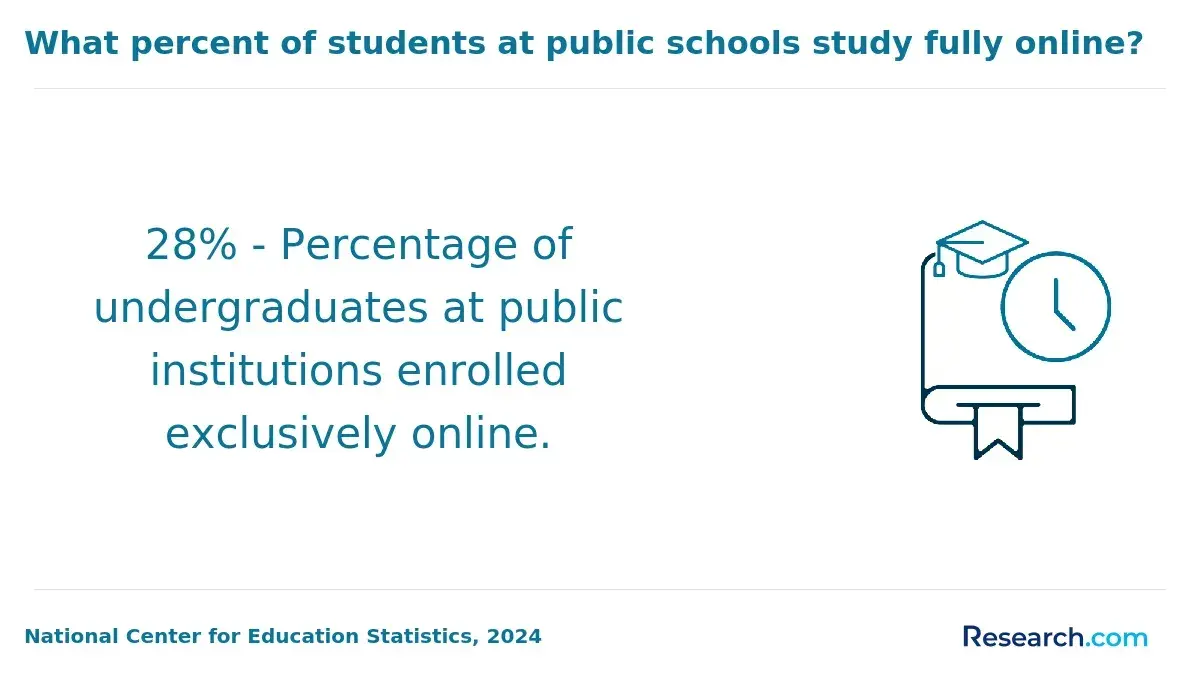
Balancing full-time employment while pursuing a degree in entrepreneurship for digital media business builders often forces professionals to choose between immediate income and long-term career advancement. Over 60% of online learners today are adult students managing work and family, according to the National Center for Education Statistics, illustrating a shift toward flexible program formats over traditional models. This trend impacts enrollment behavior and program accessibility, requiring prospective students to weigh asynchronous coursework, employer-recognized credentials, and hands-on skill integration. This article examines current online entrepreneurship degrees tailored for digital media entrepreneurs, guiding readers to navigate program structures, outcomes, and time-sensitive decisions for optimal professional growth.
Key Things You Should Know
- Online entrepreneurship degrees average $22,000 for completion, with institutions offering 24-48 months programs; extended timelines reduce opportunity costs but delay market entry, impacting ROI for mid-career pivoters according to NCES 2024 data.
- Employers prioritize demonstrated digital business acumen and real-world project experience over degree prestige, with 62% of hiring managers in digital media startups demanding verifiable entrepreneurial outcomes rather than just credentials, per a 2024 Glassdoor survey.
- Tradeoff exists between specialization depth and interdisciplinary knowledge; programs focused narrowly on digital media entrepreneurship report 18% higher startup success post-graduation but risk limiting transferable skills as per Kauffman Foundation 2024 findings.
What is an online entrepreneurship degree for digital media business and who is it best for?
Choosing an online entrepreneurship degree for digital media professionals requires careful consideration of its capacity to deliver practical skills aligned with evolving market demands. This pathway is particularly relevant for individuals aiming to launch startups centered on digital advertising, content creation, or ecommerce ecosystems. For instance, a graphic designer may leverage entrepreneurial training to transform creative talent into a monetized digital agency, while founders targeting influencer marketing gain clearer guidance on funding and legal frameworks, minimizing costly trial-and-error.
The curriculum typically emphasizes digital marketing analytics, intellectual property law tailored to digital content, fundraising strategies, and platform-specific growth tactics. These components fill critical knowledge gaps that generic business degrees often overlook, enhancing graduates' ability to secure venture capital or strategic partnerships. Yet, with an average cost near $42,000 for a four-year degree-according to BestColleges citing NCES-students must weigh this expense against the growth potential of their targeted niche.
Working professionals pivoting into this field should prioritize programs with flexible pacing, project-based assessments, and access to networks or incubators within digital media markets. Employers increasingly demand demonstrable skills and measurable outcomes over abstract credentials. Those exploring the best online entrepreneurship programs for digital media business builders will benefit from comparing options through reliable resources, including a business administration online degree review to understand broader skill applicability.
How do online entrepreneurship programs for digital media compare to traditional on-campus degrees?
Online entrepreneurship degree vs traditional business degree poses a significant choice grounded in tangible tradeoffs that affect career trajectory and skill acquisition. Employers in digital media entrepreneurship increasingly demand candidates who demonstrate hands-on project execution and authentic collaboration, attributes traditionally honed through immersive, on-campus environments with team projects and internships. While online entrepreneurship programs offer flexibility and accessibility, they often require additional effort to replicate this experiential depth through virtual simulations or freelance engagements.
The comparison of digital media entrepreneurship programs and on-campus degrees reveals notable distinctions: on-campus degrees typically provide stronger networking channels, direct mentorship, and campus-based career resources that support reputational capital crucial in industries valuing personal referrals. Conversely, for working professionals balancing employment and study, online programs reduce opportunity costs such as relocation and commuting.
Consider a digital marketing specialist seeking a career pivot into entrepreneurship: the scheduling flexibility of an online program allows immediate application of new skills in the workplace, aligning with practical, real-time learning needs. Yet, candidates aiming for leadership roles in established media companies might prioritize the structured face-to-face interaction and relationship building found in traditional settings.
Decision-makers must assess accreditation, curriculum quality, and employer recognition carefully before committing. There were 27 online Digital Media degrees listed in 2025, reflecting growing acceptance of remote learning pathways. Those exploring time-efficient advanced education options can also evaluate the 1 year online MBA no GMAT as a strategic alternative balancing rigor and accessibility.
What accreditation should online entrepreneurship degrees have for digital media business careers?
Regional accreditation recognized by the U.S. Department of Education or the Council for Higher Education Accreditation (CHEA) is the foundational filter for evaluating accredited online entrepreneurship degrees in digital media. Without this, graduates risk having credentials dismissed by employers, investors, or partners due to inconsistent academic rigor. For example, a startup founder with a non-regionally accredited degree often struggles to secure funding or establish credible business relationships, highlighting how accreditation directly impacts practical business outcomes.
Programmatic accreditation, such as from the Association to Advance Collegiate Schools of Business (AACSB), though less common in online entrepreneurship degrees, adds significant value through curriculum relevance and faculty expertise aligned with market demands. Hiring managers in digital media firms may prioritize candidates holding AACSB credentials that demonstrate proven business acumen integrated with technical skills. Prospective students can consult rankings of AACSB online MBA programs for comparison.
Licensing and authorization to operate in a student's home state also influence eligibility for financial aid and credit transferability. The best online accreditation for entrepreneurship degrees in digital media business thus combines regional legitimacy with specialized credentials and experiential learning components - such as internships or applied projects - which employers value over purely theoretical programs.
Practical implications include limited scalability of digital media ventures and restricted access to executive roles when degrees lack proper accreditation or applied experiences. Students should verify accreditation status on official U.S. Department of Education databases before committing to any program.
What types of online entrepreneurship degrees support launching a digital media business?
Choosing an online entrepreneurship degree program for digital media requires balancing broad management skills with digital-specific competencies. Degrees emphasizing digital entrepreneurship focus on creating scalable business models that integrate content creation, platform monetization, and digital tools, which are critical for media startups. In contrast, business administration degrees with entrepreneurship concentrations provide foundational finance, marketing, and management knowledge but may lack direct application to digital media business challenges.
Specialized certificates, like Arizona State University's Digital Business Innovation, offer targeted, modular training in current digital trends and agile practices, often through subscription models costing about $49 per month. Such formats provide flexible, timely skills for professionals aiming to upskill rapidly without interrupting their employment.
Employers in digital media increasingly prioritize candidates familiar with digital marketing technologies, social media algorithms, and scalable content distribution-skills that traditional programs may overlook. For example, a content creator seeking to launch a subscription-based platform benefits more from programs emphasizing user acquisition analytics and digital monetization than from generalist business courses.
Practical considerations include:
- Assessing if the goal is to build a sustainable digital brand, scale influencer networks, or develop proprietary platforms
- Understanding the tradeoff between versatile degrees and niche digital media entrepreneurship courses online that accelerate specialty skills
- Recognizing workforce preferences for candidates adept in entrepreneurial finance, media intellectual property, and data-driven technology implementation
Those evaluating pathways should also consider complementary educational options like a 2 year construction management degree online for cross-sector agility, especially where digital media intersects with project or product development workflows.
What core courses and specializations are included in digital media entrepreneurship programs?
Digital media entrepreneurship programs blend foundational business knowledge with specialized skills in digital content creation and management, yet the true value lies in their direct alignment with market demands. Core coursework-covering business fundamentals, marketing strategies, financial accounting, and e-commerce management-provides students with tools to build sustainable digital models and manage financial resources effectively. However, the real differentiator is proficiency in digital media production, which includes video editing, graphic design, and social media content development, vital for maintaining competitive digital brand presence.
Specializations like Social Media Marketing, Data Analytics for Business, and User Experience (UX) Design reflect workforce priorities that vary by sector. For instance, someone pursuing Social Media Marketing gains tactical skills in audience segmentation and campaign execution, essential for user acquisition in platforms ranging from streaming services to e-commerce sites. Meanwhile, UX Design skills respond to employer demand in app development and online retail by improving customer interaction and retention.
Completion timelines, such as Northern State University's two-year Associate of Science in Digital Entrepreneurship, cater to professionals seeking accelerated workforce entry or career pivoting. Yet, quick program durations often require students to independently acquire evolving software competencies and hands-on project experience, as curricula may not keep pace with rapid platform changes. Employers thus favor candidates who demonstrate practical, data-driven marketing insights bolstered by strong practicum components or industry connections.
Strategically, prospective students should weigh the tradeoff between accelerated completion and the need for continual skill updating, especially in emerging digital tools, to maintain relevance in a fluid digital economy.
What are typical admission requirements for online digital media entrepreneurship degrees?
Online digital media entrepreneurship degrees require strategic evaluation beyond academic prerequisites, especially as employers prioritize relevant experience and demonstrable digital initiatives over credentials alone. Most programs mandate a bachelor's degree in business, communications, or related fields, yet applicants from nontraditional backgrounds frequently need to substantiate their entrepreneurial aptitude through portfolios or detailed project documentation.
Test scores such as the GRE or GMAT have become optional in many cases but can benefit candidates who lack substantial professional experience in digital marketing, content creation, or startup leadership roles. Employers in this niche tend to favor candidates with two to five years of industry involvement, emphasizing practical know-how over theoretical knowledge.
Applicants should anticipate prerequisite coursework in foundational business or digital marketing concepts, often balanced by the flexible pacing typical of online formats for working professionals. The financial commitment is nontrivial; for example, the Online MBA in Digital Entrepreneurship at Amity University costs approximately ₹1,75,000 (around $2,100 USD), reflecting moderate fees compared to U.S. programs-a factor influencing ROI evaluations and funding decisions.
- Preparation involves detailed resumes, recommendation letters focused on digital project leadership, and occasionally video interviews or digital presence assessments.
- This selection process aligns with employer expectations that merge entrepreneurial drive with digital adaptability, essential for innovation in media business contexts.
Thus, assessing personal qualifications against these benchmarks and preparing for supplementary coursework or portfolio development is critical for realistic admission prospects and subsequent career application.
How long do online entrepreneurship programs take and what do they typically cost?
Choosing an online entrepreneurship degree requires weighing time commitment against financial and professional goals. Bachelor of Arts programs typically require four years full-time, with part-time options extending this, sometimes beyond five years, affecting overall tuition and work-life balance. For instance, students balancing full-time jobs may prefer part-time study despite higher total costs to maintain steady income, while accelerated tracks demand intensive weekly hours that often preclude substantial employment.
Cost fluctuations are notable: some programs, like the one at American Public University, charge $360 per credit with reduced rates near $250, translating to roughly $30,000-$43,000 tuition for 120 credits, excluding fees and materials. Such variance reflects the financial realities students must plan for, especially if they aim to launch ventures post-graduation, where additional expenses like software licenses and business registrations add to upfront investment.
The curriculum often intersects business fundamentals, marketing, finance, and digital media strategy, targeting industries from e-commerce to tech startups. However, employers increasingly prioritize demonstrated project experience and practical skills over mere academic completion. Therefore, selecting programs with hands-on projects, mentorship, or incubator access can markedly influence employability and readiness.
- Longer programs offer flexibility but can delay market entry and amplify tuition costs.
- Accelerated paths compress study time but demand sacrifices in employment hours.
- Ancillary costs often overlooked can impact overall financial planning.
- Practical experience embedded in curricula boosts hiring prospects in digital media and tech sectors.
What careers can a digital media entrepreneurship degree prepare you for?
Graduates of digital media entrepreneurship programs enter a workforce that demands multifaceted expertise beyond content creation. Key roles like digital marketing manager, product manager in tech startups, content strategist, and e-commerce manager require blending technological fluency with strategic oversight. For example, a business development lead at a podcast network must leverage data analytics and negotiate sponsorship deals rather than rely solely on creative skills.
The intersection of user experience design and entrepreneurship also highlights a persistent tradeoff: technical proficiency must be balanced with business acumen to develop viable, customer-focused digital products. Founders emerging from these programs typically gain skills in validating ideas, securing investment, and scaling businesses, but outcomes vary significantly based on program specialization.
Employers expect graduates to understand digital monetization models, legal aspects of intellectual property, and regulatory compliance. Practical competencies in agile methodologies and market analysis are essential to navigating fast-evolving digital markets.
Ongoing challenges include continuous adaptation to rapidly shifting digital tools and frameworks, emphasizing the need for sustained learning to remain competitive. Initiatives like Google Digital Garage's free entrepreneurship program suggest a growing national emphasis on accessible upskilling aligned with employer expectations in digital business innovation.
What salary ranges and earning potential exist for digital media entrepreneurs and managers?
Salary ranges for digital media entrepreneurs and managers reflect considerable variability depending on industry focus, company scale, and professional maturity. Entry-level roles start around $50,000 to $70,000 annually, requiring practical skills in digital content creation, marketing analytics, and platform oversight. Those at mid-career tend to earn between $85,000 and $120,000, often taking on responsibilities such as team management and driving strategic digital growth. Senior entrepreneurs who scale digital media ventures can surpass $150,000 through diversified monetization like advertising, subscriptions, or partnerships.
Critical workforce considerations include geographic disparities; tech centers like San Francisco and New York offer salary premiums up to 30%, which can offset the higher cost of living but may demand stronger professional networks. Early career income instability is common, emphasizing the importance of developing versatile competencies that align with dynamic market demands.
Practical business acumen beyond creative and technical skills is essential. For instance, managing a niche podcast network involves balancing consistent sponsorship revenue against necessary investments in audience analytics and digital rights, affecting operational cost structures. According to data from Kansas State University, the sector is projected to add 1.7 million digital media jobs by 2030, amplifying the need for entrepreneurial agility in client acquisition and multi-channel content distribution.
How can students choose a reputable online program for building a digital media business?
Choosing a digital entrepreneurship program requires prioritizing measurable outcomes validated by independent data, such as verified employment rates and graduate earnings that translate into real business growth. For instance, Strayer University's online Digital Entrepreneurship MBA charges $3,045 per course, representing a substantial financial commitment that must be weighed against tangible career or revenue benefits.
Decisions hinge on factors beyond cost, including curriculum alignment with market needs-specialized coursework in areas like digital content monetization, social media analytics, and technology entrepreneurship signals a program's relevance. Students aiming to launch digital ventures benefit most from courses emphasizing practical skills like marketing application and technology deployment, whereas innovation in digital advertising demands stronger analytics and business model focus.
Practical considerations such as program flexibility and technology reliability impact learning continuity, especially for working professionals balancing income and study. Programs offering industry partnerships, project-based learning, and access to venture incubators provide advantages that often translate directly to improved business viability and employment recognition.
Evaluating employer demand alongside program accreditation helps confirm a degree's legitimacy and value retention in competitive markets. The ideal choice weighs demonstrated outcomes, cost-effectiveness, and workload compatibility, positioning students to strategically leverage education for entrepreneurial success.
Other Things You Should Know About Entrepreneurship
Online entrepreneurship programs equal or exceed the academic rigor of on-campus courses, often requiring greater self-discipline due to less direct supervision. Students must manage time effectively while balancing practical projects, networking, and coursework simultaneously. Prospective learners should prioritize programs with strong support structures and clear deadlines to mitigate the risk of falling behind, especially if juggling work or family responsibilities.
Many online programs integrate experiential learning, but the quality and relevance vary significantly. Programs with mandatory capstones, consulting projects, or partnerships with digital media startups provide tangible results employers seek. When choosing, prioritize degrees that require demonstrable business plan development or live venture engagement rather than purely theoretical coursework to enhance post-graduation employability.
Specialized digital media entrepreneurship degrees often deliver curriculum and skills aligned with market demands specific to social media, content creation, and platform monetization, which can accelerate job readiness. However, broader entrepreneurship degrees may offer more versatility if your business interests or industry focus might shift over time. Therefore, prioritize specialization if you have a clear digital media goal, but consider broader programs if you seek flexibility in entrepreneurial ventures.
Look for institutional accreditation from a U.S. Department of Education-recognized regional accreditor, and for business programs, AACSB or ACBSP accreditation adds extra quality review. If you need federal aid, the school must also participate in Title IV funding and file the FAFSA.
References
- Bachelor - Digital Content Creation & Communication | CREA - OMNES Education https://www.creageneve.com/en/bachelor/digital-design-communication/
- Master of Science (MSc.) in Digital Media and Marketing(Research Track) - South Europe College https://southeurope.edu.mt/degree-master-of-science-msc-in-digital-media-and-marketingresearch-track/
- Online Course Business Startup Costs: How Much Does It Cost? (2026) https://www.foundra.ai/startup-costs/online-course
- How Much Does It Cost to Create an Online Course? A Complete Breakdown for Businesses That Want to Sell Courses https://oasis-lms.com/post/how-much-does-it-cost-to-create-an-online-course
- Launching Your Online Business Post-Diploma. | MANCOSA https://www.mancosa.co.za/blog/from-student-to-digital-entrepreneur-launching-your-online-business-post-diploma/
- Online Bachelor of Business Administration and Digital Innovation with Digital Marketing https://www.global-business-school.org/programs/bachelor-europe-bachelor-of-business-administration-online/online-bachelor-of-business-administration-and-digital-innovation-with-digital-marketing/
- BA Digital Media https://www.leuphana.de/en/college/bachelor/ba-digital-media.html
- 12-month Course: Born for Business https://wmsb.edu.pl/entrepreneurship-course/
- Free Online Education to Start Your Own Business https://www.scu.edu/mobi/
- Learn to be an entrepreneur and launch a sustainable and independent digital media outlet in new free online course https://journalismcourses.org/learn-to-be-an-entrepreneur-and-launch-a-sustainable-and-independent-digital-media-outlet-in-new-free-online-course/