2027 Online Entrepreneurship Degrees for Builders Who Want Local-to-Multi-Location Growth Paths

Co-Founder and Chief Data Scientist
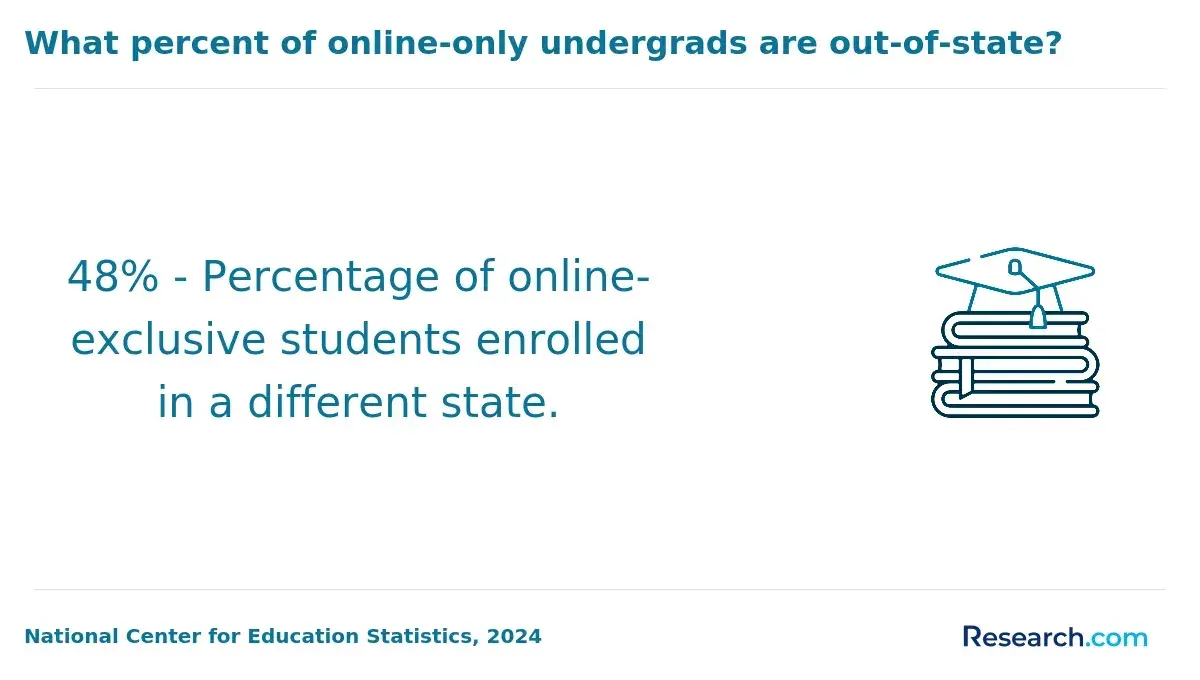
Deciding how to scale from a single local business to multiple locations demands more than ambition; it requires precise knowledge of growth models, market dynamics, and operational frameworks. Yet many prospective entrepreneurship students struggle to find online degrees that balance flexible scheduling with curricula tailored to scaling challenges. According to the National Center for Education Statistics, over 40% of undergraduates now enroll exclusively in online programs, reflecting both rising workforce demands for adaptable learning and the need to integrate education with active ventures. This shift reshapes enrollment strategies, pressuring students to choose programs that align with both immediate business goals and long-term expansion plans.
This article evaluates leading online entrepreneurship degrees designed for builders targeting local-to-multi-location growth, offering guidance on program features that directly address the complexities of scaling businesses efficiently.
Key Things You Should Know
- Online entrepreneurship degrees emphasizing local-to-multi-location scaling reveal a tradeoff: intensive site-specific market studies reduce scalability speed, forecasting slower multi-outlet launch timelines per National Retail Federation 2024 sales data.
- Employers increasingly prioritize experiential leadership and regional growth strategy proficiency, with 62% of hiring managers for scaling businesses valuing demonstrated local market adaptation, per the Bureau of Labor Statistics 2024 workforce survey.
- Program duration and cost average 18 months and $30,000 respectively, with cohort-based models delaying entry into revenue-generating phases by 25% compared to self-paced tracks, confirming access and timing as key constraints per EduData 2024.
What is an online entrepreneurship degree for local-to-multi-location business growth?
Degrees focused on local online entrepreneurship degree programs for multi-location business growth equip students with essential frameworks for scaling from single-site operations to distributed enterprises. Graduates must navigate the tension between standardizing processes for efficiency and adapting business models to unique local markets, a critical skill increasingly sought by employers managing regional expansion challenges.
Consider a boutique fitness studio owner aiming to expand into neighboring states: success hinges on mastering regional demographic analysis alongside designing scalable operational systems. In contrast, a hospitality entrepreneur targeting franchise compliance must prioritize maintaining brand consistency across diverse regulatory environments.
These programs emphasize:
- Market and site selection analysis tailored for multi-site growth
- Financial planning aligned with phased expansion
- Digital marketing strategies adaptable to geographic diversity
- Compliance with multi-jurisdictional regulations
However, students face tradeoffs in selecting curricula that balance theory with applied projects, ensuring faculty expertise in multi-location scaling, and securing mentorship geared to local-to-regional business growth. Employability increases when graduates demonstrate ability to quantify strategic growth supported by operational and cost-control analytics.
The rising interest in MBA entrepreneurship online programs mirrors workforce demand for these competencies. Such programs recognize the practical necessity of coupling foundational business education with digital accessibility for professionals aiming to advance within entrepreneurial ecosystems.
How do online entrepreneurship programs compare with on-campus options for aspiring builders?
Choosing between online entrepreneurship degree programs for builders aiming to evolve from local to multi-location operations requires assessing flexibility against direct mentorship. Online formats offer scalable skill development through asynchronous coursework, enabling learners to apply strategies immediately within active ventures-an advantage critical for expansion and digital adaptability. This flexibility contrasts with on-campus courses, which, while providing face-to-face networking valuable in tightly knit local industries like hospitality, often restrict pacing and real-time application.
Consider a restaurateur expanding into a franchise model: such professionals gain more from online coursework emphasizing operational scalability and remote team leadership than traditional campus-based instruction. Employers increasingly prioritize candidates with hands-on digital skills, cultivated through online simulations and remote collaborations, over theoretical knowledge without practical digital context.
Growth trends in multi-location entrepreneurship courses reflect a shift where measurable, data-driven competencies matter more than geographic proximity or spontaneous networking, despite online learning demanding greater self-discipline. Key tradeoffs include balancing structured mentorship with immediate, project-based application.
For working professionals evaluating entrepreneurial education pathways, assessing these operational distinctions is crucial before committing. Those seeking such alternatives might explore programs like best MBA programs without GMAT that similarly emphasize pragmatic skills applicable to complex business models and evolving markets.
Comparing local and multi-location entrepreneurship courses, the online route better aligns with workforce expectations for digital fluency and remote management.
Which types of entrepreneurship degrees best support multi-location and franchise-style growth?
The most effective entrepreneurship degrees for builders focused on multi-location business growth integrate business management, operations strategy, and sector-specific expertise. Programs targeting franchise expansion or regional scaling provide critical skills in systematizing operations, financial forecasting, and navigating the legal complexities of multi-unit oversight. For those pursuing online entrepreneurship degrees for multi-location business growth, emphasis on practical topics like supply chain logistics and local market analysis addresses common expansion challenges.
Consider a construction business owner transitioning to multiple sites: success hinges on scaled project management, workforce coordination across locations, and regulatory compliance. Employment projections for construction managers reveal a 9% growth from 2024 to 2034 with roughly 46,800 annual openings, indicating strong industry demand for professionals capable of managing dispersed teams and complex operational workflows.
Graduates who acquire quantitative skills such as financial modeling and data analysis better anticipate profitability and efficiency at each site-advantages often missed by more theoretical entrepreneurship programs. Degrees incorporating partnerships or internships with franchise networks also enhance real-world readiness, allowing students to tackle multi-location logistics firsthand.
Those weighing entrepreneurship programs supporting franchise expansion in local regions must consider a tradeoff: specialized curricula that deepen operational competencies may underemphasize early-stage startup ideation but accelerate preparedness for scalable leadership roles. Students seeking flexible formats might explore an online EMBA to balance advanced management training with professional commitments.
What accreditation and institutional quality standards should online entrepreneurship programs meet?
Regional accreditation from recognized U.S. agencies such as the Higher Learning Commission or the Middle States Commission is essential for online entrepreneurship programs. This ensures institutional quality, federal financial aid eligibility, and credit transferability-a critical consideration for students targeting industries with high employer scrutiny. For example, construction management graduates earn a median annual wage of $106,980, highlighting the economic stakes tied to accreditation. Assessing programs against regional and national institutional quality standards for entrepreneurship programs impacts not only academic credibility but also practical workforce integration.
Students should prioritize programs that offer specialized accreditation, such as from the Accreditation Council for Business Schools and Programs, which signals a curriculum robust enough to address complexities like managing multiple business sites versus single-location operations. Practical curricular elements-real-world case studies, financial modeling, and multi-unit growth strategies-are indispensable for graduates expected to handle logistics, staffing, and scalability in multi-location management roles.
Graduates must review published retention, graduation, and employment outcome data since transparent metrics correlate strongly with career outcomes. Programs maintaining graduation rates above 50% and employment rates near 80% provide better value and lower risk. For a focused review, prospective students may consult the construction management online degree pathways that incorporate these criteria and market realities.
What courses and specializations prepare entrepreneurs to scale from local to multi-location?
Success in scaling from a single location to multi-site operations demands more than foundational business knowledge; it requires mastery of strategic management tailored to complex, layered challenges. Practical skills in franchise development and multi-unit marketing equip graduates to maintain brand consistency while adapting to regional markets, a balancing act that directly affects long-term sustainability and profitability.
Programs integrating data analytics with customer relationship management emphasize actionable insights from localized data-essential for crafting responsive growth strategies across sites. Operational proficiency in standardized yet flexible procedures is critical for industries such as food service and retail, where quality control directly impacts regulatory compliance and customer retention.
Addressing logistical challenges-like inventory distribution and workforce training-requires coursework grounded in both logistics management and organizational behavior, aligning academic training with tangible workplace demands. Funding knowledge centered on balancing debt, equity, and reinvested capital further distinguishes programs by preparing students for the financial realities of expansion.
Key practical considerations include:
- Balancing brand uniformity with necessary local adaptation to avoid market disconnects
- Implementing scalable operational frameworks that retain flexibility for diverse locations
- Anticipating and managing multi-site workforce development and decentralized leadership
- Strategic capital acquisition and allocation tailored to growth phases
Given the median net price of $19,870 at public four-year institutions, selectivity around programs demonstrating measurable outcomes in multi-site operational leadership and real-world applicability offers a clearer return on investment for students targeting scalable entrepreneurship roles.
What are typical admission requirements, program length, and schedules for online entrepreneurship degrees?
Entrance into online entrepreneurship programs often hinges on more than merely holding a high school diploma or GED. Programs with competitive admissions may require a GPA of 2.5 to 3.0 and personal statements outlining specific business intentions, which serve to differentiate applicants beyond test scores-a factor increasingly deprioritized or waived post-2023. Letters of recommendation that attest to leadership aptitude or relevant work experience further signal readiness for the entrepreneurial demands of these courses. For those with prior higher education, transfer credits can shorten time to degree completion but necessitate thorough transcript evaluation.
Program durations vary significantly: bachelor's degrees usually require two to four years, while associate degrees average two years. Master's pathways add one to two years, often reflecting a more strategic approach to deepening entrepreneurial expertise. Certificates accessible in six to twelve months target professionals seeking targeted skill boosts without the extended commitment of a full degree.
Most fully online courses use asynchronous formats, allowing students to juggle coursework alongside business development or ongoing employment. Hybrid models offer periodic in-person residencies for networking and immersion critical to sectors like franchising or local retail enterprises. Stackable credentials provide a modular route, enabling learners to accumulate micro-credentials that support phased career progressions without immediate full degree enrollment.
- Admission criteria balance academic baseline requirements with evidence of business focus and leadership potential.
- Program lengths and formats accommodate different levels of workforce engagement and urgency.
- Hybrid and stackable options reflect market needs for both flexible learning and tangible local connections.
Educations.com/OnlineStudies lists 48 fully online entrepreneurship degrees across North America, indicating steadily broadening options supportive of both single-location startups and multi-site scaling strategies.
How much do online entrepreneurship degrees cost, and what funding options are available?
The financial burden of pursuing online entrepreneurship degrees ranges considerably, often between $15,000 and $60,000 in total tuition. Pricing differences primarily reflect institutional ranking, program length, and credit costs-community colleges typically charge $300-$600 per credit hour, whereas private or elite universities may demand $800 or more. For part-time students managing startups or multiple ventures, these costs influence how quickly they can reinvest capital into operations versus education.
Several funding pathways exist but have distinct practical impacts:
- Federal financial aid via FAFSA supports tuition but comes with loan repayment obligations that can strain early-stage cash flow.
- Employer tuition reimbursement programs provide direct relief but require alignment with job roles and company budgets.
- Income share agreements are emerging options but may limit future revenue flexibility.
- Veteran benefits like the GI Bill remain underutilized yet potent resources for eligible candidates.
Scholarships specifically for entrepreneurship students are limited, emphasizing the need for strategic financial planning. Founders expanding multi-location operations often prioritize employer assistance or low-interest federal loans to minimize upfront costs and accelerate growth.
Data from OECD's "Recent Developments in Entrepreneurship Training" reveals founders holding formal entrepreneurship degrees are 25-30% more likely to secure equity investment within three years, underscoring the value of credentialed business education when pitching to investors.
Prospective students should evaluate tuition per credit, FAFSA deadlines, and employer policies before enrollment to align education expenses optimally with business milestones and cash flows.
What careers can entrepreneurship graduates pursue in local, multi-location, and franchise growth?
Graduates pursuing entrepreneurship careers face fundamentally different operational demands depending on their chosen path: local business ownership, multi-location management, or franchise development. Each track requires distinct expertise and tactical focus. For instance, local entrepreneurs depend heavily on intimate market knowledge and hands-on customer engagement, emphasizing agility and rapid problem-solving within a single community.
In contrast, managing multiple locations shifts priorities toward scalable systems, supply chain efficiency, and decentralized leadership structures common in retail or service chains. Franchise growth adds a further layer of complexity, requiring legal acumen, brand consistency enforcement, and nuanced franchisee relations. This path demands a balance of compliance rigor and adaptable growth strategies.
Operational tradeoffs become clear:
- Local ventures prioritize responsiveness and community integration.
- Multi-location managers optimize standardized processes to maintain quality and cost control.
- Franchise roles necessitate coordination between franchisor mandates and market-specific adaptations.
Employers increasingly expect entrepreneurial candidates to leverage digital tools supporting inventory, marketing, and performance tracking, especially in scalable and franchise contexts. For example, a pharmacy owner expanding locally needs strong skills in customer relations and inventory control, whereas a multi-location food franchise manager must master regional marketing and supply chain complexities. This divergence underscores the importance of aligning educational choices with clear career operational realities rather than generalized entrepreneurship training.
What salary ranges and earning potential exist for entrepreneurs growing multi-location businesses?
Multi-location business owners in construction and trades typically earn substantially more than wage employees, with median earnings about 20% higher for self-employed construction and extraction workers, according to Data USA's 2024 analysis. However, income variability rises, hinging on operational control and risk exposure intrinsic to managing multiple sites. For instance, an entrepreneur running two or three job sites might generate over $250,000 in annual revenue, but net earnings fluctuate based on overhead, labor costs, and local market dynamics.
The leap from single-site to multi-location ownership demands advanced financial management skills and investments in systems like regional supply logistics and project management software. These upfront costs often precede profitability and require effective delegation to skilled site managers, balancing labor cost savings against increased payroll obligations.
Typical gross revenues for established multi-location firms range from $200,000 to $1 million, but surpassing six-figure incomes involves navigating complex regulations, labor relations, and reinvestment strategies. Entrepreneurs lacking business acumen or failing to control branch-level expenses risk diminished returns despite high revenues.
Compared with wage earners making $50,000 to $80,000, self-employed multi-site entrepreneurs face broader income volatility and operational complexity. Degree programs focusing on operational scalability, financial forecasting, and legal compliance equip candidates with crucial skills to manage this risk and maximize earnings over time.
How can students evaluate and choose a reputable online entrepreneurship program in the U.S.?
Choosing an online entrepreneurship degree demands critical scrutiny of program accreditation and demonstrable graduate outcomes tied to the realities of scaling multi-location businesses. Accreditation from recognized agencies serves as a non-negotiable baseline ensuring curriculum relevance and employer recognition, but measurable placement rates or real-world venture success data separate substantive programs from mere nominal credentials.
Key curricular components must include multi-location management and digital operations integration-essential skills for candidates targeting sectors like retail chains or franchises. Programs offering applied modules on supply chain coordination, localized marketing strategies, and scalable workforce models equip students with frameworks replicable across dispersed venues.
Students should prioritize degrees embedded in active local employer networks or incubators, as these connections foster critical mentorship and improve alignment between academic insights and business expansion realities. Without such engagement, graduates risk a mismatch between theory and operational practice in multi-site enterprises.
Tradeoffs between cost and value also arise: elite institutions demand premium tuition but may grant superior access to capital and business networks vital to opening multiple locations. In contrast, community colleges reduce financial burden but often lack targeted content and hiring advantages related to scaling complexities.
Flexible scheduling options are crucial for working entrepreneurs balancing study and enterprise growth, given that rigid programs increase the risk of attrition and stall scaling timelines.
According to OECD digital economy analyses, by 2030, small and medium-sized businesses using digital tools for multi-location operations will generate $2.3 trillion in added global GDP. This data validates programs that update content to reflect emerging digital expansion strategies.
Other Things You Should Know About Entrepreneurship
Look for regional accreditation from a U.S. Department of Education–recognized agency, such as the Higher Learning Commission or WASC Senior College and University Commission. For franchise or expansion planning, accreditation plus a clearly named business school or college matters more than a generic certificate from an unaccredited provider.
Skills in financial modeling for expansion, operations management, and strategic marketing deliver the most measurable returns in multi-location growth contexts. Programs that emphasize data-driven decision-making and leadership adaptability prepare graduates to navigate the complexities of decentralized management. Prioritizing coursework that includes applied analytics and legal compliance for franchising offers a clearer path to viable, scalable business models.
Choosing a specialized entrepreneurship degree focused on local-to-multi-location scaling tends to provide a more integrated learning experience with direct applicability to growth strategies, but it can be narrower in focus. For professionals seeking flexibility, a general business degree supplemented by targeted certification in franchising, growth strategy, or financial planning offers adaptability across roles and industries. Decision-makers should weigh immediate career goals against long-term versatility, as specialized degrees accelerate depth, while combinations support breadth and pivot potential.
References
- Degrees That Build: The Many Potential Paths to a Career in Construction Management - Ruppert Landscape https://www.ruppertlandscape.com/degrees-that-build-the-many-potential-paths-to-a-career-in-construction-management/
- Small Business Entrepreneurship Associate Degree | Northcentral Technical College https://www.ntc.edu/academics-training/programs/all/associate-degree/small-business-entrepreneurship
- Types of entrepreneurship | ULaw https://www.law.ac.uk/resources/blog/types-of-entrepreneurship/
- Accreditation https://www.eacbe.com/accreditation/
- Accreditation as a Strategic Driver of Alignment Across Higher Education and Industry https://acbspjournal.org/2026/05/22/accreditation-as-a-strategic-driver-of-alignment-across-higher-education-and-industry/
- Franchise Model Growth Strategies https://www.meegle.com/en_us/topics/franchise-model/franchise-model-growth-strategies
- Types of Entrepreneurship: keys to succeeding as an entrepreneur https://www.cis-spain.com/en/blog/types-of-entrepreneurship-keys-to-succeeding-as-an-entrepreneur/
- BSc (Hons) Construction Management https://www.ube.ac.uk/undergraduate/construction-management/
- Learning pathways | Entrepreneurship4all https://entrepreneurship4all.eu/learning-pathways/
- Best MBA Subjects for Aspiring Entrepreneurs https://dcoil.org/blogs/mba-subjects-that-help-you-become-an-entrepreneur/