2027 Online Entrepreneurship Degrees With Entrepreneurial Marketing Concentrations

Co-Founder and Chief Data Scientist
Prospective entrepreneurs juggling full-time jobs and family commitments face a critical dilemma: how to acquire specialized marketing skills essential for launching and scaling ventures without compromising immediate income or personal obligations. The National Center for Education Statistics reports a 12% rise in adult enrollment in online degree programs between 2022 and 2024, signaling a shift toward flexible, accessible education that aligns with busy schedules. This reflects a growing recognition that traditional on-campus formats often fail to meet the timing and mobility needs of working professionals aiming to pivot strategically.
This article examines online entrepreneurship degrees featuring entrepreneurial marketing concentrations to clarify which programs balance rigorous marketing expertise with flexible delivery to optimize career outcomes for ambitious students.
Key Things You Should Know
- Programs with entrepreneurial marketing concentrations average 24 months to completion, but 40% of students overshoot this due to part-time work; longer duration inflates costs, delaying ROI despite upfront affordability advantages reported by NCES 2024.
- Employers in startups prioritize candidates with measurable project outcomes over GPA; data from Emsi 2024 shows 62% of hiring managers value practical venture experience from capstone courses more than core business knowledge.
- Tradeoffs include limited scalability in marketing-specific tracks, narrowing post-degree roles to niche startup functions rather than broader corporate innovation positions, constraining mid-career pivots according to 2024 Bureau of Labor Statistics labor mobility analyses.
What is an online entrepreneurship degree with an entrepreneurial marketing concentration and who is it best for?
Online entrepreneurship degree programs with marketing focus serve candidates who prioritize practical outcomes over traditional academic exposure. This pathway suits individuals planning to launch startups or scale early ventures using targeted marketing strategies that emphasize customer segmentation and digital engagement. For example, professionals balancing full-time work and seeking flexible formats often choose online degrees to minimize disruption while cultivating skills aligned with entrepreneurial marketing careers.
Compared to on-campus alternatives, online delivery generally lowers the total bachelor's cost from roughly $68,000 to about $42,000, a critical consideration for those pivoting careers with limited financial bandwidth. However, this cost advantage comes with significant tradeoffs: reduced face-to-face mentorship and limited real-time collaboration require students to proactively build external networks through local incubators or industry events.
This degree's value is tied to its applied focus-employers favor candidates presenting capstone projects or client-based work verifying business model refinement and go-to-market execution. Conversely, it is less fitting for aspirants seeking corporate marketing roles demanding specialized internships and deep sector expertise.
Balancing academic content with real-world entrepreneurial marketing competence remains essential. Prospective students should review program structures carefully, particularly comparing offerings within the best online degrees for entrepreneurial marketing careers. For additional perspective, those exploring advanced operational leadership may also consult online MBA programs comparison to inform longer-term strategic decisions.
How do online entrepreneurship and entrepreneurial marketing programs compare to traditional on-campus options?
Employers increasingly demand entrepreneurial mindsets; marketing job postings citing entrepreneurial skills grew 27% in the U.S. from 2020 to 2024, reflecting shifting workforce priorities. This hiring reality underpins critical differences between online and campus entrepreneurship programs. Online education offers flexible, self-paced access for professionals integrating learning with work, ideal for those pivoting mid-career who need immediate skill application without geographic constraints.
However, entrepreneurial marketing degrees online may lack the immersive team projects, mentorship, and local ecosystem engagement characteristic of traditional on-campus options. These in-person elements are vital for students targeting venture capital or tech-driven startups where hands-on innovation hubs and direct networking foster opportunity creation.
Choosing between delivery modes requires weighing experiential richness against flexibility. Students must evaluate how differences affect applied project work, industry partnerships, and career services, all influencing job placement outcomes. Online students face greater responsibility in securing virtual networking and internships, while campus students leverage structured access to entrepreneurial communities.
Prospective candidates should review programs critically for alignment with their practical goals and learning style. Those seeking comparative program data and broader context on accessible business education might explore MBA programs online for relevant options.
How can students verify accreditation and quality for online entrepreneurship marketing degrees?
Accreditation verification through federally recognized U.S. Department of Education agencies or the Council for Higher Education Accreditation (CHEA) is foundational to assessing the quality of online entrepreneurship marketing degrees. Without regional accreditation, degrees risk dismissal by employers and graduate programs, creating a significant barrier to career progression. Beyond accreditation, program evaluation should emphasize faculty expertise with direct industry experience and curriculum relevance to practical market needs, especially given projected career growth rates: entrepreneurial studies careers expanding by 7.9% and general management roles by 9.1%, per College Factual's 2025 Entrepreneurial Studies Degree Guide.
How to verify accreditation for online entrepreneurship marketing degrees also involves analyzing curriculum specificity. Programs embedding applied marketing tactics such as digital analytics, customer acquisition strategies for startups, and growth hacking tend to better prepare students for real-world roles. Employer feedback and alumni employment data provide evidence of a program's effectiveness, with those focusing on scalable marketing for tech startups or retail franchises showing stronger hiring outcomes.
Consulting federal databases like the Integrated Postsecondary Education Data System (IPEDS) reveals graduation and employment rates that highlight program outcomes beyond accreditation status. Transparency regarding graduate job placement and salary averages is pivotal in differentiating programs with tangible workforce benefits. Additionally, practical factors including delivery modes and student support services significantly impact degree completion rates and applied skill development.
Students weighing the cost-benefit of these programs must also consider alternatives such as a quickest online MBA programs, which might offer accelerated timelines and broader business management frameworks that complement entrepreneurial marketing skill sets.
What courses and specializations are typically included in entrepreneurial marketing degree curricula?
Entrepreneurial marketing degree curricula integrate foundational business principles with targeted strategies for managing startup expansion and intrapreneurial projects. These programs emphasize practical skills in product development, digital marketing analytics, and customer acquisition tailored to the realities of early-stage companies. Key coursework includes financial modeling and startup funding mechanisms-covering venture capital, angel investment, and bootstrapping-that equip students to confront common financing challenges. Branding and consumer behavior modules prepare students to craft lean marketing campaigns where limited budgets and personnel undermine traditional approaches.
Different online entrepreneurship marketing specializations address industry-specific go-to-market frameworks. For instance, a student concentrating on technology startups studies agile marketing tactics aligned with fast product iterations, while one focusing on sustainable products explores eco-conscious consumer targeting and regulatory compliance. Programs typically focus on digital channels, social media optimization, and viral marketing to maximize reach under resource constraints.
Course designs prioritize experiential learning through case studies, pitch development, and business plan competitions-practices essential for workplace readiness in startup environments. The curriculum also incorporates legal and ethical considerations, reflecting employer demand for risk-aware marketers. Considering salary variability, with entrepreneurial marketing graduates earning from $16,449 to $220,116 and a median starting salary near $53,123 (College Factual 2025), decisions about curricular focus must weigh industry growth, targeted roles, and measurable impact on startup market share.
Students simultaneously evaluating pathways may consider related fields, such as construction management degree online, which blends operational oversight with entrepreneurial elements, illustrating how cross-disciplinary approaches augment employability in dynamic markets.
What are the common admission requirements for online entrepreneurship degrees with marketing concentrations?
Admission into online entrepreneurship degrees with a focus on entrepreneurial marketing hinges on more than basic eligibility; it involves navigating academic benchmarks and demonstrating business relevance. Most programs mandate a bachelor's degree from an accredited institution with a GPA generally between 2.5 and 3.0, complemented by official transcripts. Standardized test scores are often required but can be waived for applicants presenting significant professional experience, acknowledging the practical value of real-world skills in lieu of exam performance. This flexibility responds to employer demand for candidates proficient in applied marketing and startup initiatives.
Applicants must also prove quantitative and communication competencies, either through prior coursework or relevant certifications, underscoring the dual analytical and creative demands unique to entrepreneurial marketing roles. Letters of recommendation, ideally from supervisors or academic advisors familiar with the applicant's business savvy, are critical to validate independent strategic thinking and client engagement capacity. A statement of purpose focused on entrepreneurial experience and marketing innovation goals provides further differentiation.
From a financial and logistical standpoint, working professionals must weigh costs such as a $1,555 per course tuition fee, a $65 term technology charge, and a $100 resource kit per course-expenses that surpass average online program costs and complicate budget planning. The online format demands disciplined time management and reliable technology, factors that can influence timely program completion and subsequent employability in competitive marketing-focused entrepreneurship sectors.
How long do these online programs usually take and what scheduling formats are available?
Time commitment and format flexibility fundamentally shape the viability and outcomes of online entrepreneurship degrees with marketing concentrations. Full-time enrollment typically compresses completion to under two years, while part-time students often extend their studies over three or more years to balance ongoing work obligations. Programs enabling self-paced study allow modifications to timelines according to shifting career demands or unforeseen scheduling conflicts, a critical feature for entrepreneurship professionals managing fluctuating workloads.
Scheduling options range from fully asynchronous courses-granting learners autonomy over study times-to hybrid models that incorporate synchronous components for peer interaction and mentorship. Each format entails tradeoffs:
- Asynchronous formats demand significant self-motivation and can reduce networking opportunities but maximize scheduling freedom.
- Hybrid or synchronous courses foster real-time engagement yet require fixed weekly availability, potentially clashing with entrepreneurial priorities like client meetings or product launches.
Consider a digital marketing specialist earning a median $65,000 aiming for a strategic pivot, who might leverage accelerated or hybrid tracks to gain mentorship while maintaining momentum. Conversely, an established marketing manager making $156,580 may prefer asynchronous part-time study to safeguard income and job duties. Employers favor candidates demonstrating effective multitasking and consistent performance amid these educational commitments, recognizing these as indicators of entrepreneurial discipline and adaptability.
What do online entrepreneurship and entrepreneurial marketing degrees cost and what financial aid is available?
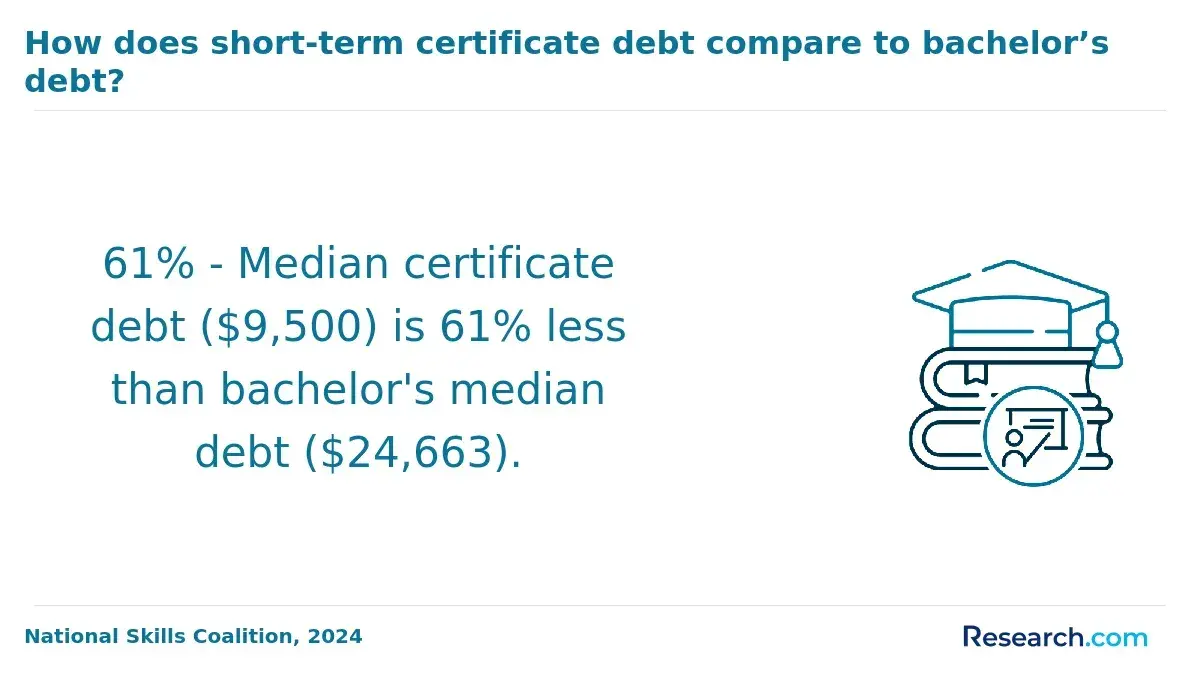
Online entrepreneurship degrees range widely in cost, typically between $15,000 and $50,000 for bachelor's or master's programs, reflecting significant variation by school type, program length, and residency. Public universities generally charge $300 to $700 per credit for in-state students, while private institutions demand $800 to $1,200 per credit hour. Certificate programs aimed at working professionals cost significantly less-between $2,000 and $6,000-but offer condensed, skill-focused content rather than comprehensive academic preparation. These differences often translate into tradeoffs: higher priced programs may provide broader networks and experiential learning, while more affordable options might lack critical access to venture ecosystems or practical mentorship.
For working professionals leveraging employer tuition reimbursement, program relevance and documented learning outcomes must align closely with job roles, creating a practical filter for evaluating offerings. Federal financial aid is available via Pell Grants and Direct Loans for accredited online students, but reliance on private loans remains a costly fallback due to higher interest rates. Prospective learners should rigorously assess total cost of attendance against realistic income growth in entrepreneurial sectors, where returns depend heavily on individual business outcomes and industry volatility.
Growth in online entrepreneurship degrees-77 programs listed in the 2025 OnlineStudies directory-signals market expansion but also increased variation in quality and hidden expenses such as software or certification fees. Evaluating programs on return-on-investment criteria like placement rates, access to venture capital, and hands-on learning opportunities is essential to avoid overspending on credentials that insufficiently improve employability or capital access.
What careers can graduates pursue with an online entrepreneurship degree focused on marketing?
An online entrepreneurship degree focused on marketing cultivates skills that extend well beyond theory, demanding practical application in data-driven decision-making and cross-functional leadership. Graduates typically move into roles such as product development management and digital marketing strategy, where integrating entrepreneurial marketing approaches directly influences product-market fit and customer acquisition velocity. For instance, a product manager at a tech startup leverages marketing analytics combined with lean startup methodologies to expedite go-to-market timing while navigating resource scarcity.
Job markets concentrated with entrepreneurial studies graduates, including Philadelphia (PA), Orlando (FL), and Madison (WI), reflect regional ecosystems that reward professionals capable of fusing entrepreneurial and marketing expertise. Yet, sustaining creativity amid resource constraints and balancing risk with speed remains a persistent challenge, often separating competent candidates from business-ready hires.
Common occupational pathways include:
- Startup founder or co-founder using marketing insights to engage early adopters and secure funding
- Marketing director optimizing customer acquisition costs through strategic campaign oversight
- Venture consultant conducting rigorous market feasibility and competitor analysis
- Business analyst specializing in customer segmentation and strategic industry positioning
In larger firms, roles such as innovation specialist or intrapreneurship coordinator demand applying entrepreneurial thinking internally, translating startup agility into corporate innovation pipelines. Consulting careers thrive on advising early-stage ventures on scalable growth strategies, emphasizing the need for both tactical expertise and long-term vision.
What salary ranges and earning potential exist for entrepreneurship and entrepreneurial marketing roles?
Graduates with entrepreneurship and entrepreneurial marketing degrees face a broad salary spectrum influenced by role type, industry sector, and seniority. Chief executives, often a culmination of an entrepreneurship career, have median earnings around $200,140, reflecting the weight of strategic leadership and ownership responsibilities. Meanwhile, general and operations managers typically earn about $123,880, showing how mid-career professionals leverage entrepreneurial skills in established firms or mid-sized businesses.
Salary trajectories vary substantially depending on market segment and functional focus. For instance, entrepreneurial marketers working within technology or finance sectors often experience faster income growth by applying data-driven, scalable marketing tactics that directly boost revenue. Conversely, professionals operating in smaller startups or niche markets may confront prolonged periods before achieving comparable compensation due to limited resources and higher business volatility.
Deciding between executive leadership and entrepreneurship requires weighing leadership experience demands and credentialing against income variability and risk exposure. Employers increasingly prioritize candidates with quantifiable marketing expertise paired with business acumen in areas such as customer acquisition cost analysis, digital marketing analytics, and market validation.
Clear profit and growth accountability roles offer the most direct pathways to six-figure incomes, making it essential for graduates to understand realistic timelines from entry-level positions to lucrative leadership opportunities. Planning educational and professional investments around these timelines helps balance short-term financial needs with long-term career goals.
How can prospective students choose the best-fit online entrepreneurship marketing program for their goals?
Selecting an online entrepreneurship marketing program requires close alignment with specific career targets and employer expectations. Programs focused on practical entrepreneurial marketing applications-such as digital marketing analytics, venture financing, and innovation management-better prepare graduates for roles where business professors specializing in entrepreneurship and advanced marketing are experiencing 18% job growth and a median salary near $103,330, per College Factual's 2025 Entrepreneurial Studies outlook.
Key considerations include:
- Curriculum relevance: Look for hands-on projects or case studies tailored to current entrepreneurial challenges within your target sector.
- Faculty expertise: Prefer instructors actively engaged in entrepreneurial consulting or startup leadership for real-world insights and connections.
- Flexibility: Programs offering asynchronous coursework with peer engagement help working professionals balance commitments without sacrificing depth.
- Career services: Access to mentorship, internships, and alumni networks focused on entrepreneurship is critical for converting education into employability.
For instance, an entrepreneur developing a digital health startup needs marketing strategies informed by healthcare regulations and targeted patient acquisition-very different from consumer brand marketing, which emphasizes social media and brand positioning. Geographic accreditation and recognized employer partnerships also influence post-graduation outcomes, especially for candidates targeting specific regional markets. Comparing these factors against graduation success and skill applicability ensures the program's practical value supports strategic career transitions effectively.
Other Things You Should Know About Entrepreneurship
Employers increasingly recognize online entrepreneurship degrees, but program reputation and curriculum rigor heavily influence this. Degrees from established institutions with practical, project-based learning carry more weight than purely theoretical programs. Candidates should prioritize programs that integrate real-world entrepreneurial challenges and marketing applications to ensure employer relevance.
Look for regional accreditation from a U.S. Department of Education-recognized agency, such as the Higher Learning Commission, and business accreditation like AACSB, ACBSP, or IACBE. These accreditations help confirm program quality, aid credit transfer, and support employer recognition after graduation.
Online entrepreneurship degrees with entrepreneurial marketing concentrations adeptly balance specialized marketing knowledge with a comprehensive foundation in entrepreneurship. By integrating courses in business strategy, innovation, finance, and leadership, these programs ensure graduates are well-equipped for diverse entrepreneurial ventures and not limited to marketing roles alone.
Graduates often find stronger alignment with marketing or growth roles within startups, as their skills directly impact customer engagement and revenue scaling. However, founding a startup requires broader competencies, so success rates vary if entrepreneurs lack complementary skills outside marketing. Graduates targeting traditional corporate roles benefit as entrepreneurial marketing skills are valued for innovation leadership and agile project management.
References
- BSBA in Entrepreneurship | Online Business degree | Touro University https://www.tuw.edu/academics/business/online-bsba-entrepreneurship/
- Is Your Online Degree Legitimate? How to Verify Private University Approval https://matchtocollege.com/blog/verify-private-university-online-degree-approval
- The 15 Best Online Marketing Degree Programs - Best Marketing Degrees https://www.bestmarketingdegrees.org/best-online-marketing-degree-programs/
- Home https://www.husson.edu/online/blog/2022/02/highest-paying-marketing-jobs
- The Impact of Digital Marketing on Prospective Students’ University Choice: Evidence from UDB Surakarta https://esj.eastasouth-institute.com/index.php/esmb/article/view/910
- How to Choose the Right Online Business Program for Your Career Goals https://www.abms.ch/post/how-to-choose-the-right-online-business-program-for-your-career-goals
- Asynchronous Education vs Fixed Schedule Online Classes: Which Works for Working Professionals https://puie.ac/asynchronous-education-vs-fixed-schedule-online-classes-which-works-for-working-professionals/
- Client Challenge https://www.slideshare.net/slideshow/entrepreneurial-marketing-versus-traditional-marketing-an-overview/74905609
- What do you learn in a bachelor's in entrepreneurship? | edX https://www.edx.org/resources/what-do-you-learn-in-a-bachelors-in-entrepreneurship
- Entrepreneurship Master's Degrees | Accounting.com https://www.accounting.com/degrees/entrepreneurship/masters/