2027 Best Online Entrepreneurship Programs for Professionals Seeking Venture Growth Careers

Co-Founder and Chief Data Scientist
Mid-career professionals aiming to pivot into venture growth roles often confront a critical bottleneck: accessing flexible yet rigorous entrepreneurship programs that fit unpredictable work schedules without sacrificing deeper strategic learning. Recent data from the National Center for Education Statistics shows a 17% surge since 2022 in adult enrollment in online graduate-level programs, signaling rising demand but also intensified competition for spots designed for working learners.
This trend reveals a clear imbalance where many programs prioritize theoretical models over actionable insights, making it difficult to translate coursework into immediate career mobility. This article identifies the best online entrepreneurship programs that balance accessibility, practical relevance, and career impact for professionals seeking decisive growth pathways.
Key Things You Should Know
- Programs emphasizing venture financing and scalability show 27% higher post-completion funding acquisition rates, yet this often delays market entry for founders prioritizing speed over capital efficiency, per 2025 Kauffman Foundation data.
- Employers signal a 33% preference for candidates with experiential startup portfolio contributions alongside credentials, pressuring professionals to balance formal education duration against hands-on venture milestones, according to 2024 National Venture Capital Association surveys.
- High tuition in top-tier entrepreneurship programs correlates with a 15-month median ROI delay, disproportionately impacting mid-career switchers with limited liquidity, emphasizing cost-access tradeoffs identified by the 2024 U.S. Department of Education economic impact study.
What are the best online entrepreneurship programs for venture growth careers?
Choosing the best online entrepreneurship programs for venture growth careers requires analyzing how well they prepare students for operational realities beyond theoretical knowledge. Graduates often face critical challenges such as cash flow management, regulatory compliance, and balancing speed with sustainable scaling-factors that directly influence early career salary and job readiness. Programs integrating practical mentorship, live pitch sessions, and access to venture ecosystems produce candidates more equipped for these demands, especially in sectors like technology and healthcare.
For professionals seeking top online entrepreneurship courses for professional venture development, effective curricula address tradeoffs like capital efficiency, especially relevant for SaaS founders using lean startup methods. Those advancing in heavily regulated fields benefit from courses on negotiation and contract law, enabling nuanced decision-making in biotech or manufacturing deals.
Critical program features to evaluate include comprehensive modules on venture capital structures, legal risk management, and competitive positioning. Additionally, part-time asynchronous formats mitigate opportunity costs for working professionals, allowing continued income while obtaining credentials.
Without hands-on project work and case studies, many graduates struggle to apply theory in operational contexts, creating slower career progression. Prospective students should prioritize programs that embed real-world decision scenarios, ensuring agility and strategic foresight vital for venture growth roles. Those interested in integrating operational leadership should also consider an operations management degree as a complementary path.
How do online entrepreneurship degrees compare with campus programs?
Choosing between an online entrepreneurship degree and a traditional campus program hinges on the nature of professional goals and industry demands rather than theoretical content alone. Campus programs provide intensive networking opportunities and face-to-face mentorship, which are vital in sectors like biotech startups or venture capital firms where informal connections accelerate venture growth. In contrast, online entrepreneurship degree benefits compared to traditional campus programs emphasize flexibility, accommodating working professionals juggling multiple responsibilities, but typically lack the immediacy of interaction and spontaneous collaboration found on campus.
Employers in venture-backed enterprises prioritize proven execution and adaptability over credentials alone. With global venture capital investment rising 11% quarter-over-quarter in Q4 2024 per the CB Insights State of Venture report, there is increased demand for candidates who master growth strategies in fast-paced contexts. Campus offerings often incorporate incubators and accelerator partnerships that enhance access to investors and projects, while online programs increasingly adopt hybrid formats and live case challenges to narrow this gap, though these may not replicate the immersive intensity of on-campus ecosystems.
A comparison of online and campus entrepreneurship education for professionals reveals that industries dependent on close-knit networks, such as clean energy startups, often see better outcomes from campus graduates. Meanwhile, online degrees suit career changers seeking scalable knowledge acquisition within mature digital sectors like SaaS or e-commerce. Candidates should align their choice with collaboration needs, availability, and long-term venture objectives. For those exploring options, resources like the top online MBA programs can offer insight into flexible yet rigorous pathways to entrepreneurship competence.
Which accreditation should online entrepreneurship programs have?
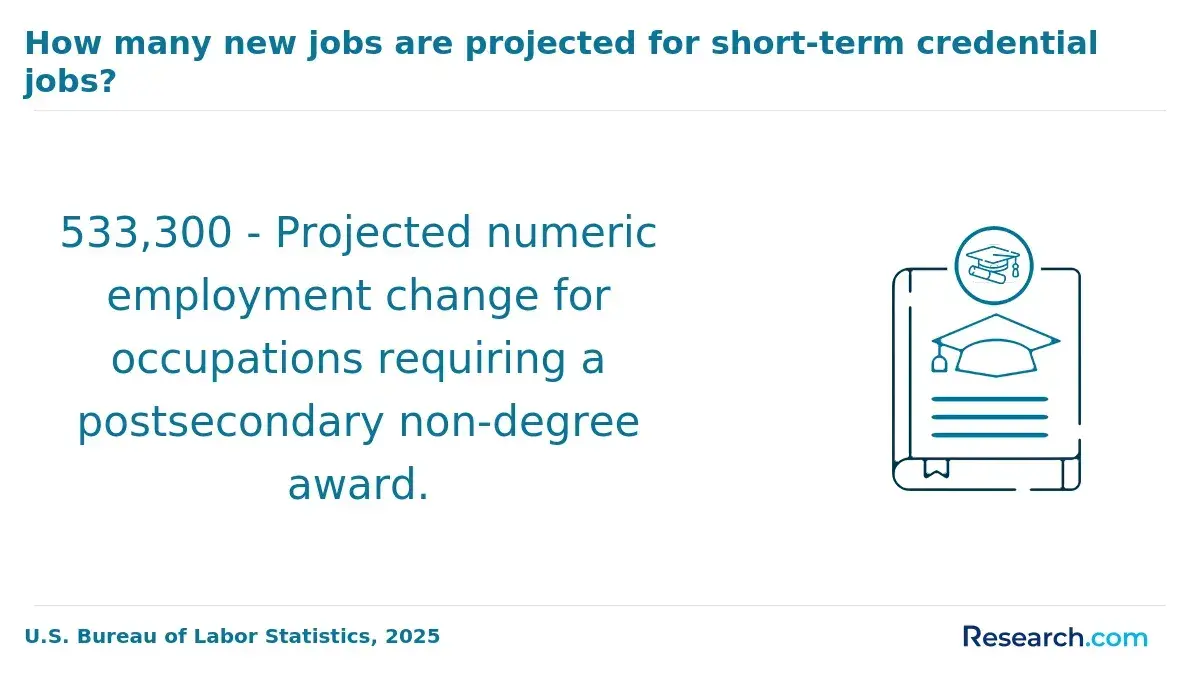
Accreditation significantly impacts the practical value of online entrepreneurship programs, shaping employer trust, credential portability, and financial aid eligibility. Programs with regional accreditation, from agencies such as the Higher Learning Commission or Middle States Commission on Higher Education, align with rigorous academic standards preferred by venture growth employers and venture capital firms.
Graduates from regionally accredited institutions gain access to federal aid, credit transfer options, and industry-recognized certifications-factors critical for professionals pursuing entrepreneurial ventures or roles where educational credentials influence funding and partnership opportunities. In contrast, national accreditation, like that from the Distance Education Accrediting Commission (DEAC), often provides fewer career leverage points in competitive startup ecosystems.
Consider a founder aiming to launch a tech startup; attending a regionally accredited online entrepreneurship program offering applied coursework and verified learning outcomes positions them better in investor evaluations than non-accredited alternatives. This distinction also affects those targeting advancing within innovation-driven companies where education vetting is stringent.
Cost remains an important consideration: top accredited online entrepreneurship programs in the US report average annual tuition and fees near $10,473, with net prices closer to $5,918. These figures offer a pragmatic baseline for measuring program ROI compared to many traditional business degrees. Low-cost options lacking recognized accreditation risk undercutting career mobility and return on educational investment.
Prospective students evaluating recognized accreditation for online entrepreneurship courses should verify claims independently to avoid costly missteps. For those combining budget and quality, research shows a notable selection in affordable, accredited degrees; the analysis of the best online MBA under 30k provides insights into programs balancing cost and credential value.
What courses are in an online entrepreneurship curriculum?
Core competencies in online entrepreneurship courses for venture growth professionals must prioritize applied skills that align with employer expectations for startup readiness. Programs emphasizing business model development often enable students to adjust value propositions dynamically, a necessity when market demands shift rapidly. Financial literacy and venture finance training equip professionals with budgeting and capital management skills critical for navigating early-stage funding challenges common in startup environments.
Effective entrepreneurship curriculum components for career advancement include leadership training focused on small team management and organizational culture cultivation in fast-growth contexts. Legal frameworks covering contracts, compliance, and intellectual property protection are indispensable for founders or product developers operating within competitive, innovation-driven sectors. Data analytics exposure hones decision-making based on market research and operational metrics, with practical project management training in Agile or Lean methodologies further supporting iterative product development under uncertainty.
The measurable impact of experiential learning-like business plan creation or pitch simulations-is reflected in employment data showing that over 55% of entrepreneurship graduates secure full-time roles within six months. Prospective students and working professionals must weigh online curricula for such hands-on components, as their absence can hinder readiness for venture growth roles. Those seeking specialization should consider programs integrating sector-specific market analysis and customer strategy to maintain strategic relevance. For example, professionals targeting construction or infrastructure ventures might evaluate an online construction management degree to complement entrepreneurial competencies effectively.
What admission requirements do online entrepreneurship programs usually require?
Online entrepreneurship programs commonly require a bachelor's degree from an accredited institution, but candidates should carefully consider whether their academic and professional profiles align with program expectations and labor market value. Minimum GPA thresholds between 3.0 and 3.5 remain a gatekeeper at selective schools, filtering for foundational analytical aptitude. However, many programs increasingly waive standardized tests like the GRE or GMAT, prioritizing leadership experience and concrete business outcomes instead.
Work history is pivotal, typically requiring 2 to 5 years of relevant experience with demonstrable results such as leading startups, managing teams, or innovating in competitive sectors. For example, a mid-career professional pivoting from corporate management to venture creation will likely need a portfolio evidencing measurable impact or industry-specific expertise, especially in tech or healthcare ventures.
Supporting documents extend beyond transcripts and test scores. Admissions committees expect a focused statement of purpose, strong letters of recommendation on managerial capabilities, and a detailed resume clarifying entrepreneurial achievements or project metrics. Those lacking traditional credentials might offset gaps with validated entrepreneurial milestones.
Applicants must also assess logistical realities: digital infrastructure access, time management skills for asynchronous coursework, and alignment between program content and personal career objectives. Such scrutiny helps mitigate risk in a highly competitive and evolving admissions landscape, where practical readiness often trumps purely academic pedigree.
How long do online entrepreneurship programs take to complete?
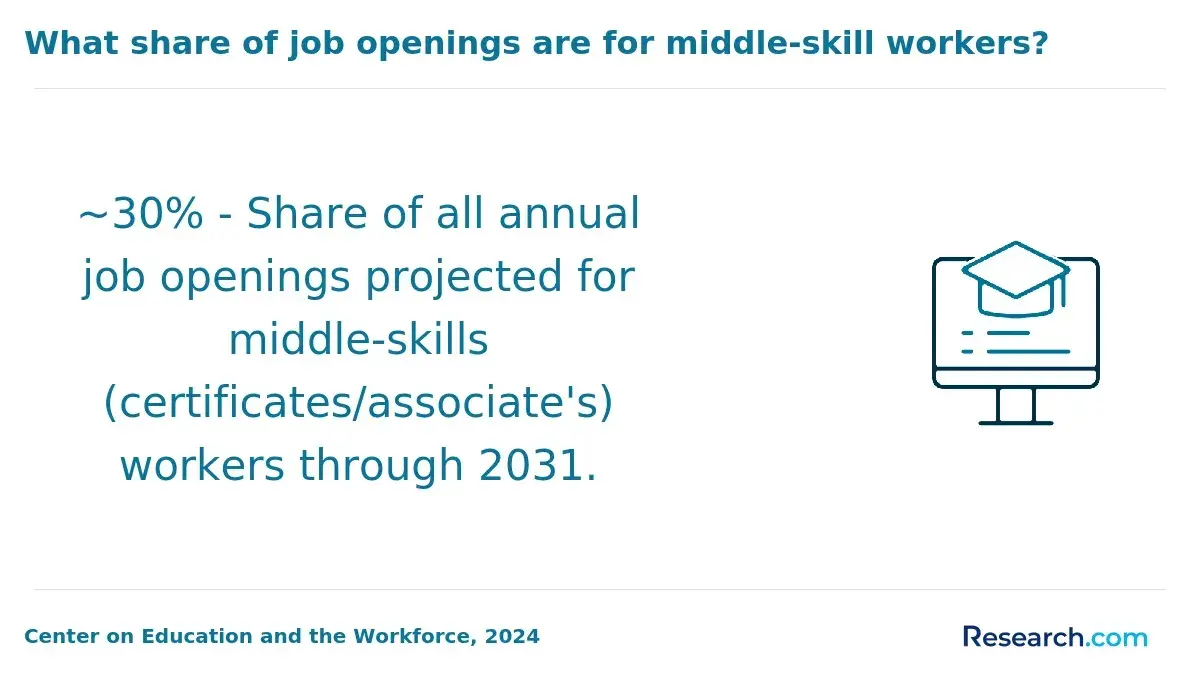
Completion time for online entrepreneurship programs varies widely, shaping their practical value and suitability for different career objectives. Programs lasting 6 to 8 weeks address professionals needing targeted skills like business model innovation or venture financing, allowing them to maintain full-time employment during study. In contrast, 3 to 6 month options immerse participants in comprehensive startup operations, market validation, and leadership frameworks, which are more aligned with senior roles or business development positions within established companies.
A software engineer pursuing a tech startup pivot might benefit most from an 8-week program focusing on lean startup methodologies and digital marketing tactics. Conversely, a mid-level manager aiming for a general management post in entrepreneurial SMEs would require longer, project-driven curricula to master strategic growth frameworks.
Employers emphasize portfolio evidence of problem-solving and hands-on projects over mere credit hours or course completion. This favors programs integrating asynchronous study with live workshops or capstone projects. Candidates must also consider real-world constraints such as work and family commitments; programs exceeding six months risk higher dropout rates without support like employer sponsorship or personal motivation.
How much do online entrepreneurship programs cost?
Choosing an online entrepreneurship program at an average net cost of $5,918 significantly lowers the financial entry point compared to typical public four-year in-state tuition in the U.S. This difference mitigates expenses related to commuting, housing, and campus fees, making the investment more manageable, especially for working professionals pivoting toward venture growth roles.
For individuals transitioning from technology or healthcare into entrepreneurship, it's important to account for hidden costs beyond tuition-such as necessary technology, course materials, and possible income reductions during study periods. Employer preferences now emphasize applied entrepreneurial experience, alongside formal credentials, making program quality-mentorship, networking, and real-world projects-a critical factor in justifying tuition.
Cost must be balanced with long-term benefit: more expensive programs might provide stronger industry connections and startup incubation opportunities, which are vital in venture growth. Those relying solely on lower upfront costs without outcome-focused resources risk delaying career momentum. Financing options like employer tuition assistance or income share agreements can reduce immediate financial pressure but are often underutilized, possibly increasing lifetime debt. Prospective students should align these costs and benefits with their career objectives to ensure that educational investments translate into measurable entrepreneurial competence and market relevance.
What careers can you pursue with an entrepreneurship degree?
A degree in entrepreneurship equips professionals for diverse roles such as venture capital analysts, innovation consultants, and product managers, where practical skills like opportunity recognition and market analysis are paramount. For instance, a graduate entering a tech startup must understand lean methodologies and fundraising dynamics, while those joining corporate innovation teams need proficiency in integrating new technologies and managing interdisciplinary projects.
The growing focus on digital ventures reshapes entrepreneurship curricula, emphasizing technology commercialization and intrapreneurship in sectors like fintech and health tech. Platforms such as Coursera and edX provide specialized courses aligning education with this industry evolution, integrating practical skills over theoretical models.
However, navigating career transitions post-degree involves tangible challenges: securing funding, compliance with regulations, and forging strategic partnerships. Success often hinges on balancing risk tolerance with operational execution, especially as employers prioritize measurable impact-revenue growth or user acquisition metrics-over academic credentials alone. Prospective students must critically assess programs for curriculum relevance to their target industry and opportunities for experiential learning. Building robust professional networks that support venture development is essential for advancing within the complex ecosystem of modern entrepreneurship.
What salaries do entrepreneurship graduates earn in venture growth roles?
Salaries for graduates pursuing venture growth roles after entrepreneurship programs vary significantly, typically between $75,000 and $150,000+, influenced by industry, location, and prior experience. Mid-career salaries for intrapreneurs and corporate innovators with verified skills from advanced coursework generally fall between $110,000 and $130,000, signaling employer demand for professionals who can quickly commercialize innovations within established firms.
High-tech sectors such as software and biotech tend to offer compensation at the upper end of this spectrum, especially when candidates combine technical expertise with business acumen, often surpassing $150,000 when bonuses and incentives are considered. Conversely, roles in manufacturing or consumer goods usually see average pay closer to $85,000 to $100,000, particularly outside major metropolitan hubs.
Key skills valued include lean startup methodologies and validated business model development, which are increasingly prevalent in course catalogs tailored for corporate innovation and internal ventures. However, professionals moving from operational roles should manage expectations for a possible salary plateau or initial reduction until they demonstrate measurable impact in these new roles. Strategic networking and building a tangible portfolio of scaled projects are critical to unlocking higher salary tiers and navigating the transition successfully in venture growth positions.
How do you choose a reputable online entrepreneurship program?
Employer recognition and measurable post-program success distinguish worthwhile online entrepreneurship programs from those that deliver nominal benefit. Programs reporting that at least 70% of graduates launch startups or obtain relevant business roles within a year suggest practical alignment with real-world market demands. Graduates face tangible outcomes that justify time and financial investment, particularly when credentials hold weight with venture capitalists or corporate innovation teams.
Curriculum design matters considerably: those oriented around lean startup principles, venture finance, and scalable models better equip learners navigating dynamic sectors such as technology or fintech. In contrast, broadly focused business courses often fall short for professionals making rapid transitions from industries like engineering or marketing. Effective entrepreneurship education emphasizes hands-on modules that teach product-market fit evaluation and investor pitching tailored to specific industry contexts.
Cost considerations must include the availability of tuition-free elite educational options. For example, institutions like MIT offer multiple no-cost courses covering venture creation and innovation fundamentals. Although these alternatives typically do not provide formal certification, they mitigate financial risk for early-stage entrepreneurs seeking foundational knowledge prior to committing to paid programs.
Format flexibility and integrated mentorship, investor networking, or incubator access critically influence venture viability after program completion. Transparent refund policies and explicit grading criteria also reflect institutional reliability, which is particularly relevant for working professionals managing concurrent career commitments and educational pursuits.
Other Things You Should Know About Entrepreneurship
Most programs require a reliable laptop, webcam, microphone, and stable broadband internet for live sessions, group projects, and presentations. Many schools also specify access to Zoom, Google Workspace, or Microsoft 365, plus a current browser and the ability to upload files through a learning management system.
Certificates signal specialized knowledge but alone rarely guarantee hiring or promotion in venture capital and growth-stage startups. Employers focus more on portfolios of measurable outcomes like fundraising success, scalable growth metrics, and leadership experience. To gain employer traction, certificates should complement a proven track record rather than replace actual venture accomplishments or domain-specific expertise.
Professionals should prioritize programs updated frequently to reflect current venture trends, such as digital scaling, lean startup methods, and innovation financing. Static curricula fail to prepare students for rapidly evolving challenges and opportunities. Programs with strong industry partnerships, real-time project opportunities, and alumni networks deliver the adaptability and relevant skills needed for sustainable career growth in entrepreneurship.
References
- How Long Does It Take To Get A Degree in Entrepreneurship | Nexford University https://www.nexford.edu/insights/how-long-does-it-take-to-get-a-degree-in-entrepreneurship
- What Can I Do With an Entrepreneurship Degree? https://www.cesarritzcolleges.edu/en/news/what-can-i-do-with-an-entrepreneurship-degree/
- This is what you need to start a business https://online.wits.ac.za/blogs/this-is-what-you-need-to-start-a-business
- Free Online Entrepreneurship Courses | Alison https://alison.com/tag/entrepreneurship
- How to Get a Degree in Entrepreneurship https://www.uschamber.com/co/start/startup/entrepreneurship-degree
- Curriculum & Programs | VentureLab https://venturelab.org/curriculum/
- Turn ideas into impact – Learn entrepreneurship online https://www.edx.org/learn/entrepreneurship
- Venture Capital Careers: Work, Salary, Bonuses and Exits https://mergersandinquisitions.com/venture-capital-careers/
- Free Online Education to Start Your Own Business https://www.scu.edu/mobi/
- Online courses on entrepreneurship https://www.thinkcompany.fi/knowledge-bank/online-courses-on-entrepreneurship