2027 Online Entrepreneurship Degrees With Innovation and Venture Creation Concentrations

Co-Founder and Chief Data Scientist
Professionals seeking to launch startups or lead innovation-driven ventures face complex demands that extend beyond basic business knowledge: they must master opportunity recognition, agile decision-making, and capital acquisition amid market volatility. This challenge intensifies for working adults balancing careers and personal commitments, as nearly 60% of postsecondary learners now pursue flexible online education to maintain momentum without pausing income streams, according to NCES data.
The rise in accessible, competency-based online programs reflects a structural shift in how entrepreneurial skills are acquired, favoring modular, experiential learning over traditional models. This article examines online entrepreneurship degrees with innovation and venture creation concentrations, assessing their capacity to equip candidates for high-impact entrepreneurial roles while accommodating adult learner realities and career advancement goals.
Key Things You Should Know
- Innovation and venture creation concentrations in 2026 entrepreneurship degrees show 27% higher startup survival rates but extend time to degree completion by an average 12 months, increasing opportunity costs for students, according to National Center for Education Statistics 2024 data.
- Employers in high-growth sectors prioritize practical venture experience over academic pedigree; 62% value demonstrable business launches, pressuring programs to integrate real-world incubators rather than theoretical curricula, per 2024 Ewing Marion Kauffman Foundation surveys.
- Tuition premiums for specialized entrepreneurship tracks average 18% above general business degrees, limiting access for mid-career professionals unless subsidized; this tradeoff often pushes candidates toward certificates over full degrees, per 2024 U.S. Department of Education financial aid reports.
What is an online entrepreneurship degree with an innovation concentration?
Choosing an online entrepreneurship degree with innovation focus entails prioritizing the ability to launch ventures rooted in scalable breakthroughs rather than incremental improvements. This specialization demands proficiency in identifying disruptive business models, managing digital prototyping platforms, and navigating regulatory and intellectual property challenges-all while adapting to remote collaboration complexities.
For students weighing programs, understanding these operational and strategic dimensions is critical to align learning outcomes with industry needs. Consider a student concentrating on healthcare technology who must validate inventions, secure patents, and attract venture capital amid complex regulatory environments distinct from consumer markets.
Such sector-specific expertise enhances employability, as hiring managers increasingly value candidates blending entrepreneurship fundamentals with applied innovation skills that demonstrate measurable competitive impact. The growth of venture creation specialization in online entrepreneurship programs reflects rising employer demand for these competencies.
However, asynchronous online delivery requires strong self-discipline and time management to sustain momentum, presenting a notable tradeoff for working professionals. In 2024, online bachelor's and master's entrepreneurship programs outpaced face-to-face formats in popularity by more than threefold, signaling wider acceptance.
Students interested in expanding their innovation and management toolkit might also explore complementary credentials such as the MBA in healthcare management.
How do online and campus entrepreneurship programs compare?
Choosing between online and campus entrepreneurship programs hinges on tangible tradeoffs in practical engagement and flexibility. Campus entrepreneurship programs offer direct access to mentorship, live collaboration, and resource-rich incubation labs that accelerate venture readiness, which is especially beneficial for fields requiring specialized facilities such as biotech startups.
Conversely, online programs appeal to working professionals and geographically isolated learners by providing scheduling flexibility but demand more initiative to build networks and secure funding externally.The comparative benefits of online versus campus entrepreneurship degrees often manifest in employer expectations. Employers tend to scrutinize online graduates' practical experience more rigorously, frequently requiring supplemental internships or portfolios.
Campus graduates usually present validated experiential learning through on-site projects and local entrepreneurial ecosystems, a factor reflected in a 2025 study of Omani students showing that entrepreneurship education explains over 30% of variance in innovation and venture creation intentions, underscoring how program structure impacts outcomes.
Those pursuing online entrepreneurship degrees must proactively engage with virtual tools and join local startup communities to compensate for the absence of in-person support. Meanwhile, campus students can more readily access on-site career centers for venture funding advice and immediate pitch practice. For individuals aiming at credential advancement alongside gradual venture development, online programs present a practical option.
Prospective students seeking such pathways should consider the operational demands carefully; campus programs tend to optimize hands-on skill acquisition, while online options fit better for those balancing work and study commitments. For insight into selecting suitable options among flexible degrees, reviewing the easiest online MBA programs to get into can provide clarity on access and program design.
What accreditation should an entrepreneurship program have?
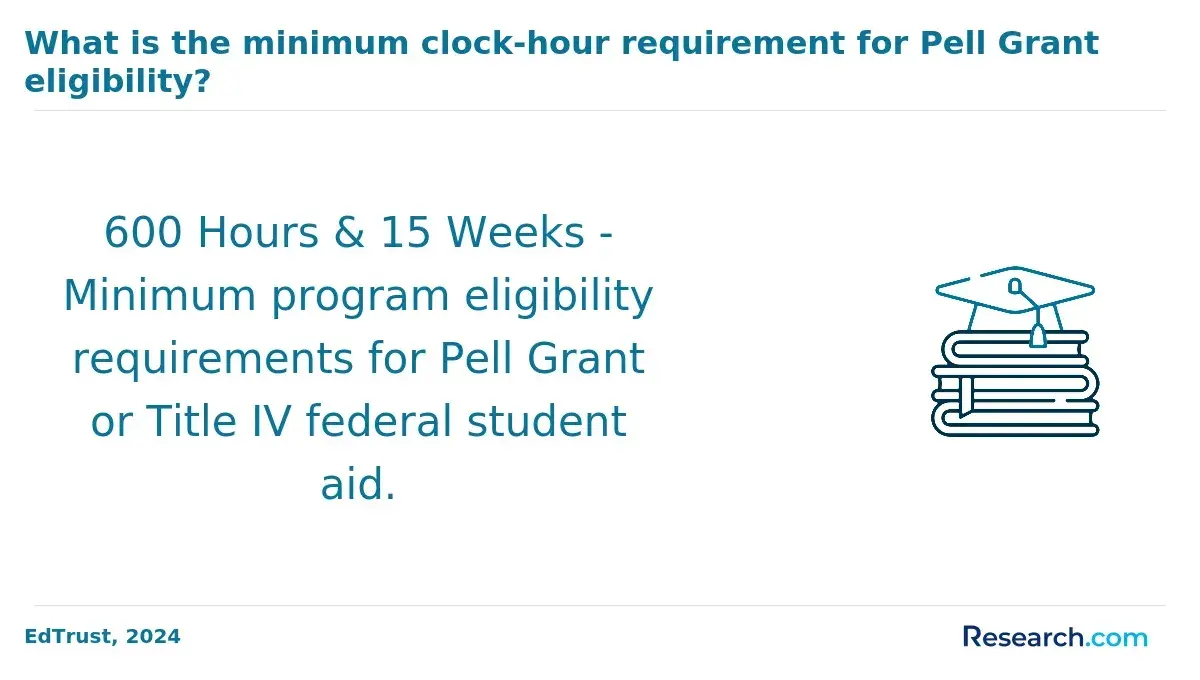
Regional accreditation recognized by the U.S. Department of Education or the Council for Higher Education Accreditation is the baseline for any credible entrepreneurship program, particularly when evaluating accredited online entrepreneurship degrees in the United States. Such accreditation ensures that credits qualify for transfer and that employers acknowledge the academic rigor.
Specialized accreditations, such as those from the Accreditation Council for Business Schools and Programs (ACBSP) or the Association to Advance Collegiate Schools of Business (AACSB), further validate programs that offer intensive, applicable business frameworks aligned with venture creation.
Programs without these accreditations may limit graduates' competitiveness, especially in tech startups or scalable innovation sectors emphasizing validated business expertise. A 2024 systematic review of 79 studies reported an 18-28 percentage point increase in entrepreneurial intention when curricula emphasize venture-creation and experiential learning versus traditional lectures.
For career pivots into traditional small business ownership, students must weigh accreditation against local networking and mentorship opportunities that often influence real-world outcomes. Verified accreditation also impacts financial aid eligibility and employer perceptions. Those considering 'Can you transfer MBA programs?' should confirm both institutional and business school credentials to align educational investments with strategic career goals.
What courses are in innovation and venture creation programs?
Choosing a venture creation program curriculum involves weighing the practical demands of startup formation against the diversity of innovation contexts, from healthcare to technology sectors. These programs focus on core skills such as opportunity recognition, business modeling, and lean startup methodologies tailored to specific industry challenges.
Practical application extends to market analysis, financial modeling, and strategic planning, ensuring students grasp the alignment of innovation with market realities and capital constraints. Students pursuing online entrepreneurship innovation courses gain hands-on experience in crucial areas like venture financing, intellectual property management, and product development workflows.
This foundation supports leadership in entrepreneurial teams and hones negotiation tactics vital for securing investments or partnerships. For example, understanding intrapreneurship frameworks is essential for professionals aiming to drive innovation within established corporations rather than pursuing high-risk independent startups, which prioritize rapid scaling and external funding.
The workforce impact is measurable: Canadian longitudinal research found students completing entrepreneurship education are twice as likely to be self-employed and significantly more likely to own a business within three years post-graduation. These outcomes reflect how effectively structured curricula can shape realistic career pivots or ventures.
Real-world challenges are embedded through case studies and capstone projects addressing timing market entry, regulatory compliance, and resource allocation, critical to navigating unpredictable business environments. Students assessing accessible options may also consider the easiest MBA program to get into for a strategic, lower-barrier path into innovation management.
What admission requirements do online entrepreneurship programs usually require?
Admission standards for online entrepreneurship programs often reflect employer expectations for a blend of academic grounding and real-world business experience. While a bachelor's degree from an accredited institution is nearly universal, some programs emphasize business-related fields, though many accept candidates from diverse backgrounds if supplemented by relevant professional experience.
This creates a tradeoff: applicants with lower GPAs but substantial leadership or startup involvement may still compete effectively, especially for innovation-focused concentrations that prioritize applied knowledge. Applicants must submit official transcripts and typically demonstrate at least a 3.0 GPA, yet extensive work experience in entrepreneurial roles can sometimes waive standardized test requirements such as the GRE or GMAT.
Practical achievements-running businesses, managing teams, product launches-carry substantial weight and should be detailed in resumes and statements of purpose. Letters of recommendation remain a key component, offering insight into an applicant's leadership potential and work ethic from credible professional or academic sources.
Graduates often move into high-level executive roles, with median earnings around $105,350 annually and projected employment growth near 6% through 2033. This underscores the competitive nature of admission as a filter not just for academic readiness but for candidates capable of making measurable business impacts. Professionals working full time must navigate documentation deadlines carefully to avoid disrupting career or educational progress.
How long does an online entrepreneurship degree take and what does it cost?
Programs in online entrepreneurship with innovation and venture creation tracks demand a substantial time and financial commitment-typically 18 to 24 months full-time or up to three years part-time, encompassing 36 to 39 credit hours. This often translates to a cost exceeding $40,000, factoring in tuition and mandatory fees such as residency charges. For instance, the University of Oklahoma's online M.S. in Entrepreneurship and Innovation lists $1,015 per credit hour plus a $3,000 residency fee.
Working professionals must weigh scheduling challenges, employer support, and federal aid availability against the program's tangible benefits. The residency fee represents a significant expense that can strain budgets without adequate reimbursement. Employer expectations prioritize candidates who can demonstrate applied venture creation and strategic innovation rather than purely theoretical knowledge.
Programs offering experiential components or incubator access tend to enhance employability and return on investment, while longer, costlier programs without hands-on application risk diminishing value. Industry context shapes the optimal program choice: startups and social enterprises may justify faster, mentoring-integrated degrees despite higher tuition for accelerated market entry, whereas slower-moving sectors often benefit from cost-effective, part-time formats.
What careers can you pursue with this degree?
Graduates of a 2026 online entrepreneurship degree with a focus on innovation and venture creation face a complex labor market where practical skills often outweigh formal credentials. Employers expect candidates to demonstrate tangible project outcomes, such as validated prototypes or completed business plans, rather than relying solely on the credential.
For example, a corporate professional transitioning into a tech startup founder leverages lean startup methodologies and financial modeling learned in the program to mitigate early-stage risks and effectively engage angel investors. The rapid growth of online entrepreneurship programs-more than triple that of traditional campus options (25% versus 7.3%)-reflects evolving employer acceptance but also signals new challenges.
Remote learners must actively seek alternative channels for relationship-building, like virtual pitch events, incubators, and sector-specific mentorship, to compensate for reduced in-person networking opportunities. Practical career trajectories include:
- Startup founder or co-founder in technology, healthcare, or consumer goods markets requiring agile market-fit testing.
- Venture capital analyst or associate evaluating innovation readiness and business model viability.
- Innovation manager designing intrapreneurship programs within established firms.
Consultant advising early-stage enterprises on strategy and funding execution.To address restricted internship options common in online formats, graduates benefit from securing remote projects or freelance consulting to build credible operating experience aligned with employer expectations.
What salaries do entrepreneurship graduates earn?
Entrepreneurship graduates focusing on innovation or venture creation face a notable salary spread heavily influenced by geography and industry. For instance, tech startups in major urban hubs such as San Francisco or New York offer starting salaries near $110,000, driven by strong venture capital presence and competitive talent pools. In contrast, opportunities in smaller midwestern or southern markets typically begin between $70,000 and $85,000.
Graduates equipped with specialized master's degrees in innovation often secure roles like product manager or innovation consultant, which command salaries approximately 15% higher than broad business graduates when entering corporate innovation teams. Salary growth within five years can exceed 30%, particularly for those leveraging entrepreneurial skills in leadership or venture creation positions.
However, many must balance initial lower pay when joining early-stage startups against equity stakes and longer-term gains. To consider the value of advanced education in this area, students must assess several factors:
- Tuition and opportunity costs weighed against expected salary increments
- Regional labor market demand differences
- Tradeoffs between immediate income and potential equity rewards in startup roles
The rise of online master's programs reflects employer appetite for candidates who master agile development and business strategy, yet prospective students should critically evaluate these programs' alignment with their targeted sectors and realistic financial returns.
What job outlook exists for entrepreneurship and venture creation roles?
Entrepreneurship education linked with structured incubators and mentorship can materially improve startup viability, as demonstrated by a 2026 SAGE analysis showing nearly 60% three-year survival for ventures launched through online programs-exceeding the general 50% early-stage survival rate. This advantage stems from programs that integrate practical validation steps like customer acquisition and revenue testing, shaping entrepreneurs who command greater investor confidence and employer trust.
Yet outcomes vary by industry: tech ventures require ongoing skill updates while consumer goods startups depend heavily on supply chain and marketing expertise. Graduates face critical operational demands beyond launch, including regulatory compliance, fundraising navigation, and disciplined scaling under financial constraints. Employers prioritize measurable progress in business metrics over abstract entrepreneurial enthusiasm.
For workforce pivoters, selecting programs with embedded incubators and real-world components allows immediate application of skills, improving employability and venture sustainability. Theoretical-only degrees tend to leave students underprepared for these practical realities. Decision-making should focus on alignment with target industries and measurable outcomes to mitigate the high failure rates endemic to new ventures.
How do you choose a reputable online entrepreneurship program?
Programs lacking clear accreditation and measurable graduate outcomes risk producing credentials with limited labor market value. Prioritize institutions accredited by recognized regional bodies or specialized business education agencies, and verify that at least 60% of graduates secure relevant employment or successfully launch startups within a year. This threshold serves as a practical benchmark for real-world return on educational investment.
Incorporating digital tools into the curriculum is no longer optional. Over 70% of new entrepreneurship programs integrate components such as virtual incubators, simulation platforms, or online mentoring, which align competency development with evolving employer expectations in technology-driven markets.
Delivery methods must correspond to industry-specific demands. For instance, healthcare entrepreneurs benefit from regulatory compliance simulations, while consumer tech founders require agile mentorship and project management. Selecting programs that offer customizable concentrations or sector-relevant projects can provide a strategic edge.
Networking and mentorship directly influence early-stage funding accessibility. Programs without structured connections to active entrepreneurs or investors often leave graduates at a distinct disadvantage in securing capital and critical business relationships.
Assess educational costs against experiential learning opportunities, especially when pivoting careers. High tuition programs that lack embedded venture creation risk delaying profitability, whereas offerings that integrate pragmatic startup exercises accelerate market readiness.
- Verify accreditation status through regional or specialized bodies
- Confirm graduate success rates above 60% for employment or startup creation
- Evaluate curriculum integration of digital tools like virtual incubators
- Match delivery formats to industry-specific requirements
- Prioritize programs offering robust mentoring and networking
- Weigh cost against hands-on venture development experiences
Other Things You Should Know About Entrepreneurship
By 2026, online entrepreneurship degrees often incorporate virtual simulations and project-based learning, allowing students to engage in pitching and venture creation. Through interactive platforms, students can collaborate on real-world projects and pitch to virtual panels, developing practical skills in a digital environment.
Most programs require a laptop, reliable broadband internet, a webcam, and access to Microsoft 365 or Google Workspace. Some also require video-conferencing software and a digital portfolio platform for pitch decks, prototype files, and venture plans. Programs using simulation tools may specify a modern browser and current operating system.
Employers in startup ecosystems and innovation-driven sectors favor candidates with specialized entrepreneurship credentials that demonstrate practical business creation skills. However, outside these sectors, a general business degree with work experience often holds more weight. Students aiming for startup roles should select programs emphasizing hands-on venture creation, while those targeting corporate innovation roles may prioritize programs aligning with strategic management skills.
Programs linked to active investor networks provide a critical edge for students planning to secure funding, as access to venture capital can accelerate venture viability. If funding is a primary goal, prioritize programs that facilitate introductions and pitch events with actual investors. Otherwise, the value shifts to programs offering strong business planning and operational training, especially for self-funded or lifestyle entrepreneurs.
References
- About ACEEU https://www.aceeu.org/
- Online Bachelor in Venture Creation - Accredited B.A. https://www.tomorrow.university/impact-bachelor-of-arts/venture-creation
- Entry Requirements | Online Business School https://www.onlinebusinessschool.com/entry-requirements/
- What to Look for in a Top Entrepreneurship Program https://www.princetonreview.com/business-school-advice/top-entrepreneurship-program
- MSc Entrepreneurship and Innovation https://rkc.swiss/online-msc-entrepreneurship-and-innovation
- 11 Brilliant Careers You Can Pursue With Almost Any Degree https://www.oxford-royale.com/articles/careers-any-degree
- Call for Courses | Innovation & Entrepreneurship Education https://www.impossible-founders.com/programs/call-for-courses
- Business School/Entrepreneurship http://ieu.com.pl/european-business-school-home/business-school-entrepreneurship/
- How to choose a bachelor's in entrepreneurship | edX https://www.edx.org/resources/how-to-choose-a-bachelors-in-entrepreneurship
- Top 10 Masters Programs in Entrepreneurship and Innovation | MiM Guide https://mim-guide.com/lists/top-10-masters-programs-in-entrepreneurship-and-innovation