2027 Entrepreneurship Specializations With the Broadest Career Mobility

Co-Founder and Chief Data Scientist
Navigating career pivots in entrepreneurship demands more than enthusiasm; it requires aligning specialization choices with evolving market realities and personal circumstances. A 2024 National Center for Education Statistics report shows a significant rise in adult enrollment for online entrepreneurship programs, indicating growing demand for flexible, career-relevant education.
This shift reveals the challenge: selecting a specialization that balances accessibility amid work and life commitments while maximizing long-term mobility. The pressure intensifies as employers prioritize adaptable skills, making the wrong focus costly. This article analyzes entrepreneurship specializations offering the broadest career mobility, enabling informed decisions to optimize educational investments and strategic career outcomes.
Key Things You Should Know
- Specializations in digital venture scaling show 40% higher transition rates into established tech firms, but require 18+ months of specialized skill acquisition, limiting swift entry for mid-career changers, per Ewing Marion Kauffman Foundation data.
- Employers prioritize entrepreneurial finance expertise over general management abilities, with 63% indicating finance specialization as a key predictor of early-stage startup leadership success, reflecting a sectoral skills premium per Brookings Institution.
- Cost barriers rise sharply for deep-tech entrepreneurship tracks, where median program fees exceed $50K, skewing access toward candidates with pre-existing capital, according to the National Center for Education Statistics 2024 financial aid trends.
Which entrepreneurship specializations offer the broadest, most versatile career mobility across industries?
Specializations in entrepreneurship that fuse digital literacy, financial expertise, and innovation management offer the broadest and most versatile career mobility across industries. For example, professionals skilled in technology management or digital product development can transition effectively between software startups, manufacturing, or healthcare ventures.
This cross-industry entrepreneurship specialization for broad mobility allows for strategic pivots while sustaining leadership roles. Data from Revelio Labs shows U.S. job switchers entering entrepreneurship nearly doubling from 0.44% in early 2022 to 0.85% by 2025, with 18.2% of first-job founders concentrating in tech, reflecting the growing premium on tech-savvy entrepreneurial skills in volatile markets.
Entrepreneurship specializations with versatile career opportunities often combine data analytics, lean startup methodologies, and venture financing, allowing graduates to navigate shifting market demands and investor expectations. For instance, financial modeling and market sizing abilities transfer readily across biotech startups, consumer goods, or services, broadening employment and funding prospects.
However, niche tracks like social entrepreneurship or narrowly defined product categories may restrict cross-industry applicability due to limited impact metrics or customer bases. Practical tradeoffs include the requirement for continuous learning and adaptation to diverse operational cultures. Employers prioritize measurable outcomes such as revenue growth or process scalability over industry-specific knowledge alone.
Therefore, selecting programs integrating technology, finance, and innovation management enhances real-world returns and sustained career flexibility. Mitigating risk also involves proactive networking across sectors and gaining cross-functional team experience. Such workforce strategies help counteract sector-specific disruptions and reinforce diversified competencies aligned with dynamic entrepreneurial ventures.
For those evaluating educational paths, considering an accelerated business program can further streamline entry into fast-evolving entrepreneurship roles.
How do different entrepreneurship degree levels and certificates impact long-term career options?
Degree credentials in entrepreneurship distinctly influence long-term career benefits of entrepreneurship degrees by shaping both practical skills and market legitimacy. Bachelor's degrees provide foundational business knowledge necessary for managerial roles but fall short when specialized innovation management is required, especially in sectors like tech startups or social impact ventures.
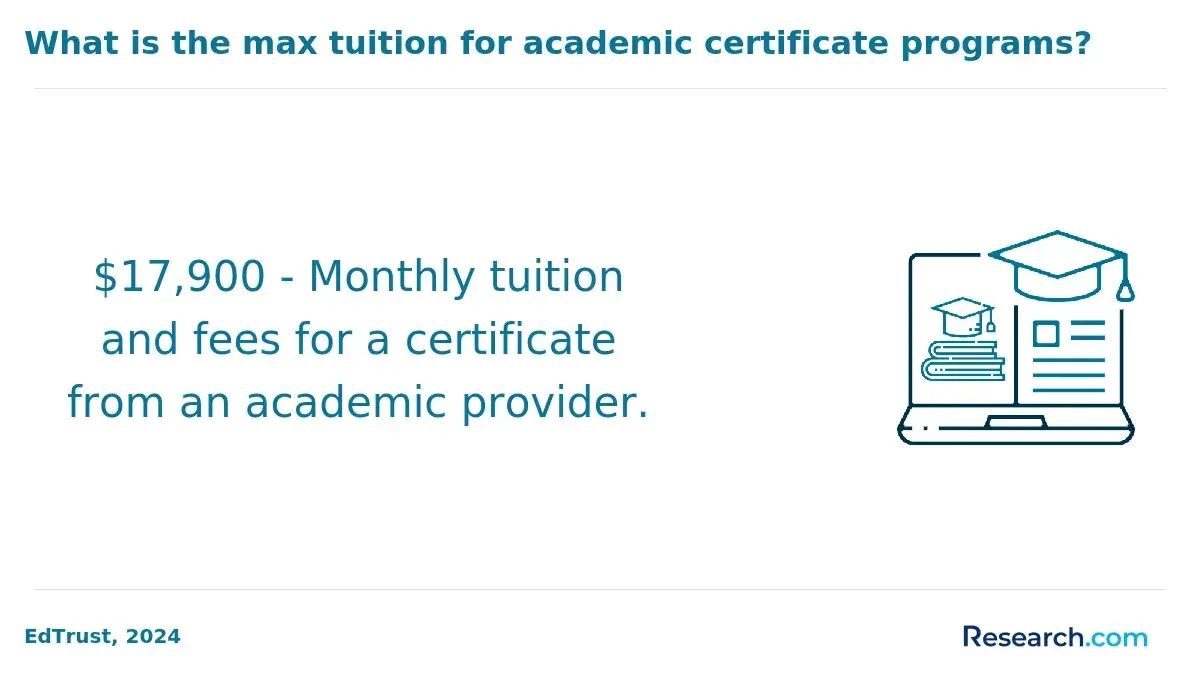
For instance, entrepreneurs aiming at health services-where 43% of early-stage entrepreneurs plan to create jobs within five years, per Global Entrepreneurship Monitor-gain a strategic edge and investor trust through advanced credentials such as MBAs with entrepreneurial focuses or specialized certificates. Certificates sharpen targeted abilities like digital marketing and financial modeling, fostering immediate operational competence while allowing quicker field pivots for working professionals.
Yet, the impact of entrepreneurship certificates on career growth tends to be narrower; they do not substitute the broader career mobility or leadership credentials that degrees support, which are often prerequisites for venture capital access. Tradeoffs are significant: time, cost, and opportunity losses vary by field. Social services or education impact entrepreneurs often benefit more from degrees focused on cross-sector leadership and nonprofit law.
Conversely, early-stage tech founders with limited resources may prioritize flexible certificates but face more restricted networks and slower capital access. Employers and investors weigh demonstrated scaling capacity heavily. Degrees align with higher fundraising success and sustainability, particularly when ventures engage regulated or multidisciplinary landscapes.
Certificates enhance skill sets but rarely replace the strategic leadership training essential for sustained enterprise growth. Aspiring entrepreneurs should consider options such as the cheapest 1-year online MBA programs as a viable path balancing investment with practical outcomes.
What core courses and skills are emphasized in high-mobility entrepreneurship specializations?
High-mobility Entrepreneurship specializations focus on courses that combine financial literacy, data analytics, and technology integration as essential skills, but the real differentiator lies in their practical application across sectors. For instance, fintech captured 19% of global venture capital funding in 2024, up from 15% in 2022, demanding proficiency in financial modeling, risk assessment, and programming languages like Python or SQL.
These core competencies translate into measurable employability advantages by enabling graduates to innovate and lead data-driven decisions in competitive environments. The blend of entrepreneurship core courses for career mobility includes digital marketing analytics, supply chain management, and startup legal frameworks, reflecting employers' need for adaptable problem solvers.
Consider a healthtech startup founder who must tailor financial and regulatory strategies distinct from fintech models; this highlights the importance of scenario-based training for cross-domain agility. Programs emphasizing risk management, Agile project management, and negotiation prepare students to manage funding challenges and align development with market demands.
Insufficient focus on compliance can stall career progress in regulated industries, making regulatory coursework indispensable for sustained roles. Leadership modules also facilitate transitions from technical to executive positions, a frequent workforce friction point. Prospective candidates balancing budget and outcomes often explore MBA programs under 30k that incorporate these skills to remain competitive without excessive debt.
How do online and on-campus entrepreneurship programs compare for flexibility-focused specializations?
Flexibility in online entrepreneurship programs often determines their suitability for working professionals juggling demanding schedules, especially compared to on-campus options that require fixed attendance. This advantage is particularly pronounced in industries like medtech and health innovation, where unpredictable or extended shifts are common.
For example, a healthcare professional managing a 12-hour hospital shift can engage effectively in coursework that is asynchronous and adaptable to their schedule. However, flexible entrepreneurship specializations in hybrid learning formats can blend these benefits by accommodating variable hours while providing some degree of in-person networking and hands-on collaboration.
Employers in innovation-driven sectors increasingly prioritize tangible project outcomes-such as digital portfolios and participation in startup incubators-over physical presence. This trend favors online programs that emphasize practical deliverables but presents challenges in forming spontaneous connections often forged on campus.
The surge of 213,000 new workers entering health care and social assistance by February 2025 boosts demand for programs that integrate flexible innovation labs, enabling real-time collaboration irrespective of location. Prospective students must assess their current work demands against their need for deep local networking.
Those requiring steady income may benefit from time adaptability online, while others targeting immersion in entrepreneurial hubs may prefer campus offerings despite schedule rigidity. Aptitude for self-management and technological access further influence success in online formats. For those seeking financially accessible options that avoid standardized test barriers, consulting lists of the most affordable online MBA programs no GMAT can inform choice.
What accreditation and quality indicators matter most for entrepreneurship programs in the United States?
Regional and specialized accreditations-such as AACSB or ACBSP-remain the most reliable signals of program quality and career mobility in entrepreneurship education. Employers prioritize graduates from programs that combine these credentials with demonstrable outcomes like graduate employment rates and verified startup success. This is particularly evident in high-growth fields like cleantech, where over half of global climate finance targets private-sector entrepreneurial projects.
Programs that embed applied sustainability projects or incubator experiences significantly boost graduates' competitiveness in these sectors. By contrast, entrepreneurship programs lacking specialized accreditation or practical components tend to produce candidates confined to entry-level roles, limiting meaningful career progression.
For students targeting critical pivots into climate tech or digital innovation, assessing faculty expertise, industry networks, and integration of venture creation elements can distinguish viable options from nominal credentials. Key indicators for evaluating entrepreneurship programs include:
- Regional institutional accreditation paired with recognized business accreditations (AACSB, ACBSP)
- Transparent documentation of graduate employment in entrepreneurial and innovation-driven sectors
- Curriculum integration of applied projects, accelerators, or real-world venture development
- Faculty with proven entrepreneurial backgrounds and active industry engagement
For example, an MBA graduate from a non-accredited program without experiential learning faces a significant disadvantage when seeking roles in climate tech entrepreneurship compared to peers from accredited programs with demonstrable startup support. Aligning program selection with these quality indicators is essential to maximizing access to emerging sectors driven by record climate investment.
What are the typical admission requirements for entrepreneurship degrees and specialized tracks?
Admission requirements for entrepreneurship programs balance academic qualifications with real-world readiness, reflecting career volatility especially in dynamic sectors like media and technology. Undergraduate candidates generally need a competitive GPA-commonly above 3.0-and standardized test scores such as the SAT or ACT, though some schools waive these for practical experience or portfolio strength.
Graduate programs targeting specialized entrepreneurial tracks emphasize prior degree completion with relevant quantitative and business coursework. These programs often prioritize applicants with demonstrated professional experience in fast-evolving industries; for example, the telecommunications sector saw job mobility rates shift sharply from 11.7% to 7.5% within a year according to the Australian Bureau of Statistics, highlighting market unpredictability that candidates must navigate.
Critical evaluation components include a clear statement of purpose detailing career objectives, accompanied by letters of recommendation that attest to leadership and problem-solving skills. Certain programs also require business plans or innovation portfolios, particularly for creative or tech-focused entrepreneurship tracks.
Applicants should prepare for interviews that test strategic agility and adaptability-traits increasingly demanded by employers in volatile markets. International candidates must demonstrate English proficiency through TOEFL or IELTS. Overall, these requirements filter for applicants who combine academic discipline with practical entrepreneurial engagement, crucial for sustaining career mobility and growth amid market instability.
How long do entrepreneurship specializations take to complete, and what do they cost?
Completion times for entrepreneurship specializations directly affect their utility in workforce transitions. Shorter certificate programs-typically 6 to 12 months-concentrate on foundational competencies like business planning, finance, and market analysis. These are pragmatic choices for professionals needing a swift skill update. In contrast, graduate-level certificates or master's concentrations extend from 18 to 24 months.
Such programs better serve those targeting leadership roles or significant venture involvement but require a greater time commitment and financial investment. Cost considerations reveal a stark contrast: online certificates usually range from $2,000 to $6,000, while in-person or hybrid master's options can escalate beyond $40,000. Public institutions often provide more economical paths but may offer fewer opportunities for networking and immersion in entrepreneurial ecosystems.
Employers seek evidence of hands-on experience embedded in curricula, favoring programs incorporating case studies, incubators, or practicums. Such integration elevates employability by bridging theory and practical application. In 2024, U.S. workers who transitioned into innovation-driven roles gained wage premiums over those who stayed within their original sectors, according to the Federal Reserve Bank of Richmond.
Which careers and job roles are most accessible with broad-based entrepreneurship training?
Broad-based entrepreneurship training equips candidates with core competencies directly applicable to product management, business development, and strategic consulting roles, emphasizing market analysis, financial planning, and scalable business models. Early-stage entrepreneurs who develop cross-functional skills gain an advantage in overseeing innovation portfolios or startup incubators, particularly within technology, healthcare, and consumer goods sectors.
Entrepreneurs focused on international markets tend to forecast higher growth, with surveys indicating double-digit employment increases among globally oriented founders, underscoring the value of global market understanding, foreign regulatory knowledge, and multicultural negotiation skills. These elements enhance mobility into areas like export management and global supply chain leadership.
For example, an entrepreneur launching a digital health startup might transition to a telemedicine innovation team or consulting role by leveraging financial forecasting, competitive market positioning, and legal compliance skills obtained through comprehensive entrepreneurship programs. However, programs emphasizing experiential learning and international case studies often demand greater time and financial investment.
Employers also value demonstrated project management and risk mitigation experience, making internships or consulting projects a pragmatic supplement. Accessible career roles include:
- Product Manager overseeing new product development cycles.
- Business Development Manager identifying and executing growth opportunities.
- Startup or Innovation Consultant advising early ventures or corporate accelerators.
- Global Supply Chain Analyst ensuring international logistics efficiency.
- Venture Capital Analyst performing due diligence on diverse startups.
What salary ranges and advancement opportunities exist for graduates of entrepreneurship specializations?
Salary outcomes for entrepreneurship graduates vary significantly by industry and role, ranging from $55,000 to $90,000 annually, with technology and AI-driven startups skewing toward the higher end. These sectors reward skills linked to innovation and data science, but compensation often blends salary with equity, introducing tradeoffs between immediate income and longer-term financial upside.
By early 2025, new founders' average age was under 34, signaling a concentration of younger entrepreneurs in low-capital, high-skill fields such as technology and data. This demographic advantage enables earlier access to leadership opportunities and compensation packages that include stock options or profit sharing, contrasting with slower, salary-based growth common in traditional retail or service ventures.
Career progress rarely follows a linear path; graduates launching service-based businesses often encounter income volatility and delayed financial returns, while those creating scalable tech products generally benefit from accelerated advancement and leadership roles.
Employers prioritize candidates demonstrating lean startup experience, adaptability, and a scalability mindset over formal credentials alone. Prospective entrepreneurs must weigh immediate salary versus equity risk and long-term leadership potential, ideally focusing on sectors where entrepreneurship training intersects with emerging technologies to optimize career mobility.
How can students choose the best entrepreneurship specialization for future-proof, mobile careers?
Entrepreneurs with a history in a target industry consistently outperform those entering entrepreneurship without relevant experience, revealing critical hiring and investment patterns in competitive sectors. For example, individuals transitioning from roles in healthcare technology to digital health startups benefit from direct domain expertise and established networks, which streamline access to capital and speed user acquisition.
This dynamic illustrates a broader truth: entrepreneurship specializations are most valuable when they build on existing work experience, enabling pragmatic leveraging of insider knowledge rather than generic business theory. Attempting to launch ventures in areas without practical background-such as jumping into renewable energy or fintech without prior exposure-introduces significant entry barriers, including knowledge gaps and weak industry connections.
For students lacking this background, combining entrepreneurship education with intensive technical certification or advanced sector-specific training can offset deficiencies but adds complexity and time to career development. When assessing programs and specializations, consider these factors:
- Alignment with your documented professional experience to facilitate relevant, transferable skills deployment.
- Opportunities for mentorship and real-world project engagement led by entrepreneurs with sector experience.
- Flexible course delivery that accommodates ongoing employment or skill acquisition.
This approach not only improves immediate venture viability but aligns with employer expectations and capital market confidence, positioning students for scalable growth rather than theoretical knowledge that lacks practical market traction.
Other Things You Should Know About Entrepreneurship
Focus on entrepreneurship programs with strong digital technology and innovation components if your goal is broad career mobility in today's market. These programs align with employer demand for tech-savvy entrepreneurs who can leverage digital tools to disrupt multiple industries. Programs lacking this focus may result in more limited opportunities, especially outside traditional business startups. Prioritize curricula that blend entrepreneurship with digital skills to maximize long-term employability.
Highly specialized entrepreneurship tracks often confine graduates to niche sectors, reducing flexibility to pivot across industries or roles. While specialization can offer deep expertise and might suit specific career goals, it constrains adaptability in volatile markets. Broad-based programs enhance mobility by covering diverse business models and cross-sector skills, which employers value for leadership and innovation roles. Opt for broad programs unless your career path demands immediate niche expertise.
Entrepreneurship specializations in finance, analytics, and venture management usually transfer most cleanly into MBA or graduate business study because they align with core business prerequisites. Schools often expect a 2.5 to 3.0 GPA, and some require standardized test scores such as the GMAT or GRE for admission.
References
- 5 Best Business Majors for Career Growth https://www.straighterline.com/blog/top-business-majors-better-career-opportunities
- Entrepreneurship Master's Degrees | Accounting.com https://www.accounting.com/degrees/entrepreneurship/masters/
- Which business training course to choose? https://www.ipag.edu/en/formation-creation-entreprise
- Careers for People Who Think Like Entrepreneurs https://www.bcu.ac.uk/blog/accounting-finance-and-economics/careers-for-people-who-think-like-entrepreneurs
- What do you learn in a bachelor's in entrepreneurship? | edX https://www.edx.org/resources/what-do-you-learn-in-a-bachelors-in-entrepreneurship
- 10 Highest-Paying MBA Specializations in 2026 (With Salary Data) - Paris School of Management (PSM) https://www.psm-paris.fr/en/10-highest-paying-mba-specializations-in-2026/
- About ACEEU https://www.aceeu.org/
- Top Degrees in Demand for the Future: 2026 & Beyond https://skillifysolutions.com/blogs/career-growth/top-degrees-in-demand-for-the-future/
- Online MBA Specializations Comparison: Key Differences https://www.onlinecu.in/blog/cu/how-do-online-mba-specializations-compare.php
- Top Undergraduate Entrepreneurship Programs — College Kickstart https://www.collegekickstart.com/blog/item/top-undergraduate-entrepreneurship-programs