2027 Best Online Entrepreneurship Programs for Professionals Building a Business While Working

Co-Founder and Chief Data Scientist
Balancing a full-time job while launching a new venture imposes strict constraints on time, cognitive bandwidth, and financial risk tolerance. Professionals attempting this dual pursuit often find traditional entrepreneurship programs inadequate due to rigid schedules or outdated curricula, causing delays in actionable learning and missed market opportunities. According to the National Center for Education Statistics, adult learners now account for over 41% of postsecondary enrollment, signaling a growing demand for flexible, practice-oriented education that accommodates work obligations. This shift means program accessibility and adaptive delivery become as pivotal as content quality when choosing a pathway to entrepreneurial success.
This article examines the best online entrepreneurship programs tailored for working professionals, focusing on flexibility, real-world applicability, and career impact to help prospective students identify programs that align with their strategic business-building timelines and professional goals.
Key Things You Should Know
- Programs with integrated venture funding access improve startup survival by 25% but demand intense participation incompatible with full-time employment, forcing tradeoffs between business acceleration and steady income.
- Employers increasingly prioritize entrepreneurship graduates with demonstrated product-market fit validation over traditional degrees, meaning practical proof of concept often outweighs formal credential prestige.
- Median program costs rose 15% since 2023 due to inflation and enhanced digital resources, impacting working professionals' time-to-ROI calculations and necessitating upfront capital or employer tuition support.
What Are the Best Online Entrepreneurship Programs for Working Professionals?
For working professionals aiming to pivot into entrepreneurship, program selection hinges on practical curriculum that addresses real-world business complexities alongside flexible delivery models. Not every program designed for business builders balancing jobs offers this balance. For example, a healthcare professional launching a telemedicine startup must master regulatory compliance and digital marketing, whereas a retail manager shifting to ecommerce needs targeted insights into supply chain logistics and customer engagement. Purely theoretical programs rarely translate to immediate business returns or salary gains.
Data indicates that graduates of online programs focused on business and entrepreneurship, such as a business administration online degree, typically see a $20,000 salary increase within three years post-completion, reflecting marketplace value for applied skills. But earning potential depends on the alignment of curriculum with employer expectations, including digital business acumen, strategic decision-making, legal frameworks, and finance fundamentals.
Logistical factors often shape feasibility: rolling admissions, credit for prior experience, and fully remote formats lower barriers for working students. Programs emphasizing career services that provide business plan critique and investor pitch coaching improve funding prospects and scalability. Ultimately, the best online entrepreneurship programs for working professionals merge rigor, relevant support infrastructure, and transparent cost structures to enable sustainable business growth while employed.
How Do Online Entrepreneurship Degrees Compare With Campus Programs?
Online entrepreneurship degree programs versus campus programs present distinct trade-offs rooted in delivery methods and real-world applicability. Flexible online entrepreneurship courses for working professionals allow immediate application of concepts, an advantage for those balancing active ventures or client work. For example, a digital marketing professional pivoting to entrepreneurship can integrate lessons directly into ongoing projects, accelerating impact without interrupting workflow. Conversely, campus programs offer richer experiential learning, live mentorship, and robust peer networks essential for sectors demanding collaborative innovation and sustained local connections.
Labor market data shows rising employer emphasis on entrepreneurial skills, with U.S. job postings highlighting "entrepreneurial mindset" increasing nearly 30% from 2022 to 2024. This surge favors programs that can quickly adapt curricula to evolving industry needs, a strength typically found in online formats. However, hands-on resources like incubators and face-to-face mentorship accessible through campus options remain critical in highly network-dependent industries.
Decision-making involves assessing personal capacity for in-person engagement, preference for synchronous versus asynchronous learning, and specific industry demands for experiential ecosystems. Working professionals should weigh these factors against cost and schedule flexibility to align educational investments with tangible employer expectations and market realities.
Students considering a strategic career pivot may also review easiest and fastest online MBA programs as pathways offering agile, outcome-driven entrepreneurship education.
How Do You Check Accreditation for Online Entrepreneurship Schools?
Employer recognition of online entrepreneurship degrees hinges on accreditation that meets stringent standards; lacking this, credentials often hold little weight in hiring or promotion decisions. Accreditation verification for online entrepreneurship schools must focus on recognition by U.S. Department of Education (USDE) or Council for Higher Education Accreditation (CHEA) approved agencies, preferably regional accreditations valued for professional credibility and graduate admissions. Prospective students should prioritize institutions with current, comprehensive accreditation rather than niche or partial approvals.
Use the USDE's Database of Accredited Postsecondary Institutions and Programs to search exact school names or programs and confirm accreditation legitimacy. Particularly for entrepreneurship, verification that the business or entrepreneurship component holds accreditation from bodies like the Accreditation Council for Business Schools and Programs (ACBSP) or the Association to Advance Collegiate Schools of Business (AACSB) strengthens confidence in program quality and transferability.
Choosing between costly campus programs and online options involves tradeoffs. Public institutions offering online entrepreneurship degrees typically charge a median net price around $10,473 annually, substantially less than the $14,000-$19,000 typical for on-campus alternatives, all while maintaining accreditation standards. This cost differential matters for working professionals seeking employer reimbursement or federal financial aid, both closely tied to recognized accreditation.
Another critical factor when assessing how to confirm legitimacy of online entrepreneurship programs is to examine whether accreditation enables credit transfer or entry into graduate programs, especially for those pivoting industries or planning advanced study in technical fields like fintech entrepreneurship. Ultimately, cross-reference institutional disclosures with third-party business school ratings to avoid enrolling in programs that may stall workforce mobility or complicate certification.
For those interested in broader executive education alternatives, consider exploring online EMBA options vetted for affordability and accreditation compliance.
What Courses Are in an Online Entrepreneurship Curriculum?
Online entrepreneurship programs for working professionals demand curriculum designs that reflect the inherent tension between business development and ongoing employment. Core courses focus on practical business planning tailored to limited availability, emphasizing strategic and operational plans realistic for those balancing jobs. Financial management training prioritizes cash flow forecasting and budgeting under constraints typical of side ventures in industries like tech startups or creative services.
Business management courses for entrepreneurs balancing jobs typically include marketing strategies centered on cost-efficient digital campaigns and customer segmentation that accommodate small-scale, part-time efforts. Legal foundations highlight compliance, business structures, and tax implications, which are critical for managing liability while maintaining steady employment. Innovation courses emphasize rapid prototyping and iterative feedback loops, vital for launching products with restricted time windows.
Programs also integrate leadership and project management skills responsive to remote team coordination and operational pivots when work emergencies arise. According to a 2024 BestColleges report, over 70% of online business students work part-time or more, confirming why curricula emphasize multitasking, disciplined time management, and flexible scalability in real-world scenarios. Extended coursework may cover fundraising, venture capital, and networking strategies essential for scaling beyond initial independent operations.
Those comparing such programs against alternatives like the best 1 year MBA programs should consider how these entrepreneurial courses deliver targeted competencies designed for professionals executing business growth without full-time immersion.
What Admission Requirements Do Online Entrepreneurship Programs Usually Have?
Admission into online entrepreneurship programs distinctly balances academic entry barriers with practical workforce alignment. Certificate and microcredential paths mostly require a high school diploma or equivalent, tailoring to working professionals aiming for swift skill gains. In contrast, full degree options typically mandate an accredited bachelor's degree, often in business or a related discipline, but some programs accept diverse academic backgrounds contingent on relevant entrepreneurial experience. Programs commonly assess applicants through personal statements and resumes that verify professional or startup involvement, reflecting employer expectations for applied knowledge and motivation.
Prospective students should rigorously evaluate prerequisite conditions, especially for accelerated certificate tracks. For instance, a technology professional aspiring to launch a SaaS business will find a program lacking foundational entrepreneurial finance less useful, underlining the importance of preparatory coursework in business fundamentals or marketing. This ensures learners are equipped to engage effectively with advanced modules such as funding strategies or digital commerce.
Time management and reliable technology access are non-negotiable practical factors, particularly for those balancing full-time employment. Programs with live virtual sessions impose additional scheduling constraints that may conflict with professional commitments.
Key tradeoffs include:
- Certificates offer a near-immediate earnings boost, with a reported $8,000-$13,000 median increase within a year, favoring professionals targeting rapid pivots.
- Full degrees require greater time and financial input but are more likely to unlock senior leadership roles and sustained career growth.
Ultimately, selecting the appropriate credential must weigh formal admission standards against realistic capacity for time, technology, and career goals to maximize practical ROI.
How Long Does an Online Entrepreneurship Degree Take?
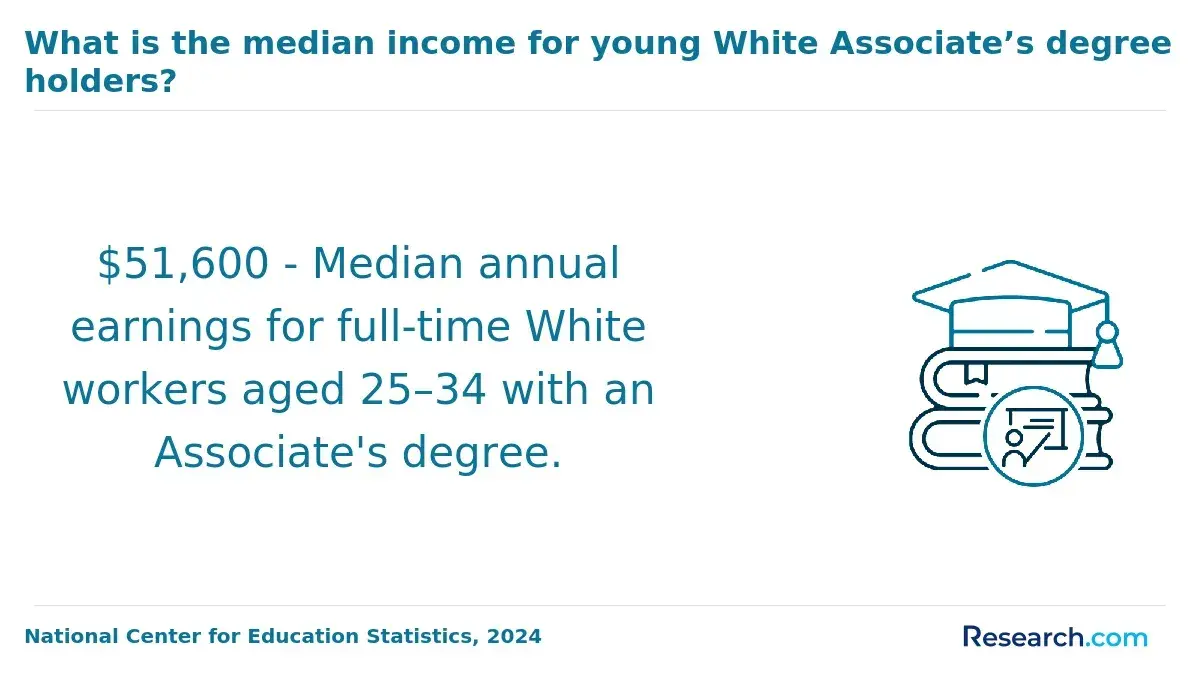
Completion time for online entrepreneurship degrees is often a strategic decision influenced by professional obligations and financial constraints. Typically, associate degrees take about two years, while bachelor's degrees require roughly four years. Accelerated programs can reduce this to three years but demand significant upfront commitment.
For example, a working parent launching an online retail venture may opt for part-time study extending to five or six years, balancing immediate income with steady academic progression. These timelines directly affect business operational focus and cash flow management.
The curricula emphasize practical skills tightly aligned with market expectations, including business planning, digital marketing, and funding strategies, reflecting employer preference for demonstrable experience over purely academic credentials. Flexible, modular programs that accommodate self-paced learning are common to address unpredictable startup demands and workforce pressures.
Cost is a critical factor: over 80% of students at leading online entrepreneurship programs secure financial aid, bringing net annual expenses to about $10,000-$15,000. Choosing longer part-time pathways spreads costs but may increase total expenditure, while accelerated paths require higher upfront payments but minimize lost earnings during study.
Employers and investors generally expect degree completion within standard timeframes; extended enrollment without significant milestones, such as finishing core entrepreneurial finance within two years, can erode perceived commitment and credibility.
Decisions around completion timelines should integrate financial capacity, business growth plans, and workforce demands, leveraging institutional aid and course flexibility to optimize both career and entrepreneurial outcomes.
How Much Do Online Entrepreneurship Programs Cost?
Tuition for online entrepreneurship programs varies significantly, from targeted certificate options around $2,000-$10,000 to full degree tracks ranging $15,000 to over $50,000 depending on level and institution prestige. This disparity reflects not only program depth and duration but also differing returns based on career intent and labor market alignment.
Only about 25-30% of graduates eventually run their own business full time, so working professionals must critically assess whether investing in a multi-year, costly master's or bachelor's degree offers a sufficient payoff versus shorter, skill-focused certificates. For example, a tech SaaS entrepreneur might gain more immediate leverage from a $5,000 digital marketing certificate than from a broad MBA-level entrepreneurship degree costing $40,000.
Employers in entrepreneurship-driven roles often prioritize demonstrable skills and tangible results over formal credentials alone, increasing the importance of post-program application rather than credential prestige. Financial aid and employer tuition reimbursement can ease upfront costs but rarely eliminate the strategic need to weigh opportunity costs, such as lost work hours or delayed income growth.
Mid-tier programs striking a balance between cost and content may suit those pivoting into sales, management, or business development, while expensive, leadership-heavy options cater to long-term innovation or venture capital career tracks. Candidates should match program investment with tangible alumni outcomes and how credentials integrate with specific career pivots.
- Certificate costs: $2,000-$10,000
- Associate/Bachelor's degrees: $15,000-$40,000
- Master's degrees from top-tier institutions: $50,000+
What Jobs Can You Get With an Entrepreneurship Degree?
An entrepreneurship degree extends career options far beyond launching startups, positioning graduates for roles in innovation consulting, venture capital analysis, and corporate strategy. Employers often seek measurable outcomes-such as validated business plans or MVPs-that demonstrate applied skills in opportunity recognition and market testing, rather than theoretical knowledge alone.
For example, a professional embedded in a corporate innovation team uses entrepreneurial training to uncover new market opportunities and develop internal ventures, diverging from typical operational roles. Similarly, product managers with this background leverage entrepreneurial insights to guide user-centric development and cross-departmental collaboration, increasing product-market fit precision.
Many graduates also contribute to accelerators or incubators by mentoring startups and evaluating investment readiness, where hands-on exposure to venture ecosystems is essential. Programs accredited regionally and offering incubator resources offer a distinct advantage by aligning academic concepts with real-world startup dynamics-an alignment emphasized in BestColleges' 2024 review.
Career trajectories vary by industry, with some graduates focusing on new venture creation while others advance as strategic planners or innovation officers in established companies, navigating complexities like intellectual property and regulatory environments. Candidates must weigh the tradeoffs between specialized startup roles and broader innovation functions when selecting programs, emphasizing those with practical, outcome-driven curricula that meet employer expectations and align with personal career goals.
What Are Entrepreneurship Salaries and Job Outlook?
Entrepreneurship professionals face a broad income spectrum shaped by business type, role, and growth strategy, often requiring tradeoffs between immediate salary and long-term equity. For example, tech startup founders usually accept lower initial pay to build ownership value, whereas small retail entrepreneurs might prioritize stable cash flow. This dynamic income landscape means individuals transitioning from traditional jobs must plan for early volatility and maintain sufficient financial reserves.
A 10% growth in new business formations between 2023 and 2025 underpins expanding opportunities in self-employed and freelance roles, emphasizing the value of skills beyond operational management. Accreditation through flexible online programs-such as the 48 entrepreneurship degree offerings currently available in North America-can help professionals acquire competencies in strategic planning, market analysis, and capital acquisition, essential to overcoming common income fluctuations.
Employers increasingly seek candidates who combine entrepreneurial experience with data-driven decision-making, especially in competitive sectors like technology, health services, and e-commerce. Career outcomes hinge not just on educational credentials but on the ability to balance risk, adapt to cash flow inconsistencies, and leverage relevant training for credibility and funding access. As a result, those investing in entrepreneurship education must weigh the opportunity costs of delayed income against eventual financial stability and growth potential.
Which Certifications Help Entrepreneurs Build Credibility?
Certifications in entrepreneurship must prioritize mastery of AI integration, digital marketing, and e-commerce strategy to stay relevant amidst rapid digital disruption. Professionals launching direct-to-consumer brands, for instance, benefit from credentials in AI-driven customer insights or advanced social media marketing, which directly influence investor confidence and operational scalability.
Choosing outdated or overly narrow certifications risks limiting both strategic breadth and technical adeptness, potentially sidelining candidates in competitive hiring or funding environments. Programs that blend no-code tool proficiency with traditional business models accelerate product launches and improve time-to-market metrics-critical factors investors scrutinize.
Successful certifications link directly to recognized institutions or platforms with verifiable employer validation and measurable outcomes. Without such connections, credentials often fail to resonate within professional and investor networks.
Entrepreneurs face a tradeoff between specialized technical skills and broader management knowledge. Optimal programs fuse AI, e-commerce, and digital marketing components, delivering credentials that signal both strategic vision and applied competence to stakeholders evaluating 2026 market demands.
- Focus on certifications with real-world application in AI-enabled business models.
- Prioritize programs offering verifiable employer engagement and measurable outcomes.
- Balance technical specialization with strategic management insights.
Other Things You Should Know About Entrepreneurship
Most professional online entrepreneurship programs use asynchronous modules, recorded lectures, and weekly deadlines, so students can finish work outside business hours. Some still require one or two live sessions for team projects, pitch reviews, or networking, usually scheduled in the evening or on weekends.
Recognition varies widely; employers in established industries often prioritize entrepreneurial experience and measurable outcomes over program completion alone. Some employers view online entrepreneurship programs as supplemental knowledge rather than primary qualifications, especially if not from widely known institutions. For career pivots into startups or roles requiring innovation skills, these programs can add credibility if paired with tangible projects or business milestones. Choose programs emphasizing hands-on work and networking over purely theoretical content to enhance employer recognition.
The best online entrepreneurship programs in 2027 for working professionals offer flexibility, asynchronous learning, and support services like mentorship and career counseling. They emphasize practical applications and provide robust online networking tools to connect with instructors, peers, and alumni, ensuring a well-rounded learning experience.
The choice depends on your immediate career goals and current expertise. If you need to establish foundational operational skills like accounting or marketing, prioritize programs with strong technical training. Conversely, if you already have business experience and seek to drive disruptive ventures, prioritize programs fostering innovation, opportunity recognition, and strategic problem-solving. Selecting a program aligned with your skill gaps will accelerate measurable business progress and reduce time spent on redundant content.
References
- Business School/Entrepreneurship - INTERNATIONAL EUROPEAN UNIVERSITY, POLAND | EUROPE | STUDY IN POLAND | STUDY IN EUROPE | MBBS | GENERAL MEDICINE | BUSINESS | ENGINEERING | IT | EUROPE http://ieu.com.pl/european-business-school-home/business-school-entrepreneurship/
- The Impact of Certifications on an Entrepreneur’s Life. https://certiprof.com/blogs/news/the-impact-of-certifications-on-an-entrepreneurs-life
- How we selected the entrepreneurial university https://www.entrepreneurial-universities.org/index/methodology
- Entrepreneurship Jobs - What are the career opportunities? | CBS https://www.cbs.de/en/blog/entrepreneurship-jobs
- Curriculum & Programs | VentureLab https://venturelab.org/curriculum/
- How Much Does It Cost to Create an Online Course? A Complete Breakdown for Businesses That Want to Sell Courses https://oasis-lms.com/post/how-much-does-it-cost-to-create-an-online-course
- Entrepreneurship and Management https://www.onlinebusinessschool.com/entrepreneurship-and-management/
- Accreditation EFMD - Warsaw University of Technology Business School https://biznes.edu.pl/en/executive-mba-en/accreditation-efmd/
- How Long Does It Take To Get A Degree in Entrepreneurship | Nexford University https://www.nexford.edu/insights/how-long-does-it-take-to-get-a-degree-in-entrepreneurship
- Subscribe to our free newsletter https://www.internationalcoachingacademy.org/5-ways-to-establish-your-credibility-as-an-entrepreneur/