2027 Family Business Leadership Paths You Can Pursue With an Entrepreneurship Degree

Co-Founder and Chief Data Scientist
Graduates with an entrepreneurship degree often confront the challenge of translating versatile business skills into concrete leadership roles within family-owned enterprises. With family businesses comprising over 90% of U. S. businesses and employing nearly half the workforce, navigating legacy dynamics alongside modern strategic demands requires more than foundational knowledge.
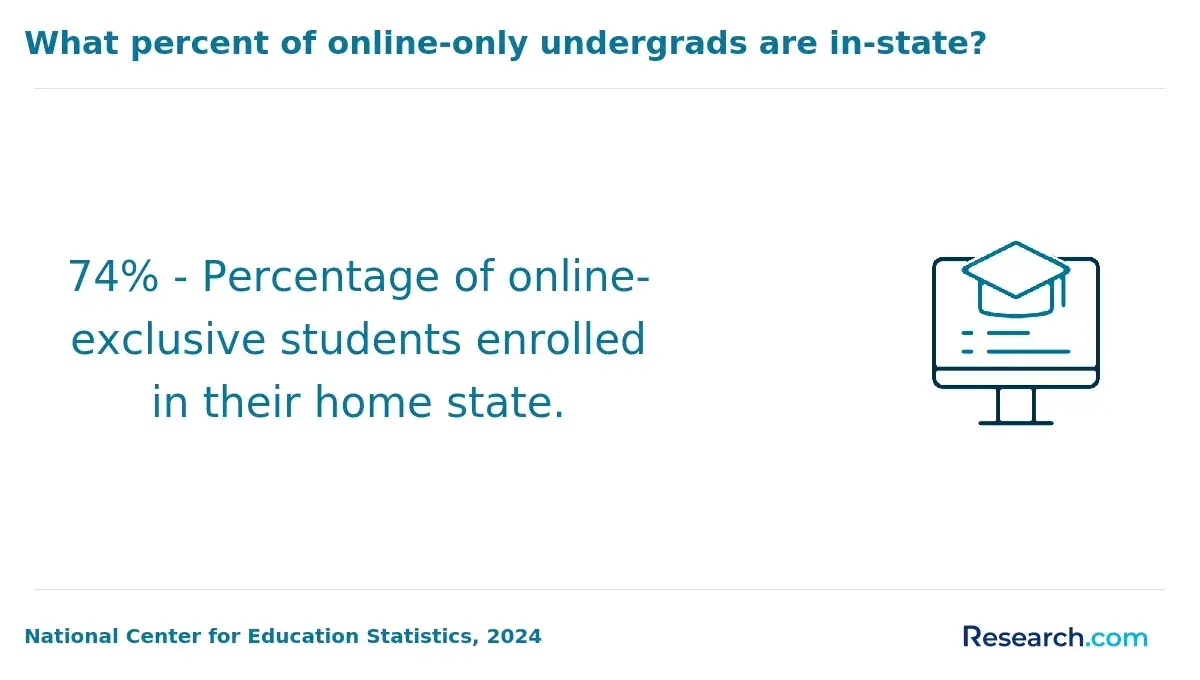
The National Center for Education Statistics reports a surge in part-time and adult learners enrolling in flexible, often online, entrepreneurship programs-an adaptation reflecting workforce mobility and timing constraints. This shift underscores the need for pathways that accommodate career pivots without sacrificing practical leadership preparation.
This article identifies viable family business leadership tracks for entrepreneurship graduates, clarifying pathways that align educational choices with realistic family enterprise roles.
Key Things You Should Know
- Entrepreneurship degrees often delay workforce entry by 1.5 years on average, per National Center for Education Statistics, raising opportunity costs in family businesses needing immediate leadership amid fast digital market shifts.
- Employers in family firms prioritize hands-on innovation execution skills, with 62% valuing pragmatic venture management over theoretical training, pressuring degree holders to supplement formal education with direct operational experience.
- Strategic tension arises as entrepreneurship programs deprioritize succession planning frameworks, despite a 48% family business failure rate within two generations reported by Family Firm Institute, limiting degree utility for leadership continuity.
What family business leadership roles can you pursue with an entrepreneurship degree?
Leadership roles in family businesses demanding an entrepreneurship degree often require balancing innovation with operational continuity. For instance, a family-owned manufacturing firm needs a CEO who can integrate emerging technologies without disrupting legacy processes. This practical tension exemplifies why family business leadership roles with an entrepreneurship degree lean toward strategic positions that drive growth and innovation pipelines.
Other impactful roles include business development leaders who use market analysis and negotiation skills daily. In service-based family businesses like restaurants or legal firms, this degree supports leadership in enhancing customer experience and expanding service offerings-essential for customer retention and competitive positioning.
Succession complexity remains a workforce challenge, as shown by PwC's 2025 US Family Business Survey revealing 44% of family firms recently impacted by succession planning issues. Entrepreneurial graduates aiming for leadership career paths in family businesses using an entrepreneurship degree must also navigate family governance intricacies, requiring conflict resolution and stakeholder alignment skills often absent from standard business curricula.
Operational posts such as CFO or marketing director usually call for deeper functional expertise, so candidates should supplement with internships or dual credentials. Those evaluating options should consider accredited programs like the accelerated business degree pathway to accelerate acquisition of cross-functional capabilities critical in family firms.
In sum, entrepreneurship degrees align best with strategic leadership in family enterprises but demand supplementary skills to manage nuanced family dynamics and operational demands effectively.
How does an entrepreneurship degree prepare you to lead or take over a family business?
Family business leadership demands more than inherited authority; it requires practical skills that an entrepreneurship degree cultivates by blending operational management with strategic innovation. Graduates gain critical capabilities in managing cash flow, assessing investments, and scaling growth that directly address the realities of legacy firms facing a 40% executive turnover due to generational ownership changes, per Deloitte's Family Enterprise Survey. Given this pipeline of successors, those with entrepreneurship degree benefits for family business leadership are better prepared to manage transition risks and sustain value.
One tangible advantage lies in formalizing informal processes pervasive in family firms, improving decision-making by applying data-driven analysis. For example, a successor in a manufacturing family business can implement automation to reduce labor costs, a strategic move often overlooked without entrepreneurial training. This practical perspective helps balance operational discipline with internal family dynamics, a common source of tension in legacy companies.
Skills gained from an entrepreneurship degree for managing family businesses extend to risk assessment and resource mobilization, enabling leaders to navigate complex financial restructuring without losing control. Negotiation and leadership abilities also play a key role in harmonizing diverse stakeholder interests. Experiential learning in crisis management and business model innovation provides exposure to challenges unique to inherited enterprises.
For prospective students, evaluating educational opportunities through tangible outcomes is critical. Those interested in flexible options might explore online business schools that offer entrepreneurship pathways designed to meet these real-world demands.
What types of entrepreneurship degrees best support future family business leaders?
Degrees in family business and entrepreneurship management that best prepare graduates combine rigorous financial risk evaluation with leadership training tailored to family dynamics. Programs focused narrowly on small business management or startup creation commonly miss critical governance skills needed to navigate generational transitions. Employers increasingly seek graduates who understand innovation management within established enterprises as well as entrepreneurial risk-taking, a priority cited by the 2024 Global Family Business Report.
For example, a family-owned manufacturing business expanding internationally requires leaders skilled in entrepreneurial finance to justify new market risks and conflict resolution designed for multigenerational stakeholders. Alternatively, family retail firms confronting digital disruptions benefit from curricula emphasizing technology adaptation and agile strategic execution. These scenarios illustrate why entrepreneurship degree programs for family business leadership must offer flexibility in concentrations or dual-focus options.
Students must critically assess programs for real-world exposure, such as internships with family-run companies and mentorships that mirror their business context. Neglecting family-specific governance risks can lead to costly succession conflicts, even among those with strong entrepreneurial training. Practical program features directly influence readiness to handle both innovation portfolios and family governance challenges.
Access to well-rounded offerings remains essential, with many prospective students considering options like the top MBA online programs under $30k to strategically align their education with these workforce demands.
What core courses and skills matter most for leading a family-owned business?
Effective leadership in family-owned businesses demands a blend of financial insight, strategic foresight, and interpersonal acuity tailored to family dynamics. Core courses for managing family-owned businesses must cover cash flow forecasting, capital structure, governance, and succession planning-areas where many family ventures falter due to liquidity constraints and intergenerational disputes. Curriculum design should respond to sector-specific realities: a tech startup necessitates agile project leadership and rapid innovation cycles, while multi-generational agricultural enterprises require regulatory compliance and asset protection skills.
Entrepreneurship degree programs focusing on family business leadership skills for entrepreneurship degree should incorporate negotiation techniques and emotional intelligence frameworks, as collaboration across generations involves complex stakeholder interests. Data from the Global Entrepreneurship Monitor indicate that over 75% of entrepreneurs co-manage with family, further emphasizing the importance of these competencies.
Employers value candidates who balance operational execution with familial relationship stewardship. Practical coursework with case studies on turnarounds and family governance helps mitigate nepotism and communication breakdowns-common sources of failure. Graduates without this nuanced skill set often face underperformance and conflict that can derail family enterprises.
Prospective students exploring pathways should weigh program accessibility alongside curriculum relevance. For individuals prioritizing ease of entry without sacrificing practical value, options like the easiest MBA programs provide an entry point, but must be evaluated carefully against the depth of family business leadership skills imparted.
How do online entrepreneurship programs compare with campus options for family business careers?
Choosing between online and campus entrepreneurship education demands weighing flexibility against immersive engagement. Online programs offer scheduling convenience crucial for family business leaders managing ongoing operations, but they frequently lack the in-person networking and mentorship vital for navigating complex family governance. For instance, a successor in a manufacturing family might miss out on campus-specific incubators and direct peer collaboration essential for industry nuance.
Digital agility is a clear strength of online setups, delivering rapidly updated content aligned with real-time trends. Given PwC's 2025 US Family Business Survey finding that 65% of family businesses see AI as a growth driver, this responsiveness supports students aiming to lead digital transformation initiatives. However, this format requires heightened self-discipline since less faculty oversight means less structured accountability.
By contrast, campus programs more reliably offer experiential learning opportunities such as local consulting projects and internships tied to family business contexts, enhancing skill application. Their cohort-based leadership development and live workshops often yield stronger employer confidence in graduates' strategic abilities within family enterprises.
Decisions should consider career stage and immediate business pressures:
- Experienced professionals embedded in enterprises benefit from online flexibility and rapid AI-centric content.
- Early-career successors gain from campus resources emphasizing mentorship and collaborative experience foundational for long-term leadership.
What admission requirements and prior experience help you get into entrepreneurship programs?
Admission criteria for entrepreneurship programs weigh a combination of academic performance, relevant professional experience, and proven leadership capabilities. While a minimum undergraduate GPA around 3.0 is common, stronger programs-especially those with family business leadership tracks-expect applicants to exceed 3.3. Standardized tests like the GMAT or GRE are often optional but can enhance applications if scored above the 70th percentile.
Work experience in startups, management, or family enterprises materially strengthens a candidate's profile, demonstrating readiness for the complexities of volatile business environments. Employers and admissions alike prioritize demonstrated impact in real-world settings, such as scaling revenues or managing capital allocation within family-run firms. According to Deloitte's 2024 Family Enterprise Survey, 60% of family businesses prioritize capital allocation and investment strategy, which underscores the demand for candidates with financial acuity combined with adaptable leadership.
Applicants should present detailed resumes and recommendations detailing strategic thinking and resilience under pressure. Experience requirements typically range from 2 to 5 years in relevant roles, with alternative credentials like internships or entrepreneurial projects considered when direct experience is lacking.
The choice between programs emphasizing extensive work experience versus those favoring academic potential involves tradeoffs. Seasoned professionals apply learning immediately but must juggle commitments alongside coursework. Recent graduates often face steep learning curves in practical strategy execution despite smoother admission. Admissions committees assess these balances to predict successful navigation of entrepreneurship's multifaceted challenges.
How long does an entrepreneurship degree take and what costs should you expect?
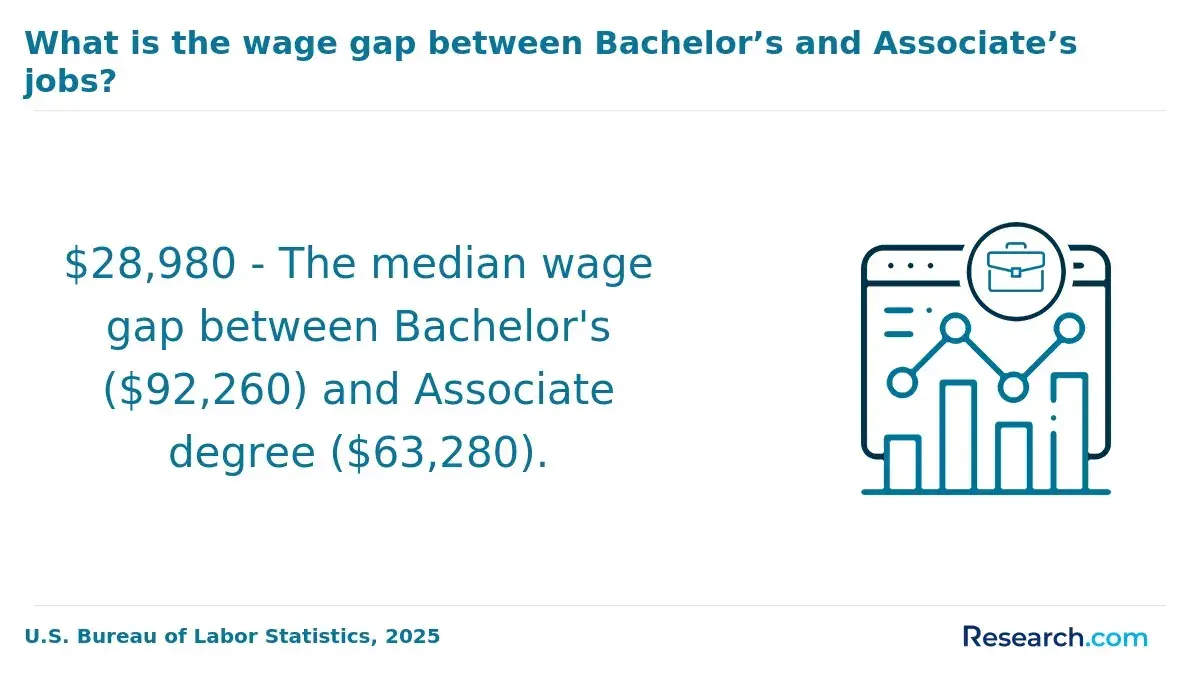
The decision to pursue an entrepreneurship degree involves balancing time, cost, and the urgency to apply skills in fast-moving markets, especially within family-run businesses. Bachelor's programs typically span four years full-time but can be accelerated to three or extended through part-time or online formats, stretching up to six years. Master's degrees add 1 to 2 years, emphasizing that lengthier programs may delay returns on investment. Tuition varies considerably: public universities range from $10,000 to $30,000 annually, while private institutions often exceed $50,000, excluding other expenses like textbooks and technology fees.
For family businesses where 59% reported growth and 36% surpassed 10% expansion in 2024, according to the Entrepreneur and Family Business Council's 2025 Family Business Statistics, the time spent acquiring education bears a significant opportunity cost. Candidates must evaluate whether a full degree or a specialized certificate-often under $5,000 and shorter in duration-aligns better with their immediate leadership needs.
Employer preferences often prioritize degrees for senior roles in rapidly scaling firms, yet certificates may offer tactical skill upgrades for active practitioners. Ultimately, professionals should weigh program duration, cost, and program type against the specific growth trajectories of their ventures, rather than defaulting to credential prestige alone.
What is the salary potential and earning trajectory for family business leaders with this degree?
Family business leadership compensation varies widely and hinges on governance quality, firm maturity, and industry. Entry-level leaders with an entrepreneurship degree typically earn $60,000 to $90,000 annually, but those managing mid-sized, established firms can see salaries from $120,000 to $180,000. Senior-level executives or multigenerational leaders in larger enterprises often surpass $250,000 in total earnings, driven by effective formal governance structures.
Despite over half of family businesses adopting governance frameworks like boards or family councils, only about one-third rate these as highly effective. This gap presents a concrete opportunity for leaders with governance expertise to justify higher compensation by improving decision-making, succession planning, and innovation. Employers expect leadership candidates to demonstrate measurable impacts in these areas as a condition for advancement.
For example, a third-generation family business passing control to a younger leader with governance acumen can professionalize operations and create new revenue streams, elevating both company valuation and leader income. Conversely, lacking such skills often results in stagnant earnings tied to internal conflicts or ineffective strategy.
The pathways to higher earnings hinge less on the entrepreneurship degree itself and more on ongoing skill development, strategic governance, and value creation within the family business context.
What is the long-term job outlook for careers in family business leadership and succession?
Effective leadership succession in family businesses demands more than just entrepreneurial thinking-it requires distinct governance skills and stakeholder negotiation capabilities. A significant share of these businesses-about 70%-fail or exit before the second generation assumes control, reflecting the complexity of balancing familial and professional interests. Graduates armed with an entrepreneurship degree who understand these dynamics can better navigate leadership transitions amid emotional and operational tensions, particularly within sectors like manufacturing or retail, where capital intensity and market shifts heighten risk.
Beyond succession, family business leaders increasingly manage philanthropy, with roughly 72% of charitable contributions channeled to local or national organizations. This evolving role underscores the need for competencies in corporate social responsibility alongside traditional profit-driven objectives. Professionals must also stay adept in digital transformation and regulatory compliance to maintain competitive relevance and operational resilience.
Graduates face a nuanced tradeoff: the broad skill set gained through entrepreneurship programs offers leverage in growth and innovation management but must be paired with practical experience to handle intricate family governance and multigenerational expectations effectively. Employers prioritize candidates who can simultaneously drive business value and mediate diverse stakeholder interests, making strategic agility as crucial as foundational entrepreneurial knowledge.
How can you choose an accredited, reputable entrepreneurship program focused on family businesses?
Selecting an entrepreneurship program with a family business focus requires assessing accreditation rigor, as firm governance and succession planning skills differ significantly from core business fundamentals. Programs accredited by recognized bodies such as the U.S. Department of Education or CHEA ensure curricula meet measurable standards valued by employers in family-owned enterprises.
Pragmatic exposure to family business scenarios is pivotal. Schools offering case studies or practicum projects involving actual family firms bridge theory and application, which can influence hiring decisions and leadership readiness in sectors where one in five entrepreneurs operate alongside relatives.
Key evaluative criteria include:
- Affiliation with professional family business organizations like the Family Firm Institute, which signals access to specialized research and networking essential for nuanced family business environments.
- Faculty expertise documented through research in succession planning, conflict governance, and wealth management within family enterprises.
- Flexible delivery models accommodating students engaged in active family business roles or full-time employment, preserving the immediate applicability of coursework and return on investment.
The sector-specific outcome variance is notable: manufacturing family firms face different strategic and operational challenges than retail or service-oriented family businesses, necessitating tailored educational content. Career services that connect students to advisory roles or mentorships in family business environments further enhance long-term prospects within this distinct niche.
Other Things You Should Know About Entrepreneurship
Specialized entrepreneurship degrees focus heavily on venture creation, innovation, and startup management, which benefits those looking to modernize or pivot a family business. However, broader business degrees offer more comprehensive training in finance, operations, and management, which are critical for sustaining established family enterprises. For leadership roles in longstanding family businesses, prioritizing broader business programs with entrepreneurship electives often provides more practical skills and employer-aligned readiness.
Yes. Many family-business tracks expect at least one course in business ethics, governance, or family enterprise management, usually 3 credit hours. These classes cover succession planning, shareholder roles, conflict resolution, and board structure, which are central to leading a family firm responsibly.
In 2027, an entrepreneurship degree equips aspiring family business leaders with skills to innovate and manage growth effectively. Paths may include taking roles in strategic planning, financial management, or innovation leadership within various industries like retail, manufacturing, or services.
Yes, prioritizing experiential learning like internships, mentorships, and business incubator participation offers direct application of theory in family business contexts. These experiences improve practical decision-making and network building, which are crucial for navigating family dynamics and operational challenges. Candidates should select programs with strong ties to local businesses and active entrepreneurship ecosystems to maximize real-world readiness.
References
- Entrepreneurship | Duties, Job Skills, and Career Paths | edX https://www.edx.org/resources/is-a-masters-in-entrepreneurship-worth-it
- Family Business Success: Bridging Tradition & Modern Leadership https://www.greatlakes.edu.in/blog/heritage-and-hustle-preparing-next-generation-for-family-business-success/
- Family Business Association | Education Courses https://familybusinessassociation.org/programs-events/fba-education-courses
- Top Executive Courses in Family Business | EXECUTIVE COURSES https://executivecourses.com/lists/top-10-executive-courses-in-family-business-management
- Entrepreneurship Master's Degrees | Accounting.com https://www.accounting.com/degrees/entrepreneurship/masters/
- Training Future Leaders in Family Businesses: How to Develop Management Skills in Children https://www.cpmlaw.com/training-future-leaders-in-family-businesses-how-to-develop-management-skills-in-children/
- Studying family businesses https://www.wifu.de/en/the-wifu/studying-family-businesses/
- How to Prepare Your Family Business for Leadership Succession - MGO CPA https://www.mgocpa.com/perspective/how-to-prepare-your-family-business-for-leadership-succession/
- How to Grow a Successful Family Business https://www.uschamber.com/co/grow/thrive/how-to-grow-successful-family-business
- Running a Family Business Means You Need to Prepare Your Kids to Take Over — Here's How to Do It Right. https://www.entrepreneur.com/leadership/running-a-family-business-means-you-need-to-prepare-your/459117