2027 Best States for Entrepreneurship Growth

Co-Founder and Chief Data Scientist
Choosing where to launch or grow an entrepreneurial venture remains a critical challenge amid shifting state-level economic policies, talent pools, and funding opportunities. Recent Census Bureau data reveals a 22% rise in new business applications concentrated in just a handful of states over the last two years, signaling growing disparities in regional startup ecosystems. This uneven distribution reflects broader structural factors such as workforce availability, regulatory environments, and access to scalable markets, which directly influence a founder's ability to obtain resources and sustain growth.
This article identifies the best states for entrepreneurship growth by analyzing these dynamics to guide strategic decisions on location and investment.
Key Things You Should Know
- States with above-average tech startup density often face higher living costs, delaying profitability; Opportunity Zones in states like Texas offset capital gains taxes but demand navigating complex compliance, stretching founders' resources early.
- Regions with robust vocational training partnerships see 15% higher employment rates in startup roles, focusing employer expectations on practical skills beyond theoretical business models.
- High-growth states typically feature accelerated access to state-funded innovation grants within 18 months, though slower regulatory approvals in those regions create tradeoffs between speed-to-market and financial support availability.
Which states currently offer the strongest overall environment for entrepreneurship growth?
Florida leads the strongest states for entrepreneurship growth in 2026, largely due to its 16% surge in small-business establishments from 2017 to 2023-a pace unmatched by other leading states. This rapid expansion is driven by tax advantages and access to capital, which reduce barriers to entry for entrepreneurs strategizing a clear career pivot.
For example, tech startups in Miami can leverage lower corporate taxes and streamlined licensing, contrasting with higher costs and delays in states like California. This difference often determines how quickly a venture reaches market viability and secures early revenue streams. Florida's business-friendly environment is particularly attractive for small business development, although sectors with stringent regulatory demands-such as pharmaceuticals or finance-must still navigate evolving compliance complexities and a comparatively less mature talent pool.
States like Texas and Utah offer robust infrastructure and support ecosystems, but Florida's balance of opportunity and resources remains compelling. Key steps for prospective entrepreneurs include:
- Conducting localized market feasibility analyses to identify customer needs.
- Clarifying state-specific tax and licensing requirements to prevent compliance costs.
- Utilizing state-sponsored accelerators for funding access and mentorship.
Those considering an educational foundation to strengthen their practical skills might explore the best online business degree programs, especially in business administration, to align academic credentials with real-world entrepreneurship demands.
How do rankings of the best states for entrepreneurship differ for tech, retail, and service startups?
States that lead in entrepreneurship growth differ noticeably by industry demands, with implications for workforce development and educational priorities. For technology startups, states like California, Massachusetts, and Washington dominate due to their concentration of STEM talent, robust R&D incentives, and access to venture capital. This environment requires founders to develop specialized technical skills and complex fundraising abilities, reflecting the demand for engineers and developers. Meanwhile, retail startups gravitate toward states such as New York, Texas, and Florida, where dense urban populations and established logistics favor consumer-facing business models and expertise in supply chain and omni-channel sales.
Service startups, favored by states like Utah and Colorado, illustrate a distinct entrepreneurial climate focused on lean operations, cost management, and flexible staffing, aligned with local client networks rather than large-scale capital. Utah's projected 7% state GDP growth in 2026 underscores how operational efficiency and quality of life influence service sector entrepreneurship.
These variations affect educational pathways and workforce readiness. A tech founder's educational focus will differ sharply from a service business founder's, emphasizing the need for precise alignment between chosen venture type and geographic market conditions. For professionals considering a pivot to entrepreneurship, selecting programs tailored to these sector-specific skills is critical. For example, those seeking to manage this transition effectively should consider a degree emphasizing practical skills, such as the best MBA programs without GMAT.
Understanding the best states for entrepreneurship growth by industry type offers a strategic lens for matching educational investment with realistic market entry points. The rankings for technology, retail, and service startup sectors highlight how location-specific infrastructure and labor market dynamics shape opportunity and operational models.
What factors determine whether a state is considered good for starting a business?
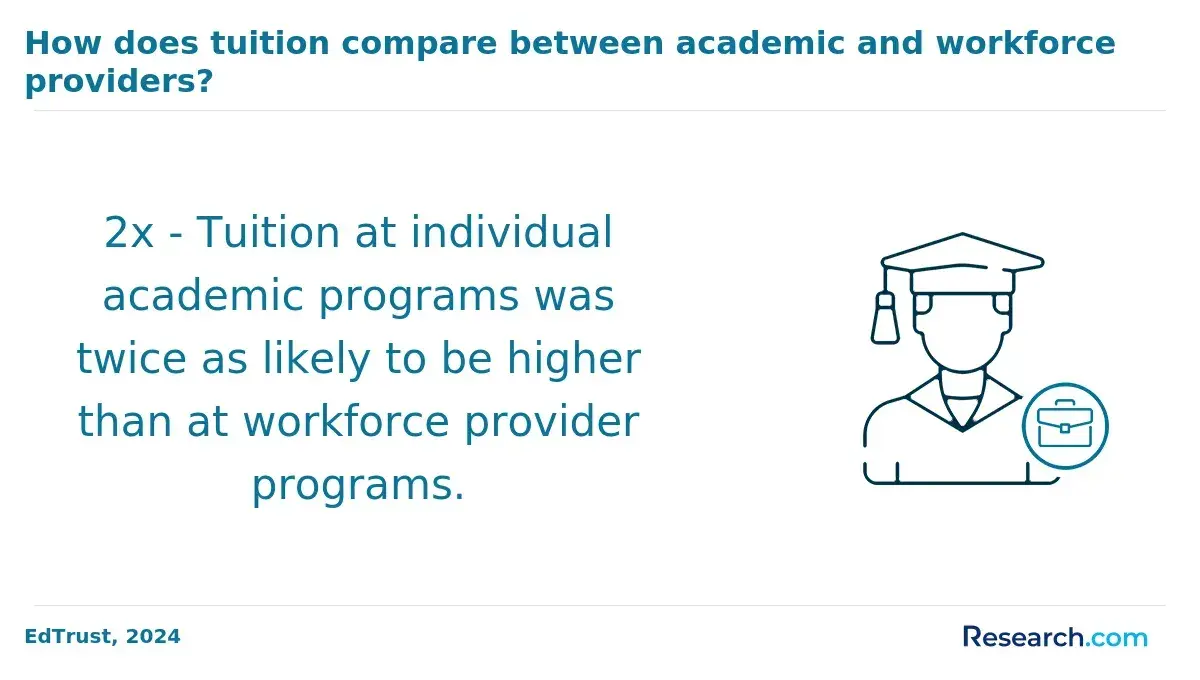
Choosing the right state for launching a startup hinges on more than just favorable taxes or incentives; it demands a nuanced evaluation of state economic conditions for entrepreneurship growth. For instance, Texas's rising working-age population and employment expansion carve out a substantial talent pool that startups can access to scale efficiently. This demographic advantage intersects with local regulatory ease, which can significantly reduce the friction of market entry for early-stage companies.
Access to capital is uneven and shapes strategic decisions. Tech ventures often gravitate to California or New York due to robust venture capital ecosystems, whereas startups elsewhere may depend heavily on local grants or modest loans, constraining rapid scaling. This regional business climate factors influencing startups also include workforce skill availability-manufacturing startups in the Midwest, for example, prioritize skilled technical labor, while digital firms seek states with strong STEM pipelines.
The interplay between these factors demands a pragmatic approach. Entrepreneurs must tailor decisions to industry-specific conditions, balancing talent, capital, and regulation. This balance directly affects operational costs and the speed of growth. Additionally, those evaluating educational pathways to enter entrepreneurship should weigh practical implications such as program affordability and real-world relevance; a cheapest online MBA can serve as a cost-effective route to equip business skills aligned with regional opportunities.
How do state-level education systems and entrepreneurship degree programs support new founders?
State-level education programs for entrepreneurship growth affect new business founders by linking technical knowledge with essential real-world skills. Programs that extend beyond theory-incorporating incubators, pitch competitions, and mentorship-better equip founders to handle early challenges like navigating regulatory landscapes or securing funding. For example, a founder in medtech gains more from education focused on prototyping and regulatory pathways than from abstract business theory.
Massachusetts highlights this dynamic with 201.3 patents per 100,000 residents and $32,800 in venture capital investment per resident, showing the advantage of its advanced institutions. These programs emphasize interdisciplinary collaboration and commercialization, creating founders prepared through access to specialized research, networks, and funding strategies. States lacking such ecosystems typically experience slower venture growth due to weaker ties between education and capital.
Employers increasingly expect entrepreneurship graduates to show both business plan mastery and relevant industry problem-solving skills. Programs integrating internships or client projects improve employability and venture credibility by producing measurable outcomes. Without these components, graduates often struggle to secure mentorship and funding, reducing venture sustainability. Prospective students should evaluate program offerings through the lens of local patent activity, investment trends, and practical training alignment with market needs.
For those balancing professional commitments, options like an online MBA no GMAT can provide flexible yet rigorous pathways, though careful attention to program depth and networking opportunities remains critical.
Which states provide the best access to accredited entrepreneurship and business programs?
States with favorable fiscal policies and targeted educational ecosystems create distinct advantages for budding entrepreneurs. Texas, with no state income tax and significant goods production value, enables reinvestment of profits crucial for capital-intensive startups in manufacturing or logistics. For instance, a tech startup in Austin benefits from local universities' business incubators and government incentives designed to accelerate growth, a key factor in scaling operations effectively.
California and Massachusetts offer some of the nation's most prestigious accredited programs highlighting experiential learning and employer engagement. Yet, the high state taxes and living expenses in these states impose constraints that often reduce new venture survival rates post-graduation. This tradeoff forces students prioritizing rapid capital preservation or scalability to carefully weigh their program choice against these economic realities.
Midwestern states such as Ohio and Michigan provide more affordable tuition and solid practical business education aligned with manufacturing and services sectors. The downside is limited venture capital presence compared to coastal hubs, impacting access to startup financing and mentorship-critical elements for fast market entry in tech or biotech ventures.
Key considerations for aspiring entrepreneurs include:
- Tax structures influencing reinvestment capacity
- Access to university-linked incubators and employer networks
- Costs of living affecting capital preservation
- Venture capital availability for growth acceleration
These factors ultimately shape how education translates into viable business outcomes.
How do online entrepreneurship degrees compare with in-state campus programs for aspiring founders?
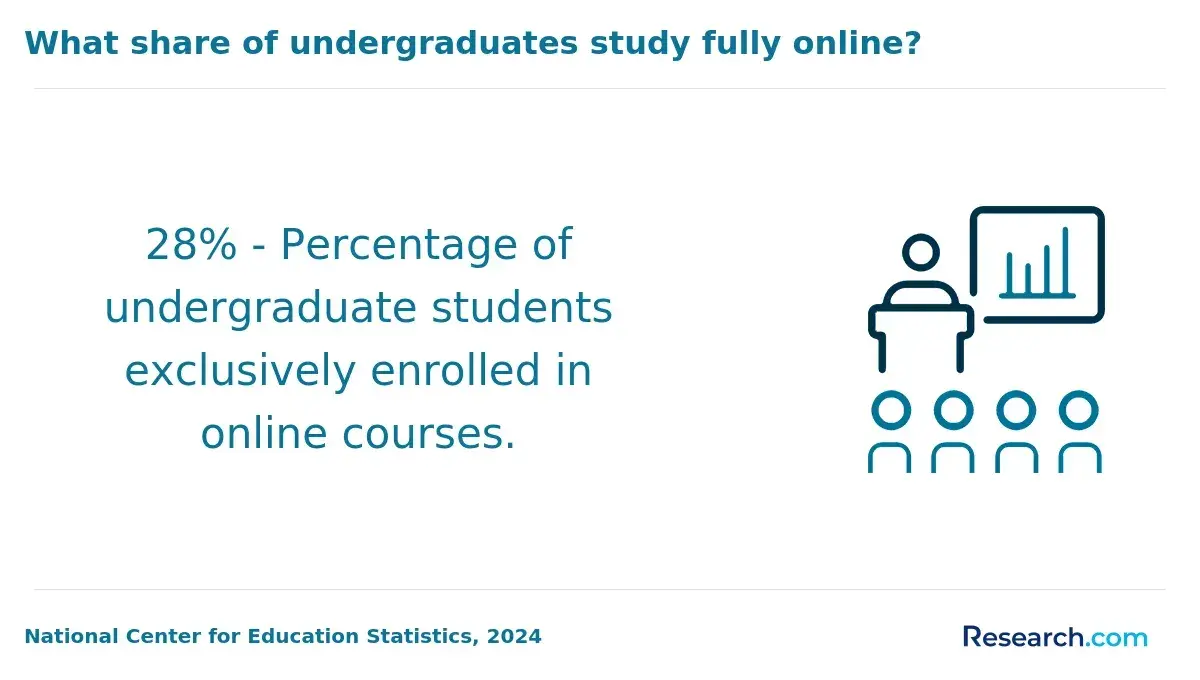
Choosing between online and campus-based entrepreneurship degrees significantly impacts access to local startup ecosystems that drive long-term success. For example, in Colorado-ranked in the top four nationwide for venture capital investment-students attending on-campus programs benefit from direct involvement with entrepreneurial hubs in Denver and Boulder, gaining crucial face-to-face connections with investors and accelerators. This embeddedness often translates to internships, pitch competitions, and collaborative projects that greatly enhance funding and partnership prospects.
Online degrees prioritize flexibility, catering to those balancing work or relocation constraints, but they typically lack regional market immersion. This absence reduces exposure to nuanced local networks vital for securing funding and industry mentorship, as employers and investors tend to favor founders with visible local ties and demonstrated ecosystem engagement.
Consider a biotech founder in Colorado: the difference between engaging in state-backed innovation clusters on campus versus acquiring generalized foundational skills online can substantially affect readiness for high-stakes investor negotiations. Campus programs often mandate practical incubator participation, building directly applicable skills, while online learners face limited opportunities for such immersive experiences.
Practical tradeoffs include:
- In-state programs offer ecosystem advantages critical for high-growth ventures
- Online options deliver standardized curricula suited for broad applicability and flexible schedules
- Regional engagement remains a decisive factor for employability and investor confidence
Ultimately, decision-making must weigh personal circumstances against the tangible benefits derived from embedded industry connectivity.
What are typical admission requirements, program length, and tuition costs for entrepreneurship degrees by state?
Admission into entrepreneurship degrees requires navigating varied state-level prerequisites that directly impact student outcomes and timelines. Minimum GPA standards typically fall between 2.5 and 3.0, with some four-year programs demanding SAT or ACT scores. More competitive states like California and New York add expectations such as professional recommendations or essays demonstrating leadership and innovation, raising barriers that affect access and debt load.
Program duration also influences strategic choices: associate degrees often take two years, bachelor's degrees four, and master's degrees require an additional one to two years with a strong focus on practical startup and financing skills. Tuition shows considerable disparity, with public in-state tuition averaging $8,000 annually, while private institutions can exceed $30,000. States such as Texas and Florida offer a relatively balanced cost-to-quality ratio, unlike Rhode Island, where high operational expenses and a tough business climate can restrict immediate entrepreneurial mobility post-graduation.
For career changers, such as a mid-career professional in Arizona targeting tech entrepreneurship, a two-year MBA with evening classes and roughly $20,000 in total tuition presents a financially viable pivot. However, students in higher-cost states with rigorous admission criteria may face extended program lengths or elevated debt, limiting their startup capital and immediate market competitiveness.
How do licensing, permits, and regulatory requirements for new businesses vary across states?
Licensing and permitting requirements vary widely by state, profoundly impacting the timeline and costs involved in launching a business. For instance, California's segmented system for environmental, health, and zoning permits can delay food startups by months, while Texas streamlines this with consolidated applications, cutting wait times to weeks. Such variations shape not only operational expenses but also the pace at which a business can generate revenue.
Fee structures add another layer of complexity: initial and renewal licenses range from under $50 in Wyoming to several hundred dollars in New York. These disparities affect cash flow management, especially for startups with limited capital. Additionally, continual compliance efforts-like mandatory annual reports or workforce certifications-demand attention and resources, with states like Massachusetts imposing more stringent regulations compared to Florida.
For entrepreneurs, aligning business models with state-specific regulatory environments is strategic. Tech startups prioritizing remote work and scalability may favor Delaware, benefiting from its digitized licensing processes and supportive infrastructure in broadband and venture capital. This choice reduces bureaucratic friction and accelerates market entry.
Professionals transitioning into Entrepreneurship should anticipate multi-layered permitting where relevant industries demand it, carefully map requirements, and budget for delays and fees. Proactive regulatory navigation mitigates operational disruption and aligns with employer expectations on compliance and risk management.
What are the salary expectations, funding opportunities, and survival rates for entrepreneurs in top states?
Entrepreneurs face distinct geographical tradeoffs affecting income, funding access, and startup longevity. California's dense industry clusters and large markets support median founder incomes near $85,000, bolstered by the state's nearly $2 trillion economic output. However, this earning potential comes with intense competition and elevated operating costs that can strain early-stage ventures.
States such as Texas and Florida offer median incomes closer to $65,000, presenting a financially leaner startup environment with lower expenses. For entrepreneurs prioritizing funding, California controls over 45% of national venture capital, making it indispensable for scalable tech startups. Meanwhile, states like Georgia and Massachusetts leverage focused grants and local angel networks, providing alternative capital channels suited to non-Silicon Valley ventures.
Startup survival also varies regionally. California startups' five-year survival rate of 60% lags slightly behind the national average of 63%, reflecting fierce market pressures despite abundant resources. Manufacturing and retail entrepreneurs may find Ohio or North Carolina more favorable, with survival rates near 68% due to less saturation and steadier demand.
Practical decisions about startup location must balance income potential, funding landscape, and ecosystem dynamics with sector-specific realities. Early identification of relevant funding programs and realistic expectations on competition are critical for long-term viability and income stability in entrepreneurship.
How can students choose the best state and school combination for long-term entrepreneurship careers?
Choosing where to study entrepreneurship fundamentally shapes one's trajectory, balancing regional economic realities with program efficacy. For instance, South Dakota's rank as 1st in NationalBusinessCapital.com's 2026 "Best States to Start a Business" report reflects a landscape where regulatory simplicity and lower startup costs outperform more congested hubs like California. A tech entrepreneur trainee benefits from streamlined licensing and reduced administrative hurdles that accelerate early scalability, a distinct operational advantage compared to states with stringent regulations.
Evaluating schools by alumni startup success, industry partnerships, and tangible funding access provides a pragmatic lens. Programs emphasizing hands-on, project-based learning connected to local business networks enable graduates to meet employer demands for applied skills and regional market savvy rather than theoretical knowledge alone. For example, a healthcare entrepreneur gains by engaging with institutions partnered with medical device innovators, facilitating pilot testing and mentorship that directly inform venture viability.
Students must also factor in industry specialization and workforce demand within state economies, such as Iowa's agtech leadership or states with emergent fintech sectors that balance growth potential against operational costs. Weighing tradeoffs like cost of living and local market scale against tax incentives and business support is key: a prestigious but costly coastal school may restrict early cash flow compared to a mid-tier institution in a business-friendly state.
Steps for selection include:
- Identifying target industries aligned with state economic strengths.
- Assessing school outcomes and local business relationships.
- Evaluating legal and financial startup support.
- Balancing education cost with startup runway and living expenses.
Other Things You Should Know About Entrepreneurship
In 2027, Texas, Florida, and North Carolina have emerged as top states balancing ample resources with relatively low competition, fostering an environment conducive to entrepreneurial growth.
States with stable or growing economies improve sales prospects and investor confidence, directly increasing startup survival rates. However, these environments often have higher costs and tougher labor markets. Entrepreneurs planning capital-intensive ventures or hiring skilled teams should favor strong economies, while those with lean operations might manage better in lower-cost states with slower but steady economic conditions.
States with low taxes can increase short-term cash flow and reinvestment ability but may offer fewer public services and infrastructure benefits critical for scaling. Higher-tax states often provide better transportation, education, and regulatory support, which can lead to sustainable advantages. Evaluate your business's dependency on local infrastructure and workforce quality before prioritizing tax savings over community support systems.
State secretaries of state usually handle business registration, while revenue departments manage tax accounts and labor agencies enforce payroll rules. Most states require an EIN from the IRS, plus local business licenses in some cities before operations begin.
References
- Around half of final-year students in higher education want to start their own business one day https://www.vlerick.com/en/insights/around-half-of-final-year-students-in-higher-education-want-to-start-their-own-business-one-day/
- How to Choose the Right Business College for Your Career Goals https://www.enderuncolleges.com/articles/how-to-choose-the-right-business-college-for-your-career-goals/
- Where is the best country to grow your business? https://www.e-resident.gov.ee/blog/posts/where-is-the-best-country-to-grow-your-business/
- How States Can Invest in Entrepreneurship Education https://www.ecs.org/how-states-can-invest-in-entrepreneurship-education/
- How to Get a Degree in Entrepreneurship https://www.uschamber.com/co/start/startup/entrepreneurship-degree
- 8 Best Places to Study Abroad for Business [+ How to Choose] https://www.semesteratsea.org/study-abroad-for-business/
- Best & Worst States to Start a Business in 2026 https://wallethub.com/edu/best-states-to-start-a-business/36934
- Study Applied Business (Entrepreneurship) in the USA https://www.studyusa.com/en/field-of-study/624/applied-business-entrepreneurship
- Admission and tuition fees - University College of Enterprise and Administration https://en.wspa.pl/admission-and-tuition-fees/
- Early Stage Entrepreneurship Rates and the Importance of Supporting New Businesses - Ann Arbor SPARK https://annarborusa.org/news/early-stage-entrepreneurship-rates/