2027 Best Online Bachelor's in Entrepreneurship for Future Founders

Co-Founder and Chief Data Scientist
Launching a startup demands more than just innovation; navigating regulatory hurdles, financing complexities, and evolving market demands often stalls promising ventures. For aspiring entrepreneurs balancing full-time jobs or family commitments, inflexible degree programs can close doors before they open. The National Center for Education Statistics reveals that over 40% of undergraduates now enroll exclusively in online courses, a clear response to the need for adaptable learning models. This shift signals how critical it is to find programs that not only teach entrepreneurial skills but also accommodate unpredictable schedules and real-time opportunity costs.
This article evaluates the best online bachelor's in entrepreneurship designed to solve these challenges and guide future founders in selecting pathways that optimize career agility and practical outcomes.
Key Things You Should Know
- Online bachelor's in entrepreneurship average program costs vary by 45% nationally, with accelerated formats reducing time-to-degree by 25%, impacting opportunity costs heavily for career-switching professionals, per NCES 2024 data.
- Employers in startups and SMBs prioritize demonstrable lean innovation skills over traditional credentials, causing a 32% hiring premium for candidates showing validated business model testing experience beyond coursework, according to a 2024 LinkedIn workforce report.
- Programs lacking integrated access to live venture communities delay meaningful local network effects by 18 months on average, diminishing early-stage startup viability, revealed in a 2024 Ewing Marion Kauffman Foundation analysis.
What is an online bachelor's in entrepreneurship and who is it best suited for?
Online bachelor's in entrepreneurship programs for future founders focus on critical skill sets for identifying opportunities, managing risk, and allocating resources-skills distinct from traditional business degrees. This emphasis prepares students to launch startups or scale small enterprises with applied knowledge in finance, marketing, operations, and innovation management. The degree's value is most pronounced for those seeking strategic pivots, such as mid-career technology professionals moving toward founder roles, who benefit from project-based coursework that facilitates immediate real-world application.
Employers often prioritize graduates who combine theoretical knowledge with practical entrepreneurial experience. Programs that integrate internships, business plan development, and investor networking enhance employability and venture viability. Small business owners pursuing the best online entrepreneurship degrees for aspiring business owners can apply financial modeling and market analysis to sharpen competitive positioning and improve cash flow management.
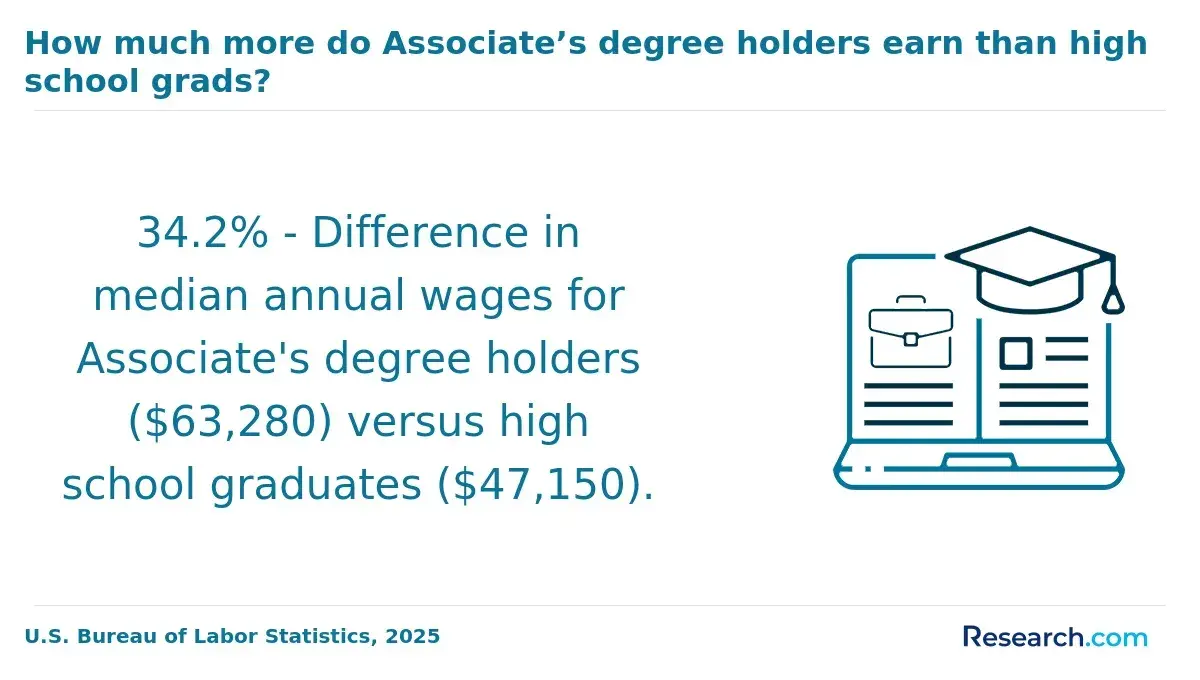
Prospective students must weigh program accreditation, faculty expertise, and experiential learning opportunities. Success in online formats demands disciplined self-management and comfort with risk simulations and real-world project engagement-factors that filter out less committed candidates. Graduates with this degree earn a median wage around $69,000, significantly surpassing the $52,000 typical of high school graduates.
For a deeper exploration of advanced options, consider the MBA in entrepreneurship, which extends this foundational knowledge into strategic leadership roles.
How do online entrepreneurship bachelor's programs compare to on-campus degrees for future founders?
Choosing between an online bachelor's in entrepreneurship versus traditional degrees hinges on immediate access to ecosystem resources versus flexible, experience-driven learning paths. Employers increasingly recognize online credentials when coupled with demonstrable ventures, internships, or applied skills like digital marketing and financial modeling. For example, aspiring founders balancing ongoing startups or geographic constraints may find the online format essential for uninterrupted skill development.
However, on-campus programs excel in industries dependent on dense local networks-such as biotech or regional tech hubs-where access to campus incubators, live pitch events, and direct mentorship can accelerate venture traction. The U.S. Bureau of Labor Statistics projects self-employment growth at 9.3% through 2032, almost triple that of wage employment, emphasizing the importance of entrepreneurial agility regardless of degree format.
Given these dynamics, disciplined online students must proactively engage virtual accelerators and local peer networks to offset the isolation of remote study. Aspiring founders should assess their time management and networking capacity rigorously, since on-campus cohorts provide in-person accountability absent in online learning.
- Online degrees require supplementary efforts to build portfolio-worthy business outcomes during the program.
- On-campus attendance ensures tighter networking but demands relocation and full-time commitment.
- The expanding self-employment market rewards adaptive, experience-backed education beyond mere credentials.
Prospective students curious about financial investment might consider programs evaluated in this analysis of affordable options, including those offering an online business administration degree. Balancing ROI with practical entrepreneurial exposure is critical for strategic career pivots in this evolving landscape.
Which online bachelor's in entrepreneurship programs are considered the best for aspiring founders?
Effective bachelor's in entrepreneurship programs prioritize hands-on training over purely theoretical coursework, targeting challenges like capital acquisition, market validation, and scalable growth design. For example, an aspiring founder launching a tech startup benefits more from applied skills-lean startup methods, digital marketing analytics, and intellectual property basics-than from generic management classes. This reflects the practical focus of the best online bachelor's in entrepreneurship programs for aspiring founders, which emphasize experiential learning through incubator partnerships, pitch events, and mentorship from experienced entrepreneurs.
Programs with strong ties to regional innovation hubs amplify networking opportunities and real-world project involvement, increasing early venture traction. Tradeoffs exist between scheduling flexibility and mentorship intensity; asynchronous studies allow working professionals more convenience but can delay critical feedback, while cohort-based synchronous programs improve accountability but restrict availability. Employer expectations now stress demonstrable business outcomes-such as prototype launches and market traction-over traditional academic metrics.
Graduates' immediate employability or venture creation within 12 months is a key evaluation metric. Students should also consider programs offering specialized modules aligned with sectors like green technology or e-commerce to suit individual risk tolerance and market focus. Those comparing online options may find additional insights by reviewing the best AACSB online MBA programs as models of accredited, outcomes-driven education. Selecting among top accredited online entrepreneurship degrees for future business founders requires balancing flexibility, mentorship, and meaningful access to funding channels.
How can you verify accreditation and program quality for an online entrepreneurship degree?
Accreditation is a foundational factor when assessing how to verify accreditation for online entrepreneurship degrees, as it directly affects credit transfer, federal aid, and employer recognition. Regional accreditation from a Department of Education-recognized agency remains the gold standard, and prospective students should consult the official database to confirm institutional status before committing. Program quality for entrepreneurship bachelor's online hinges on curriculum that integrates startup operations, legal frameworks, and finance with experiential learning, reflecting the complex realities of launching new ventures.
Faculty with demonstrable entrepreneurial success or relevant industry leadership are essential to translate theory into actionable skills. Graduate outcome data, including job placement rates and startup launches, provide a pragmatic indicator of program effectiveness and long-term return on educational investment. Programs lacking transparency or measurable student success should be approached cautiously despite lower tuition.
Cost comparisons further illuminate tradeoffs: online entrepreneurship degrees typically average around $42,000 total tuition for four years, compared to $68,000 for comparable in-person programs, which can benefit students prioritizing affordability without sacrificing accreditation and curriculum rigor. However, financial savings may be offset if program quality fails to meet employer expectations or align with career objectives.
Direct steps to ensure due diligence include:
- Verify regional accreditation via the U.S. Department of Education's official database.
- Scrutinize course content for practical entrepreneurship skills and project-based learning.
- Investigate faculty qualifications emphasizing entrepreneurial success and business expertise.
- Request and evaluate graduate employment and startup rates specific to the degree program.
- Compare total costs against these quality indicators to ensure investment aligns with career goals.
For students considering alternatives such as the easiest MBA program to get into, understanding these evaluation criteria aids in making an informed choice suited to one's professional pivot or advancement.
What admission requirements and application materials do online entrepreneurship programs typically expect?
Admission to online entrepreneurship bachelor's programs hinges on more than academic credentials; applicants must show readiness for self-directed, rigorous study often validated through transcripts revealing consistent GPA performance, typically between 2.5 and 3.0 on a 4.0 scale. While standardized tests such as the SAT or ACT are increasingly optional, some programs retain score minimums related to scholarship eligibility rather than admission. This distinction signals a shift toward holistic evaluation but demands applicants meet baseline academic preparedness.
Practical admission requirements frequently include a completed application and a personal statement that outlines entrepreneurial intent and relevant experience. Letters of recommendation-particularly those that confirm leadership or initiative-add competitive weight but are less commonly mandatory. Working professionals and veterans may leverage relevant career or military experience for partial admission credit, broadening pathways beyond traditional academic records.
The reality of online study demands reliable technology access and digital literacy. Candidates who underestimate the time and discipline required often struggle, especially those balancing employment or family obligations. This dynamic affects retention and degree completion rates, making program suitability a critical decision factor for career pivots.
Tuition costs vary widely across programs, ranging from roughly $13,284 to $138,380 in total in-state fees. The financial spectrum impacts applicant pools and viable funding strategies, influencing how quickly students can graduate and enter the workforce prepared for entrepreneurial challenges.
What core courses and specializations are included in an online entrepreneurship curriculum?
Core courses in online entrepreneurship curricula prioritize tangible skills essential for early-stage venture success, such as business strategy, financial accounting, marketing principles, and operations management. Competency in entrepreneurial finance, including funding mechanisms like venture capital and crowdfunding, reflects real-world fundraising challenges faced by startups.
Specializations typically focus on applied expertise that aligns with specific market demands, for example:
- Digital marketing specializations emphasize data-driven customer acquisition, addressing intense competition in tech sectors.
- Social entrepreneurship tracks incorporate scalable solutions that integrate financial viability with social impact - a growing segment within impact investing.
Legal coursework covering intellectual property and contract law is critical for minimizing early legal risks, which remain a common cause of failure among startups. A practical capstone or business plan development component often simulates investor pitching scenarios, reinforcing operational readiness beyond theory.
Labor market data from the U.S. Bureau of Labor Statistics, analyzed by BestColleges, show that business degree holders earn median weekly wages about 65% higher than workers with only a high school diploma. This wage differential translates to improved access to managerial positions where entrepreneurship training is directly applicable.
Prospective students should weigh specializations in relation to their specific industry targets and consider programs emphasizing real-world application to reduce the friction commonly encountered when transitioning into entrepreneurial roles or leadership positions.
How long does it take to complete an online entrepreneurship bachelor's and what does it cost?
Choosing an online bachelor's degree in entrepreneurship involves balancing time, cost, and the demand for practical skills in fast-moving markets. Full-time students typically finish in four years, while accelerated tracks shorten this to two or three years by leveraging transfer credits and continuous enrollment. Part-time learners-often working professionals-face extended timelines of five years or more, which can delay access to salary growth and market opportunities.
Employers prioritize candidates with hands-on experience integrated into their degrees, such as live business projects or internships available through online formats. This practical element often entails additional expenses for tools or memberships beyond tuition. Public in-state tuition averages $8,000 to $15,000 annually; private institutions range $20,000 to $40,000 yearly. Comprehensive costs, including fees and materials, frequently exceed $30,000 and can surpass $100,000.
For example, a tech entrepreneur budgeting $12,000 yearly tuition over four years should expect $48,000 plus $3,000 to $5,000 for related costs. Alternatively, consumer goods entrepreneurs might invest more upfront to accelerate degree completion and reduce time to market.
Key considerations include:
- Choosing between accelerated completion and maintaining work commitments
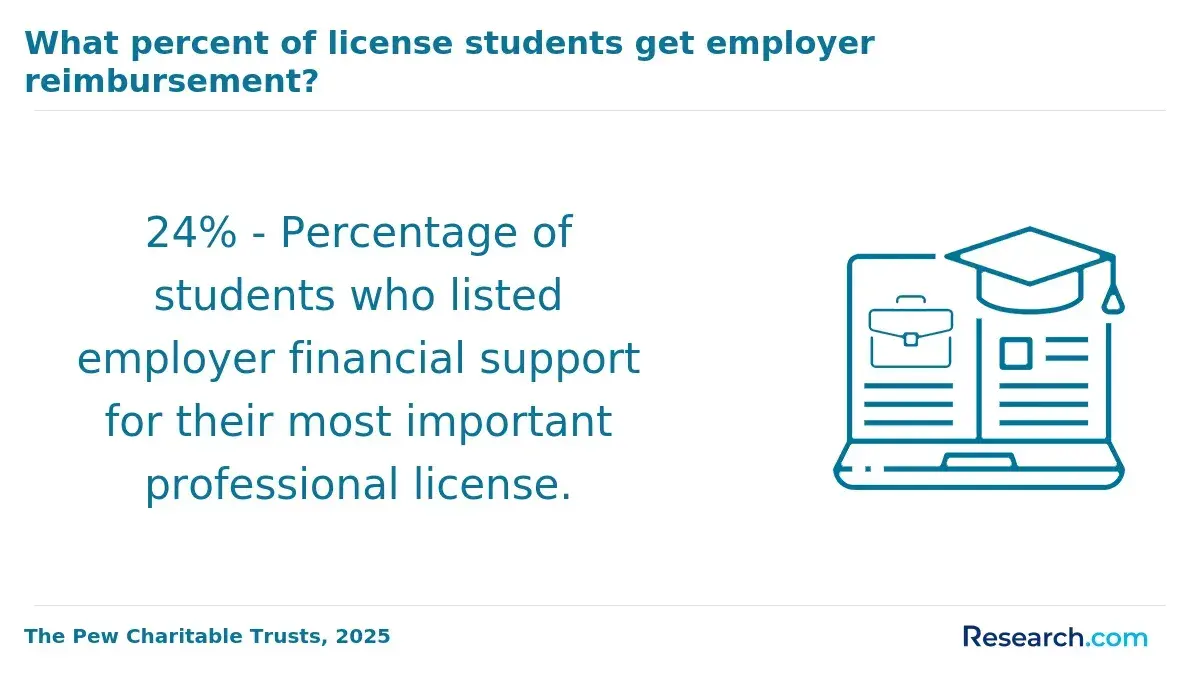
- Evaluating financial aid and employer tuition reimbursement options
- Factoring in ancillary expenses linked to applied coursework and networking
Delays related to part-time study may hinder timely entrepreneurial readiness, whereas faster programs require tradeoffs in available working hours. Students must weigh these variables in light of evolving startup ecosystem demands.
What startup-focused resources and experiential learning opportunities do online programs provide?
Online bachelor's in entrepreneurship programs that prioritize startup readiness must offer more than theoretical knowledge to be valuable in the evolving market. Practical exposure through virtual incubators, mentorships, and live pitch events mimics real-world venture capital scenarios and builds essential founder skills such as market analysis and fundraising tactics. Students engaging in project-based courses often produce business plans and minimum viable products (MVPs), which provide actionable experience employers value.
AACSB-accredited programs-held by fewer than 6% of global business schools-signal quality rigor and stronger industry ties, which translate into practical co-curricular labs and case studies focused on startup challenges rather than abstract theory. For example, a tech entrepreneurship track may require students to complete simulations scaling a SaaS product, managing venture negotiations, and running agile teams remotely. Such tangible exercises are often missing from non-accredited offerings.
Online delivery expands access but creates challenges in replicating informal networking and real-time feedback critical for entrepreneurial resilience. Programs that incorporate synchronous workshops and direct founder mentorship better bridge this gap. Prospective students should assess how internship placements and feedback loops are structured to avoid passive learning experiences that inadequately prepare them for the ambiguity and fast-paced problem solving startups demand.
What careers can you pursue with an online bachelor's in entrepreneurship and where do graduates work?
Choosing an online bachelor's in entrepreneurship requires weighing the realities of varied career paths and the skills most valued by employers. While roles such as business development manager, startup founder, or product manager appear frequently, the success and income in these fields depend heavily on industry context and local markets. For instance, business development roles in metropolitan areas might offer salaries between $70,000 and $90,000, but startup founders face unpredictable earning fluctuations tied to venture outcomes.
Graduates often split between launching independent businesses-commonly in e-commerce or service sectors-and intrapreneurship within established companies, where they drive internal innovation. These paths demand strong applied skills like opportunity assessment, financial literacy, and resource management, which accredited programs emphasize but real-world challenges still test. Common hurdles include securing seed funding, managing cash flow, and navigating regulatory frameworks.
Programs that integrate experiential components such as capstone projects or internships help mitigate these challenges by simulating practical decision-making and building networks. Prospective students should prioritize offerings that embed hands-on learning alongside traditional coursework to improve workforce readiness.
Financial accessibility remains a critical consideration. Data from the NCES Student Financial Aid shows 72% of full-time undergraduates received aid averaging $15,500, reducing upfront costs and influencing return on investment for entrepreneurship degrees.
What salary ranges and job outlook can entrepreneurship graduates expect in today's market?
Entry-level salaries for entrepreneurship graduates typically range between $50,000 and $70,000, varying with industry and location, while mid-career professionals often earn $85,000 to $110,000. Roles such as business analysts, startup consultants, and product managers illustrate how entrepreneurial skill sets intersect with sectors like technology and finance, demanding a blend of leadership and operational proficiency that employers weigh differently depending on company scale and development stage.
Small businesses are a substantial employment engine, engaging 46.4% of the private-sector workforce in the U.S., which broadens opportunities but introduces volatility in demand and growth prospects. Choosing between startup environments and corporate innovation labs involves tradeoffs: startups may offer lower base pay but potential equity upside, whereas corporate roles provide steadier income with limited financial upside.
Successful graduates typically exhibit real-world financial literacy, market analysis acumen, and startup experience-qualities often honed through internships and applied projects rather than theoretical coursework alone. Networking and continual skill development in digital platforms and e-commerce are essential to navigate shifting industry demands and achieve upward mobility.
Understanding these dynamics helps prospective students and professionals assess whether entrepreneurship education aligns with their tolerance for risk, need for financial stability, and long-term goals in evolving economic ecosystems.
Other Things You Should Know About Entrepreneurship
Online entrepreneurship programs vary widely in rigor and practical focus. The most effective programs combine theoretical knowledge with applied projects, mentorship, and access to startup ecosystems. When choosing, prioritize programs with strong experiential learning components and clear connections to industry, as these directly impact your ability to navigate real business risks and uncertainty after graduation.
Online entrepreneurship degrees often offer flexible scheduling but demand disciplined time management due to condensed modules and project deadlines. The workload balances core business concepts with creative problem-solving assignments, requiring significant self-directed effort. Working students should prioritize programs with asynchronous options and clear milestone timelines to avoid burnout and maintain steady progress toward degree completion.
Employer recognition depends less on the degree's format and more on graduated skills and demonstrated outcomes. Startups prioritize practical abilities such as pitching, lean business modeling, and strategic problem-solving over degree prestige. Candidates from online programs that emphasize portfolio-building and real-world projects will have a competitive edge. Focus on programs that integrate networking and live case studies to enhance post-graduation employability.
Yes. Many 2027 online bachelor’s programs in entrepreneurship require a capstone or venture plan, usually in the final term. Students often complete 3 to 6 credits on market research, financial projections, and pitch development, with approval from the business department or program chair.
References
- What do you learn in a bachelor's in entrepreneurship? | edX https://www.edx.org/resources/what-do-you-learn-in-a-bachelors-in-entrepreneurship
- The graduate jobs market is tough right now. An entrepreneurship expert explains how to go it alone https://theconversation.com/the-graduate-jobs-market-is-tough-right-now-an-entrepreneurship-expert-explains-how-to-go-it-alone-276580
- Entrepreneurship: Admission requirements https://www.rotterdamuas.com/programmes/exchange/Entrepreneurship/admission-requirements/
- Why Startups are Great for Project-Based Experiential Learning https://capsource.io/startups/
- What Are The Typical Requirements For Admission to MBA Programs? https://www.bschools.org/faq/what-are-mba-admissions-requirements
- Are Online Degrees Accredited? How to Identify Quality Distance Learning Programs https://www.umassglobal.edu/blog-news/online-degrees-accredited-identify-quality-distance-learning-programs
- Is Your Online Degree Legitimate? How to Verify Private University Approval https://matchtocollege.com/blog/verify-private-university-online-degree-approval
- 5 Excellent Online Courses for Entrepreneurs https://www.liveplan.com/blog/starting/free-online-entrepreneurship-courses
- Youth Entrepreneurship Programming | Future Founders https://www.futurefounders.com/
- Curriculum & Programs | VentureLab https://venturelab.org/curriculum/