2027 Best Online Entrepreneurship Programs for Career Changers Who Want Business Ownership

Co-Founder and Chief Data Scientist
Professionals aiming to transition from stable employment to new business ownership face the urgent challenge of finding flexible, comprehensive entrepreneurship programs that balance skill acquisition with real-world application. The National Center for Education Statistics reports a 15% rise since 2022 in adult enrollment in online business courses, signaling growing demand for adaptable learning schedules amid work and family commitments. This reflects a broader pattern: prospective career changers prioritize programs offering immediate, practical frameworks over purely theoretical curricula to mitigate risks inherent in launching ventures.
This article evaluates top online entrepreneurship programs designed to align with these critical practical and scheduling demands, assisting readers in making strategic education decisions for successful business ownership.
Key Things You Should Know
- Nearly 40% of career changers in entrepreneurship programs cite access to real-world funding networks as critical, yet inflexible cohort-based curriculums limit startup launch timing and increase opportunity costs, per 2024 Kauffman Foundation data.
- Employers increasingly expect entrepreneurship program alumni to demonstrate measurable business growth skills; 62% of startups led by recent grads fail within two years when lacking applied financial literacy training, based on SBA reports.
- Average program costs surged 15% from 2023, disproportionately impacting mid-career professionals without employer sponsorship, forcing tradeoffs between accelerated, expensive certificates and longer, more affordable degrees, as highlighted by NCES 2024 statistics.
What makes an online entrepreneurship program a good fit for career changers seeking business ownership?
Programs designed for career changers pursuing business ownership must balance deep practical skills with adaptability to industry shifts. Those lacking startup experience face a steep learning curve that programs addressing business planning, financial literacy, and regulatory frameworks help mitigate. For example, a professional transitioning from corporate finance to e-commerce entrepreneurship must quickly master digital marketing analytics and customer acquisition strategies-skills emphasized through case studies and applied tools in such curricula. This focus is especially relevant within the best online entrepreneurship courses for transitioning professionals in the US, where real-world application accelerates operational readiness.
Effective programs also integrate mentorship and peer collaboration, replicating resource-building conditions typical of early ventures. Legal knowledge and credit management training are often underappreciated but essential, as entrepreneurs must navigate loan negotiations and investor relations without prior ownership background. Programs that overemphasize theory at the expense of project-based assessments risk producing graduates unprepared for rapid, resource-constrained decision-making in competitive markets.
The pacing and delivery model significantly affect career changers juggling income and study. As small business environments evolve swiftly, programs offering asynchronous learning and just-in-time content improve skill adaptability and market responsiveness. Exploring accelerated pathways like an accelerated online business degree can reduce time to competency while maintaining necessary rigor for entrepreneurial success.
How do online entrepreneurship degrees compare with campus programs for future business owners?
Online entrepreneurship degrees deliver essential theoretical knowledge similar to campus programs but diverge sharply in practical immersion and networking, a critical factor for small business owners. Campus degrees embed hands-on mentorship, real-time peer feedback, and local market engagement-elements often missing in online formats. For entrepreneurs in retail or hospitality sectors, this lack of local client interaction can limit preparedness for tangible market challenges. This is a key tradeoff when comparing online entrepreneurship degree vs campus programs for business owners.
However, online pathways prioritize flexibility, accommodating career changers balancing current jobs and offering exposure to broader, sometimes global, expertise. This flexibility favors entrepreneurs targeting digital or geographically unbound service markets. Yet, asynchronous learning and limited synchronous mentorship slow skill application, a drawback for startups requiring quick iterations. Employers and investors often value campus degrees more for their experiential rigor, including access to incubators and pitch competitions, though virtual incubators are beginning to bridge some gaps.
The U.S. Bureau of Labor Statistics forecasts a 7.9% rise in self-employment through 2032, outpacing overall employment growth, reinforcing that programs with practical business setup training hold greater value for prospective entrepreneurs. For those prioritizing immediate hands-on experience, campus options or online programs with strong local partnerships remain preferable. Prospective students seeking cost-effective options might explore the cheapest online MBA programs as potential alternatives.
Flexibility and outcomes of online entrepreneurship education for future entrepreneurs demand scrutiny beyond convenience, weighing employer expectations, market readiness, and the nuances of practical experience.
Which types of online entrepreneurship credentials are best for career changers?
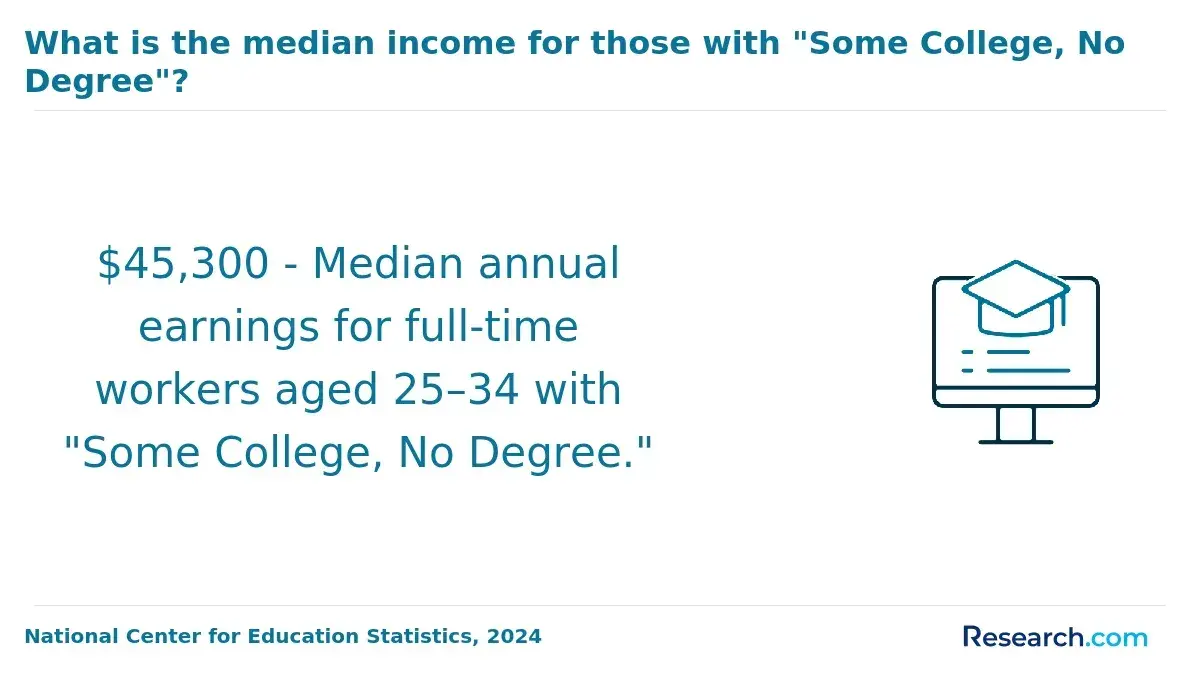
Focused credentials in entrepreneurship for career changers must navigate the tension between speed to market and comprehensive skill-building. Bachelor's degrees consistently yield higher median wages-around $65,000-compared to broader business majors and offer critical access to alumni networks and employer pipelines. This advantage matters for those targeting leadership or scalable ventures across industries. In contrast, online entrepreneurship certification programs for career changers that emphasize experiential elements like market validation and funding strategies provide faster, more targeted entry but rarely influence salary or managerial prospects substantially.
Career changers should recognize these tradeoffs: certificates fit professionals leveraging existing domain expertise-such as healthcare providers launching private practices or engineers creating tech startups-while degrees supply foundational knowledge in finance, marketing, and operations. Graduate options, including master's degrees and MBA programs with entrepreneurial concentrations, deliver advanced innovation and funding skills but typically require prior work experience and significant time and financial commitment. Those balancing cost against impact might explore online MBA programs under 30k for a rigorous yet more accessible pathway.
Practical evaluation steps include investigating program outcomes like graduate employment rates or founder success stories and assessing industry credential expectations. Combining a bachelor's with targeted certificates or boot camps remains an effective strategy to optimize skills and business ownership readiness.
The best virtual entrepreneurship credentials for aspiring business owners therefore align educational investments with realistic career pivots and industry demands, rather than relying on generic credential signals.
What accreditation and quality indicators should you require from an online entrepreneurship program?
Regional accreditation recognized by the U.S. Department of Education or the Council for Higher Education Accreditation remains the foremost benchmark when assessing accredited online entrepreneurship programs for career changers. This ensures foundational academic quality and credential transferability. Programs with additional business-specific accreditation from bodies like AACSB, ACBSP, or IACBE signal deeper alignment with industry demands, which is pivotal in entrepreneurial hiring decisions. Candidates should demand evidence of measurable outcomes beyond accreditation, including at least 70% job placement in entrepreneurial roles within a year of graduation and alumni ventures' success rates.
Quality benchmarks for online entrepreneurship education also emphasize experiential learning-such as startup incubators or market analysis projects-over purely theoretical coursework. These practical components enable graduates to transition smoothly into competitive sectors like technology or retail, where real-world business application matters more than generic business theory. Programs must balance cost against value; the average annual net price for online bachelor's business programs is $10,473, significantly more accessible than on-campus alternatives priced around $19,000, affecting ROI especially for those without steady income.
Flexible pacing and integrated career services with strong entrepreneurial networks are indispensable. Alumni mentorship and access to startup funding can differentiate programs, particularly for sector-specific entrepreneurship in fields requiring regulatory knowledge. Students exploring alternatives might also consider a construction management degree online accredited as a parallel pathway emphasizing project-driven entrepreneurship skills.
What do you learn in an online entrepreneurship curriculum focused on launching and growing a business?
Programs centered on entrepreneurship prioritize actionable skills over theoretical knowledge, tailoring curricula to real-world demands faced by working professionals balancing full-time jobs-56% per a 2024 edX survey. Effective business planning combines competitive analysis and financial modeling to secure investor funding and guide daily operations. This foundational skill set proves especially valuable in volatile startup environments where cash flow management and basic accounting prevent early-stage insolvency.
Curricula incorporate legal and regulatory training specific to industry context-whether navigating health regulations for a boutique bakery or contract law for freelance consultants-reflecting significant variation in compliance burdens. Workforce expectations extend beyond solo ventures, so leadership and human resource management modules emphasize strategic recruitment and culture-building, preparing entrepreneurs for scalable growth.
Most learners select flexible, asynchronous formats paired with live workshops, addressing time constraints while enabling practice of client acquisition techniques such as negotiation and sales. Advanced instruction covers funding mechanisms-venture capital or crowdfunding-prioritizing pitch development and investor engagement as essential survival skills.
- Business plans must integrate market research with financial risk assessment to attract and manage funding.
- Curricular flexibility suits working adults handling multiple responsibilities simultaneously.
- Legal and HR training reflects tangible employer needs in startup scalability.
- Digital marketing tactics vary by sector-SEO for e-commerce, lead generation for B2B-and affect customer acquisition success rates.
These integrated competencies enable learners to translate concepts into executable models, balancing growth opportunities with risk mitigation essential for sustainable entrepreneurship.
What are typical admission requirements for online entrepreneurship programs designed for working adults?
Admission criteria for online entrepreneurship programs aimed at working professionals prioritize demonstrated professional experience and practical capabilities over formal academic records. Applicants generally must have two to five years of relevant work experience, ideally showcasing leadership, project oversight, or active roles in business management. This experience-based requirement aligns with real-world employer expectations and allows candidates to integrate current professional challenges into their studies.
Key application materials include a detailed professional resume and a statement of purpose that clearly articulates business ownership aims or startup concepts. Programs centered on business ownership place more weight on these narratives than on standardized test results. Some require letters of recommendation verifying leadership potential and work ethic from supervisors or colleagues.
Academic prerequisites tend to be flexible; while a bachelor's degree is preferred, it is not mandatory, especially when programs target mid-career professionals shifting industries. Instead, relevant skills such as financial literacy or marketing basics may be assessed through interviews or short evaluations.
For instance, a healthcare professional planning to establish a private practice encounters admission standards focusing on verifiable industry experience and a robust business plan that ensures alignment with entrepreneurial goals. This domain-specific emphasis helps direct coursework toward practical application.
Moreover, outcomes data from Y Combinator's 2024 Startup School demonstrate that participants actively engaged with mentors and who completed the full curriculum are significantly more likely to achieve revenue or funding milestones, illustrating that sustained practical effort within the program has tangible effects on entrepreneurial success.
Meeting these admission requirements also grants access to valuable mentorship networks and peer connections, critical factors in transforming education into real-world business growth and capital acquisition.
How long do online entrepreneurship programs take and what do they typically cost?
Choosing an online entrepreneurship program involves balancing time investment against tangible career benefits, especially for individuals managing work or family obligations. Programs lasting 3 to 6 months typically cover foundational topics like business planning, marketing, and finance, suitable for those aiming for quick practical application. In contrast, extended 9 to 12 month diplomas include advanced concepts such as scaling operations and leadership, which align better with roles demanding deeper strategic skills and often offer better employer recognition due to comprehensive project components.
Cost variation is significant, ranging from $300 to $1,500 for basic certificates to $2,000-$7,000 for university-affiliated diplomas. While longer programs may demand greater upfront spending and time, they may also enhance employability by embedding verifiable, career-relevant experiences favored by hiring managers. This investment tradeoff is critical for career switchers looking to pivot efficiently without sacrificing potential job market advantage.
Real-world decision-making often hinges on immediate needs and long-term goals: a retail business hopeful might prioritize shorter tracks for swift execution, whereas an aspiring tech founder could justify higher costs for mentorship-rich, investor-prep training. Flexible pacing expands access but can dilute momentum, extending the path to credential completion.
Enrollment trends show growing demand for career-focused certificates, reflecting the market's increasing acceptance of online credentials as valid tools in entrepreneurship pathways, provided students align program choices with their professional timelines and financial constraints.
What career paths and business ownership options can an online entrepreneurship degree support?
Online entrepreneurship degrees extend beyond launching startups; they equip professionals to navigate complex roles such as corporate innovation leads, freelance consultants, and social enterprise directors. For example, a professional transitioning from corporate finance to fintech app development gains targeted expertise in lean startup methods and venture capital-a distinct advantage in securing early funding and scaling efficiently.
Such programs also prepare individuals for ownership in established small businesses, including franchises and retail operations, emphasizing financial modeling, marketing strategy, and regulatory compliance. These skills are critical to managing cash flow and operational challenges that new owners face. However, students must weigh the academic rigor against current job demands and recognize that industry volatility affects success rates-healthcare innovation entrepreneurship, for instance, requires different resilience and knowledge than retail startups.
Employers increasingly seek graduates who demonstrate strategic thinking and adaptability, often placing them in intrapreneurship roles that drive internal growth initiatives. With 69% of online MBA students reporting enhanced side-business activity, the degree supports diversified income beyond traditional employment.
Key practical competencies include legal entity formation, intellectual property protection, and capital sourcing to mitigate costly startup errors. Prospective candidates should carefully examine program curricula for sector-specific depth and applied learning opportunities like incubators or pitch competitions to ensure alignment with their entrepreneurial objectives.
What income potential and financial risks should new entrepreneurs consider when changing careers?
Choosing entrepreneurship as a career pivot demands close attention to the practical risks inherent in startup ventures, especially financial strain before profitability. Cash flow instability and initial losses frequently extend six to twelve months beyond launch, contingent on whether the business model centers on services or products. Service-focused enterprises often require minimal capital but experience slower client growth, while product businesses entail upfront costs for inventory and manufacturing.
Personal finances face significant stress during this period. Founders without backup income or savings risk compounding debt and credit challenges, which traditional lenders exacerbate by valuing collateral and credit scores highly. Dual-income households may better absorb income volatility, unlike single-income founders who must budget meticulously for irregular expenses like taxes, insurance, and restocking.
Pragmatic planning includes setting clear minimum revenue targets to sustain essential living costs and crafting contingency strategies for lean cash flow periods. Data from programs like Goldman Sachs 10,000 Women, showing 40% revenue growth and 60% employment increase within 18 months, provide realistic benchmarks for evaluating program outcomes and expected entrepreneurial scaling.
Key considerations for prospective entrepreneurs involve balancing risk tolerance with financial buffer capacity, choosing education that demonstrably improves income prospects, and preparing for operational cash-flow variability typical in early-stage ventures.
How can you evaluate and compare online entrepreneurship programs to choose a reputable option?
Programs in entrepreneurship must align with industry realities that increasingly demand fluency in AI, no-code platforms, and digital business tools. Enrollment trends on edX and Coursera show a roughly 60% surge in courses combining these elements between 2023 and 2024, signaling their non-negotiable role for career changers targeting business ownership. For instance, a retail professional pivoting to launch an e-commerce venture should focus on programs with explicit deliverables like business plan creation and digital marketing competencies rather than abstract theoretical models.
Beyond curriculum, the credibility of faculty and their entrepreneurial networks affect practical outcomes. Instructors with verified startup experience enhance access to mentorship and real-world funding insights. Prospective students should seek programs that share verifiable outcomes such as graduate venture launches or employment rates, while remaining cautious of those with opaque success reporting or anecdotal claims.
Deciding between asynchronous and live cohort formats involves weighing flexibility against opportunities for peer interaction and investor connections. Asynchronous learning suits working professionals with time constraints but may limit the formation of strategic partnerships essential for funding. Conversely, live cohorts offer immediate feedback and networking but require strict scheduling adherence.
Finally, credential recognition varies by region and sector; traditional university affiliations may carry weight in some ecosystems, while cutting-edge incubators emphasizing rapid no-code and AI application might better support scaling ventures. Aligning program choice with the intended entrepreneurial landscape ensures practical value and stronger return on investment.
Other Things You Should Know About Entrepreneurship
Yes. Many 2027 online entrepreneurship programs end with a capstone that includes a business plan, pitch deck, or venture proposal. Common requirements include market analysis, financial projections, and a 10–15 minute presentation to faculty or external reviewers.
Entrepreneurship programs can add credibility, but investors and lenders focus mainly on your business plan, market research, and proven traction rather than your education. Programs that integrate pitching experience, financial modeling, and networking with potential capital sources provide real value here. If raising external funding is a goal, select programs known for connecting students to startup ecosystems instead of those emphasizing only academic content.
Online entrepreneurship courses vary widely in workload but expect demanding projects requiring strategic thinking, business model development, and regular peer collaboration. Programs designed specifically for working professionals balance synchronous sessions with self-paced work but still require 10-15 hours per week for meaningful progress. Choose programs with flexible deadlines and modular learning to avoid burnout and ensure sustained engagement alongside employment.
Career changers benefit most from programs that balance startup-specific skills with broader business management fundamentals. Focusing solely on lean startup tactics risks overlooking critical areas like operations, leadership, legal frameworks, and financial controls that impact long-term business viability. Programs offering comprehensive curricula equip students to adapt as their ventures grow and navigate inevitable shifts in market conditions and organizational complexity.
References
- Entrepreneurship and Financial Risk: What You Need to Know - Choice Bank https://bankwithchoice.com/wealth-blog/entrepreneurship-and-financial-risk-what-you-need-to-know/
- Learn Business Online: Top Courses to Consider https://www.sophia.org/blog/courses-development/learn-business-online-top-courses/
- Call for applications: Online Social Entrepreneurship Course - ERUA https://erua-eui.eu/2025/02/10/call-for-applications-online-social-entrepreneurship-course/
- Choosing the Right Business: Starting Your Business https://www.scu.edu/mobi/business-courses/starting-a-business/choosing-the-right-business/
- Kick Off in Business – business start-up and self employment online courses https://www.gov.uk/business-finance-support/kick-off-in-business-business-start-up-workshops
- Entrepreneurship Major https://www.kozminski.edu.pl/en/entrepreneurship-major
- Turn ideas into impact – Learn entrepreneurship online https://www.edx.org/learn/entrepreneurship
- Do You Need a Business Degree to Start a Business? What Entrepreneurs Should Know https://campus.edu/blog/business/business-degree-for-entrepreneurs
- EIT Label Accreditation for Healthcare Education | EIT Health https://eithealth.eu/what-we-do/education/eit-label-accreditation/
- Accreditation and membership | Business Institut https://www.businessinstitut.eu/accreditation-membership