2027 Best Online Entrepreneurship Degrees for Self-Employment Paths

Co-Founder and Chief Data Scientist
Balancing the need to acquire actionable business skills with unpredictable work hours and financial constraints challenges many aspiring entrepreneurs aiming for self-employment. The U.S. Department of Education reports that over 40% of online students are adult learners juggling family and jobs, illuminating how flexibility can dictate program viability. This trend underscores a shift from traditional campus-based degrees to hybrid or fully online options that accommodate diverse schedules while maintaining rigor.
However, not all programs equally prepare students for launching sustainable ventures or adapting to evolving market demands. This article evaluates top online entrepreneurship degrees designed for self-employment, focusing on their flexibility, practical outcomes, and alignment with market realities to aid informed enrollment decisions.
Key Things You Should Know
- Programs with a strong experiential focus yield 22% higher venture survival rates, but often require 18-24 months, potentially delaying immediate income streams for self-employed students, influencing timing tradeoffs significantly.
- Employers in startup ecosystems prioritize candidates with demonstrated applied skills and real-world projects, reflected in 57% of hiring managers valuing portfolios over credentials in 2024 workforce surveys.
- Degree costs exceeding $40K correlate with diminishing ROI within five years, pressuring candidates to balance upfront investment against long-term business scalability in Entrepreneurship paths.
What is an online entrepreneurship degree and how can it support self-employment goals?
Choosing an online entrepreneurship degree requires weighing practical outcomes against inherent challenges of virtual study. While these programs equip students with skills in business creation, funding acquisition, and digital marketing tailored for launching self-owned companies, the lack of spontaneous networking opportunities means students must actively pursue mentorship and real-world projects to meet employer and investor expectations. For instance, a freelance graphic designer completing such a degree gains client acquisition and contract negotiation skills that enhance income stability beyond creative talent alone-illustrating how an online entrepreneurship degree supports business ownership through applied expertise.
Cost is a critical factor: tuition and fees for online business bachelor's degrees average around $42,000, significantly less than the $68,000 typically required for in-person equivalents. This difference is meaningful for self-employment aspirants balancing education expenses with upfront business investment and uncertain early revenues.
Flexibility in pacing allows concurrent business operation or employment, reducing opportunity costs. However, students should prioritize programs emphasizing practical components-business planning, finance workshops, and entrepreneurial law-to translate theory into viable ventures and mitigate risks from financial mismanagement or regulatory noncompliance.
Students curious about accelerated paths might explore options like the shortest MBA program to supplement their entrepreneurial skillset efficiently.
Prioritizing an online entrepreneurship degree benefits for self-employment involves recognizing that academic knowledge alone is insufficient without demonstrable project outcomes, essential for early-stage ventures to secure client trust and investment.
How do online entrepreneurship degrees compare with on-campus programs for flexibility and outcomes?
Online entrepreneurship degree flexibility compared to on-campus programs offers critical operational advantages for self-employed individuals managing unpredictable work schedules. Unlike traditional campuses, where fixed class times and commuting disrupt client engagements and networking, online programs deliver asynchronous access to coursework, accommodating solopreneurs and freelance business owners balancing immediate market demands.
The gap in outcomes of online versus traditional entrepreneurship degrees is closing as digital tools improve and curriculums align more closely with business realities. Nevertheless, on-campus programs retain an edge in face-to-face mentorship and embedded connections within local entrepreneurial networks-assets particularly valuable for founders needing investor relationships or regional collaboration.
Data from the U.S. Small Business Administration Office of Advocacy shows about 43% of self-employed workers consider a bachelor's degree very important for business success versus 29% who do not. This underscores that educational attainment correlates strongly with entrepreneurial outcomes regardless of delivery mode, but prospective students must evaluate convenience against the depth of experiential engagement. For example, a solo online retailer might capitalize on immediate application of digital learning, while a startup founder might prioritize immersive campus resources.
Employers condition acceptance of online degrees on accreditation and experiential intensity, including virtual incubators and project-based courses. Students can research affordability and program options via resources like the online business degree listings to ensure alignment with their current business obligations and industry expectations.
Which accredited schools offer the best online entrepreneurship degrees for aspiring founders?
Employers increasingly prioritize graduates from programs that combine accredited curricula with practical, experiential learning in entrepreneurship. Accredited schools offering the best online entrepreneurship degrees from accredited schools, such as Arizona State University, University of Florida, and Northeastern University, integrate real-world startup coaching through incubators or live case studies. This approach minimizes costly trial-and-error phases for new ventures and enhances the hiring signal compared to certificate programs lacking depth or transferability.
Aspiring entrepreneurs should weigh factors beyond tuition, with average annual costs near $10,473 and net prices closer to $5,918 after aid, according to NCES data cited by BestColleges. These prices reflect a balance between financial feasibility and access to comprehensive entrepreneurship education, which generally aligns with business, management, or marketing paths.
Consider a student aiming to launch a tech startup: Northeastern's focus on digital innovation and venture funding connects academic frameworks with Silicon Valley networks. Conversely, those pursuing family business succession might prefer the leadership and sustainable growth models emphasized by Florida's offerings. This nuance is crucial when evaluating top accredited universities offering online entrepreneurship programs that fit specific career intentions.
Finally, delivery flexibility, mentorship, and alumni networks significantly impact long-term value. Students seeking proven programs under $30k annually may also explore related offerings such as the best MBA programs online, which complement entrepreneurial skills with broader business acumen.
What accreditation and quality standards should online entrepreneurship programs meet?
Regional accreditation recognized by U.S. Department of Education or the Council for Higher Education Accreditation is non-negotiable for online entrepreneurship programs aiming to deliver academic rigor and access to federal aid. Beyond baseline accreditation, quality standards for online entrepreneurship education demand endorsements from specialized business education bodies, such as the Accreditation Council for Business Schools and Programs, to guarantee curricula align with the skills entrepreneurs actually need. Programs without these credentials frequently fall short in equipping graduates with applicable, competitive competencies for self-employment.
Curriculum evaluation should prioritize practical integration-projects, real-world business planning, and mentorship or incubator access. For instance, a graduate launching a digital marketing consultancy must develop hands-on experience in client acquisition strategies, financial projections, and regulatory compliance, areas often neglected in theory-heavy courses. Absence of these practical elements can undermine a graduate's ability to sustain and grow a business despite academic achievement.
Employers increasingly measure program value by tangible outcomes like business launch rates, revenue generation, and intellectual property development. This aligns with labor market data forecasting an 8.6% growth in self-employed incorporated workers from 2024 to 2034-double the overall employment increase-highlighting the strategic importance of verifying transparent outcome data and career support targeted at entrepreneurial trajectories.
Additionally, effective online delivery must provide synchronous interaction, robust practical exercises, and timely feedback to prevent delays in critical problem-solving skills, especially in volatile fields like technology startups or service industries. Choosing rigorously accredited programs with practice-intensive, outcome-driven structures is essential for translating education into sustainable self-employment success. Those interested might also consider options such as a fast track construction management degree as an alternate pathway requiring a similarly rigorous evaluation.
What courses and specializations are typically included in an online entrepreneurship curriculum?
Entrepreneurship curricula prioritize foundational business skills but must be evaluated for their alignment with the diverse realities of self-employment and startup viability. Core courses in business planning, marketing, financial accounting, and legal compliance serve as essential groundwork, yet the practical challenges of securing customers and managing cash flow demand specialized training beyond the basics.
Real-world application varies by sector: a freelance graphic designer may focus on brand development and client acquisition, while a tech startup founder needs to master product development cycles and scaling tactics. Programs that integrate case studies on market volatility and failure analysis help sharpen decision-making around resource allocation, risk assessment, and sustainable growth strategies.
Key skill areas include:
- Operational logistics such as tax compliance, intellectual property, and contractual negotiations
- Financial management emphasizing cash flow and investor pitching
- Market research to identify viable niches with defined customer bases
- Digital marketing and e-commerce methods for driving online sales and retention
Workforce data from the U.S. Census Bureau shows self-employed individuals holding bachelor's degrees earn substantially more than those without, indicating tangible returns on focused entrepreneurship education. However, students must weigh upfront educational investments against the uncertain timeline of profitability and the demands of volatile markets. Understanding these tradeoffs and tailoring educational choices to specific entrepreneurial goals is critical for informed, strategic career planning.
What are the admission requirements for online entrepreneurship bachelor's and master's programs?
Admission criteria for online entrepreneurship bachelor's and master's programs demand more than basic academic credentials; they reflect the practical expectations of employers and the challenges of applying theory to real-world business contexts. Bachelor's applicants generally must present a high school diploma with a GPA around 2.5 to 3.0, and while standardized tests like the SAT or ACT are sometimes required, many programs waive these for online students. Master's applicants face stricter academic thresholds, including a bachelor's degree often in business or related fields, a minimum GPA near 3.0, and sometimes GRE or GMAT scores-though professional experience can substitute for test requirements.
The emphasis on professional readiness surfaces in requests for personal statements, resumes, and letters of recommendation that illustrate entrepreneurial experience or leadership. For example, candidates with startup involvement typically have competitive advantages over those lacking direct business exposure. This alignment between documented experience and admissions expectations matters because it signals the ability to handle graduate-level coursework combining quantitative business fundamentals with innovation challenges.
Programs like Southern New Hampshire University demand entrepreneurship coursework representing about 12.5% of the bachelor's curriculum credit load, reflecting the balance of theory and application that admission panels evaluate. Missing key documents or clear career focus often leads to rejection, underscoring the need for applicants to present cohesive, targeted applications.
- Bachelor's: high school diploma, GPA ~2.5-3.0, test-optional policies
- Master's: accredited bachelor's degree, GPA ~3.0, GRE/GMAT or waivers for experience
- Admissions require entrepreneurial statements, recommendations, and resumes demonstrating relevant skills
How long do online entrepreneurship degrees take and what do they cost?
Completing an online entrepreneurship degree as a full-time student typically spans four years, mirroring traditional timelines, though accelerated or transfer-friendly programs can shorten this to three years. Part-time learners balancing full-time jobs should expect five to six years due to scheduling constraints. Most online bachelor's degrees in entrepreneurship fall under the Bachelor of Business Administration (BBA) classification, which emphasizes management, finance, and marketing alongside core entrepreneurial principles.
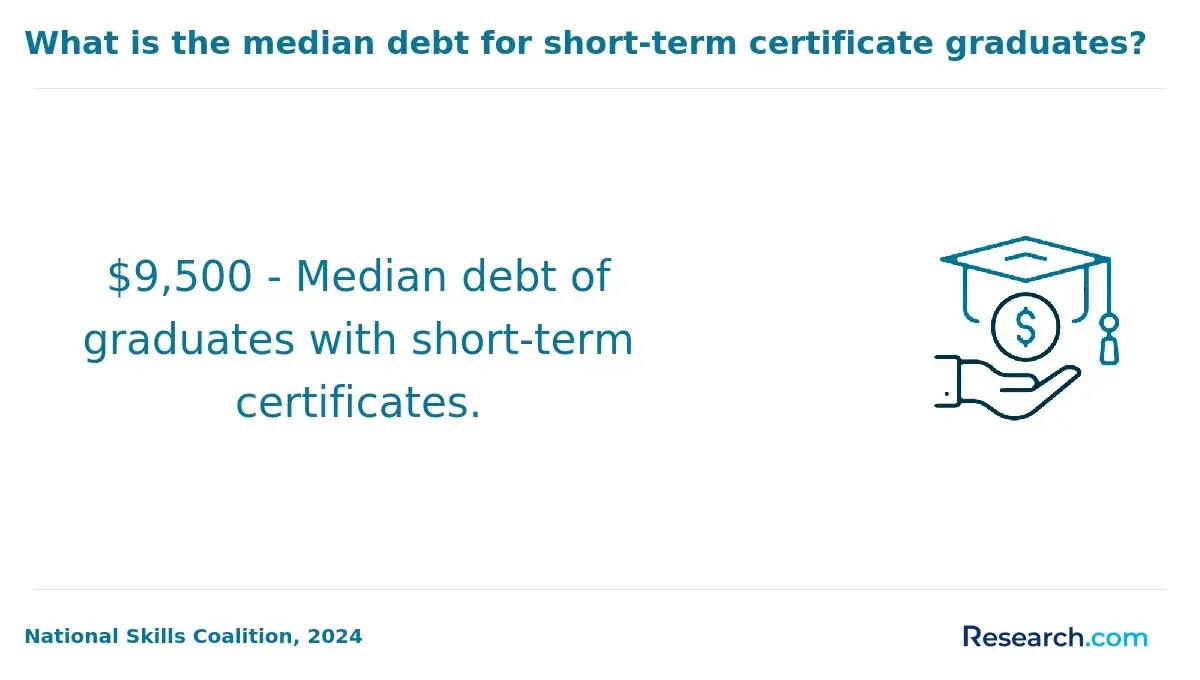
Tuition costs range broadly: public institutions charge between $15,000 and $50,000 total, while private schools frequently exceed $60,000. Shorter certificate programs cost roughly $1,000 to $5,000 but usually lack depth and hold less weight with employers, limiting their utility for significant career pivots or scalable ventures.
Practical decision-making depends on the targeted business model. For example, a professional aiming to found a tech startup should consider programs that emphasize experiential learning and strategic innovation, accepting longer study durations for stronger industry credibility. In contrast, a service business owner benefits more from quicker certificate courses centered on applied fundamentals for immediate implementation. Candidates must also realistically budget for tuition plus potential income loss during study to avoid disruptions that might hinder program completion.
What self-employment and startup career paths can you pursue with this degree?
Graduates from online entrepreneurship programs enter self-employment with practical skills targeting startup creation, small business management, or consulting. For example, one aiming to launch an e-commerce brand must integrate market analysis, lean startup principles, and digital marketing tactics to reduce early financial risks-an emphasis common in accredited curricula.
Success beyond freelancing hinges on navigating capital acquisition, legal structures, and client development. Programs that include funding strategies, compliance, and sales funnel design prepare students for sustainable venture growth rather than casual side gigs. Career trajectories often extend to business coaching or innovation consultancy, utilizing coursework in organizational growth and strategic planning to advise startups or intrapreneurial teams.
Cost considerations reveal a roughly 27% tuition advantage at public versus private institutions, enabling more budget space for operational startup expenses or specialized electives aligned with sectors such as tech or retail, where entrepreneurial demands and network effects vary significantly. This tradeoff affects return on investment based on individual goals and industry context.
Entrepreneurship graduates gain critical tools to manage volatile income streams, emphasizing adaptive business models and financial literacy as necessary for long-term viability in independent ventures or consulting roles.
- Program focus on applied financing and compliance offers advantages in building scalable businesses over informal freelancing.
- Public institutions generally afford better cost-to-value ratios for entrepreneurship degrees, especially where elective depth matches career targets.
- Real-world preparedness depends on curriculum alignment with the specific entrepreneurial sector and access to practical networks.
How much can graduates with online entrepreneurship degrees expect to earn?
Entrepreneurship degree holders face a wide range of income outcomes shaped by industry focus and business model scalability rather than credentials alone. Median earnings within five years often fall between $50,000 and $90,000, with graduates entering tech startups or digital marketing generally earning closer to the upper end due to high scalability and demand. Conversely, ventures in retail or hospitality show lower starting incomes near $50,000 to $60,000 because of operational costs and tighter margins.
Employers and investors prioritize demonstrated business outcomes such as revenue growth and problem-solving ability over formal degrees, making hands-on experience critical. Those relying on freelance or consultancy routes encounter income volatility typically between $40,000 and $80,000, highlighting the income instability inherent in self-employment.
The rise in certificates and bootcamps-like those from Harvard and similar institutions-reflects a shift toward accelerated skill acquisition that can reduce time-to-market but may lack the comprehensive management training and network benefits of full online degrees. Practical application of skills to real-world challenges and creating viable business models are decisive factors for income realization and long-term sustainability.
Key considerations for prospective students include:
- Tradeoffs between quick skill credentials versus broader degree programs
- Importance of scalability and validated revenue streams in employer expectations
- Differences in income potential by industry sector and business model type
How can prospective students choose a reputable online entrepreneurship program that fits their goals?
Selecting an online entrepreneurship program demands weighing tangible outcomes over surface-level features. Regional accreditation remains the baseline requirement to satisfy employers, while specialized accreditation in business or entrepreneurship signals deeper pedagogical rigor. Course content must balance essential business fundamentals with applied skills like digital marketing and startup operations, ideally reinforced by experiential learning such as capstones or incubators that simulate real-world venture challenges.
Industry specificity matters: technology-focused entrepreneurs require competencies in product development and venture financing, whereas founders in retail or services gain more from customer engagement and supply chain management. Programs that offer flexible electives tailored to these niches improve alignment with career goals and increase practical applicability.
Graduation outcomes provide meaningful metrics; for example, BestColleges' 2024 Online Education Trends Report reveals that 19% of online business and entrepreneurship bachelor's students intend to start a business within a year of graduating versus 11% of on-campus counterparts. Yet, students must scrutinize retention rates, average time-to-degree, and available post-graduate support to avoid extended costs and opportunity loss.
A mid-career professional aiming to launch a tech startup should prioritize programs integrating venture capital case studies and agile approach modules rather than generic curricula, even if tuition is higher. Aligning program schedules with personal commitments is necessary to maintain momentum and avoid sunk cost delays in a competitive entrepreneurial landscape.
Other Things You Should Know About Entrepreneurship
Many online entrepreneurship degrees emphasize theory and case studies, but program rigor varies widely. Prospective students should prioritize curricula with applied projects, mentorship, and access to real-world business simulations, as these components better replicate startup demands. Without practical elements, graduates may struggle with the unpredictable workload and rapid decision-making essential for launching and scaling a venture.
Entrepreneurship degrees often require intensive time investment beyond coursework, including networking, developing business plans, and iterative project work. Online programs must structure these demands carefully to avoid student burnout, especially for working professionals. When choosing a program, prioritize those with clear expectations and support systems that balance hands-on experience with manageable workload pacing.
Most programs require a 10 to 20 page business plan, a financial projection sheet, and a final pitch deck. Common grading criteria include market analysis, startup costs, revenue forecasts, and a 3 to 5 minute investor presentation before faculty or external reviewers.
References
- How to Become Self-Employed After Studying Abroad https://www.hotcoursesabroad.com/study-abroad-info/career-prospects/your-guide-to-entrepreneurship/
- How To Become Self Employed: A Step-by-Step Guide for Beginners https://nextgenlearning.org.uk/how-to-become-self-employed-a-step-by-step-guide-for-beginners/
- How to Start Your Online Training Programs: A Comprehensive Guide https://aaa-accreditation.org/how-to-start-your-training-center-a-comprehensive-guide/
- Accreditation processes for technical programs https://edquip.co/blog/accreditation-processes-for-technical-programs
- Online MBA vs Traditional MBA: What are the differences? | StudyNext Australia https://studynext.com/au/resources/online-mba-vs-on-campus-mba
- Entrepreneurship | Duties, Job Skills, and Career Paths | edX https://www.edx.org/resources/is-a-masters-in-entrepreneurship-worth-it
- OSE in Africa — Entrepreneurial Ecosystem Intelligence https://www.ose.africa/accreditation
- 26 Top Self Employment Careers To Work For Yourself - NCC Blog https://www.ncchomelearning.co.uk/blog/self-employment-careers/
- How to Choose the Right Online Business Program for Your Career Goals https://www.abms.ch/post/how-to-choose-the-right-online-business-program-for-your-career-goals
- SELF - Solo Entrepreneur Learning Framework https://solobiz.eu/news.php