2027 Best Online Bachelor's in Entrepreneurship With Revenue and Growth Strategy Training

Co-Founder and Chief Data Scientist
Balancing the demands of scaling a startup while mastering complex revenue models often forces aspiring entrepreneurs to choose between practical experience and formal training. This tension intensifies when traditional education formats lack the flexibility for working professionals, with nearly 45% of adult learners citing scheduling conflicts as their primary barrier to enrollment, according to the National Center for Education Statistics. As workforce mobility shifts and revenue-driven growth strategies become non-negotiable, selecting an online program that integrates adaptive learning with actionable business frameworks becomes critical. This article evaluates the leading online bachelor's programs in entrepreneurship featuring revenue and growth strategy training to guide effective educational investment decisions.
Key Things You Should Know
- Programs emphasizing revenue and growth strategy often increase time-to-graduation by 15-20%, reflecting rigorous applied projects essential for market-readiness but raising direct and opportunity costs for students.
- Employers in high-growth startups prioritize candidates with hands-on revenue optimization experience, with 62% favoring graduates who completed case-based entrepreneurial strategy modules, creating a hiring premium.
- Shifts in workforce demand signal that graduates lacking integrated growth strategy training face a 25% lower probability of securing venture capital roles, intensifying pressure to select programs with relevant applied skillsets.
What is an online bachelor's in entrepreneurship?
An online bachelor's degree in entrepreneurship and business growth offers skill sets tailored to real-world enterprise challenges beyond generic business theory. This education emphasizes applied competencies such as opportunity recognition, scalable growth strategies, and financial planning relevant to diverse sectors-from technology startups to retail operations. For instance, a student targeting tech ventures develops methods for rapid product-market fit validation and monetization optimization, while another focusing on retail hones supply chain management and customer acquisition metrics.
The curriculum typically integrates entrepreneurship programs with revenue strategy training, equipping graduates to navigate resource constraints and volatile markets with strategic agility. Employers prioritize candidates demonstrating concrete entrepreneurial outputs alongside adaptability to remote and asynchronous collaboration, reflecting current workforce dynamics. Thus, supplementing coursework with internships or virtual incubators becomes critical to convert theoretical knowledge into actionable results and networking capital.
From a cost-efficiency standpoint, online undergraduate entrepreneurship degrees offer significant savings, with total tuition around $42,000 compared to $68,000 for traditional programs according to the National Center for Education Statistics. This tuition differential is particularly impactful for working professionals balancing employment alongside education or seeking to mitigate student debt.
Those evaluating an accelerated pathway should consider program pacing and online engagement demands. For students pursuing the fastest business degree online, a disciplined approach and proactive experience-building are essential to maximize outcomes and employability.
How do accredited online entrepreneurship programs compare with campus options?
Accredited online entrepreneurship degrees versus traditional campus programs present a distinct tradeoff between flexibility and direct experiential access. Online formats excel for professionals balancing work commitments by eliminating geographic and scheduling barriers, but they often lack immediate access to hands-on incubators and in-person mentorship found on campuses. For instance, a Silicon Valley tech entrepreneur may benefit more from campus environments fostering face-to-face collaboration and connections valued by venture capital and startup accelerators, whereas regionally expanding retail owners can gain relevant revenue growth strategies through online study without relocation.
Employer perception of online degrees has evolved positively, particularly for accredited programs, yet certain industries still weigh the value of campus networking heavily. The U.S. Bureau of Labor Statistics projects a 7% growth in management roles, with a median annual wage of $107,360, placing a premium on practical skills aligned with market demands. Students must evaluate program curricula for integration of case studies, business simulations, and interactive projects that support applied learning-elements that distinguish online offerings partnered with local firms from more intensive, lab-driven campus experiences.
Decision-making for prospective students involves assessing how well a program's delivery format fits their career trajectory, industry standards, and ability to engage in experiential learning essential for entrepreneurship success. Those interested in programs requiring no standardized test can consider options like an MBA no gre, which may further streamline entry while maintaining academic rigor.
Comparing campus and online entrepreneurship program benefits means weighing not just convenience and cost but also the depth of peer interaction and faculty access critical to developing long-term industry relationships and practical business acumen.
What accreditation should entrepreneurship students look for?
Regional accreditation for entrepreneurship programs from recognized U.S. Department of Education or Council for Higher Education Accreditation (CHEA) entities remains the definitive marker of academic rigor and employer trust. While national or programmatic business school accreditation for entrepreneurship degrees from bodies like AACSB or ACBSP adds specialized relevance, especially concerning strategic frameworks and operational execution, it's the regional accreditation that ensures basic credential legitimacy. For example, AACSB-accredited programs emphasize innovation favored by venture-backed startups, while ACBSP programs gear toward service business scalability.
Employers and investors increasingly associate accredited entrepreneurship education with formal training proven to improve business longevity; a recent study showed founders with structured education were 25% more likely to survive five years. This underscores how accreditation signals mastery of revenue and growth strategies, which impacts evaluations when hiring or funding startups.
Students should critically assess whether their chosen program integrates experiential learning elements like incubators or mentorships - factors that recruiters often weigh heavily. Equally important is online program accreditation, as it affects credit transferability, federal aid eligibility, and the portability of credentials for working professionals balancing education and employment.
Those weighing cost against outcome may also consider the affordable executive MBA options offering accredited entrepreneurship training with practical frameworks for career pivots or advancement within competitive business ecosystems.
What courses are included in entrepreneurship degree programs?
Entrepreneurship degree programs require candidates to navigate a practical balance between foundational business skills and market-readiness. Courses included in online entrepreneurship degree programs emphasize financial accounting, marketing analytics, and operations management to meet employer demands for hands-on business acumen. This mix equips students to handle scenarios like pivoting a startup or scaling a family business, not just mastering abstract theories.
Revenue and growth strategy training is often a pivotal element, covering digital marketing, pricing strategies, customer acquisition analysis, and sales funnel optimization. In industries such as SaaS or manufacturing, where subscription models or wholesale contracts prevail, graduates develop a nuanced capacity for revenue modeling and financial forecasting essential to securing investment or managing cash flow during rapid growth.
Programs reinforce learning through capstone projects and internships that simulate real business development cycles, requiring students to manage team dynamics and market volatility. Electives in intellectual property law and entrepreneurial finance further hone strategic flexibility.
However, financial considerations significantly influence outcomes. A 2025 review of entrepreneurship bachelor's programs shows tuition spanning $28,000 to $94,000, well above the $25,910 annual undergraduate average, demanding clear assessments of ROI and debt impact. For students weighing options, the choice between curriculum depth and affordability is critical-some find value in affordable online MBA programs as an alternative pathway.
What admission requirements do online entrepreneurship programs usually have?
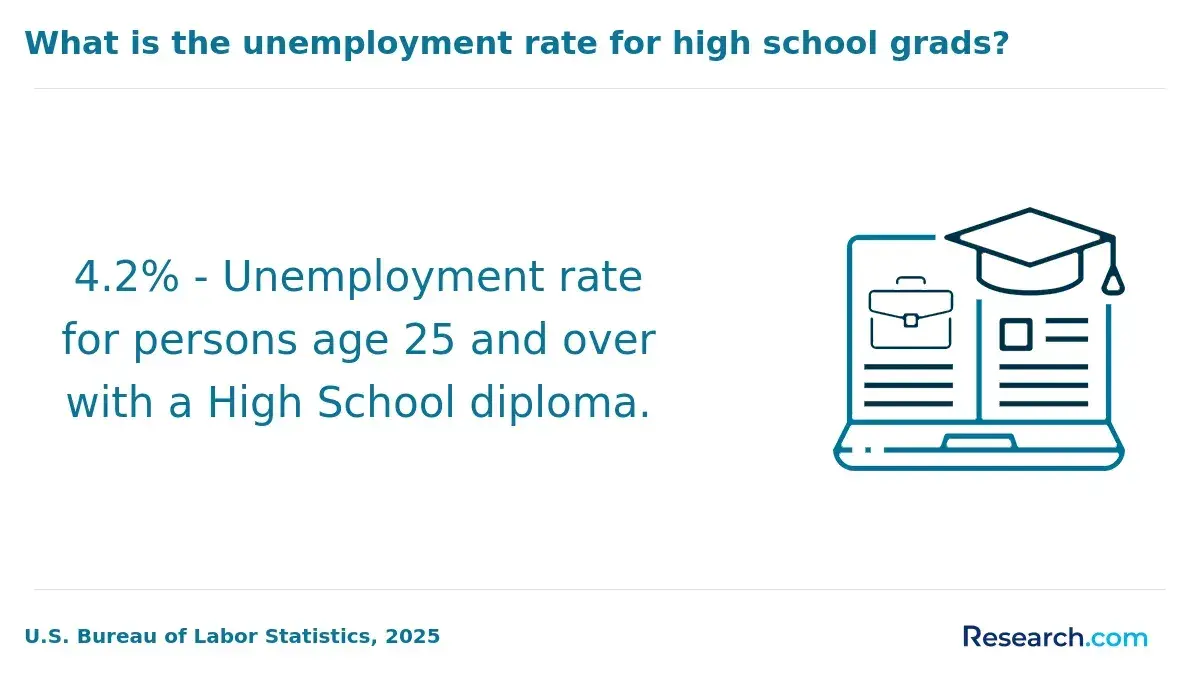
Online bachelor's programs in entrepreneurship require more than basic academic credentials; selective programs emphasize demonstrated business potential and practical problem-solving over purely test scores. Standard admission criteria typically include a high school diploma, with some programs requiring SAT or ACT scores-though many are moving toward test-optional policies-and a minimum GPA around 2.5. Applicants must supply official transcripts highlighting coursework in math, economics, or business to evidence academic readiness.
Transfer students often must present at least 24 transferable credits with solid grades to avoid prolonging their time-to-degree and increasing overall cost. For working professionals pivoting careers, relevant entrepreneurial or managerial experience can sometimes substitute for strict academic prerequisites, which can accelerate admission and enrich learning through real-world insight.
International candidates must navigate additional hurdles such as verified English proficiency tests (TOEFL/IELTS) and credential evaluations, introducing potential delays and extra expenses. Across the board, early financial planning is critical since tuition varies widely, from approximately $13,284 for budget-friendly programs to $138,380 at top-tier institutions-this disparity significantly affects post-graduation debt burdens and ROI.
Applicants should also anticipate logistical challenges like meeting strict deadlines aligned with cohort start dates, maintaining thorough documentation, and working through articulation agreements when transferring credits from community colleges. In sectors like tech startups or social enterprise, admissions increasingly value portfolios and concrete examples of business initiatives, reflecting employer preferences for demonstrated applied skills over standardized metrics.
How long does an online entrepreneurship bachelor's take and cost?
Completing an online bachelor's degree in entrepreneurship requires a significant time and financial commitment, typically four years full-time but often longer for working professionals opting for part-time study. Extending the timeline to five or six years increases total costs not only through prolonged tuition but also potential fee inflation, demanding careful financial forecasting.
Costs vary considerably: public universities generally charge between $40,000 and $60,000 in total for in-state students, while private institutions can exceed $100,000. These figures encompass all program expenses, including fees and materials. Prospective students must weigh these outlays against tangible returns, as employers prioritize demonstrated skills-such as managing revenue growth projects-over credential counts.
Accreditation by organizations like AACSB, ACBSP, or IACBE remains a decisive factor in program rigor and employer acceptance, with evidence from 2025 indicating accredited online degrees yield employment outcomes on par with traditional ones. Choosing programs offering transfer credits or experiential learning can shorten degree duration and reduce costs, a strategic advantage for those balancing work and study.
Financial support options including federal aid, scholarships, and employer tuition assistance mitigate expenses but require proactive planning. For entrepreneurs targeting sector-specific expertise, ensuring curricula reflect current startup and growth strategies is essential to maintaining market relevance and unlocking employment prospects.
What revenue and growth strategy skills do these programs teach?
Bachelor's degrees in entrepreneurship that emphasize revenue and growth strategy serve as a practical foundation for individuals aiming to influence measurable business outcomes. Unlike programs that focus on generic business concepts, these curricula prioritize data-driven tools such as pricing elasticity, lifetime value modeling, and sales funnel analytics to shape decisions that affect top-line growth.
For example, graduates entering tech startups apply iterative product launches aligned with agile marketing campaigns to lower customer acquisition costs while expanding the user base. By contrast, professionals targeting retail or service sectors develop expertise in omni-channel sales integration and revenue consistency aligned with supply chain dynamics, highlighting diverse operational requirements across industries.
Key program components include:
- Lean startup methodologies paired with agile marketing tactics
- Strategic partnership cultivation to amplify network effects beyond organic growth
- Financial forecasting tools to balance revenue scalability and operational expenditures
These competencies prepare students not only to attract venture capital but also to manage cash flow challenges inherent in growth phases.
Requiring around 120 credit hours, these programs typically accommodate full-time learners within four years, while part-time students-often working professionals-can extend completion up to six years. This scheduling flexibility recognizes the practical tension between ongoing employment and intensive applied learning.
Graduates are evaluated by employers primarily on their capability to implement actionable revenue strategies with immediate impact rather than theoretical knowledge, which necessitates selecting programs that integrate real-world assignments and performance metrics reflective of industry demands.
What careers can you get with an entrepreneurship degree?
Entrepreneurship degrees lead to roles demanding practical skills in launching and scaling ventures, where managing risk and capital access are persistent challenges. Graduates often become startup founders utilizing lean methodologies and market niche strategies, or business development managers who shape strategic partnerships and revenue models. Product management positions, particularly in tech, require expertise in monetization and user acquisition, while innovation consultants guide established firms on operational agility and idea incubation.
Small businesses drive about 44% of U.S. economic activity and generate two-thirds of new jobs, reflecting ongoing workforce demand for entrepreneurial skill sets. For instance, a graduate entering the food service sector might differentiate by applying revenue strategy training to optimize pricing and delivery channels-essential for competing in saturated markets.
Key tradeoffs include adapting from high-risk founder roles to intrapreneurship within corporations when external funding tightens. Success hinges on networking and the ability to operationalize theory into viable, scalable business models under financial constraints. Core competencies such as pitch development, cash flow management, and iterative product-market fit testing form the backbone of career readiness.
These outcomes emphasize that entrepreneurship education equips graduates to fulfill crucial economic roles, provided they navigate variable market conditions and balance strategic risk with sustainable growth strategies.
How much can entrepreneurship graduates earn?
Starting salaries for graduates with a bachelor's degree in entrepreneurship vary significantly based on sector and geography, typically ranging from $55,000 to $75,000 annually. Those entering technology startups or consulting firms focused on scalable revenue models generally secure pay at the upper end of this range, driven by market demand for skills in business validation and growth strategy. In contrast, graduates who join traditional small businesses or nonprofit organizations often begin closer to $50,000, reflecting differing financial capacities and organizational priorities.
Mid-career income growth largely hinges on proven ability to create sustainable revenue streams and successfully launch ventures. For example, entrepreneurs in e-commerce or digital marketing frequently convert performance into higher compensation or equity stakes, while peers in capital-heavy fields like manufacturing may encounter delayed financial returns despite robust academic training.
The significant disparity in program costs-from approximately $11,250 annually for low-tuition credits to total expenses rising near $61,000-can substantially affect graduates' net financial outcomes. Choosing more affordable programs can cut debt by half or more, enabling earlier reinvestment in ventures or business development rather than loan repayment, a crucial factor in wealth-building trajectories.
Employers increasingly favor practical experience with revenue growth over theoretical knowledge alone. Graduates combining coursework with measurable achievements in growth roles are better positioned for salaries near $60,000, while those lacking such evidence-based competencies may face constrained opportunities.
Do entrepreneurship graduates need certifications or licenses?
Entrepreneurship degrees do not guarantee exemption from legal and regulatory hurdles that vary widely by industry and geography. For example, launching a tech consultancy often requires minimal licensing beyond basic business registration and contract management. Conversely, opening a childcare center demands rigorous adherence to state and federal licensing, with ongoing compliance oversight. This disparity makes it clear that an entrepreneurship degree equips graduates with strategic and operational skills but not with wholesale regulatory clearance.
Employers and investors prioritize the ability to create viable business models and generate sustainable growth over possession of formal credentials in this field. Data from a 2024 entrepreneurship education outcome study indicates graduates are approximately 20-25 percentage points more likely to start ventures within five years compared to peers from other disciplines, reflecting the degree's link to practical startup success rather than licensing mandates.
Graduates should proactively evaluate industry-specific licensing early in business planning and cultivate compliance expertise through legal counsel, specialized coursework, or mentorship. Voluntary certifications in areas like project management can enhance credibility but remain supplementary. For students evaluating an entrepreneurship pathway, mastering regulatory navigation and operational competence carries more workforce impact than chasing rare industry-wide credentials.
Key practical considerations include:
- Licensing requirements differ fundamentally across sectors and regions.
- Entrepreneurship education emphasizes business development skills, not mandatory licenses.
- Investors value demonstrated ability to execute and scale over formal certifications.
- Compliance expertise can be outsourced or acquired selectively.
Other Things You Should Know About Entrepreneurship
Yes, an online bachelor's degree in entrepreneurship can be effective for students without prior business experience. These programs often offer foundational courses in business principles, revenue models, and growth strategy, providing comprehensive knowledge and practical skills crucial for aspiring entrepreneurs starting from scratch.
Employers increasingly accept online entrepreneurship degrees, but recognition depends on program reputation and demonstrated skills beyond the diploma. Graduates should prioritize programs with strong experiential components and portfolio evidence of strategic project work, as employers value applicable problem-solving and leadership abilities over degree delivery mode. Networking opportunities and faculty connections also influence employment prospects.
Yes. Most 2027 online entrepreneurship bachelor’s programs end with a capstone that integrates budgeting, market analysis, and growth planning. Many schools require it in the final 6 to 9 credit hours, and students present a business plan, revenue forecast, or venture pitch to faculty reviewers.
Programs emphasizing revenue and growth strategy provide more actionable skills critical for scaling ventures and attracting investment. Candidates targeting startup leadership or early-stage business development should prioritize these curricula for a competitive advantage. Those seeking broader management knowledge may consider more generalized entrepreneurship programs but risk weaker preparation for growth challenges.
References
- What is Revenue Growth: Tips & Formulas https://www.salesforce.com/eu/sales/cpq/revenue-growth/
- Bachelor's degrees in entrepreneurship | edX https://www.edx.org/bachelors/entrepreneurship
- What Are the Essential Qualities of a Successful Entrepreneur? https://www.hotcoursesabroad.com/study-abroad-info/subject-guides/essential-qualities-successful-entrepreneur/
- 17 Revenue Growth Strategies You Should Know About https://productschool.com/blog/product-strategy/revenue-growth-strategies
- What Degree Do You Need to Start a Business? | Entrepreneurship https://online.wits.ac.za/blogs/this-is-what-you-need-to-start-a-business
- Entrepreneurship and Small Business https://certiport.pearsonvue.com/Certifications/ESB/Certification/Overview.aspx
- Entrepreneurship Degree https://www.ut.edu/academics/sykes-college-of-business/entrepreneurship-degree
- 15 Online Entrepreneurship Programs for High School Students https://www.immerse.education/knowledge-base/15-online-entrepreneurship-programs-for-high-school-students/
- Entrepreneurship and Small Business https://www.savvas.com/solutions/career-and-technical-education/career-clusters/business-management-and-entrepreneurship/entrepreneurship-and-small-business
- 6 Entrepreneurial Skills Every Student Should Master Before Graduation https://tetr.com/blog/6-entrepreneurial-skills-every-student-should-master-before-graduation