2027 Business Models Growing Fastest for Entrepreneurship Graduates

Co-Founder and Chief Data Scientist
Entrepreneurship graduates frequently confront the challenge of selecting business models that balance scalability with resource constraints, a critical decision when rapid market shifts demand agility. With the U. S. Bureau of Labor Statistics projecting a 9% growth in self-employment tied to online platforms through 2030, this signals a structural pivot toward digitally driven ventures that can expand without heavy upfront capital. However, this trend complicates educational alignment, as many programs lag in equipping students with hands-on tools for emerging models like subscription services or platform-based businesses. This article identifies which business models are accelerating fastest and assesses their fit for graduates aiming to optimize timing, financial risk, and career mobility amid evolving employer expectations.
Key Things You Should Know
- In 2024, 38% of entrepreneurship graduates entered gig-based business models, indicating a tradeoff: rapid market entry versus reduced scalability and investor interest, challenging long-term venture growth prospects per SBA data.
- Employer surveys from the Kauffman Foundation report 46% prefer graduates with hybrid models combining digital platforms and traditional sales, signaling workforce demand for versatile operational strategies over pure tech stacks.
- Average tuition-to-income ratio for entrepreneurship degrees rose 12% since 2020, imposing tighter timing and financial constraints that delay business launch by an average of 9 months after graduation, per NCES statistics.
What are the fastest-growing business models for entrepreneurship graduates?
Graduates entering scalable business opportunities for recent entrepreneurship graduates must weigh operational complexity against revenue predictability. Subscription services lead growth due to stable, recurring income but require rigorous customer retention and automated support systems to remain viable. These operational demands often translate into employer expectations for roles in retention marketing and data analytics rather than generalist tasks.
Direct-to-consumer (DTC) e-commerce attracts graduates with lower barriers to entry through platforms like Shopify and Amazon. However, real-world success hinges on navigating saturated markets and optimizing supply chain logistics, making digital marketing analytics and operational fulfillment skills non-negotiable. Unlike subscription services, DTC models often experience fluctuating cash flow and more volatile customer acquisition costs.
Business-to-business (B2B) SaaS models offer higher margins and longer contracts but require sophisticated product management, agile development, and customer success expertise. The buyer's elongated decision cycle means graduates must excel in tailored onboarding and relationship management to convert and retain clients. Choosing among these business models impacts both early-stage venture risk and employability in operational or technical roles.
Prospective students often consider an accelerated MBA to sharpen necessary skills. Aligning educational pathways with the fastest-growing business models for entrepreneurship graduates in the US can clarify necessary competencies and tradeoffs, informing smarter career pivots without relying on generic guidance.
Which entrepreneurship business models have the strongest job demand?
Marketplace platform business models lead the fastest growing entrepreneurship business models, with job demand surging in response to the dominance of digital commerce. For example, U.S. online marketplace sales accounted for 59% of all U.S. e-commerce sales in 2024, highlighting the need for graduates skilled in multi-vendor platform management. Workforce roles require strong coordination between sellers, buyers, payment processors, and logistics providers, demanding operational expertise in areas such as real-time inventory synchronization and platform governance.
The tradeoffs in marketplace ventures differ markedly from direct-to-consumer startups; they often necessitate larger operational teams with specialized roles in dispute resolution, fraud prevention, and compliance. Graduates pursuing high demand entrepreneurship careers must be fluent in digital marketing, user experience design, and data analytics to optimize engagement and transaction volume effectively.
Longer timelines to profitability are typical due to initial scaling costs, but scalable revenue streams from commissions and subscription fees reward strategic decisions, including whether to build vertical or horizontal marketplaces. Such decisions impact market reach and competitive positioning. Those preparing for this path also benefit from evaluating program affordability and outcomes, for instance by reviewing the cheapest online business management degree options.
Understanding these practical operational and strategic challenges equips entrepreneurship graduates to access roles beyond founding ventures, including as product managers, platform strategists, and business developers within marketplace-driven firms.
What skills do employers want from entrepreneurship graduates?
Employers seeking entrepreneurship graduates emphasize the ability to transform broad business concepts into scalable, productized services that align tightly with client demands. As the U.S. consulting services market approaches $310 billion, graduates must excel in client needs analysis, strategic pricing, and operational workflow design. Mastery over these areas ensures efficient resource allocation amid tight startup and consulting budgets, a critical part of business model innovation for entrepreneurship graduates.
Data-driven decision-making separates competent candidates. Graduates entering technical consulting must integrate market analytics with business fluency to customize offerings, driving measurable client outcomes. Communication skills extend beyond persuasion to include clear proposals, contract negotiations balancing profit and client retention, and mitigating scope creep. A real-world consequence for entrepreneurs lacking financial literacy is limited ability to scale profitably, restricting advancement within productized service roles.
Compliance and regulatory knowledge also shape service frameworks, especially in industries like healthcare, where HIPAA adherence is mandatory, or environmental sectors with evolving sustainability standards. Employers expect entrepreneurship graduates to lead autonomously, manage cross-functional teams, and navigate risk and contingency planning with a practical grasp of time-to-market tradeoffs affecting startup viability and client satisfaction.
Those considering advanced credentials often evaluate options like online EMBA programs to deepen these competencies, balancing workload and cost efficiencies while refining leadership skills vital for consulting success.
Which entrepreneurship degree programs best support startup careers?
Programs explicitly focused on digital entrepreneurship and innovation management offer the most direct pathways to startup success by embedding relevant skills aligned with evolving market demands. For instance, graduates trained in digital product development, e-commerce strategies, and agile project frameworks are better positioned to launch scalable SaaS startups, tapping into a projected $848.1 billion global e-learning market by 2030. This context illustrates why top entrepreneurship degrees supporting startup careers emphasize curricula covering critical areas such as product-market validation, digital marketing analytics, and user experience design.
Traditional business degrees often lack the experiential components vital for navigating startup realities like fundraising, intellectual property challenges, and lean methodologies. Degrees that incorporate access to incubators, mentorship from seasoned founders, and startup simulation projects offer a measurable advantage by exposing students to real-world venture risks and decision points.
Choosing the right program requires balancing interdisciplinary tech fluency with solid business acumen. For example, a founder in health tech must combine entrepreneurship training with knowledge of regulatory compliance and data privacy. Employers and investors increasingly prioritize entrepreneurs who demonstrate the capacity to rapidly iterate and pivot business models-abilities best cultivated through hands-on learning.
Prospective students evaluating best entrepreneurship degree programs for startup success should prioritize offerings with:
- Robust digital product creation and monetization coursework
- Access to startup incubators and accelerators within the curriculum
- Strong connections to venture capital networks and industry mentors
- Interdisciplinary projects integrating technology, marketing, and finance
- Curricula updated regularly to reflect evolving market and funding landscapes
For those considering an easiest MBA program entry point as part of their strategic pivot, it is crucial to verify that the practical entrepreneurial and digital components are not sacrificed for accessibility.
How do online and campus entrepreneurship programs compare?
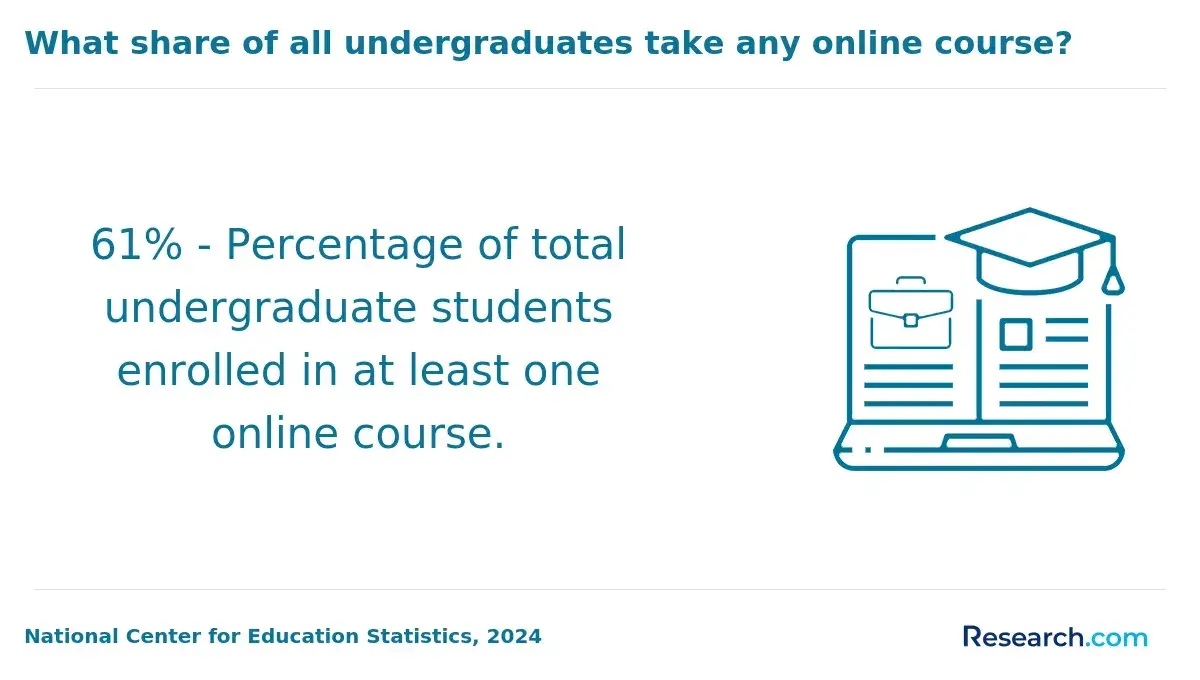
Choosing between online and campus entrepreneurship programs hinges on distinct tradeoffs that shape employability and career trajectory. Online programs offer direct exposure to digital business models-such as affiliate marketing, projected to surpass $13 billion in U.S. spending by 2025-favoring self-directed learners targeting tech-focused startup roles. They enable balancing work and study while sharpening skills in remote networking, digital marketing, and e-commerce deployment, areas increasingly valued by employers in fast-moving online sectors.
In contrast, campus programs deliver immersive, hands-on experiences through incubators, pitch contests, and proximate access to local startup ecosystems-assets critical for industries dependent on physical prototyping, such as biotech or manufacturing. These settings cultivate face-to-face negotiation skills and investor relationships that remain difficult to replicate online. However, campus curricula often lag in adopting emerging digital trends, limiting agility where influencer partnerships or affiliate models dominate.
Employers' expectations split accordingly:
- Startup and tech companies prioritize candidates with verified digital fluency and specialized online skill sets.
- Traditional industries tend to favor graduates with comprehensive business fundamentals and in-person interpersonal experience.
Students weighing program options should align choices with target sectors, acknowledging isolation challenges in remote learning or the slower pace of campus program innovation. Real-world outcomes depend on this strategic calibration more than on institutional prestige.
What accreditation should entrepreneurship programs have?
Regional accreditation combined with specialized recognition from organizations like AACSB or ACBSP serves as a definitive marker of quality for entrepreneurship programs, directly influencing graduate marketability. Employers increasingly scrutinize whether credentials come from accredited institutions, prioritizing candidates with curricula aligned to evolving sectors such as e-commerce-a market projected at $1.19 trillion in the U.S. This alignment ensures students develop relevant skills in digital strategy, supply chain management, and financial modeling rather than outdated theories.
Graduates from programs without such accreditation frequently face barriers: content may no longer match industry realities, leading to skill gaps that hamper job placement in competitive markets. In contrast, accredited programs often incorporate experiential learning through live projects supervised under stringent standards, offering tangible proof of practical competence sought by employers.
Students aiming for meaningful career pivots or venture investment legitimacy should verify credit transfer pathways and post-graduate certification options tied to the program's accredited status. These credentials mitigate risks around credential inflation and enhance professional recognition, a critical factor when engaging investors or entering high-growth industries.
- Accreditation confirms institutional legitimacy and curriculum relevance.
- Employers prefer graduates with verifiable experiential learning.
- Non-accredited credentials risk limited recognition and outdated skill sets.
Choosing programs with dual accreditation aligns educational investment with measurable workforce demands and supports strategic entry into sectors with robust growth and rigorous competency expectations.
What coursework do entrepreneurship programs include?
Entrepreneurship programs in 2026 emphasize equipping students with skills directly translatable to venture launch and scaling under realistic market constraints. Graduates confront choices shaped by cash flow limits, customer acquisition costs, and investor expectations rather than abstract theory. For example, mastering scenario-based user acquisition-such as freemium models used by 81% of SMBs before upgrade decisions-sharpens an understanding of conversion funnels and resource allocation critical in tech startups and service sectors.
Core coursework aligns with key operational needs: business model innovation, financial literacy focused on budgeting and capital sourcing, and marketing strategies adaptive to digital and traditional channels. Incorporating real-world case studies from health tech, retail, and green energy sectors trains students to analyze data under uncertainty and meet specific investor or client criteria.
Programs also integrate practical legal instruction covering intellectual property and contract essentials, preparing students for startup regulatory challenges. Leadership and project management modules emphasize navigating team dynamics and scaling operations while balancing time and budget restrictions typical of founder-led enterprises.
Students learn to evaluate funding paths-bootstrapping, angel investment, venture capital-tailoring decisions to business stage and industry type. This reflects a strategic tradeoff landscape where early dilution risks must be measured against growth capital needs, a core consideration for entrepreneurial success and employability within this ecosystem.
What admission requirements do entrepreneurship programs usually ask for?
Admission to entrepreneurship programs often hinges on a mix of academic benchmarks and practical experience, reflecting employer expectations for candidates who can bridge theory and real-world challenges. A typical minimum GPA requirement around 2.7 to 3.3 signals the need for solid foundational business knowledge rather than just passion. Work experience in startups or relevant industries is not only preferred but increasingly seen as indispensable for contributing meaningful insights in class and networking effectively post-graduation.
Programs may require standardized tests, though many now accept them as optional, emphasizing instead the quality of personal statements and business proposals. These documents serve as practical demonstrations of an applicant's ability to analyze market conditions-vital in sectors like ecommerce, where trends such as dropshipping are predicted to reach $1.25 trillion globally by 2030. Candidates lacking formal business backgrounds face the additional challenge of prerequisite coursework, often in finance or marketing, to align their skillsets with program demands.
Letters of recommendation and interviews add layers of assessment focused on leadership and adaptability-traits crucial for navigating fast-changing markets. For working professionals, proof of employment or entrepreneurship is key to accessing programs tailored for immediate application. Advanced applicants often boost acceptance chances by preparing detailed financial projections and market analysis, reflecting a readiness to engage with practical entrepreneurship rather than theoretical exercises.
- Bachelor's degree with GPA typically 2.7-3.3
- Relevant work experience preferred or required
- Personal statements and realistic business proposals critical
- Letters of recommendation and interviews evaluate leadership potential
- Prerequisite business courses may be necessary for non-traditional applicants
How much do entrepreneurship degree programs cost?
Choosing an entrepreneurship degree requires prioritizing program focus relative to career trajectory, especially regarding intellectual property (IP) and licensing engagement. Bachelor's programs in the U.S. range broadly from $15,000 to $60,000, while graduate options like MBAs with entrepreneurship specialties stretch from $30,000 to over $100,000 in tuition alone. These figures exclude ancillary costs-textbooks, technology fees, or the opportunity cost of reduced work hours-which often add 20%-25% above tuition.
Students pursuing IP-driven business models should expect higher indirect expenses for legal training and prototype development, necessitating programs with robust IP law integration and access to technology transfer resources. A technology entrepreneur, for instance, will benefit greatly from such specialized education but must weigh these added costs against the market value, given U.S. intellectual property exports reached $138 billion in 2024.
Employers in innovation sectors demand graduates skilled not only in business fundamentals but adept in IP protection and commercialization, favoring costlier, focused programs. Conversely, more affordable programs emphasizing small business management or social entrepreneurship typically provide limited preparation for IP-centric roles, affecting employability in sectors reliant on licensing strategies.
Financing options like scholarships or employer tuition reimbursement significantly impact return on investment considerations, urging prospective students to scrutinize program content and outcomes rather than tuition alone.
- Tuition varies markedly by institution type and level
- Indirect costs for IP-focused education are often underestimated
- Employers prioritize IP competency in innovation-driven roles
- Lower-cost programs may inadequately prepare for IP commercialization
What careers and salaries can entrepreneurship graduates expect?
Entrepreneurship graduates encounter varied compensation trajectories shaped by sector demands and skill alignment, notably within AI-driven and automation-focused industries. While typical starting roles in consulting, product management, and innovation command between $65,000 and $90,000 annually, specialized AI-enabled agency and automation firm positions often surpass $100,000 due to the premium on combined technical and strategic expertise.
Early-stage founders generally accept lower immediate pay in exchange for equity stakes, contrasting with corporate innovation roles that offer steadier salaries but limited upside. Employers prioritize candidates demonstrating market analysis, fundraising, and operational skills-those who supplement education with internships or consulting experiences tend to secure better initial compensation.
Graduates targeting automation-centric niches should anticipate a necessity for continuous skills development in digital tools, data literacy, and agile management. These roles require close collaboration with engineers and designers to navigate complex project demands effectively.
From a workforce perspective, prioritizing experiential learning during study can substantively impact compensation growth, with realistic five-year earnings potential exceeding $130,000 in automation sectors. However, initial offers in less technical environments might lag, necessitating strategic planning regarding career focus.
Other Things You Should Know About Entrepreneurship
In 2027, emerging business models are increasingly supportive of entrepreneurship graduates without extensive prior experience. Many rely on collaborative networks, mentorship programs, and platforms that offer access to resources needed to build ventures from scratch, making it easier for new entrepreneurs to succeed.
Full-time degrees offer structured access to resources, advisers, and peer collaboration that self-learning often lacks, but they require significant time and financial investment. Part-time or online options allow students to maintain income and practical work experience while learning, which can be more valuable given the importance of real-world application in entrepreneurship. For those balancing financial constraints and career transitions, part-time programs with experiential learning components typically provide better return on investment.
Leading programs integrate failure case studies and resilience training into their curricula to build realistic expectations and problem-solving skills. Graduates benefit most when programs emphasize iterative learning and risk assessment, rather than solely focusing on success stories. Practical implications include better emotional readiness and strategic pivoting ability, which employers and investors value in early-stage ventures facing inevitable setbacks.
They should prepare a 12-month cash-flow forecast, monthly recurring revenue tracking, customer churn data, and a break-even schedule before launch. For a subscription business, lenders and investors usually want proof of unit economics, not just a business idea, plus basic bookkeeping set up from day one.
References
- MBA in Entrepreneurship: What’s the Highest Pay Package? |MIT ID https://mitidinnovation.com/blog/mba-entrepreneurship-top-salary-packages/
- Admission and Requirements https://www.leuphana.de/en/graduate-school/masters-programmes/management-entrepreneurship/admission-and-requirements.html
- Business Models for High-Growth Companies https://www.rev1ventures.com/blog/business-models-for-high-growth-companies/
- The graduate jobs market is tough right now. An entrepreneurship expert explains how to go it alone https://theconversation.com/the-graduate-jobs-market-is-tough-right-now-an-entrepreneurship-expert-explains-how-to-go-it-alone-276580
- Business – Management and Entrepreneurship - School of Business & Hospitality https://www.algonquincollege.com/business-hospitality/program/management-and-entrepreneurship/
- 15 Online Entrepreneurship Programs for High School Students https://www.immerse.education/knowledge-base/15-online-entrepreneurship-programs-for-high-school-students/
- From Classroom to Job Market: 6 Skills Employers Want in Your Graduates | Digital Marketing Institute https://digitalmarketinginstitute.com/blog/from-classroom-to-job-market-6-skills-employers-want-in-graduates
- Types of Business Models | 2026 Trends & Strategies https://prometai.app/blog/types-of-business-models-explained
- Start-ups: Revolutionising traditional business models https://online.wlv.ac.uk/start-ups-revolutionising-traditional-business-models/
- MBA resources | MBA admission requirement guide | edX https://www.edx.org/resources/how-to-meet-mba-admission-requirements-a-step-by-step-guide