2027 Entrepreneurship Specializations for Small Business Owners

Co-Founder and Chief Data Scientist
Facing the need to pivot amid economic uncertainty, many small business owners struggle to identify which entrepreneurship specialization can bring immediate operational impact and long-term resilience. A National Center for Education Statistics report from 2024 notes a 35% increase in adult enrollment in flexible online entrepreneurship programs, revealing a shift toward education models that accommodate working professionals balancing business demands.
This trend signals the necessity for prospective students to evaluate not only specialization content but delivery formats that align with their real-world schedules and growth ambitions. This article examines key entrepreneurship specializations tailored for small business owners, offering data-driven guidance to select pathways that optimize career agility and practical value.
Key Things You Should Know
- Data from the U.S. Small Business Administration highlights that 58% of entrepreneurs prioritize specialization in digital marketing, yet this focus delays profitability by an average of 9 months due to rapid platform evolution.
- According to the National Federation of Independent Business, employers increasingly seek entrepreneurs skilled in supply chain analytics, pushing specialization toward operations-heavy curricula, which narrows post-graduation pivot options.
- The Bureau of Labor Statistics reports that Entrepreneurship programs emphasizing technology commercialization often extend time-to-completion by 20%, raising upfront costs but improving venture-capital acquisition rates by 35% within two years.
What are the most in-demand entrepreneurship specializations for small business owners today?
Small business success in 2026 demands specialization choices that balance immediate operational pressures with scalable growth strategies. Digital marketing and financial literacy form the core skill sets; for instance, small businesses leveraging multiple digital marketing platforms increase their revenue growth probability by 55%, a critical insight for those focusing on entrepreneurship specializations for small business success. Mastery of SEO, analytics, and paid advertising is essential to engage diverse customer segments beyond a single channel.
Financial proficiency assists entrepreneurs in navigating cash flow constraints and capital allocation, reducing risk while enabling smarter supplier negotiations. For retail businesses, this can transform margins through optimized inventory management. Operational agility-encompassing supply chain optimization, lean practices, and swift tech adoption-is indispensable in segments like manufacturing and food service, where demand variability can erode profitability if not addressed promptly.
Customer experience management adds another competitive layer by instilling systematic feedback integration through CRM and service design, crucial for service-oriented small businesses aiming to enhance retention and lifetime customer value. Selecting among these top entrepreneurship skills in demand for small business owners depends on sector-specific volatility and competitive intensity, with digital marketing and financial acumen generally non-negotiable.
Prospective students seeking a pragmatic, time-efficient pathway to these competencies should consider flexible routes such as the shortest MBA program, designed to expedite career pivots while aligning with workforce needs.
How do entrepreneurship specializations specifically help launch, grow, and scale a small business?
Entrepreneurship specializations that accelerate small business growth must prioritize operational relevance over generic skill sets. Specializing in financial modeling and cash flow management, for instance, shortens the costly early-stage trial-and-error period, thereby mitigating the high risk of startup insolvency. Meanwhile, small business owners leveraging targeted digital marketing strategies can achieve revenue growth through more efficient customer acquisition without inflating costs.
Adoption of AI and automation in entrepreneurship is shifting from optional to essential. In 2025, 76% of small businesses were using or assessing AI tools, and 44% noted measurable cost reductions. Training in AI-driven workflow automation empowers owners to reduce labor expenses and improve supply chain logistics - such as retail entrepreneurs cutting stockouts by up to 30% through inventory forecasting software. These practical applications highlight how entrepreneurship specializations can impact workforce efficiency and competitive positioning.
Effective entrepreneurship strategies for launching and scaling small businesses also include risk management, legal compliance, and funding navigation. Failure in these areas often stalls growth, resulting in penalties or missed financial opportunities. However, specialization alignment with industry-specific demands is crucial: manufacturing requires logistics and quality control expertise, whereas tech startups need agile team scaling and innovation management skills. Ignoring these distinctions risks acquiring irrelevant skills that decrease a program's utility.
Prospective students should carefully evaluate specialization options alongside foundational credentials like online business degree programs accredited for tangible returns on investment and workforce applicability.
Which degree and certificate pathways offer entrepreneurship specializations for small business owners?
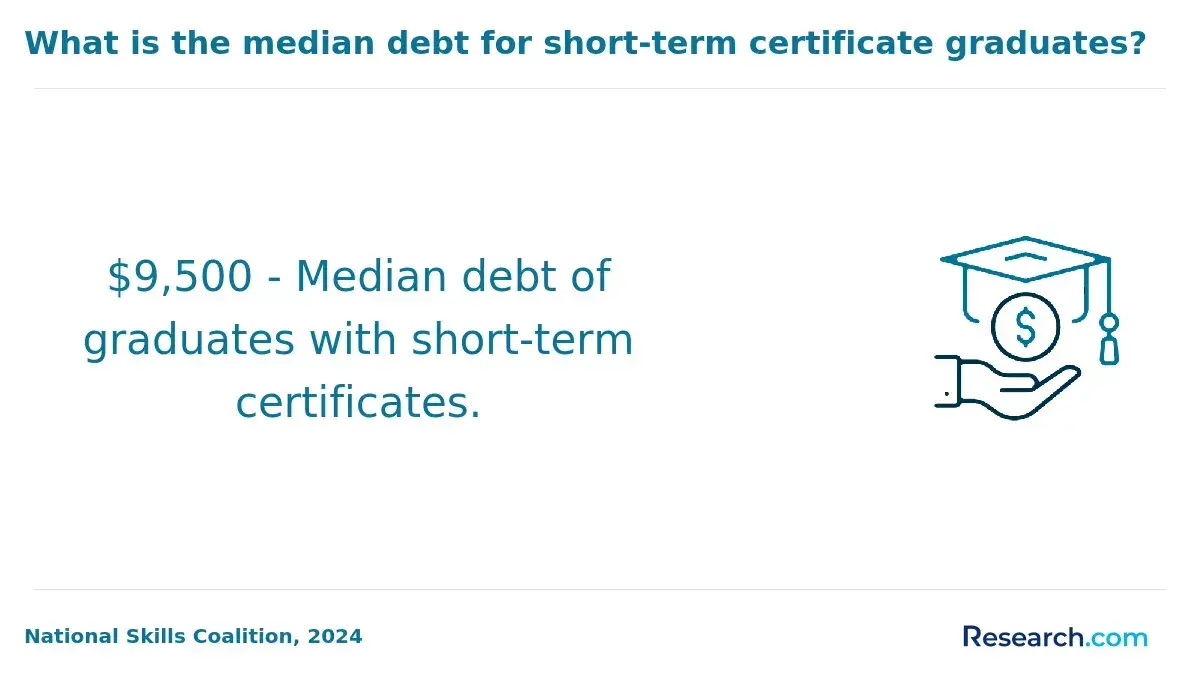
Specialized entrepreneurship degree programs with small business focus balance foundational business knowledge against targeted skill development appropriate for different stages of venture growth. Bachelor's degrees offer core competencies but often fall short on critical e-commerce or technology integration areas, prompting many to pursue certificate pathways for entrepreneurship specialization in small business management to address skill gaps quickly and affordably.
A practical illustration involves a retail small business owner shifting to digital sales, where competencies in online customer engagement and data analytics directly correlate with enhanced revenue outcomes-Statista's 2024 data records a 49% average revenue increase for small businesses adopting e-commerce. Master's programs typically develop advanced leadership and innovation capabilities suited for scaling operations or attracting investors, but they require significant time and financial investment.
Certificates provide tactical updates ideal for immediate application, though they carry less credential weight in some hiring contexts. Choosing between full degrees and certificates hinges on career goals: degrees favor a comprehensive pivot or sustained growth, while certificates support agile skills enhancement aligned with employer expectations emphasizing digital literacy and strategic agility.
Programs blending core business fundamentals with tech-focused entrepreneurship deliver greater alignment with industry demands. Awareness of accreditation and industry relevance is critical to maximize return on investment. For those considering intensive study options, exploring cheapest 1 year online MBA programs can reveal accessible pathways with scalable impact.
What core courses and skills are typically included in entrepreneurship specialization curricula?
Core courses for entrepreneurship specialization emphasize operational skills tied directly to navigating small business pitfalls, with financial management taking priority due to cash shortages driving 29% of failures. Practical considerations-such as cash flow analysis, budgeting, and securing funding-dominate these curricula and influence hiring expectations. Marketing strategy instruction prioritizes digital and social media techniques; with 67 million small businesses maintaining LinkedIn profiles-a 22% rise year-over-year-proficiency in social media marketing remains essential for customer acquisition and partnership development.
Essential skills in entrepreneurship curricula extend to operations management, leadership, and negotiation training-areas crucial for managing supply chains, workforce dynamics, and vendor relations. A notable tradeoff exists between specialized business model innovation courses and traditional management principles, reflecting market demands for adaptability in sectors like tech startups shifting to subscription models or gig economy platforms reconfiguring workforce approaches.
Applying data analytics to drive customer insights and operational decisions is a recurring emphasis; for instance, small retailers tailor inventory based on purchasing trends, underscoring data's role in competitive strategy. Programs often complement theoretical learning with scenario-based exercises replicating cash flow challenges or scaling complexities.
Logistics include hands-on projects and capstones aligned with region-specific markets, balancing theory with applicable competencies to enhance employability. Prospective students should weigh these curriculum features against personal goals and real-world obstacles when choosing pathways; for multidisciplinary options, an accelerated construction management degree online might offer complementary skills depending on industry focus.
How do online entrepreneurship specializations compare with campus programs for small business owners?
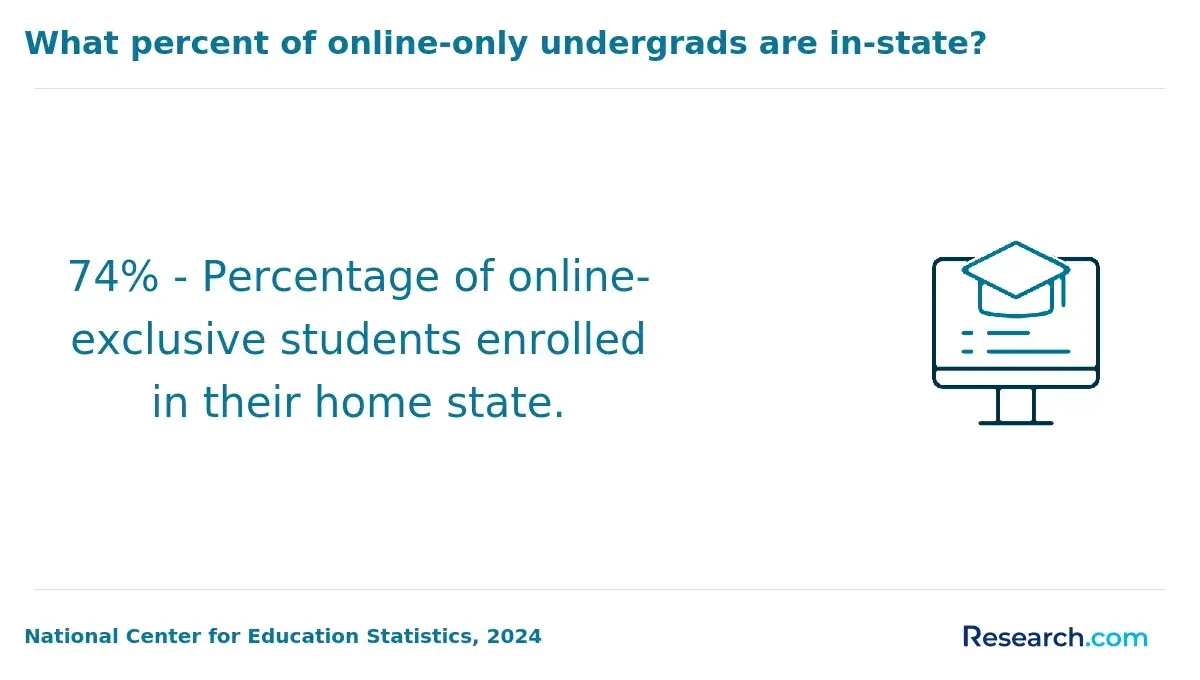
Online entrepreneurship specializations deliver flexibility critical for small business owners managing fluctuating schedules and urgent operational demands. Unlike campus programs' fixed timetables and commuting requirements, online courses enable learners to align study with real-time business priorities, minimizing lost productivity. Yet, campus offerings often provide richer networking and mentorship opportunities important for sectors relying on local, face-to-face engagement such as retail or hospitality.
Entrepreneurs in dynamic fields like technology or digital marketing gain from online programs that adapt quickly to industry changes through updated curriculum and tools. Conversely, campus programs emphasize structured, foundational business education suited to traditional industries with stable requirements, such as manufacturing.
Employer preferences increasingly prioritize practical, measurable skills over formal credentials. For example, a woman applying for SBA loans where the average loan size rose to $67,035 in 2024 must show applied financial capability and growth strategies. Online courses with case studies and interactive financial models better facilitate this need than generalized campus lectures.
Tradeoffs include reduced immediate peer interaction online versus the rigidity of campus schedules. Buyers focused on immediate application should favor modular online content, while those seeking immersive cohort experiences might opt for campus. Employers in certain local sectors may still prefer traditional credentials, but performance-linked online certifications are gaining equivalent recognition.
Overall, online specializations offer superior adaptability and contemporary relevance, whereas campus programs provide institutional depth at higher time and cost investments.
What should small business owners look for in an accredited entrepreneurship program?
Effective entrepreneurship programs go beyond theory, directly targeting critical business skills such as financial management, marketing strategy, and legal compliance. With Minority & Immigrant-Owned Ventures representing nearly 25% of new U.S. small businesses, curricula must adapt to real market conditions and diverse entrepreneurial needs, balancing sector-specific challenges-for example, retail-focused founders require detailed inventory controls and vendor negotiation training, while tech startup founders must prioritize scalability and investor relations.
Programs offering experiential learning, such as client consulting or startup incubators, provide a vital bridge between classroom concepts and workforce demands. Success metrics should emphasize graduates securing strategic roles within two years, reflecting alignment with employer expectations rather than just certification attainment.
Flexibility and transparency are paramount; part-time, modular program structures enable immediate application of lessons for working owners. Accreditation establishes quality baselines but does not guarantee worthwhile outcomes. Prospective students should scrutinize data on graduate debt and job placement to prevent costly missteps. Special consideration must be given to bilingual legal education and multicultural marketing components, essential for engaging the sizable Hispanic-owned business segment.
- Prioritize programs connected to local business ecosystems for actionable insights
- Assess curricular relevance to niche markets and evolving hiring demands
- Ensure experiential components simulate sector-specific operational challenges
How much do entrepreneurship specialization programs cost, and what funding options exist?
Entrepreneurship specialization programs present a wide cost spectrum reflecting provider type and curriculum scope, which critically shapes student choice and outcomes. While short bootcamps can cost around $1,500, comprehensive university-backed certificates often exceed $20,000. This disparity creates a tangible decision point weighing depth against upfront affordability.
Funding avenues are limited and selective: federal financial aid rarely extends to standalone specializations, prioritizing degree programs instead. However, some state employment agencies allocate Workforce Innovation and Opportunity Act (WIOA) funds to these programs when aligned with local labor demands. Small business owners may access Small Business Administration grants or local economic initiatives, particularly for tech-oriented learning that supports operational scalability-such as Salesforce's 2025 data showing 76% of small businesses boosting tech investment and necessitating targeted entrepreneurship skills.
Employer tuition reimbursement offers a practical option for those with clear organizational growth goals, especially in scalable sectors like SaaS startups. Alternative mechanisms like crowdfunding and income-share agreements (ISAs) exist but carry risks, including potential surrender of future earnings without guaranteed return.
The tradeoffs become evident through real-world comparisons. For example, a tech entrepreneur investing $15,000 in a robust university program may enhance funding accessibility and credibility, benefiting long-term startup viability. Conversely, a restaurant owner shifting to e-commerce might prioritize affordable online modules supplemented by SBA support.
Lastly, most programs demand upfront payment or proof of funding, requiring careful financial planning and early application for grants or WIOA assistance. Prospective students must scrutinize program ROI via graduate outcomes and employer feedback before committing resources, navigating timing and cash flow challenges common among entrepreneurs.
What admission requirements do colleges set for entrepreneurship-focused degrees and certificates?
Admission criteria for entrepreneurship-focused credentials vary sharply by program level, directly impacting candidate preparation and workforce readiness. Associate degrees typically require only a high school diploma, focusing on basic academic readiness, while bachelor's programs demand demonstrated proficiency in math and English, reflecting core skills necessary for interpreting business plans and market data. Graduate certificates and master's degrees commonly expect relevant undergraduate qualifications, recommendations, and sometimes business experience, aligning selection with leadership potential and applied expertise.
Applicants balancing small business operations face distinct tradeoffs. For instance, solo consultants managing home-based enterprises-comprising roughly 50% of small businesses per The Zebra-must evaluate if flexible certificate programs suffice or if in-depth bachelor's or master's curricula, requiring greater time investment, better serve long-term strategic skill development. Workforce integration links closely to program selectivity; competitive schools often seek early entrepreneurial experience or concrete business planning, tailoring curricula to real-world demands.
Community colleges and vocational pathways facilitate entry but may necessitate supplementary instruction in digital literacy or accounting to meet employer expectations. Increasingly, practical internships or externships figure into admissions and graduation requirements, bridging conceptual knowledge and workplace application.
Admissions also prioritize personal statements that reveal motivation and strategic intent, screening for candidates capable of leveraging education into scalable ventures without excessive reliance on external funding.
What career outcomes, salaries, and business performance can entrepreneurship specializations support?
Entrepreneurship specializations yield measurable value by enhancing competencies critical to launching and scaling small ventures with tangible revenue and efficiency improvements. Graduates typically find roles as founders, business development leads, or strategy consultants, earning median salaries between $60,000 and $110,000 as reported by Bureau of Labor Statistics 2024 data. Programs emphasizing sustainable business practices address a growing market segment; firms marketing as eco-friendly increased 35% from 2020 to 2024 and outpaced peers with 2.5 times faster revenue growth, per NielsenIQ consumer analyses.
Practical skill acquisition centers on market analysis, financial forecasting, digital marketing, and supply chain sustainability. For instance, applying eco-conscious sourcing in food and beverage differs markedly from tech startup supply decisions, reflecting distinct cost structures and customer expectations. Employers prioritize candidates skilled in data-driven decision-making and adaptive leadership, underscoring the need for hands-on experience and current technological fluency within these programs.
Prospective entrepreneurs must weigh upfront expenses-such as sustainable materials or technology investments-against long-term profitability prospects. Coursework covering risk assessment and operational scaling prepares graduates for common obstacles including cash flow constraints and regulatory complexities, which significantly impact new business survival and funding access, especially when targeting venture capital or government grants focused on sustainable initiatives.
How can small business owners choose the right entrepreneurship specialization for their goals?
Choosing a specialization in entrepreneurship requires aligning personal goals with concrete market demands and the operational realities of the target region. Rural and local service-based businesses alone are projected to generate nearly 479,000 new registrations monthly by 2025, particularly in micropolitan areas, underscoring the need for tailored skill sets rather than generic startup expertise.
Decision-making in specialization should consider:
- Defining explicit short- and long-term objectives such as market expansion or innovation scope to filter relevant options.
- Assessing local competitive dynamics and resource availability to avoid pursuing unviable niches.
- Matching training programs with essential business functions, recognizing that franchise management prioritizes different operational knowledge than manufacturing or e-commerce.
- Factoring in regulatory and financial challenges specific to the sector and locale, such as rural food service compliance requirements.
For example, a rural entrepreneur focusing on service-oriented offerings must invest in customer relationship management and supply chain logistics to compete effectively, diverging from the broad digital commerce focus typical of urban startups. Employers increasingly seek candidates demonstrating adaptability to local conditions, validated through measurable outcomes linked to regional economics and workforce needs.
An informed evaluation of entrepreneurship specialization should emphasize practical applicability and risk mitigation tailored to the operational environment rather than generic frameworks.
Other Things You Should Know About Entrepreneurship
Entrepreneurship specializations add structured frameworks and updated methodologies that business experience alone may lack. Practical experience provides context, but without formal exposure to financing models, innovation strategies, and risk assessment taught in these programs, you may miss critical decision-making tools. Prioritize specializations that focus on applying theory to real-world challenges to complement your experience rather than retrace common business knowledge.
Entrepreneurship specialization programs often demand significant time for case studies, project work, and networking, which can strain small business owners juggling operational responsibilities. Opt for programs with flexible pacing or modular coursework to avoid burnout. Balancing workload intensity against immediate business needs is essential to ensure education supports growth rather than disrupts daily business management.
Most entrepreneurship specializations do not require a business license or state approval to enroll. If the specialization is part of a for-credit certificate or degree, the school itself must be accredited by a recognized agency, and the business license rules apply only to the business, not the coursework.
In 2027, an entrepreneurship specialization provides a structured framework for small business owners, offering insights into modern practices, networking opportunities, and strategic thinking. However, it is most effective when paired with direct industry experience, as real-world challenges and industry-specific knowledge remain vital to success.
References
- Online MBA in Entrepreneurship - Swiss School of Business and Management Geneva https://www.ssbm.ch/online-mba-in-entrepreneurship/
- Top MBA Concentrations & Business Schools for Entrepreneurs https://www.bschools.org/faq/best-mba-for-entrepreneurs
- 55 Trending Business Ideas for 2025 and Beyond https://www.uschamber.com/co/start/business-ideas/top-trending-business-ideas
- Choosing the Right Business: Starting Your Business https://www.scu.edu/mobi/business-courses/starting-a-business/choosing-the-right-business/
- How can an entrepreneurship degree boost your career? | BSBI https://www.berlinsbi.com/blog/how-can-an-entrepreneurship-degree-boost-your-career
- 11 Small Business Courses for Aspiring Business Owners | StudyNext Australia https://studynext.com/au/resources/small-business-courses
- Graduate Certificate in Entrepreneurship - Online Programs Availabe https://www.graduatecertificate.org/programs/entrepreneurship/
- Types of Entrepreneurship | Which Type Are You? https://www.moneypenny.com/uk/resources/blog/types-of-entrepreneurship/
- In-Demand Small Businesses to Consider for Entrepreneurs https://www.seacoastbank.com/resource-center/business-insights/business-management/in-demand-small-business-ideas
- Entrepreneurship programmes on tertiary level https://ecsb.org/entrepreneurship-programs-on-tertiary-level/