2027 AI Degree Programs With the Best Graduation Outcomes

Co-Founder and Chief Data Scientist
Many professionals with unrelated undergraduate degrees face uncertainty when seeking to enter the artificial intelligence field. They often struggle to identify degree programs that balance flexibility with strong career outcomes. Choosing the wrong program can lead to wasted time, increased debt, and limited job prospects in a competitive market. This challenge is heightened by the rapidly evolving nature of AI technologies and employer demands. This article highlights AI degree programs known for their high graduation rates and successful alumni. It aims to guide prospective students in selecting accredited paths that maximize career potential and minimize risk.
Key Things You Should Know
- Graduation rates for AI degree programs reached an average of 72% nationwide in 2025, reflecting improved student retention and program quality.
- Programs emphasizing hands-on machine learning projects and industry partnerships show 25% higher job placement within six months post-graduation.
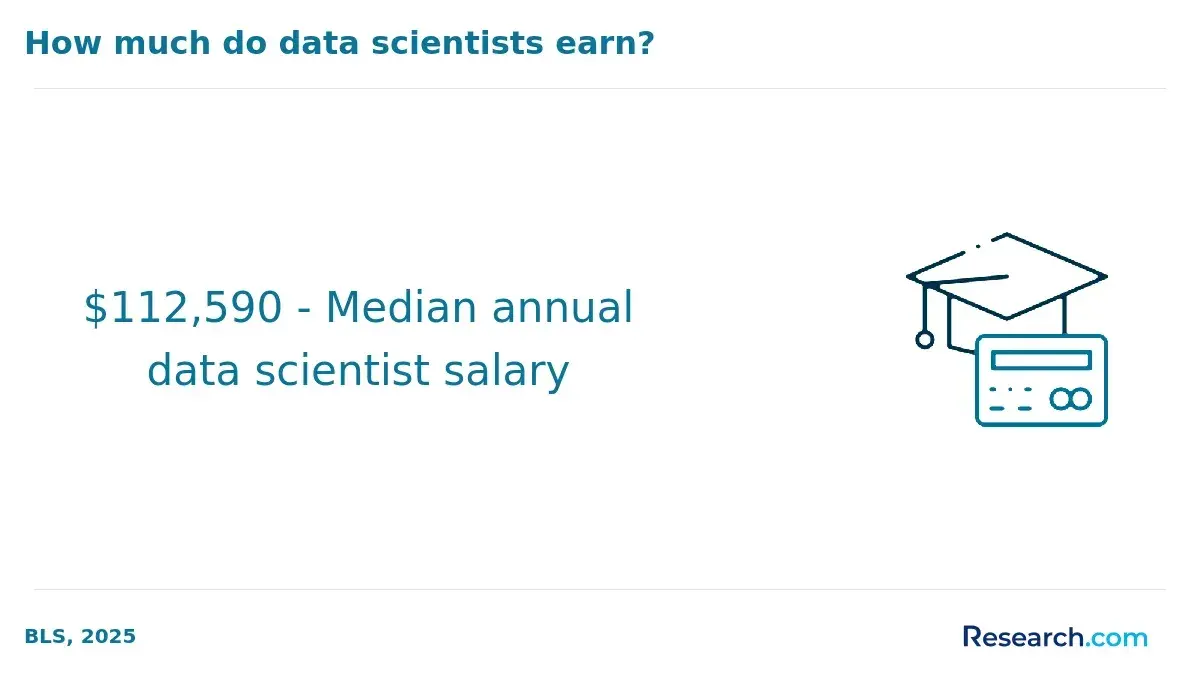
- Top AI programs report median starting salaries exceeding $95,000, underscoring strong market demand for graduates with practical skills in 2026.
What AI degree programs have the strongest graduation outcomes?
Carnegie Mellon University stands out among ai degree programs with highest graduation rates, reporting a 94% employment or graduate school placement rate within six months of graduation for its AI bachelor's students, along with an average starting salary of $159,333. This success is driven by a rigorous curriculum, strong industry partnerships, and rich research opportunities.
Top US artificial intelligence degree programs for graduation success typically emphasize applied learning and real-world experience. Key features to look for include:
- Internships or co-op placements embedded in the curriculum.
- Hands-on projects using current AI datasets and tools.
- Connections with industry leaders who offer mentorship and job placement support.
- Interdisciplinary coursework combining computer science, mathematics, and AI applications tailored to specific domains.
Students choosing programs without these elements may encounter lower employment rates or less competitive salaries. Comprehensive career services, active alumni networks, and continuously updated AI curricula aligned with industry standards enhance graduation outcomes.
For working professionals seeking career changes, flexible program formats-such as part-time or online options-should still include these impactful components to maintain strong results. Graduates from well-regarded programs benefit from reputations that open doors in competitive job markets.
To explore affordability alongside quality, prospective students can refer to the data science major ranking for additional insights when selecting a program.
How do accredited AI programs differ from nonaccredited ones?
Accredited artificial intelligence degree programs offer significant benefits over nonaccredited options by ensuring quality assurance, recognition, and better outcomes. Accreditation confirms a program meets rigorous educational standards set by recognized bodies, ensuring updated curricula, qualified faculty, and adequate resources. This is essential for students seeking employer confidence and eligibility for certifications or further studies.
Programs lacking accreditation often have inconsistent curricula and outdated content, which can hinder credit transfer and limit access to federal financial aid. Students in nonaccredited programs may face additional challenges, impacting their long-term career prospects.
Graduation rates tend to be higher in accredited programs. For instance, the online OMSCS at Georgia Tech, with AI concentrations, is accredited and boasts an 88% graduation rate at a total cost of $7,238, making it one of the best-value options, according to Hakia. These programs emphasize practical skills aligning with current industry requirements, greatly improving student retention and success.
- Employer preference for graduates of accredited programs due to assured education quality.
- Access to scholarships and federal financial aid mainly available to accredited program students.
- Curricula reflecting advancements in AI versus outdated content in nonaccredited degrees.
- Enhanced support services such as mentorship and career placement in accredited programs.
Students researching AI degrees should carefully evaluate accreditation status as a priority for educational rigor and career advantages. For those seeking cost-effective options, exploring a cheap online engineering degree may also provide valuable pathways to entering the field.
Are online AI degrees respected by employers?
Online AI degrees from accredited and reputable institutions have gained significant respect from employers, especially for skilled technology roles. Employers prioritize the value of accredited AI degree programs that feature rigorous curricula, practical projects, and involvement from recognized faculty over the delivery mode. Graduates of top-tier online programs report career outcomes comparable to those of on-campus students, demonstrating strong professional readiness.
For instance, Stanford computer science graduates specializing in AI fields can earn more than $331,000 annually within 4-5 years post-graduation, underscoring the long-term return on investment for high-quality programs.
When assessing an online AI degree, consider key factors such as:
- Accreditation by recognized agencies
- Hands-on experience using current AI tools and technologies
- Opportunities for networking via industry partnerships or alumni networks
- The university's reputation in computer science and AI research
Employers across finance, healthcare, and tech sectors hire candidates with proven expertise regardless of whether their education was online or on-campus. Certifications and project portfolios are especially important for boosting employment prospects. Well-designed online AI degrees provide these credentials to enhance employer confidence.
Prospective students interested in related fields may also explore options like a cyber security degree to broaden their skill set and career opportunities.
Which AI degree paths lead to the best jobs?
The AI degree programs with highest employment rates in the US often feature specialized tracks like machine learning, robotics, and natural language processing. Among these, machine learning delivers the strongest career outcomes. According to 2024 BLS OES data reported by Hakia, machine learning engineers earn a median salary of $164,500, with job growth projected at 23% through 2032. This data underscores the benefit of pursuing AI degrees focused on machine learning techniques and applications.
Programs concentrated on machine learning develop skills in algorithm design, data analysis, and model optimization-capabilities valued across industries such as healthcare and finance. Robotics tracks combine AI with mechanical engineering and control systems, preparing graduates for roles in automation and smart manufacturing. Other promising AI career paths with best salary outcomes include data science-focused degrees blending statistical methods with AI, leading to positions as data engineers or AI analysts.
Students should seek AI degrees that incorporate hands-on projects, internships, and industry collaborations to boost employability. Degrees labeled "AI with specialization in machine learning" or "AI and robotics" tend to offer clearer professional pathways than more general AI programs. Additionally, courses in ethical AI and interpretability address rising employer demand for responsible AI practitioners.
Prospective learners can explore program options such as masters data analytics to find degrees aligned with these specialized tracks. Aligning your education with labor market forecasts enhances chances of securing high-paying, in-demand AI roles after graduation.
What courses are in an AI degree curriculum?
An AI degree typically combines foundational studies in computer science and mathematics with specialized courses in artificial intelligence. Core subjects include machine learning, data structures and algorithms, probability and statistics, and programming languages such as Python or Java. Mastering these fundamentals allows students to design and optimize AI models effectively.
Specialized courses cover topics like neural networks, natural language processing, computer vision, and robotics. For instance, natural language processing trains AI systems to understand and generate human language, which is vital for virtual assistants. Robotics focuses on integrating AI with physical systems, preparing students for innovation in automation and autonomous vehicles.
Students also explore ethics in AI, addressing concerns about bias, privacy, and societal impact. Additional coursework in data mining and big data management equips learners to handle extensive data sets essential for modern AI development.
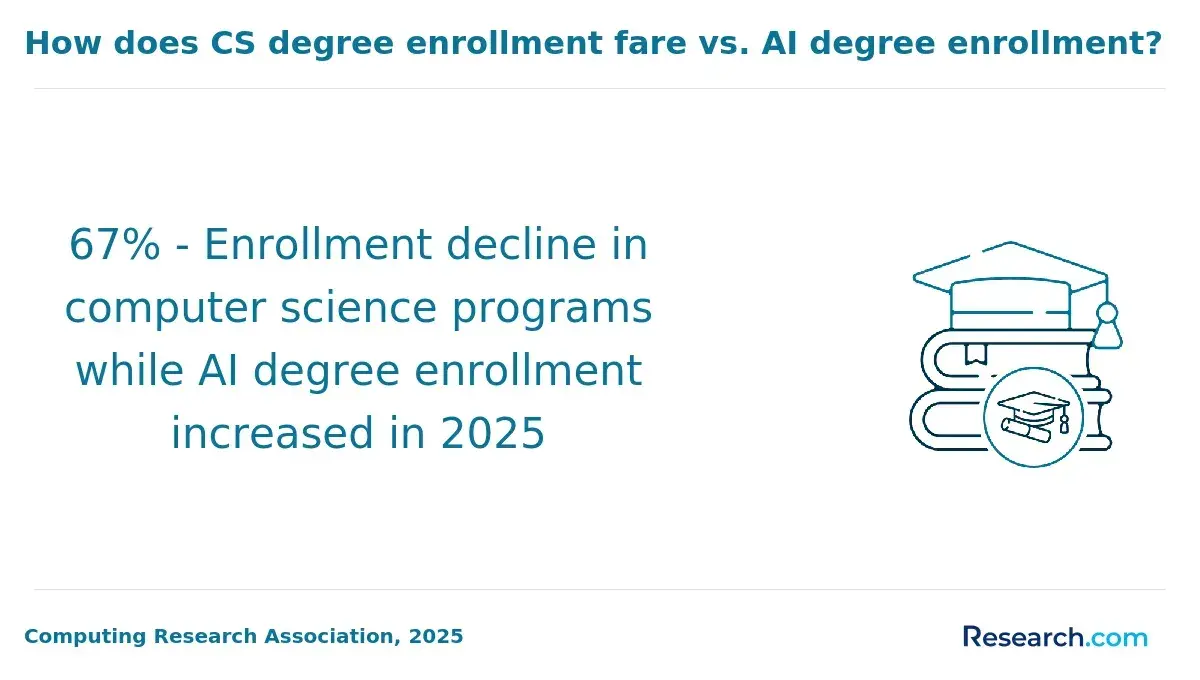
Practical experience is integral, gained through programming labs, projects, or internships simulating real-world scenarios. The EU's 2024 AI Monitor highlights that 67% of students graduating from AI programs obtained AI diplomas and most moved directly into employment, reflecting strong demand for applied skills.
Electives often include AI-driven cybersecurity, reinforcement learning, and applications in healthcare or finance, offering flexibility to tailor education toward varied career paths.
What admissions requirements do AI degree programs usually ask for?
Applicants to AI degree programs in the U.S. typically need a solid background in mathematics, computer science, or related STEM areas. For bachelor's programs, a high school diploma with strengths in calculus and programming is often required. Master's programs usually expect an undergraduate degree in computer science, engineering, or a closely related field, along with coursework in data structures, algorithms, probability, and statistics.
Standardized tests like the GRE may be necessary for some master's degrees, with competitive programs frequently requiring scores above the 75th percentile in quantitative sections. Strong letters of recommendation from professors or employers who can vouch for analytical abilities and research potential are crucial. A detailed statement of purpose outlining AI interests and career goals also enhances admission prospects.
Work experience or projects related to AI can strengthen applications, especially if academic backgrounds are less conventional. Proficiency in programming languages such as Python, Java, or C++ is critical. International applicants must usually provide proof of English proficiency through TOEFL or IELTS scores.
The number of AI programs has surged recently, with U.S. master's programs growing from 116 to 310 and bachelor's programs doubling from 90 to 193 over a few years, according to MastersInAI.org's 2025 AI Degree Report. Given this competition, applicants should carefully meet all prerequisites and submit thorough applications to improve their chances.
How long does an AI degree take, and what does it cost?
A bachelor's degree in artificial intelligence generally requires four years, while a master's degree typically takes one to two years of full-time study. Accelerated master's programs are available at some universities, allowing completion in as little as one year. Part-time and online options offer flexibility for working professionals, though they may extend the timeline to three or more years.
Costs vary widely depending on the institution and degree level: undergraduate tuition at public universities ranges from $10,000 to $40,000 per year for in-state students, with private universities charging up to $60,000. Graduate programs usually cost between $20,000 and $50,000 annually. Additional expenses include fees, textbooks, and technology.
Compared to short-term training like bootcamps and certificate programs, AI degrees require more time and financial commitment but often lead to significantly higher earnings. According to Northeastern Graduate Programs, graduate-level AI degrees correlate with six-figure salaries. Roles such as AI engineer and applied AI specialist frequently offer median salaries exceeding those in related tech positions.
Prospective students should consider these factors carefully: bootcamps can last weeks to months and are less expensive but rarely match the career and salary potential offered by full AI degree programs. Those aiming for advanced positions and higher compensation will benefit most from pursuing a formal degree.
What salaries do AI degree graduates typically earn?
Graduates with degrees focused on artificial intelligence can expect starting salaries between $85,000 and $115,000 annually. Experienced professionals often see earnings exceed $150,000 within five years, with these numbers influenced by job role, location, and industry sector. For example, AI specialists in technology hubs like Silicon Valley or New York typically command higher wages than those in other regions.
Entry-level positions such as AI engineers, machine learning specialists, and data scientists usually earn between $90,000 and $110,000. More advanced roles, including managerial or research positions, may reach $130,000 or more. Employers increasingly prioritize candidates skilled in generative AI tools, as this expertise strongly correlates with job alignment and productivity, according to research.com and studies from the National Library of Medicine.
Hands-on experience with generative AI models and frequent use of AI technologies during academic training significantly enhance employability and salary prospects. In contrast, graduates without these competencies often accept less specialized roles with 10% to 20% lower salaries.
Continuous skills development and specialization in subfields like natural language processing, computer vision, and robotics are key to salary growth. For professionals, upskilling in generative AI frameworks can lead to meaningful wage increases and career advancement opportunities.
What jobs can you get with an AI degree?
An AI degree equips graduates for a wide range of roles in technology and data-driven sectors. Common career paths include machine learning engineer, data scientist, AI research scientist, and software developer specializing in intelligent systems. These jobs require strong skills in algorithms, programming languages like Python or R, and data analysis. Additionally, AI product manager roles combine technical expertise with strategic business knowledge.
Increasing opportunities exist in specialized fields such as robotics engineering and computer vision, driven by advances in hardware and image recognition. Natural language processing (NLP) specialists contribute to systems that understand and generate human language, enhancing virtual assistants and automated support services.
Entry-level salaries for many AI positions often exceed $90,000 annually, with rapid growth potential as expertise develops. Employers range from startups and established corporations to government agencies and research labs. AI degrees also open doors to careers in AI ethics and policy, addressing societal and regulatory challenges.
Affordable education options, like the University of Central Florida's AI degrees priced at $4,478 per year with a 93% graduation rate, offer valuable pathways into these fields. Programs emphasizing hands-on projects and internships help students build proficiency in statistical modeling, neural networks, and cloud computing, enhancing employability across sectors such as finance, healthcare, and autonomous systems.
Which AI certifications matter most for career readiness?
AI certifications that enhance career readiness emphasize practical skills, industry relevance, and recognition by employers. Leading credentials like TensorFlow Developer, Microsoft Certified: Azure AI Engineer, and IBM AI Engineering Professional Certificate offer hands-on experience with machine learning models, cloud AI platforms, and data science workflows.
Employers often seek certifications proving expertise in key areas such as natural language processing, computer vision, and deep learning frameworks. Additionally, certifications highlighting proficiency in programming languages like Python or R combined with AI libraries carry significant value. Credentials from reputable providers or those linked with recognized tech companies are particularly respected in the hiring process.
Adding foundational certifications in data science, statistics, or cloud computing can boost career prospects by addressing the interdisciplinary nature of AI roles. Practical project experience embedded within certification programs, such as capstone projects, enables candidates to showcase real-world skills through portfolios, setting them apart in recruitment.
According to Hakia, AI professionals with degree-level credentials earn a median salary of $136,620 annually, supported by a projected 25% job growth through 2032. This highlights the strong career outcomes tied to recognized AI qualifications. Prospective students should prioritize certifications aligned with employer demands and measurable skill acquisition to maximize career readiness.
Other Things You Should Know About Artificial Intelligence
Graduates from 2026 AI degree programs often secure positions such as Machine Learning Engineer, Data Scientist, AI Research Scientist, and Robotics Engineer. These roles are critical in industries like technology, healthcare, and finance, reflecting the broad applicability of AI expertise.
Yes, many US institutions offer AI degree programs open to international students. Applicants typically need to demonstrate proficiency in English through tests like TOEFL or IELTS and meet the same academic standards as domestic students. Visa requirements and application procedures vary by school and should be carefully reviewed before applying.
Internships and cooperative education provide hands-on experience with real-world AI projects, bridging the gap between classroom learning and industry practice. These opportunities help students build networks, develop technical skills, and increase employability upon graduation. Many AI programs encourage or require internships as part of the curriculum.
Yes, ethical considerations are an important component of many AI degree programs. Students learn about topics such as bias in algorithms, data privacy, and the social impact of AI technologies. This focus prepares graduates to develop responsible and fair AI solutions in their professional careers.
References
- What Are the Career Paths After a Bachelor of Science in AI https://tetr.com/blog/what-are-the-career-paths-after-a-bachelor-of-science-in-ai
- Blog https://admissiongoals.com/post/ai-machine-learning-programs-europe-admission-guide-international-students
- How Employers View Online Degrees: Interviews with Nine Hiring Executives https://www.onlineeducation.com/features/how-employers-view-online-degrees
- Everything About The Best Degrees for a Career in AI https://mail.uou.edu.kg/uou-news/the-best-degrees-for-a-career-in-ai-ym4150
- Professional AI Training: How to Choose the Right Program https://www.strategicaileader.com/professional-ai-training-how-to-choose-the-right-program/
- What Do You Learn In an Artificial Intelligence Course? | CompSci https://www.computerscience.org/resources/artificial-intelligence/
- AI Engineer vs AI Developer Salary: What To Expect | Walbrook https://www.walbrook.ac.uk/subjects/ai/ai-engineer-salary/
- 11 AI certifications to grow your career https://www.cio.com/article/4175403/11-ai-certifications-to-grow-your-career.html
- Accredited vs. Non-Accredited Training Providers: What’s the Real Difference? https://aaa-accreditation.org/accredited-vs-non-accredited-training-providers-whats-the-real-difference/
- Online Bachelor’s Degree: Artificial Intelligence https://www.umgc.edu/online-degrees/bachelors/artificial-intelligence-ai