2027 Why Business Professionals Are Studying AI

Co-Founder and Chief Data Scientist
Many business professionals face stagnation as industries rapidly integrate artificial intelligence. Without foundational AI knowledge, adapting to evolving market demands becomes challenging, risking job security and career growth. Traditional skill sets alone often fall short in meeting new technological requirements. This gap leaves individuals uncertain about how to pivot effectively or contribute meaningfully to AI-driven projects within their organizations.
The article examines why acquiring AI expertise is essential for business professionals seeking practical, accredited pathways to enter this transformative field. It aims to guide readers in understanding key motivations and opportunities to transition smoothly into an AI-focused career.
Key Things You Should Know
- By 2025, over 60% of U.S. business professionals reported upskilling in artificial intelligence to stay competitive amid rapid automation and AI-driven decision making.
- Demand for AI literacy is driven by its impact on diverse industries, with 72% of companies integrating AI tools to enhance efficiency and innovation.
- Understanding artificial intelligence increases career flexibility, as roles involving AI command 20-35% higher salaries than non-AI-related positions in similar fields.
Why are business professionals increasingly studying artificial intelligence to advance their careers?
Business professionals adopting artificial intelligence skills to enhance careers is becoming increasingly important as 37% of large U.S. firms are expected to implement AI in their operations by 2025. AI literacy helps professionals improve decision-making, automate routine tasks, and elevate data analysis. For example, marketing managers skilled in AI-driven analytics can better forecast consumer behavior, while finance experts utilize AI to detect fraud and refine risk assessments. These capabilities directly benefit career advancement by demonstrating measurable business impact.
The impact of artificial intelligence training on career advancement for business leaders is evident as AI expertise bridges gaps between technical teams and management, fostering better collaboration and strategic execution. Professionals proficient in AI tools often move into leadership positions, driving projects that align technology with organizational goals.
AI education also supports smooth career transitions into emerging fields like machine learning operations, AI ethics, and data science. Across industries including healthcare, logistics, and customer service, foundational knowledge of AI concepts and ethical considerations is valuable. Continuous learning signals adaptability and forward-thinking, qualities highly prized by employers.
Many prospective students explore various educational paths in AI, with rankings guiding decisions. For instance, those looking to deepen their expertise may consult the data science master rank to find affordable programs tailored to evolving field demands.
What core AI skills and concepts do business professionals need to stay competitive?
Business professionals need a range of essential AI skills for competitiveness. Core knowledge includes machine learning fundamentals like supervised and unsupervised learning, which promote data-driven decision-making over intuition. Familiarity with natural language processing enhances abilities to use AI tools for text analysis, customer service automation, and sentiment analysis improvements.
Data literacy is critical-professionals must accurately interpret datasets, build data pipelines, and collaborate with data scientists. Skills in AI ethics and governance help ensure responsible AI use, reducing biases and meeting evolving regulations. Automation platform expertise and AI integration techniques smooth adoption across sales, marketing, and operations.
Practical experience in programming languages such as Python or R, plus AI frameworks like TensorFlow and PyTorch, fosters hands-on capabilities. Even without coding ambitions, understanding AI models aids communication with technical teams. Business professionals focused on key AI concepts for business decision making can evaluate AI projects' ROI, measure impact on KPIs, and strategize accordingly.
Jobs requiring AI specialist knowledge offer around a 25% wage premium, highlighting how proficiency boosts career prospects. Mastering AI also addresses challenges like optimizing marketing campaigns with predictive analytics or improving supply chain forecasting. For those seeking education options, a cheapest online computer engineering degree can provide an accessible path to building these skills.
Which degrees, certificates, and bootcamps best prepare business professionals to work with AI?
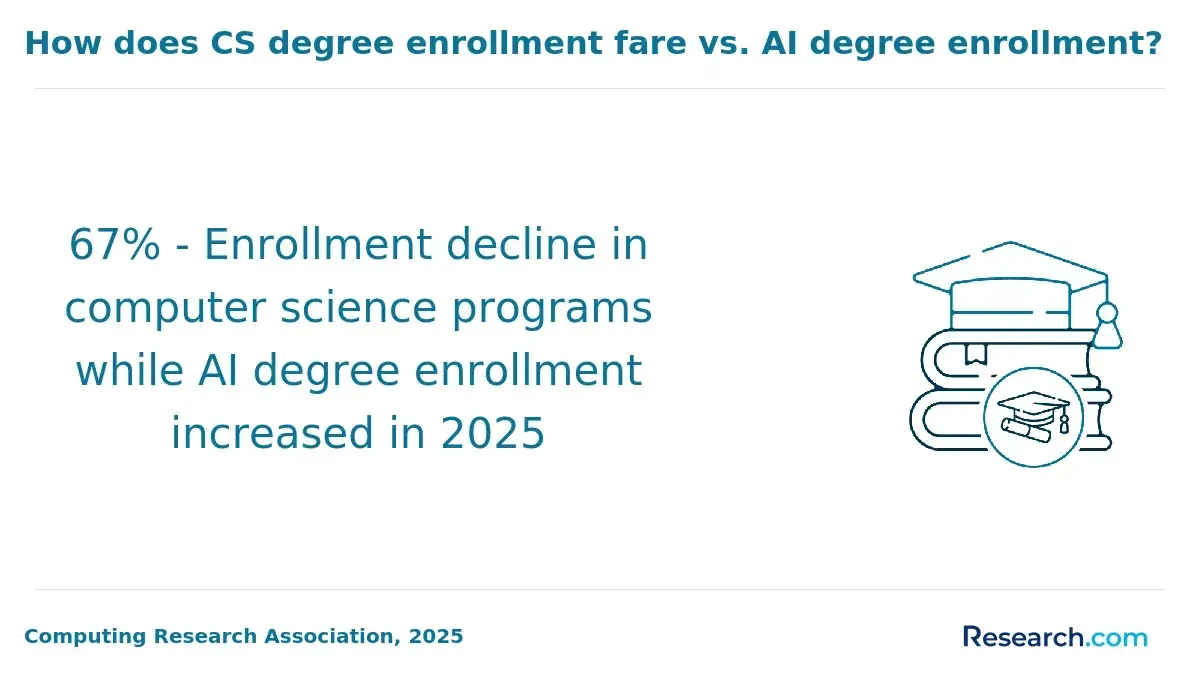
The degrees, certificates, and bootcamps best suited to prepare business professionals for working with AI focus on a blend of technical expertise and industry-specific knowledge. Bachelor's and master's degrees in data science, computer science, and business analytics remain highly valuable, often integrating machine learning, data management, and algorithmic decision-making tailored for business applications. For those seeking advanced study, online AI PhD programs offer deep specialization essential for leadership roles.
Targeted certificate programs provide practical skills in AI implementation, strategy, and ethical considerations, making them ideal for professionals without extensive technical backgrounds. These programs typically last from a few months to a year, fitting working professionals' schedules. Bootcamps, focused on business applications of AI, deliver intensive hands-on training in areas such as Python programming, natural language processing, and AI-driven business modeling within 8 to 12 weeks.
With 88% of companies using AI in at least one business function-a rise from 78% the prior year-business professionals must pursue education balancing technical fluency with strategic insight. Programs featuring collaboration between AI specialists and business leaders, case studies, and applied AI ethics training prepare professionals to manage or consult on AI-driven projects. Specializations that combine AI with finance, marketing, or supply chain management enhance career prospects.
How do online AI programs for business professionals compare with campus-based options?
Online AI certification programs for business professionals offer greater flexibility than campus courses, allowing learners to balance work and study with self-paced modules, live virtual sessions, and cohort-based interactions without geographic limits. Campus-based courses provide in-person networking, access to campus resources, and structured environments, which benefit those who prefer direct guidance and immersive settings.
Curriculums in online programs often update faster to keep pace with rapid advancements in AI technologies. Many online offerings emphasize practical skills such as AI integration in business analytics, automated decision-making, and customer engagement tools.
Campus courses typically cover foundational AI theories more extensively but may lag in delivering the latest market-driven skills. When comparing the best options for business professionals studying AI online versus on campus, these differences in focus and delivery methods are critical.
Cost and duration also vary significantly. Online programs usually cost 30-50% less and last a few weeks to months, making them ideal for mid-career professionals seeking quick reskilling. Campus programs generally require semesters and higher tuition, better suited for those pursuing comprehensive credentials like master's degrees.
Jobs requiring AI specialist skills have grown 3.5 times faster than the overall labor market since 2016, highlighting the need for continuous and responsive education where online certification excels. For professionals considering graduate study, reviewing the best masters in data analytics programs is helpful to identify quality campus options aligned with AI education goals.
What AI courses and specializations are most relevant for roles in business, finance, and marketing?
AI courses geared toward business, finance, and marketing professionals emphasize practical skills in data analytics, machine learning, and automation tools. Key areas include predictive analytics for financial forecasting, natural language processing (NLP) to analyze customer sentiment, and AI-driven marketing optimization techniques. Mastering machine learning algorithms allows professionals to assess and apply models that enhance decision-making and operational efficiency.
Hands-on experience with AI platforms such as TensorFlow, Python for data science, and AI-powered CRM software is highly valuable. Specializations blending AI with business strategy help leaders incorporate AI tools into workflows, supporting digital transformation and innovation. Finance professionals benefit from AI-based fraud detection, risk assessment, and algorithmic trading insights, so courses covering FinTech with AI components are particularly useful.
- Marketing courses focus on AI-enabled consumer behavior modeling, automated content creation, and programmatic advertising.
- Deploying AI-powered customer segmentation and personalization tools can significantly boost marketing performance.
Business analysts and managers gain from curricula addressing AI ethics and governance, tackling data privacy and bias concerns. According to McKinsey, 50% of organizations using AI in multiple business areas already see notable productivity improvements. This highlights the need for multi-disciplinary AI education tailored to specific roles, balancing technical skills with domain expertise for real-world impact.
What are the typical admission requirements for AI-focused business programs and certificates?
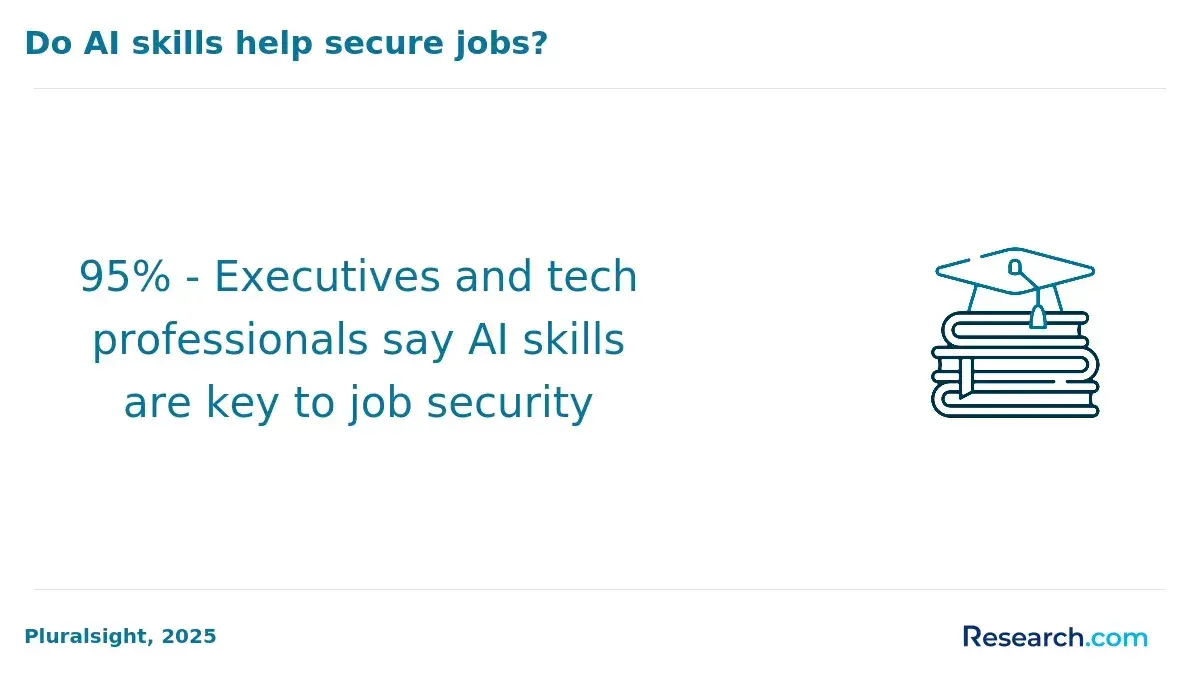
Admission requirements for AI-focused business programs and certificate courses typically include a bachelor's degree from an accredited institution, often in business, technology, or related fields. Some programs may accept candidates with equivalent professional experience when a formal degree is absent. Proficiency in quantitative skills such as statistics, data analysis, or basic programming is commonly required, supported by relevant coursework or work history.
Applicants often need to demonstrate a minimum GPA around 3.0, especially for undergraduate or graduate certificates. Graduate-level certificates usually expect three to five years of professional experience, particularly in roles involving decision-making or technology adoption. Standardized test scores are less common but may be requested for competitive programs, especially at the MBA level with AI specialization tracks. International students must provide proof of English proficiency.
Application materials generally include a statement of purpose outlining motivation for pursuing artificial intelligence in business and its alignment with career goals. Some schools conduct interviews to evaluate commitment and understanding of AI's impact on business. With data from McKinsey showing an average return of $3.70 for every $1 invested in generative AI, AI literacy is increasingly vital for business professionals aiming to leverage technology strategically.
How can business professionals verify accreditation and program quality for AI studies?
Business professionals seeking quality AI education should verify program accreditation through recognized bodies such as the Accreditation Board for Engineering and Technology (ABET) and regional accreditors like the Middle States Commission on Higher Education or the Higher Learning Commission. These organizations ensure programs comply with rigorous academic and industry standards.
Key elements to assess include curriculum content covering machine learning, neural networks, data ethics, and computational theory. Reviewing faculty credentials is essential-look for instructors with active research, industry experience, or certifications from bodies like the Association for the Advancement of Artificial Intelligence (AAAI). Institutional partnerships with leading AI companies or research centers can provide valuable practical experience via internships or projects.
Professionals should also examine alumni success rates, job placement statistics, and independent student reviews to gauge program effectiveness. Updated course content aligned with evolving technologies is vital, especially as PwC highlights that AI will require workers to change 70% of their skills by 2030. Practical examples include business schools whose AI certificates are accredited and endorsed by industry partners or that integrate case studies reflecting real-world AI applications across finance, healthcare, and marketing.
What does it cost to study AI as a business professional, and what financial aid exists?
Costs for studying artificial intelligence as a business professional vary widely by program type and format. Online certification courses typically range from $300 to $3,000 and offer flexible, focused learning experiences. More extensive part-time university programs or coding bootcamps usually cost between $10,000 and $30,000. Executive education programs blending artificial intelligence with leadership skills can exceed $30,000 but provide valuable networks and credentials.
Many large employers (37% of firms with 250+ employees) support upskilling through tuition reimbursement or training sponsorships to keep pace with technological advances. Financial aid options include employer sponsorship, scholarships for tech professionals, and federal student aid through FAFSA for accredited degree programs.
Additional funding sources include professional organizations offering scholarships, crowdfunding, and income share agreements (ISAs), especially relevant for bootcamp learners. When considering costs, professionals should also account for indirect expenses such as time off work and software access.
These strategies, combined with awareness of employer trends and funding options, help optimize investment in artificial intelligence education for career advancement.
What AI-related job roles, industries, and career paths are open to business graduates?
Business graduates with skills in artificial intelligence can access a variety of roles that bridge technology and management. Common positions include AI product managers who guide development and integration of AI tools, AI business analysts who translate data insights into strategic actions, and machine learning project coordinators who lead teams deploying AI solutions. Emerging roles like AI ethics officers focus on fairness and regulatory compliance.
Industries leveraging AI expertise include finance, healthcare, marketing, and supply chain management:
- Finance applies AI in risk assessment and fraud detection.
- Healthcare uses AI for diagnostics and patient care systems.
- Marketing relies on AI for customer segmentation and predictive analytics.
- Supply chain management benefits from AI-driven logistics optimization and demand forecasting.
Career paths often combine technical knowledge with leadership. Graduates may begin in AI analysis or consulting before advancing to roles such as Chief AI Officer or Director of Digital Strategy. Certifications in AI project management or data analytics enhance prospects. Employers prioritize candidates who grasp both AI capabilities and business strategy, facilitating effective collaboration across functions.
Despite these opportunities, many U.S. workers remain anxious about AI's job impact, with 52% expressing concern per the AI Is Already Affecting Employment Expectations report. Staying adaptable by developing both technical proficiency and strategic thinking is key to success in this evolving job market.
What salary ranges and long-term job outlook can business-focused AI learners expect?
Business professionals with AI expertise see salary ranges influenced by role, experience, and industry sector. Entry-level positions, including AI business analysts and data analysts, typically earn between $70,000 and $90,000 annually. Mid-career roles like AI project managers and machine learning product managers generally earn $110,000 to $140,000. Senior professionals such as AI strategy consultants or lead AI engineers with business expertise can command salaries exceeding $160,000, sometimes reaching beyond $200,000 depending on company size and location.
The long-term job outlook for those combining AI with business skills is strong. PwC reports that jobs requiring AI specialist skills have grown 3.5 times faster than the overall job market since 2016, reflecting rising demand in finance, healthcare, retail, and technology sectors.
Advancement often depends on blending AI literacy with data analytics, change management, and domain-specific knowledge. For example, marketing managers leveraging AI-driven consumer insights tend to experience greater job security and salary growth.
To enhance career prospects, focus on hands-on experience with AI tools, strategic problem-solving, and roles bridging technical and business functions. Certifications in AI and data science, combined with strong communication skills, significantly improve employability and compensation.
Other Things You Should Know About Artificial Intelligence
Artificial intelligence affects data security by both enhancing and complicating protection measures. AI-powered tools can detect threats faster and respond to breaches more efficiently. However, AI systems themselves may become targets for adversarial attacks, necessitating continual updates and robust cybersecurity strategies.
Common limitations include dependence on high-quality data and the inability to understand context like a human can. AI models may fail when data is incomplete or unrepresentative, leading to inaccurate predictions. Moreover, AI lacks creativity and intuition, which are often essential for complex business decisions.
AI is becoming more accessible through user-friendly platforms that require little coding knowledge. Many vendors offer AI-as-a-service models with pre-built tools for data analysis and automation. Additionally, low-code and no-code AI solutions enable business professionals to customize AI applications without deep technical expertise.
In 2027, artificial intelligence aids business professionals by analyzing vast datasets to foresee trends and assist in strategic planning. This technology facilitates informed decisions, enhancing operational efficiencies across sectors. To delve deeper, consider beginner-friendly artificial intelligence master’s programs.
References
- How Will AI Affect the Global Workforce? https://www.goldmansachs.com/insights/articles/how-will-ai-affect-the-global-workforce
- The Impact of AI on Job Roles, Workforce, and Employment: What You Need to Know | Innopharma Education https://www.innopharmaeducation.com/blog/the-impact-of-ai-on-job-roles-workforce-and-employment-what-you-need-to-know
- 86% of companies expect AI to transform their business by 2030. Here’s how employers are preparing. https://www.workera.ai/blog/companies-expect-ai-to-transform-their-business-by-2030
- Why AI Is A Massive Job-Creation Technology, Despite What You Think JOSH BERSIN https://joshbersin.com/2026/03/why-ai-is-a-massive-job-creation-technology-despite-what-you-think/
- Executives learn to manage AI for the benefit of their business https://28digital.eu/newsroom/news/2022/executives-learn-to-manage-ai-for-the-benefit-of-their-business/
- Quality Assurance with AI and Automation: The Prospects for Educational Assessment https://www.ieac.org.uk/40-Quality-Assurance-with-AI-and-Automation-The-Prospects-for-Educational-Assessment-blog.php
- AI Skills in Demand for Career Growth - MIA Digital University https://miauniversity.com/ai-skills-in-demand-for-career-growth/
- AI Course Comparison for Australian Businesses: Learning Online https://www.mylearningonline.com.au/blog/ai-course-comparison-choosing-the-right-training-for-your-australian-business/
- AI in business - Warsaw University of Technology Business School https://biznes.edu.pl/en/ai-in-business/
- Professional Diploma in AI for Business | AI Certified https://www.becomeaicertified.com/certifications/postgraduate-diploma-in-ai