2027 Artificial Intelligence Degree Programs Best for Finance Careers

Co-Founder and Chief Data Scientist
Professionals with non-technical backgrounds often face challenges entering the finance sector's increasingly AI-driven environment. Many struggle to find degree programs that balance technical depth with flexibility, allowing them to transition careers without extensive prior experience. This gap makes it difficult to acquire relevant skills for roles in algorithmic trading, risk assessment, and financial forecasting.
Choosing the right program can accelerate career growth while providing the necessary credentials recognized by employers. This article explores top artificial intelligence degree programs tailored for finance careers, focusing on accreditation, curriculum relevance, and adaptable learning paths to guide prospective graduate students effectively.
Key Things You Should Know
- Top artificial intelligence degree programs for finance integrate machine learning and data analysis to meet the 23% projected growth in AI-related finance roles by 2030.
- Programs often combine coursework in quantitative finance, algorithmic trading, and risk management, emphasizing practical AI applications in financial decision-making.
- Graduates with AI expertise in finance report 15-25% higher starting salaries compared to traditional finance degrees, reflecting strong industry demand and specialization value.
What are the best artificial intelligence degree programs for finance careers?
The best artificial intelligence degree programs for finance integrate strong AI technical training with finance-specific applications. Stanford's MS in Computer Science and Carnegie Mellon's MS in AI rank among the top U.S. graduate programs, offering pathways for students pursuing top artificial intelligence finance career degrees.
Stanford's curriculum focuses on AI algorithms, machine learning, and data science, essential for creating quantitative models and automated trading systems in finance. It includes practical projects addressing challenges like fraud detection and portfolio optimization.
Carnegie Mellon emphasizes reinforcement learning and natural language processing, technologies used in algorithmic trading and sentiment analysis. Its collaboration with the Tepper School of Business equips students with skills for roles such as financial analyst, automation, and credit scoring model development.
Other notable programs blending AI with finance or economics include MIT's AI and Finance track and UC Berkeley's AI in Business Analytics, which tackle domain-specific problems like derivatives pricing and regulatory compliance. Students interested in an artificial intelligence major for finance should look for programs offering:
- A solid AI foundation with machine learning, neural networks, and data engineering.
- Finance-related courses or electives.
- Industry partnerships or internships with fintech firms.
- Faculty research focused on AI-driven financial models.
Graduates from these top programs benefit from a strong industry reputation and hiring networks in quantitative finance, risk management, and fintech innovation. For more insights on career opportunities, explore artificial intelligence major career paths and potential roles.
What degree level in AI is needed for finance roles?
The degree level most commonly required for finance roles involving artificial intelligence is typically a master's degree. According to the U.S. Bureau of Labor Statistics, entry-level education for computer and information research scientists, a role central to AI development and increasingly vital in quantitative finance and model risk management, is a master's degree.
Finance professionals aiming for AI-focused careers benefit significantly from a master's in artificial intelligence, data science, or related fields such as machine learning and computer science. These programs develop analytical skills and practical expertise needed to build sophisticated financial models. Coursework often includes statistical analysis, algorithm development, and ethical AI use.
Bachelor's degrees may suffice for entry-level AI implementation roles, but positions requiring research, model innovation, or complex quantitative analysis usually call for graduate education. Doctoral degrees can be advantageous for specialized AI research or leadership in financial technology innovation. Working professionals transitioning from finance or computer science can explore part-time or online master's programs to bridge skills gaps efficiently.
Certifications typically complement but do not replace the comprehensive knowledge provided by advanced degrees. For prospective students looking for affordable options in technical fields, exploring the cheapest online mechanical engineering degree programs may provide insights into cost-effective graduate education models.
Overall, the degree level required for artificial intelligence finance careers is most often a master's degree, ensuring candidates meet rigorous industry standards and technical expectations.
What careers can you get with an AI degree in finance?
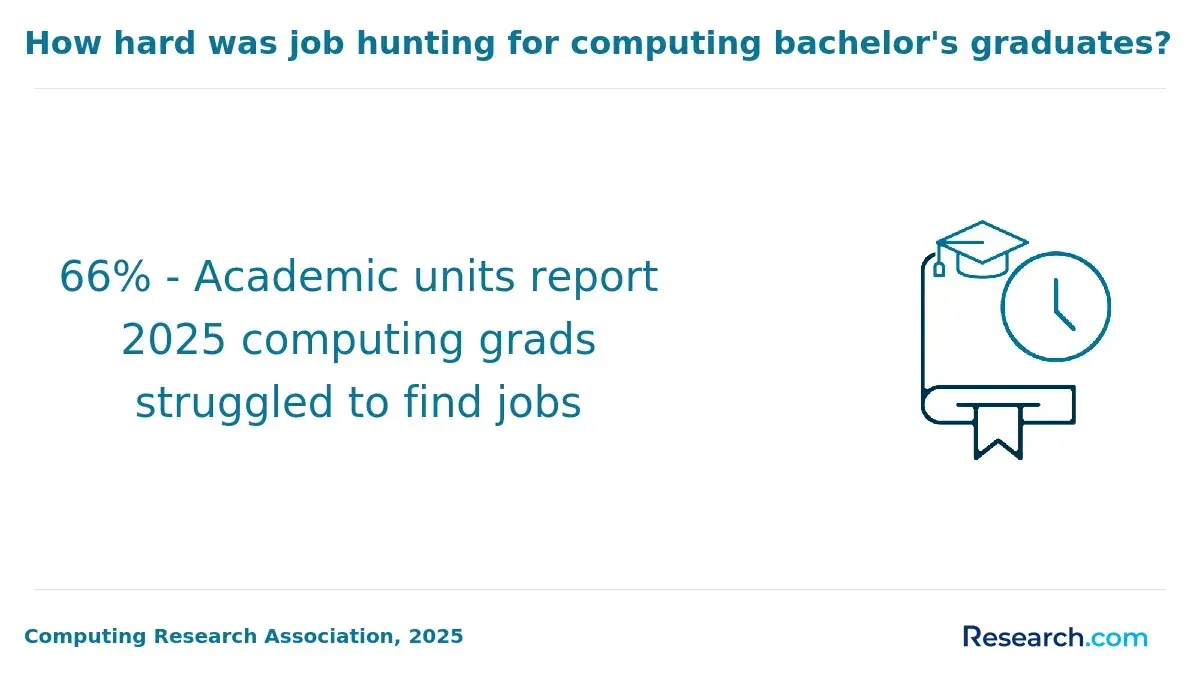
An AI degree in finance leads to careers that combine advanced computing with financial analysis. Common roles include quantitative analysts, who create AI-driven trading algorithms to enhance investment strategies, and financial data scientists, who analyze vast financial datasets to inform decisions. Risk analysts also use AI models to predict and reduce market and credit risks, a critical function in banking and insurance.
Other important positions are information security analysts who safeguard financial institutions against cyber threats using AI for intrusion detection and response. Portfolio managers increasingly depend on AI to automate asset allocation and monitor performance. Fintech product managers merge domain expertise with AI capabilities to develop innovative financial services.
These finance roles for artificial intelligence degree holders require skills in machine learning, natural language processing, and finance-specific data analytics. Understanding financial regulations and compliance is essential, and employers value candidates able to translate complex AI models into practical strategies.
The U.S. Bureau of Labor Statistics highlights Data Scientist and Information Security Analyst as fast-growing occupations, with projected growth of 35% and 32%, respectively, through 2032. These roles are vital in banks, fintech firms, and trading companies. Prospective students can find valuable options by exploring AI degree programs designed for flexible, affordable learning.
Graduates should weigh a technical path, such as AI algorithm development, against business-focused roles applying AI insights in management and strategy. Certifications in financial modeling or cybersecurity complement an AI degree and improve prospects.
How do AI finance programs differ for online versus on-campus students?
AI finance degree online versus on-campus options show clear distinctions in delivery and student experience. Online students enjoy flexible schedules, accessing lectures and assignments digitally, which suits working professionals balancing full-time jobs. Meanwhile, on-campus students benefit from face-to-face interaction with professors and peers, often receiving immediate feedback and participating in live problem-solving.
- Costs: Private nonprofit institutions charge an average tuition of $39,400 annually for online AI finance programs versus $42,200 for on-campus study. This price gap influences many students' choices, especially those seeking more affordable education pathways.
- Practical Opportunities: On-campus learners typically engage in hands-on lab sessions and internships with direct supervision using financial modeling software and AI tools. Online students may need to arrange virtual internships or labs independently, which can vary widely in accessibility and quality.
- Networking: On-campus students access seminars, clubs, and in-person networking events conducive to job placement. Online learners rely on virtual forums and digital networking tools, requiring more initiative to build professional connections.
- Assessment methods: On-campus programs lean toward in-person exams and presentations, while online courses use open-book tests and project submissions that suit remote learning schedules.
Prospective students looking for affordable options might explore the cheapest master's in data science programs as a model for cost-efficient AI finance education.
What accreditation should AI degree programs have for finance employers?
In finance, the most valued accreditation for artificial intelligence degree programs is AACSB (Association to Advance Collegiate Schools of Business) accreditation. AACSB signifies rigorous quantitative training combined with business and analytics expertise, which financial employers highly prioritize. Over 1,000 business schools worldwide hold this accreditation.
Employers look for AACSB accreditation because it ensures programs integrate advanced quantitative methods, finance principles, data analytics, and AI foundations. Graduates from such programs are well-prepared to apply artificial intelligence in practical finance applications like risk modeling, algorithmic trading, and credit scoring. By contrast, degrees without this accreditation may lack critical business context.
Other accreditations, such as ABET for engineering and computer science rigor, may supplement AACSB qualifications, especially for AI-focused technical roles in finance. However, AACSB remains the primary benchmark for programs blending artificial intelligence with finance and management disciplines.
When choosing a program, students should verify:
- If the business or analytics school has AACSB accreditation
- Whether the curriculum emphasizes quantitative finance alongside AI theory
- The success of graduates in securing finance industry roles
Employers heavily filter applicants, so non-AACSB programs often face skepticism despite strong AI training. Prioritizing AACSB accreditation aligns a degree with industry standards, boosting job market viability for careers leveraging artificial intelligence in finance.
What courses and skills should an AI program include for finance jobs?
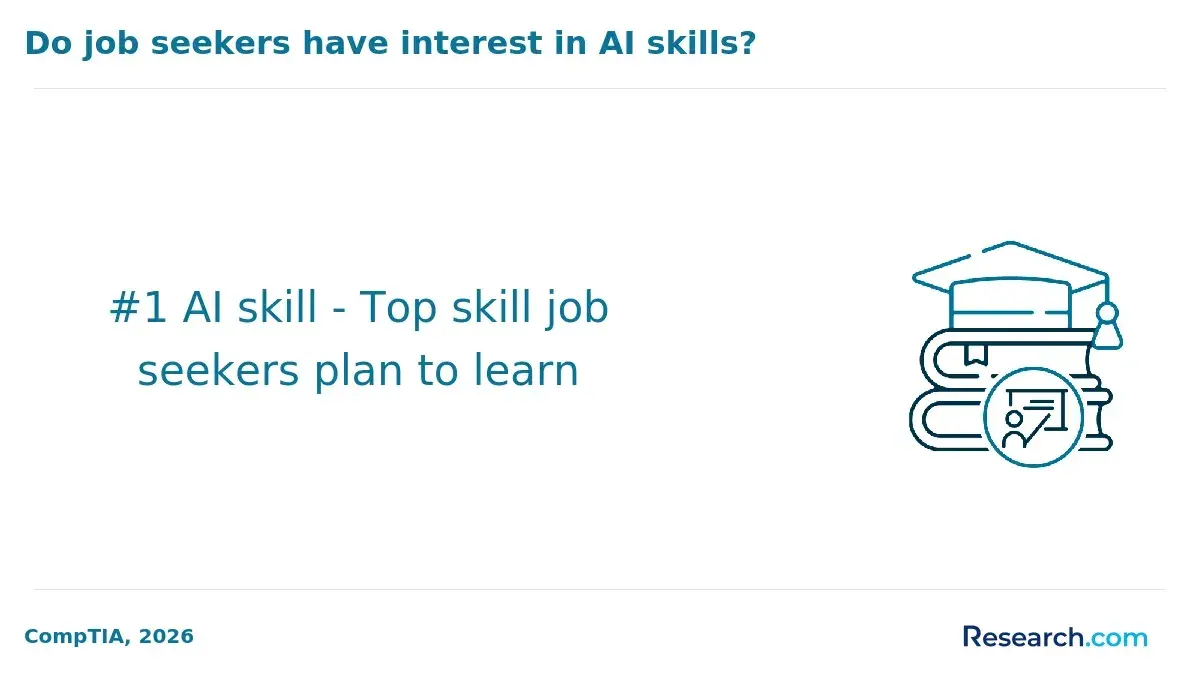
Core programming languages such as Python and SQL remain essential for finance-focused artificial intelligence programs. Python's flexibility supports data analysis, algorithm development, and machine learning model creation, while SQL plays a key role in managing and querying large financial databases. Employers consistently seek these skills in AI-related financial roles.
Machine learning techniques tailored to finance-like supervised and unsupervised learning, time series forecasting, and natural language processing for market sentiment analysis are critical components. Courses usually cover quantitative finance concepts such as risk management, portfolio optimization, and algorithmic trading, linking AI tools to practical financial challenges.
Students gain valuable expertise through data wrangling, feature engineering, and evaluation methods such as cross-validation and backtesting on financial datasets. Familiarity with big data technologies like Hadoop or Spark enhances the ability to work with large-scale transaction records or market feeds.
Ethical and regulatory considerations specific to financial AI systems are increasingly important, addressing compliance and fairness. Hands-on projects often include AI integration with trading simulations or credit scoring scenarios, providing practical experience. Knowledge of cloud platforms such as AWS or Azure is beneficial for scalable AI deployments in finance.
An effective curriculum combines advanced programming, financial machine learning, big data management, and regulatory knowledge to meet the complexities of modern finance roles.
What are the admission requirements for AI programs focused on finance?
Admission requirements for AI programs with a focus on finance prioritize strong academic backgrounds and relevant experience rather than standardized tests. Most applicants should hold a bachelor's degree in fields like computer science, finance, mathematics, or engineering. Essential knowledge includes programming, data structures, statistics, and linear algebra, often supported by transcripts showing a GPA of 3.0 or higher.
Several top U.S. universities have shifted away from requiring GRE scores, making tests optional or eliminating them altogether. This change favors candidates with practical skills in coding and quantitative analysis, which suits finance-related AI programs well.
Applicants must typically provide a detailed statement of purpose describing their interest in AI applications in finance and highlight any pertinent projects or work experience. Letters of recommendation from academic or professional references who can attest to technical and quantitative abilities are commonly required. Resumes documenting internships, research, or employment in finance, data science, or machine learning further strengthen applications.
Proficiency in programming languages such as Python or R and familiarity with financial modeling tools are valuable assets. Some programs may request or recommend prerequisite coursework in economics or financial mathematics. International students are often required to submit TOEFL or IELTS scores to demonstrate English proficiency.
How long do AI finance degree programs take, and what do they cost?
AI finance degree programs generally require 12 to 24 months of full-time study, with part-time options extending up to 3 years to accommodate working professionals. Most master's degrees in AI and finance demand 30 to 36 credit hours, integrating foundational AI coursework with finance-specific subjects such as portfolio management, risk analysis, and algorithmic trading.
Tuition costs vary widely depending on the institution type. Public in-state graduate programs average about $20,500 annually, while private nonprofit institutions can cost around $29,900 per year. Overall, total expenses for completing a master's degree typically fall within these ranges:
- $20,000 to $41,000 for public in-state programs over two years
- $30,000 to $60,000 for private nonprofit programs over a similar duration
Additional fees may include textbooks, software licenses, and living expenses, which depend greatly on location. Online degree programs can reduce time and costs by offering accelerated paths and eliminating relocation needs. Financial aid, scholarships, and employer tuition assistance are important options for offsetting these costs.
When considering an AI finance degree, evaluating the balance of program length, cost, and potential career benefits in roles like quantitative analysis and financial modeling is essential to measure return on investment.
What salary can AI finance graduates expect in the U.S.?
AI finance graduates in the U.S. can expect median salaries near $108,000 annually, based on May 2024 data from the U.S. Bureau of Labor Statistics for data scientists. This benchmark is relevant because data scientist roles closely align with AI analytics and modeling positions in banks, hedge funds, insurance companies, and fintech firms. Entry-level positions usually start between $75,000 and $90,000, while experienced professionals often exceed six figures.
Several factors affect salary levels:
- Industry specialization, with hedge funds and fintech providing higher pay than traditional banking.
- Location, as salaries are generally higher in metropolitan areas such as New York City, San Francisco, and Boston.
- Advanced education, where graduates with specialized AI or finance degrees tend to receive better offers.
- Technical skills, including machine learning frameworks, programming languages like Python and R, and big data platforms, significantly increase earning potential.
Additional compensation may come from bonuses, profit sharing, or stock options, especially at hedge funds and startups. Graduates targeting quantitative analyst or algorithmic trading roles can often surpass the median salary due to the value of AI-driven modeling expertise. Professionals keen on career advancement should develop hybrid expertise in finance theory and AI applications.
Reference data from the U.S. Bureau of Labor Statistics confirms competitive pay starting near six figures with clear growth paths tied to experience, specialization, and technical mastery.
Which certifications help AI graduates qualify for finance and fintech roles?
Certifications are essential for AI graduates aiming for roles in finance and fintech, offering specialized and industry-recognized expertise. Leading certifications focus on cloud computing, data security, and regulatory compliance-critical areas in finance's regulated landscape. The AWS Certified Solutions Architect - Associate credential is particularly prominent, proving skills in designing scalable cloud architectures vital for fintech companies utilizing AI in MLOps and real-time analytics.
Other important certifications include:
- Chartered Financial Analyst (CFA) - Enhances knowledge of financial markets and instruments, complementing AI expertise.
- Certified Financial Data Professional (CFDP) - Concentrates on data analytics and machine learning applications in finance.
- Certified Information Systems Security Professional (CISSP) - Crucial for AI roles focused on fintech cybersecurity.
- Google Cloud Professional Data Engineer - Validates skills in deploying cloud data solutions relevant to AI workflows.
Combining these certifications with programming and data engineering abilities is vital. Employers highly value professionals who can integrate AI models with cloud infrastructure while ensuring security and compliance. Credentials from cloud leaders like AWS or Google Cloud paired with finance-specific certifications boost employability in fintech and quantitative finance sectors.
Other Things You Should Know About Artificial Intelligence
Yes, coding knowledge is essential in most artificial intelligence finance programs. Programming languages such as Python, R, and SQL are commonly used for developing AI models and managing financial data, making coding skills critical for effective application and problem-solving.
Ethical considerations include bias in AI algorithms, data privacy, and transparency in automated decision processes. Finance professionals must ensure that AI models do not inadvertently discriminate or violate regulatory standards while maintaining accountability for AI-driven outcomes.
Core subjects often include machine learning, financial data analysis, quantitative finance, and algorithm design. These courses help students understand how to apply AI technology to financial markets and decision-making, preparing them for specialized roles in finance-focused AI applications.
The CFA, FRM, and CPA are the most relevant add-ons for AI graduates entering finance. CFA supports investment and portfolio roles, FRM supports risk management, and CPA supports accounting and audit work. Many employers value one of these credentials alongside a bachelor’s or master’s degree.
References
- Top AI Graduate Programs To Kickstart Your Career in Artificial Intelligence Today https://www.investopedia.com/top-ai-graduate-programs-to-kickstart-your-career-in-artificial-intelligence-today-11916749
- AI Developer Salary: What I Learned | ValidGrad https://validgrad.com/blog/ai-developer-salary/
- The Best AI Courses for Accounting and Finance Professionals https://www.epw.com/blog/courses/which-ai-course-is-best-for-accounting-and-finance
- Best Courses of AI in Finance for Professionals - CFTE https://blog.cfte.education/best-ai-in-finance-courses/
- Building a Career in AI Finance: Skills for Success | Keymakr https://keymakr.com/blog/building-a-career-in-ai-finance-skills-and-resources-for-success/
- Essential AI Skills for Finance Professionals in 2026 https://www.turingcollege.com/blog/ai-skills-for-finance-professionals
- Best AI courses for finance professionals in 2026 https://www.upskillist.com/blog/best-ai-courses-for-finance-professionals/
- Artificial Intelligence in Finance: 9 AI Courses to Build Your Skills https://xledger.com/blog/artificial-intelligence-in-finance-9-ai-courses-to-build-your-skills/
- Course in AI for Finance https://www.euncet.com/en/training-courses/course-ai-for-finance/