2027 AI Associate Degrees With AI Ethics Coursework

Co-Founder and Chief Data Scientist
Many professionals face uncertainty when transitioning into the AI field due to rapidly evolving technologies and increasing ethical concerns. Without formal education that integrates both technical skills and AI ethics, graduates risk entering the workforce unprepared for complex social implications and regulatory requirements. This gap hinders both career advancement and responsible innovation.
This article explores associate degree programs offering comprehensive AI coursework combined with ethics training, guiding readers to informed decisions about accredited, flexible educational paths that foster both expertise and ethical awareness.
Key Things You Should Know
- In 2027, associate degrees in artificial intelligence increasingly include AI ethics coursework to address rising concerns about bias, privacy, and accountability in AI systems.
- Over 40% of U.S. community colleges with AI programs now offer integrated ethics modules, reflecting a 25% growth since 2024.
- Students completing these degrees gain foundational technical skills alongside understanding ethical AI deployment, meeting workforce demands for responsible AI development.
What is an AI associate degree with AI ethics coursework?
An AI associate degree with ethics coursework integrates foundational training in AI technologies with a focus on ethical issues in AI applications. Students learn to develop, manage, and evaluate AI systems while addressing key concerns such as bias, privacy, transparency, and security. Core technical classes include programming, machine learning, and data analysis, paired with studies in societal impacts, legal challenges, and ethical frameworks.
For instance, this coursework covers how biased data affects AI outcomes and explores strategies to reduce these risks. It also addresses real-world ethical dilemmas, such as facial recognition misuse and decisions made by autonomous vehicles, equipping learners to handle complex challenges in AI deployment. This background is crucial as 72% of business leaders, according to PwC's 27th Annual Global CEO Survey, express worry about AI-related risks including bias and cybersecurity vulnerabilities.
Many AI associate degree programs with ethics coursework may emphasize either policy, governance, or software engineering combined with ethics. Prospective students should review curriculum details to ensure sufficient ethics training, frequently found in interdisciplinary offerings blending computer science with philosophy or law.
Graduates often pursue roles like AI compliance analyst, data ethicist, or AI technician overseeing ethical standards. Those interested in accelerating their education can explore options such as a computer science degree accelerated programs that sometimes include AI ethical training modules.
This approach suits individuals aiming to enter the AI field responsibly while meeting growing demand for professionals aware of ethical AI implications.
Which accredited colleges offer AI associate degrees with ethics-focused curricula?
Several accredited colleges offer associate degrees in artificial intelligence that include dedicated ethics coursework. Notable examples are community colleges expanding their AI programs to integrate ethical frameworks. Northern Virginia Community College provides an Associate of Applied Science in Artificial Intelligence featuring a required ethics module addressing data privacy and algorithmic bias. Miami Dade College's AI associate degree similarly incorporates courses on AI ethics and social impact. These programs equip students to tackle ethical challenges such as fairness, transparency, and accountability in AI deployment, making them top US institutions with AI associate programs and ethics curriculum.
With over 4,000 Title IV-participating postsecondary schools nationwide, students should carefully evaluate program content to confirm that ethics is emphasized. Many programs focus solely on technical AI training without embedding ethics, which may limit graduates' ability to make responsible decisions in the workforce.
Prospective students seeking accredited colleges offering AI associate degrees with ethics courses should:
- Review course catalogs or syllabi for classes on AI ethics, responsible AI, or data ethics.
- Connect with academic advisors to verify how ethics topics are integrated across courses.
- Consider programs linked to professional bodies like the Association for Computing Machinery (ACM) that require ethics.
Some colleges enhance ethics education with case studies and real-world scenarios, helping students understand AI's societal implications and prepare for ethical challenges aligned with industry expectations. For additional guidance on data-focused education, consult the data science master program ranking.
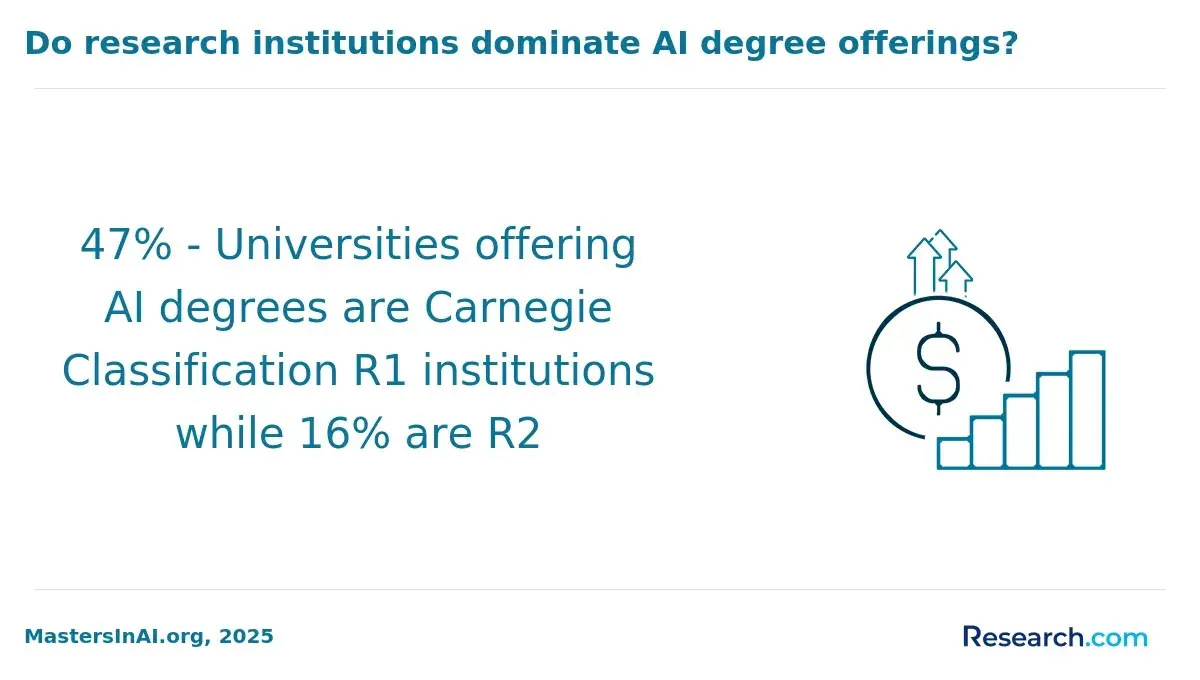
How do AI ethics courses fit into an associate degree AI curriculum?
AI ethics coursework plays a crucial role in AI associate programs, integrating ethical understanding alongside technical skills. These courses teach students to identify and manage challenges like privacy, bias, accountability, and transparency in AI systems. By examining real-world case studies, students learn about the societal impacts of AI failures and the importance of ethical design practices.
Within an associate degree curriculum, students explore regulations such as GDPR and standards from organizations like IEEE and ISO. This instruction helps build frameworks for responsible AI development and prepares learners for compliance in regulated sectors like healthcare and finance. Employers increasingly seek professionals with both AI expertise and ethical literacy, valuing this combination in junior roles.
Ethics modules often complement machine learning and data science classes, encouraging a comprehensive view of AI challenges. Many programs include project-based assessments where students evaluate ethical risks in AI tools, fostering critical thinking about technology's social effects.
Practical benefits for students include enhanced readiness to address ethical issues in AI applications, which is essential as governance skills become as vital as programming and data analysis. For those exploring related fields, programs like a game design degree similarly emphasize ethical considerations in technology.
What are the admission requirements for AI associate degree programs?
Admission to most AI associate degree programs in the United States follows an open-admissions model common at community colleges. Typically, applicants need a high school diploma or GED. Supporting documents usually include official transcripts, completed applications, and proof of residency for in-state tuition eligibility.
While standardized tests like the SAT or ACT are rarely mandatory, some programs may require placement exams in math and English to determine appropriate course levels. These assessments are important for identifying students who might need remedial support, particularly in foundational skills relevant to AI studies.
Proficiency in basic math and computer skills is often recommended or required, with some colleges offering preparatory courses. For applicants aiming to enroll in AI ethics coursework or competitive tracks, submission of a personal statement or letters of recommendation may be requested to assess motivation and ethical awareness.
International students usually need to submit TOEFL or IELTS scores and additional documents such as a student visa. Early contact with admissions advisors is advised to clarify program-specific criteria and deadlines.
Those interested in AI associate degree admission criteria in the United States can also explore related fields by researching the best online cyber security degrees available, broadening career prospects in tech.
How long do AI associate degrees take, and what do they cost?
AI associate degrees generally take two years of full-time study, similar to most community college programs. Part-time study options extend this to three or more years, depending on the course load and schedule flexibility. Programs combine foundational AI technologies with specialized AI ethics coursework, equipping students for entry-level technical roles or transfer to four-year colleges.
Tuition for public two-year colleges averages about $4,050 per year in-district, based on College Board data for 2024-2025. This covers direct tuition but excludes costs like textbooks, supplies, and technology fees. Private or out-of-district tuition rates tend to be significantly higher.
Additional program-specific fees may apply, including charges for labs or AI-related software. Online programs sometimes offer reduced tuition or per-credit pricing, which can influence overall costs and program duration.
Financial aid, scholarships, and employer tuition reimbursement can help offset costs. It's important to confirm if AI ethics and fundamentals courses are included in tuition or require extra fees. Choosing programs that align with industry certifications can improve career prospects and return on investment.
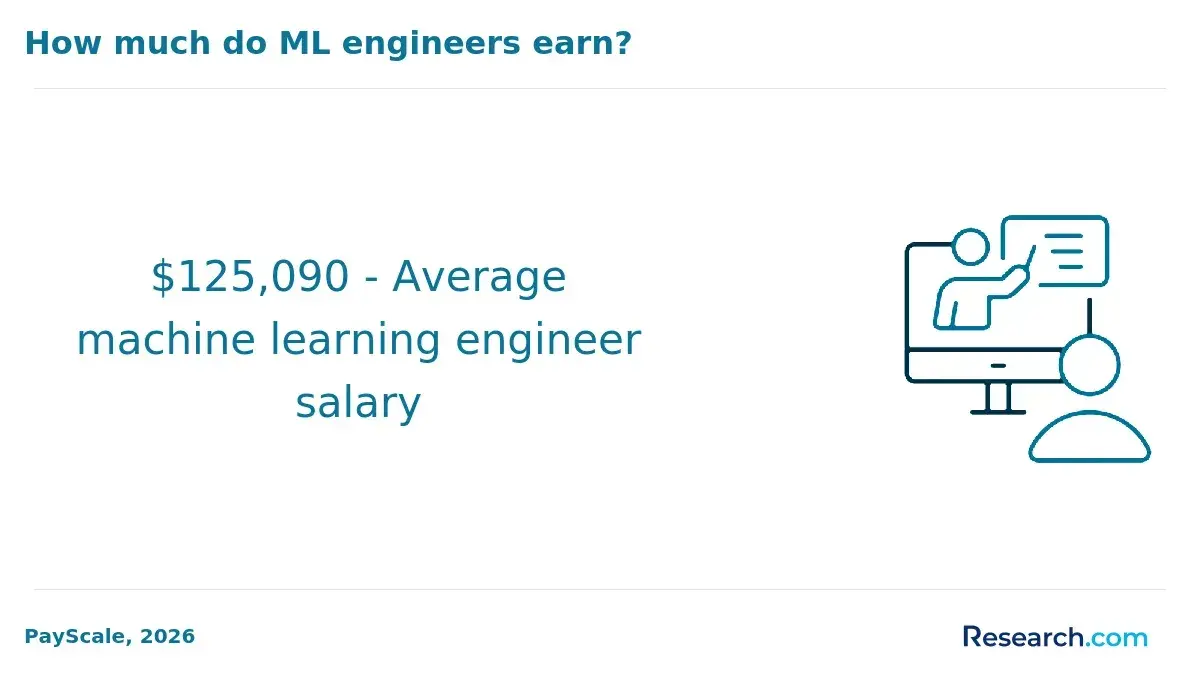
Can you earn an AI associate degree with ethics coursework fully online?
Many accredited community colleges and technical schools offer fully online associate degrees in artificial intelligence that include ethics coursework. These programs typically cover key topics such as bias mitigation, privacy concerns, and responsible AI deployment.
Designed for flexibility, these online programs often feature asynchronous lectures and live discussions, catering especially to working professionals and remote learners. This model accommodates diverse schedules while emphasizing critical ethical considerations in AI.
Distance education continues to grow; in fall 2024, over 11 million U.S. undergraduates enrolled in at least one online course (NCES, Digest of Education Statistics, 2024). This trend helps students nationwide pursue AI education without relocating or interrupting employment.
Students should confirm program accreditation and ensure that ethics content is clearly included, either as standalone courses or integrated within technical classes like machine learning ethics or data governance.
Online AI associate degrees with ethics prepare students for entry-level roles such as AI technician, data analyst, or policy assistant, blending technical skills with ethical awareness. Prospective students should evaluate how fully online offerings fit their career goals, time commitments, and learning preferences before choosing a program.
What math, programming, and data skills will you learn in these programs?
Associate degrees in artificial intelligence that include ethics coursework equip students with vital math, programming, and data skills needed for entry-level roles. Proficiency in Python, the most widely used language in AI, supports essential coding, automation, and data manipulation abilities. According to the Stack Overflow Developer Survey 2024, Python is used by 57.3% of developers worldwide.
Key mathematical subjects include discrete mathematics, linear algebra, and probability theory:
- Discrete mathematics forms the foundation for logic and algorithms essential to machine learning.
- Linear algebra covers vectors and matrices crucial for neural networks and data transformations.
- Probability theory helps manage uncertainty and stochastic processes common in AI systems.
Programming coursework extends to basic scripting, version control tools like Git, and introductory SQL for database management. Hands-on assignments focus on data preprocessing, algorithm implementation, and debugging, preparing students to develop real-world AI applications.
Data skills emphasize collection, cleaning, and exploratory analysis using libraries such as Pandas and NumPy. Visualization techniques enable students to identify patterns before model training. Additionally, courses introduce database concepts for handling large datasets efficiently.
Ethical AI training integrates these technical skills with awareness of bias and fairness, fostering development of responsible and transparent AI systems applicable in healthcare, finance, autonomous systems, and other sectors.
What AI job roles can you qualify for with an ethics-inclusive associate degree?
An associate degree focused on ethics in artificial intelligence opens doors to entry-level roles such as AI ethics analyst, compliance coordinator, and data quality assistant. These professionals evaluate AI systems for bias, fairness, and regulatory compliance while helping implement ethical frameworks within organizations. The mix of AI programming skills with training in privacy, transparency, and accountability prepares graduates to tackle challenges in responsible AI use.
Additional roles include AI operations technician and AI support specialist, where monitoring outputs is key to avoiding ethical risks and ensuring human oversight. Positions like research assistant in AI ethics and policy expose graduates to creating guidelines that address AI's societal effects, building expertise essential for future AI governance roles.
The World Economic Forum anticipates 97 million new technology-enabled jobs worldwide by 2025, emphasizing demand for workers skilled in ethics awareness. Professionals who understand risks such as algorithmic bias and data misuse stand out by identifying and reducing these issues proactively.
Career development strategies emphasize gaining practical experience through internships or projects related to compliance audits. Employers prefer candidates versed in legal frameworks like GDPR and ethical standards taught in ethics-inclusive degrees. Earning certifications in responsible AI and data governance further enhances marketability in this evolving niche.
How much can AI associate degree graduates earn in entry-level roles?
Graduates holding AI associate degrees that incorporate AI ethics coursework typically see entry-level salaries between $50,000 and $65,000 annually. According to the U.S. Bureau of Labor Statistics, computer user support specialists-a common starting role for AI and IT professionals-earned a median wage of $60,810 in May 2024. This salary benchmark applies to roles such as technical support, junior AI technician, or AI data annotator.
Salary levels vary by location, employer size, and job focus:
- Positions in major metropolitan areas with robust tech sectors often offer starting salaries above $65,000.
- Jobs centered on ethical AI compliance and data privacy may receive higher pay due to specialized ethics training.
- Government or nonprofit roles related to AI ethics typically provide stable salaries close to the median with strong benefits and job security.
In addition to providing foundational knowledge, AI associate degrees with ethics prepare graduates for certifications in data privacy and AI ethics frameworks. Earning these credentials can increase salaries within two to three years. Those pursuing roles beyond technical support, such as AI policy analysts or compliance assistants, may start near the upper range of the salary scale.
These entry-level salaries reflect a growing market demand for professionals skilled in ethically responsible AI, especially in regulated environments.
Which certifications complement an AI associate degree with ethics training?
Certifications paired with an AI associate degree that includes ethics coursework provide valuable technical knowledge and ethical insight. Key certifications like CompTIA Security+ focus on cybersecurity essentials vital for protecting AI systems and promoting ethical data practices. CompTIA Data+ emphasizes data analytics skills, crucial for responsible dataset management in AI decision-making. CompTIA has issued over 3 million certifications globally, highlighting their industry relevance (CompTIA 2024 certification issuance figures).
Other valuable credentials include Certified Ethical Hacker (CEH), which teaches identification of security vulnerabilities that could lead to ethical issues, and the IEEE Certified AI Ethics Professional, dedicated to ethical AI deployment. These certifications let graduates showcase their understanding of both AI technology and its societal impacts.
Professionals should also consider the Certified Data Privacy Solutions Engineer (CDPSE) credential to enhance skills in data governance, addressing user privacy and consent-vital components of ethical AI projects. Combining these certifications with an associate degree signals commitment to ethical responsibilities, a quality increasingly demanded by employers across healthcare, finance, and government sectors.
Selecting certifications aligned with career goals in technical security, data stewardship, or AI governance maximizes job prospects in a field where ethical challenges are paramount.
Other Things You Should Know About Artificial Intelligence
AI developers face significant ethical challenges including bias in algorithms, data privacy concerns, and transparency in AI decision-making processes. Ensuring fairness and accountability while minimizing harm to users requires continuous evaluation and updated ethical standards throughout AI system development.
Bias in AI systems can lead to unfair treatment of certain groups, perpetuating existing social inequalities. This affects areas like hiring, lending, and law enforcement where biased AI decisions can have serious consequences, making ethical training crucial for AI professionals.
With an AI associate degree that includes AI ethics coursework in 2027, graduates can pursue roles such as AI technician, data analyst, and ethical compliance officer. These positions often require a strong understanding of AI technologies and ethical considerations, preparing graduates for the evolving tech landscape.
AI ethics coursework equips students with the knowledge to recognize and address potential harms and misuse of AI technologies. This education fosters responsible design and deployment practices, helping to align AI systems with societal values and legal requirements.
References
- AI Courses after 12th - Eligibility, Fees & Duration https://www.universalai.in/top-ai-courses-after-12th-your-guide-to-a-future-proof-career/
- Certified AI Ethics and Governance Course | Turing College https://www.turingcollege.com/ai-ethics
- Colleges ramp up offerings to teach students to be AI ethicists https://www.highereddive.com/news/colleges-programs-ai-ethicists/816703/
- Artificial Intelligence Course Eligibility: Requirements & Prerequisites https://www.mygreatlearning.com/artificial-intelligence/courses/eligibility
- Certification https://trailhead.salesforce.com/credentials/aiassociate
- AI, Ethics and Society https://www.bbk.ac.uk/courses/postgraduate/ai-ethics-and-society
- Best AI Ethics Certification Courses for Business Leaders in 2026 https://www.teamland.com/post/best-ai-ethics-certification-courses
- AI Ethics Jobs: How to Start Your Career https://www.peopleinai.com/blog/ai-ethics-jobs-guide
- Visible https://www.datacamp.com/certification/ai-engineer-for-developers-associate
- AI Ethics https://aiethicscourse.org/