2027 AI Associate Degrees With Cloud Computing Basics

Co-Founder and Chief Data Scientist
Many individuals with undergraduate degrees in unrelated fields face challenges entering the growing artificial intelligence sector due to a lack of specialized education. Without foundational knowledge in cloud computing, a key platform for deploying AI applications, career transitions can stall. Flexible, accredited programs providing associate degrees combining AI and cloud basics offer a practical solution.
These programs deliver industry-relevant skills and credentials while accommodating working professionals. This article examines how such associate degrees can bridge skills gaps, outlining accessible pathways for learners to pivot effectively into artificial intelligence careers supported by essential cloud computing knowledge.
Key Things You Should Know
- Associate degrees in AI with cloud computing basics are increasingly available, with enrollment growth projected at 12% annually through 2026, reflecting industry demand for combined skills.
- Curricula typically emphasize foundational machine learning, cloud infrastructure, and data management, preparing students for roles requiring both AI development and cloud deployment expertise.
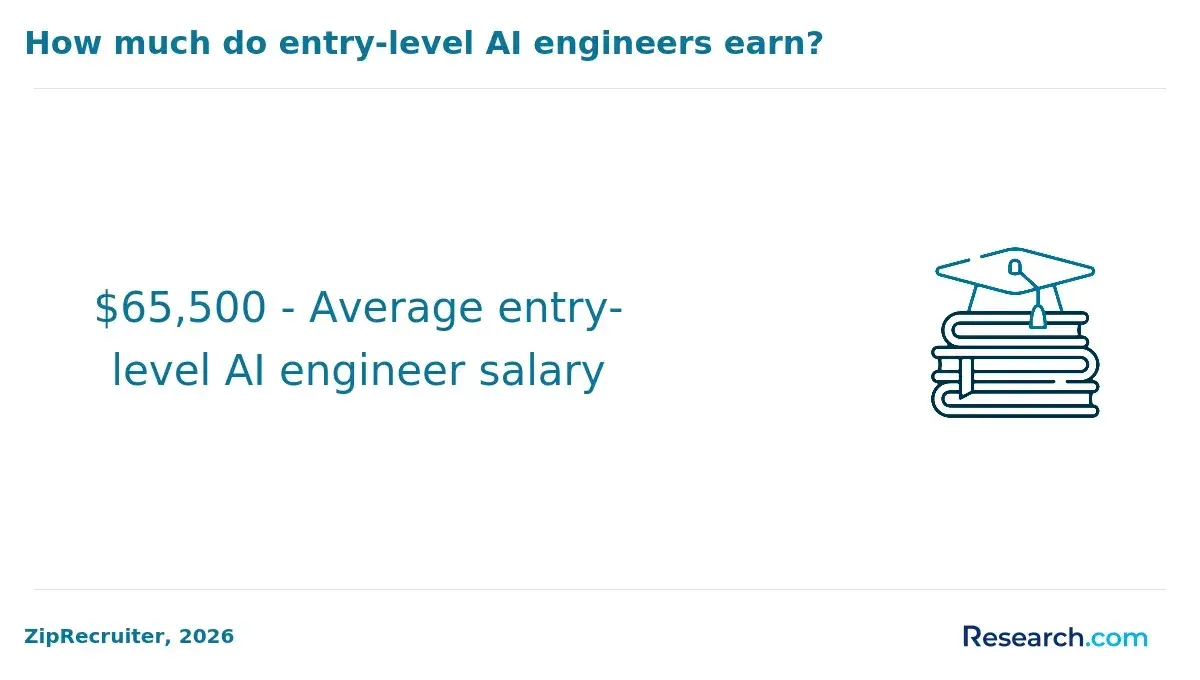
- Graduates with these degrees report median starting salaries near $65,000, benefiting from cloud service providers' expanding adoption of AI-driven solutions in various sectors.
What is an AI associate degree with cloud computing basics?
An AI associate degree with cloud computing fundamentals is a focused two-year program that builds foundational skills in artificial intelligence alongside essential cloud technology knowledge. Students gain expertise in machine learning algorithms, data analysis, and programming languages like Python, while learning cloud platforms such as Amazon Web Services (AWS), Microsoft Azure, or Google Cloud to deploy AI solutions. This combination prepares them to manage scalable infrastructure, virtualization, and resource allocation vital for modern AI applications.
In these programs, students learn to build, train, and deploy AI models in cloud environments, working with cloud storage for large datasets and utilizing cloud-hosted AI services for tasks like natural language processing. The growing demand for cloud skills is evident, with industry reports highlighting that worldwide public cloud spending continues to rise significantly. Choosing an associate degree in artificial intelligence and cloud technology equips learners to enter this expanding field.
Graduates commonly pursue roles such as AI technician, cloud support specialist, or junior data scientist. Many programs also offer specialized tracks, including AI ethics, edge computing, or cybersecurity. Practical experience through hands-on labs and internships often enhances readiness for industry roles. This pathway suits those looking for fast workforce entry with practical skills or professionals seeking to upskill.
For individuals curious about career potential in this field, exploring applied artificial intelligence jobs offers valuable insight into opportunities aligned with an AI associate degree program with cloud computing fundamentals.
Which careers can this degree prepare you for in the AI and cloud workforce?
An associate degree in AI combined with cloud computing basics equips students for diverse careers in the expanding tech sector. Graduates acquire foundational skills in machine learning algorithms, data analytics, and cloud infrastructure, preparing them for roles such as data analyst, cloud support specialist, and machine learning technician. These positions demand expertise in managing data workflows and deploying AI models on cloud platforms.
Many can pursue careers as AI operations specialists who maintain AI systems within cloud environments like AWS or Azure. Businesses increasingly depend on cloud-based AI applications, creating demand for professionals skilled in both artificial intelligence principles and cloud service management. AI application support roles also benefit greatly from this dual knowledge.
Data scientist positions offer notable opportunities. According to the U.S. Bureau of Labor Statistics, employment in this field is projected to grow 36% from 2023 to 2033. While a bachelor's degree is often preferred, an associate degree with strong cloud and AI skills can open entry-level positions or internships, especially with firms focused on cloud-native data environments. For additional insight, explore the data science master us ranking.
Other viable careers include business intelligence analyst, junior software developer with an AI focus, cloud infrastructure analyst, cloud solutions architect careers, and artificial intelligence systems analyst positions. Employers favor candidates who can implement AI-driven solutions while optimizing cloud resources.
Strong programming skills in languages like Python, alongside experience with cloud services and data management systems, are essential. This degree delivers key competencies for automation, data processing, and scalable AI deployments.
What skills and courses are covered in AI associate programs with cloud fundamentals?
AI associate degree courses with cloud computing fundamentals provide students with crucial skills like programming in Python and Java, essential for AI development and cloud integration. Coursework often covers machine learning algorithms, data analytics, and neural networks, building a strong AI foundation. Cloud computing sections explore virtualization, cloud architecture, and core services such as Infrastructure as a Service (IaaS) and Platform as a Service (PaaS).
Students gain hands-on experience deploying AI models on platforms like AWS, Microsoft Azure, or Google Cloud, using tools such as Docker and Kubernetes for containerization. Security fundamentals, including data protection, encryption, and compliance, are also emphasized, addressing the cybersecurity workforce gap of 4 million worldwide, as reported by the ISC2 2024 Cybersecurity Workforce Study.
The skills learned in ai and cloud computing associate programs extend beyond technical knowledge with project-based learning that encourages creating AI-driven cloud applications, predictive analytics, and managing large datasets. Ethical AI use and bias mitigation are integrated into curricula, preparing students for real-world challenges.
Mathematics for AI, including statistics and linear algebra, complements soft skills like problem-solving, critical thinking, and collaboration, enhancing readiness for interdisciplinary teams. For those seeking affordability in further studies, exploring the cheapest online masters in artificial intelligence offers valuable options for advancement.
Are AI associate degrees with cloud computing basics offered online or on campus?
AI associate degrees with cloud computing basics available online are increasingly accessible, catering to a broad range of students. According to National Center for Education Statistics (NCES) IPEDS data, 27% of U.S. postsecondary students were enrolled exclusively in distance education, demonstrating a significant rise in online program offerings. Many accredited community colleges and technical schools provide fully online AI associate degrees that integrate foundational cloud computing skills, offering flexibility for working professionals and remote learners.
Campus-based AI associate degree programs with cloud computing fundamentals remain popular for those seeking hands-on experience with specialized labs and in-person faculty interaction. Hybrid programs often combine online theoretical lessons with on-campus practical labs or projects to balance convenience with immersive learning environments.
Important features to consider include:
- Access to cloud platforms such as AWS, Azure, or Google Cloud embedded within the curriculum.
- Virtual labs and cloud-based simulations accessible in online formats.
- Academic support services that differ between online and on-campus models.
Choosing the right delivery format depends on individual learning styles, technology availability, and career aspirations. Online AI programs focused on cloud computing basics offer quicker routes into tech careers by coupling convenience with current course content. Meanwhile, campus-based programs support foundational skill-building through direct engagement.
For students exploring technology fields, cybersecurity programs are often complementary options worth investigating alongside AI studies.
How do you verify regional and programmatic accreditation for these AI degrees?
To confirm regional and programmatic accreditation for ai associate degrees covering cloud computing basics, use the U.S. Department of Education's Database of Accredited Postsecondary Institutions and Programs (DAPIP). This official source lists institutions approved by federally recognized accrediting bodies, ensuring eligibility for Federal Student Aid as required by the U.S. Department of Education.
Regional accreditation, held by organizations such as the Higher Learning Commission (HLC) and Middle States Commission on Higher Education (MSCHE), evaluates overall institutional quality. You can verify this by searching the institution's name on DAPIP or the accreditor's website.
Programmatic accreditation focuses on specific academic fields like technology and computing. For ai and cloud computing-related programs, accreditation by ABET (Accreditation Board for Engineering and Technology) is a strong indicator of curriculum quality and industry relevance.
Important factors to consider include whether the accrediting agency is recognized by the Council for Higher Education Accreditation (CHEA) or the U.S. Department of Education. Degrees from unrecognized agencies may not transfer or be accepted by employers.
Check if the institution clearly displays its accreditation on its official website and admissions materials. When in doubt, contacting the admissions office can provide clarity on any accreditation questions.
What are the admission requirements for AI associate programs with cloud coursework?
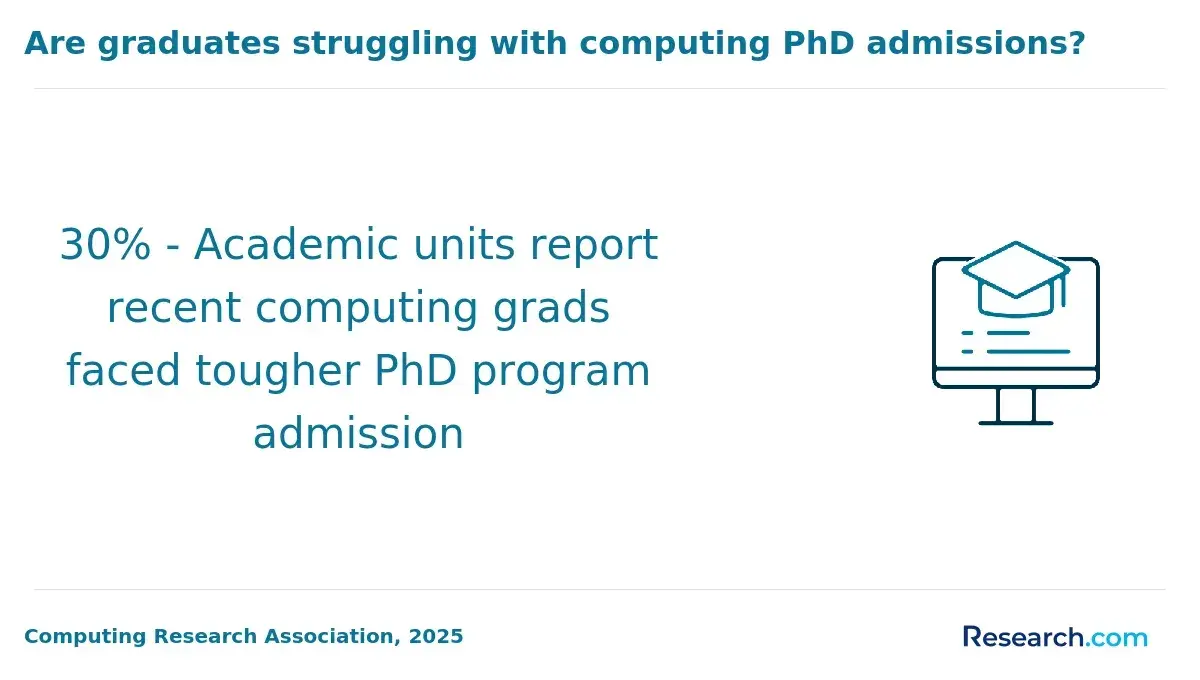
Admission requirements for associate degree programs offering foundational cloud computing alongside artificial intelligence vary little at U.S. public two-year colleges. Most operate under open-admissions policies, accepting about 99% of applicants without selective criteria, according to NCES data. Generally, a high school diploma or GED is mandatory.
Placement tests in math or English may be required to assess skills and guide course placement, but they seldom restrict admission. Specific prerequisite courses usually are not required before starting cloud computing or artificial intelligence classes, although some institutions may recommend preparatory math or computer science courses to help students succeed.
Nontraditional students, including working adults returning to education, benefit from these open policies. International applicants often need to provide proof of English proficiency through tests like TOEFL or IELTS and submit foreign transcript evaluations, depending on the institution.
Key points to consider include:
- Mandatory high school diploma or GED.
- Placement testing common but not exclusionary.
- No usual prerequisites for cloud computing or AI coursework.
- Welcoming policies for adult and nontraditional learners.
- International students must meet language and credential requirements.
Prospective students should confirm specific admission criteria and recommended technical skills with individual colleges to align expectations for AI and cloud computing education.
How long does it take to finish, and what does the degree cost?
Associate degrees that combine artificial intelligence and cloud computing basics generally take about two years of full-time study. Part-time students or those managing work alongside school may need three to four years to complete their programs. Many community colleges and technical schools provide flexible online or hybrid options, allowing students to progress at their own pace.
Tuition costs vary widely based on institution type, residency, and financial aid availability. Public two-year colleges typically charge around $4,050 annually for in-district students, according to College Board's Trends in College Pricing. Private institutions or out-of-district public colleges may range from $6,000 up to $15,000 per year. Additional expenses such as textbooks, technology fees, and certification exams, particularly for cloud platforms, should also be considered.
Financial aid can significantly offset these costs. Federal Pell Grants, state scholarships, and institutional aid are common sources of support. Prospective students should explore partnerships between schools and major cloud providers like AWS or Microsoft Azure, as these can offer discounted or free training resources.
- Typical completion time: 2 years full-time, up to 4 years part-time
- Average public two-year college cost (in-district): $4,050 per year (College Board)
- Private or out-of-district tuition costs: $6,000-$15,000 per year
- Additional costs: textbooks, technology fees, certification exams
- Financial aid options: Federal Pell Grants, state scholarships, institutional aid
Which certifications align with an AI associate degree and cloud computing basics?
Certifications aligned with an AI associate degree and foundational cloud computing skills play a vital role in enhancing career opportunities in technology-focused roles. Essential credentials include CompTIA Cloud+ and AWS Certified Cloud Practitioner, which validate expertise in managing cloud infrastructure for AI workloads. For AI-specific skills, certifications such as Microsoft Certified: Azure AI Fundamentals and IBM AI Engineering Professional Certificate offer hands-on experience with machine learning, neural networks, and AI models integrated within cloud environments.
Industry data from Pearson VUE reveals that 91% of IT decision-makers prioritize certifications during hiring, highlighting their importance for graduates and professionals alike. Combining cloud credentials like Google Cloud Associate Cloud Engineer with AI certifications such as the TensorFlow Developer Certificate demonstrates a versatile skill set ideal for deploying AI applications on cloud platforms.
Students targeting roles in data analysis or AI systems maintenance benefit from certified data management paths like Microsoft Certified: Azure Data Fundamentals, which complement AI degrees by emphasizing effective data workflows. Security qualifications such as CompTIA Security+ add another layer of value by equipping professionals to secure cloud-hosted AI solutions, an essential concern in enterprise environments.
Choosing certifications that match industry demand boosts employability by showcasing an understanding of cloud platforms and AI integration to optimize scalable AI services. Pursuing these targeted certifications during or after an AI associate degree ensures preparedness for evolving technical challenges and trends in technology-driven careers.
What salary ranges can graduates expect in entry-level AI and cloud roles?
Graduates holding associate degrees in artificial intelligence and cloud computing basics typically start with salaries ranging from $60,000 to $90,000 annually. Entry-level roles such as AI technician, cloud support specialist, or junior data engineer reflect a demand for foundational skills combined with practical experience in cloud platforms and AI tools.
Data from the U.S. Bureau of Labor Statistics (May 2024 OEWS) shows that the median annual wage for database administrators and architects-closely related to cloud data management-is $117,450. This median highlights potential growth for professionals advancing into specialized areas like cloud architecture or AI model deployment.
Key factors that influence initial salary offers include:
- Geographic region-tech hubs such as San Francisco, Seattle, and New York offer higher salaries.
- Industry sectors-finance, healthcare, and technology often pay premiums due to critical AI and cloud demands.
- Certifications-cloud certifications like AWS or Azure can increase starting pay by 10-20%.
Graduates starting at smaller companies or outside major metro areas might expect salaries in the lower $60,000s. Those demonstrating proficiency in coding, AI frameworks, and cloud solution deployment can negotiate salaries closer to or above $85,000. Early career tasks often include system monitoring, data cleansing, and assisting with AI model integration.
Continuous learning and obtaining advanced certifications remain crucial to enhance salary prospects and career growth well beyond entry-level positions.
What is the job outlook for AI and cloud computing jobs with an associate degree?
The job outlook for roles in ai and cloud computing requiring an associate degree is very strong, driven by fast industry growth and high demand for technical support skills. Employment for information security analysts is expected to grow by 33% from 2023 to 2033, one of the fastest rates across all occupations, fueled by expanding cloud infrastructures and increased cybersecurity needs.
Associate degree holders can pursue positions such as cloud support specialists, junior data analysts, cybersecurity technicians, and ai application technicians. These roles rely on practical skills like configuring cloud platforms (AWS, Azure, Google Cloud), basic ai model deployment, and security monitoring. Employers prefer candidates with scripting abilities and familiarity with ai tools integrated into cloud environments.
Certifications play a critical role in boosting employability and salary potential. Vendor-specific certifications like AWS Certified Cloud Practitioner or cybersecurity certificates can increase starting salaries to between $50,000 and $75,000 annually. Key industries hiring for these hybrid ai and cloud roles include finance, healthcare, and technology, where automation and data-driven decision-making are priorities.
Continuing education remains essential to keep pace with evolving technologies such as containerization, ai ethics, and advanced security protocols. An associate degree combined with certifications provides a validated pathway into a rapidly growing job market with competitive compensation.
Other Things You Should Know About Artificial Intelligence
Students pursuing an AI associate degree should focus on programming languages like Python, R, and Java. Python is especially popular due to its extensive libraries and frameworks tailored for AI development. These languages enable students to create and test AI models and algorithms effectively in both academic and real-world environments.
Yes, graduates with an AI associate degree that includes cloud computing basics are qualified for entry-level roles in cloud environments. Their understanding of cloud infrastructure alongside AI principles allows them to support data processing, deploy AI applications on cloud platforms, and manage cloud-based AI services.
Applicants typically need a high school diploma or GED. Some programs may require algebra proficiency or prior exposure to programming. Check specific institution requirements for details on necessary coursework or submission of standardized test scores like the SAT or ACT.
No, internships and co-op placements are usually optional, not required, in most 2027 AI associate degree programs. If offered, they often count for 3 to 6 credit hours and require a minimum GPA, such as 2.0 or 2.5, plus faculty approval.
References
- ARTiBA Accreditation Program | Elevate Your AI Education Standards https://www.artiba.org/artiba-accreditation-program
- AI Certifications for IT Professionals — AWS, Azure, Google & Vendor-Neutral | NH https://www.networkershome.com/fundamentals/ai-for-it/ai-certifications-it/
- Certification https://trailhead.salesforce.com/credentials/aiassociate
- Best AI Cloud Certification Synergogy https://synergogy.com/best-ai-cloud-certification/
- Associate in Applied Science: Artificial Intelligence & Cloud Computing https://www.harpercollege.edu/academics/business/ai-cloud-computing/ai-cloudcomputing-degree.php
- What is a Cloud AI Architect and How Do You Become One? https://digitalcloud.training/what-is-a-cloud-ai-architect-and-how-do-you-become-one/
- Learn AI Skills on Trailhead https://www.salesforce.com/blog/learn-ai-skills-on-trailhead/
- Cloud career paths: 2025 job guide | Online Courses, Learning Paths, and Certifications - Pluralsight https://www.pluralsight.com/resources/blog/cloud/cloud-career-guide-2025
- Best Cloud Certifications for AI Engineers in 2026 | MyExamCloud Blog https://www.myexamcloud.com/blog/best-cloud-certifications-for-ai-engineers-2026.article
- What are the main skill areas assessed in the AI-900 exam? https://community.fabric.microsoft.com/t5/Desktop/What-are-the-main-skill-areas-assessed-in-the-AI-900-exam/td-p/4646126