2027 AI Bachelor's Degree Programs With the Best Scholarship Opportunities

Co-Founder and Chief Data Scientist
Many individuals with degrees in unrelated fields face challenges entering the growing artificial intelligence industry due to the costly and time-consuming nature of traditional education paths. The financial burden often discourages potential students from pursuing a relevant bachelor's degree that could facilitate a career pivot.
Identifying programs offering substantial scholarships can significantly reduce these barriers and enable access to quality education in this competitive sector. This article highlights bachelor's degree programs with the most valuable scholarship opportunities, helping prospective students find affordable, accredited options to transition smoothly into the artificial intelligence workforce.
Key Things You Should Know
- In 2026, over 65% of U.S. AI bachelor's programs offer merit-based scholarships, enhancing accessibility for high-achieving students amid increasing demand in the AI job market.
- Top universities integrate scholarship opportunities with internship placements, boosting post-graduation employment rates, which currently average above 85% within six months of degree completion.
- Funding trends show a rise in diversity-focused scholarships aimed at closing representation gaps in AI fields, with a 20% increase since 2024 in programs targeting underrepresented groups.
What are AI bachelor's degree programs and what do graduates learn?
AI bachelor's degree programs develop foundational knowledge and practical skills in machine learning algorithms, data analysis, natural language processing, robotics, and computer vision. These programs blend computer science principles with mathematics and statistics, enabling students to design, implement, and optimize intelligent systems.
Students typically learn programming languages such as Python, Java, and C++ and gain experience with AI frameworks like TensorFlow and PyTorch. Coursework often covers ethics in AI, including topics such as bias, fairness, and privacy concerns, preparing graduates to address real-world challenges.
Practical training through projects or internships builds hands-on skills for deploying AI solutions in industries like healthcare, finance, and autonomous vehicles. This diverse curriculum helps clarify the AI bachelor's degree curriculum and the skills acquired by graduates.
Career outcomes for graduates of AI bachelor programs vary depending on program focus. Some emphasize theoretical foundations and research skills, supporting paths into academia or advanced development roles. Others prioritize applied AI, readying students for software engineering, data science, or AI product development positions.
Reflecting broad demand, 226,383 U.S. students earned computer and information sciences bachelor's degrees in recent data from the National Center for Education Statistics. Many of these graduates pursue technology roles intertwined with AI innovation.
Prospective students should assess programs for curriculum balance, lab access, faculty expertise, and scholarship opportunities. For those seeking flexible options, exploring an accelerated bachelor's degree computer science pathway may align well with career goals in this expanding field.
Which schools offer the best scholarships for AI bachelor's students?
Several U.S. universities provide some of the best scholarships for AI bachelor's students in the US, with private nonprofit institutions offering the most substantial institutional grants. The College Board reports an average award of $26,050 for the 2023-24 academic year, reflecting strong financial support for prospective students.
Massachusetts Institute of Technology (MIT) and Stanford University stand out with merit-based scholarships focused on STEM and AI-related programs, often covering large portions of tuition and additional expenses. Carnegie Mellon University, recognized for its AI curriculum, offers competitive scholarships combining need and merit-based aid.
Private universities like Duke and Northwestern also provide valuable scholarships tied to academic achievement and leadership in technology fields, including AI. Public universities such as the University of California, Berkeley, and the University of Michigan complement these with specialized AI research fellowships and departmental scholarships, enhancing opportunities for AI undergraduates.
Students with exceptional academic records should explore combined aid options: merit scholarships, departmental grants, and external awards. Early applications are crucial, as many scholarships prioritize timely submission and demonstrated AI-related achievements.
Leveraging data from schools featured in national rankings and the College Board's average grant amount can guide applicants toward institutions with strong support. Prospective students might also consider online mechanical engineering degrees as complementary fields to AI studies.
How can students maximize scholarships and financial aid for AI degrees?
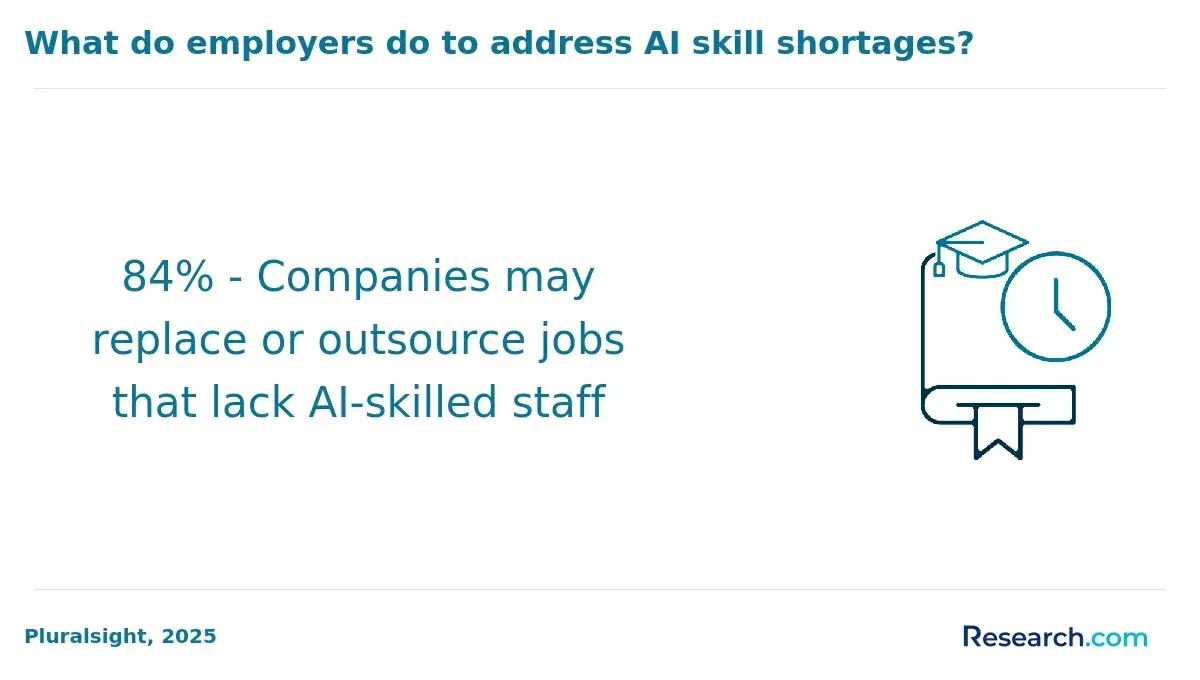
Artificial intelligence degree programs continue to attract strong financial support as universities and industry partners invest in developing a skilled workforce for data-driven and automation-focused careers. In response to rising demand, funding opportunities for AI students have expanded through scholarships, grants, assistantships, and employer-sponsored programs.
However, maximizing these resources requires strategic planning, early applications, and a clear understanding of eligibility requirements across different funding sources.
Students can increase their chances of securing financial aid by taking advantage of multiple funding pathways for an AI degree.
- Merit-based scholarships: Awarded based on academic performance, technical skills, or prior achievements in STEM-related fields.
- Need-based financial aid: Determined through FAFSA or institutional assessments to support students with demonstrated financial need.
- Research and teaching assistantships: Provide tuition reductions or stipends in exchange for supporting faculty research or instruction.
- Employer tuition reimbursement: Offered by companies investing in upskilling employees in AI, data science, or analytics roles.
- External scholarships and grants: Provided by professional organizations and industry groups focused on advancing artificial intelligence education.
- Early application strategies: Submitting applications ahead of deadlines improves access to limited or competitive funding pools.
How do online AI bachelor's programs compare with on-campus options?
Many institutions now adopt hybrid models that blend online lectures with on-site labs, striking a balance between flexibility and immersive learning. For example, students might complete theory online while attending periodic boot camps or intensive sessions on campus.
Prospective students should consider program accreditation, faculty expertise, and AI-specialized scholarships when evaluating options. High-quality online programs accredited by recognized bodies and partnered with industry leaders can rival the rigor of on-campus degrees.
For those interested in further study, exploring online masters data science programs can be a logical next step after a bachelor's in AI.
What accreditation should AI bachelor's programs and colleges have in the U.S.?
To verify accreditation, prospective students should check:
- Whether the institution is accredited by a USDE-recognized agency ensuring quality and financial aid eligibility.
- If the AI program holds specialized accreditation relevant to computing or engineering for enhanced credibility.
- The current status and public verification of accreditation via official agency or school websites.
Many scholarships mandate enrollment in properly accredited colleges. Selecting programs without recognized accreditation can lead to scholarship disqualification and transfer credit complications. Early confirmation of accreditation safeguards financial and academic investments throughout the AI bachelor's degree experience.
What courses and skills are typical in an AI bachelor's curriculum?
Bachelor's degree programs in artificial intelligence provide comprehensive training in both theory and practice. Core courses cover machine learning, data structures and algorithms, computer vision, natural language processing, robotics, and ethics, preparing students to design intelligent systems with a strong mathematical foundation.
Python is the primary programming language taught, reflecting its dominance in the AI field. Based on a recent Stack Overflow developer survey, 57% of developers use Python, underscoring its importance. Students gain hands-on experience with frameworks like TensorFlow and PyTorch, along with data analysis libraries such as NumPy and Pandas.
Mathematics courses in linear algebra, probability, statistics, and calculus deepen understanding of AI algorithms and model evaluation. Practical projects often involve neural networks and deep learning to develop real-world applications.
Further skills include data engineering, database management, and cloud computing, essential for managing large datasets and deploying AI at scale. Interdisciplinary electives may explore human-computer interaction and AI policy, broadening career opportunities.
Students engage in problem-solving exercises simulating industry challenges like optimizing models and addressing ethical issues, including bias and fairness. This prepares them for roles in research, development, or AI product management.
What are common admission requirements for AI bachelor's degree programs?
Admission to AI bachelor's programs commonly requires a high school diploma with strong coursework in mathematics and science, such as algebra, geometry, calculus, and computer science. Many competitive programs ask for a minimum GPA of 3.0 on a 4.0 scale, highlighting achievement in STEM subjects.
Some programs recommend or require introductory programming courses in Python or Java. Submitting portfolios of coding work or research can strengthen applications in competitive contexts.
For fall 2024, ranked national universities reported an average acceptance rate near 50%, reflecting moderate selectivity. Applicants should carefully check individual program requirements, which may include interviews or supplemental materials focused on AI curriculum or research interests.
How long do AI bachelor's programs take, and what do they cost?
AI programs usually require around 120 to 130 credits, including general education, core computing, and AI-specific classes. Many incorporate internships or cooperative education, enhancing practical experience but possibly extending program duration.
- Flexible pacing options accommodate diverse student needs
- Scholarships and grants, especially for STEM and AI students, can significantly reduce costs
- Early financial planning is recommended with academic advising support
What AI jobs can you get with a bachelor's degree in artificial intelligence?
Hands-on experience through internships, open-source projects, or competitions enhances employability. Employers seek strong programming skills in Python, proficiency with AI frameworks like TensorFlow, and solid foundations in statistics and linear algebra.
Certification in AI tools and cloud platforms can further boost competitiveness in the job market.
Key roles available include:
- AI and machine learning specialist: Designing algorithms that enable systems to learn and adapt, with applications in finance, healthcare, and autonomous vehicles.
- Data scientist: Interpreting complex datasets to generate insights and build predictive models critical for business decisions.
- Robotics engineer: Creating intelligent machines and automation by combining AI, mechanical design, and control systems.
- Natural language processing (NLP) engineer: Developing applications that comprehend and produce human language, such as chatbots and voice recognition.
- AI software developer: Crafting AI-powered software for industries ranging from customer service to cybersecurity.
What salary ranges and job outlook do AI bachelor's graduates have?
Employment for computer and information research scientists, which includes many AI roles, is projected to grow by 21% from 2022 to 2032. This rapid growth reflects widespread adoption of AI technologies in healthcare, finance, and autonomous systems. Key job titles for AI graduates include machine learning engineer, data scientist, AI software developer, and AI research assistant.
Salaries often vary based on industry, location, and technical expertise, with tech hubs like Silicon Valley and New York offering higher pay. Professionals who develop skills in AI frameworks and programming languages such as Python, TensorFlow, and PyTorch tend to see greater salary and promotion opportunities.
Combining AI expertise with domain knowledge in areas like business analytics or cybersecurity can further enhance earning potential. Internship experience and hands-on projects are highly valued by employers, helping graduates apply AI solutions to practical challenges and boost their career prospects.
Other Things You Should Know About Artificial Intelligence
Graduates with a bachelor's degree in artificial intelligence can pursue a variety of career paths, including roles in machine learning engineering, data science, robotics, and software development. Many professionals also advance by gaining specialized certifications or pursuing graduate studies, which can lead to higher-level positions such as AI research scientist or AI project manager. Industry experience, combined with continued learning, significantly enhances career growth opportunities in this rapidly evolving field.
Internships play a critical role in artificial intelligence education by providing practical experience with real-world AI applications and tools. They enable students to apply theoretical knowledge, build professional networks, and improve job prospects after graduation. Many AI programs encourage or require internships as part of the curriculum to prepare students for the demands of the workforce.
In 2027, prestigious institutions like Stanford University, Massachusetts Institute of Technology (MIT), and Carnegie Mellon University are known for offering full-ride scholarships to exceptional candidates pursuing AI bachelor's degrees. These scholarships often consider academic excellence, innovation potential, and financial need.
To remain current in the fast-changing field of artificial intelligence, students should engage with academic journals, attend industry conferences, and participate in online communities or AI-focused workshops. Following reputable AI research organizations and subscribing to newsletters helps track emerging trends and breakthroughs. Continuous learning is essential to maintain relevance and competitiveness in AI careers.
References
- MH Cognition https://mhcognition.com/blogs/core-ai-ml-subjects-bsc-cs
- How to choose a bachelor's in artificial intelligence | edX https://www.edx.org/resources/how-to-choose-a-bachelors-in-artificial-intelligence
- Top College Degrees That Will Land You the Highest-Paying AI Jobs in 2026 https://www.investopedia.com/top-college-degrees-that-will-land-you-the-highest-paying-ai-careers-in-2026-11923863
- AI Careers - Top AI Jobs with Education Requirements and Pay https://aidegreeprograms.org/ai-careers/
- Key Skills Gained from a Bachelor of Science in Artificial Intelligence https://tetr.com/blog/key-skills-gained-from-a-bachelor-of-science-in-artificial-intelligence
- International Bachelor of Science in AI https://psl.eu/en/education/international-bachelor-science-ai
- A Complete 4-Year Course Plan for an Artificial Intelligence Undergraduate Degree https://www.mihaileric.com/posts/complete-artificial-intelligence-undergraduate-course-plan/
- Online AI Degrees vs On-Campus: Which Is Right for You in 2026? https://aidegreeonline.com/online-ai-degrees-vs-on-campus-which-is-right-for-you-in-2026/
- 16 Artificial Intelligence Career Paths https://www.calmu.edu/news/artificial-intelligence-career-paths
- B.Sc. in Artificial Intelligence https://www.studyinpoland.pl/en/programme