2027 Why More Students Are Choosing AI Degrees

Co-Founder and Chief Data Scientist
Many students face uncertainty when seeking career advancement after completing an undergraduate degree in an unrelated field. Traditional paths often demand extensive retraining or lack flexibility, creating barriers to entering the rapidly growing ai sector. Additionally, evolving technology demands specialized skills that conventional programs may not address efficiently.
This article explores why a growing number of students choose AI degrees in 2027, highlighting accessible, accredited options designed to facilitate their transition. It examines industry trends, program advantages, and how these degrees better prepare graduates for dynamic opportunities in an increasingly AI-driven job market.
Key Things You Should Know
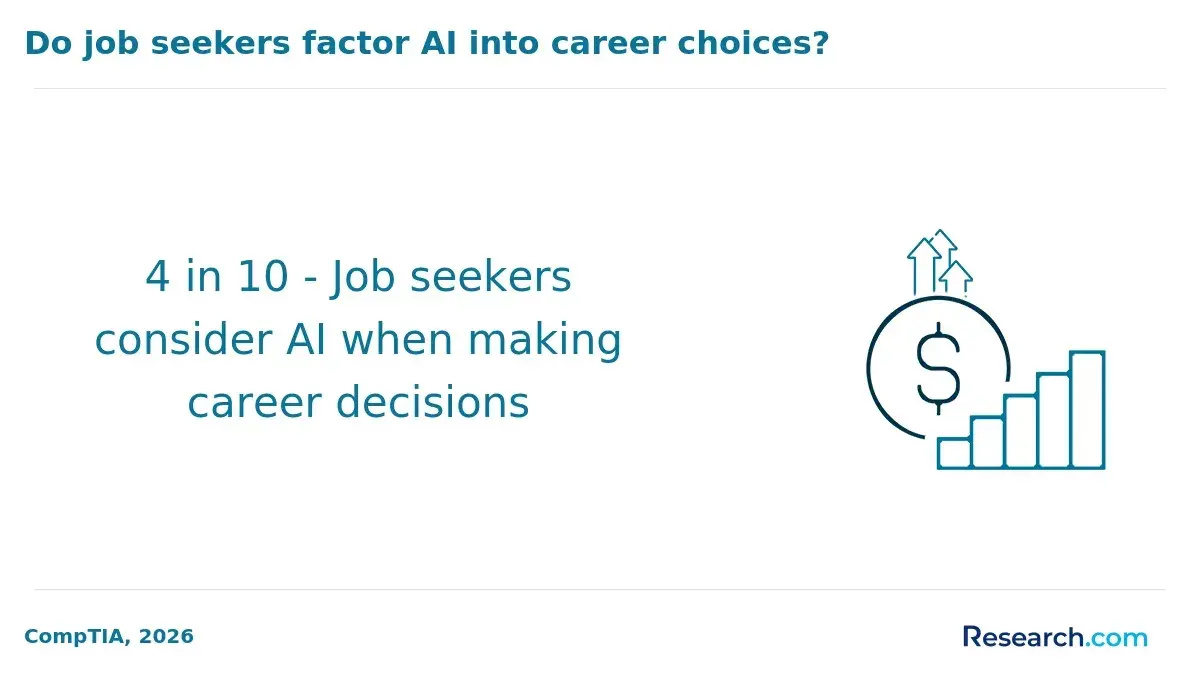
- Demand for artificial intelligence skills is growing 35% annually, driving 60% of U.S. students to pursue AI degrees for better job prospects and higher starting salaries.
- AI programs increasingly integrate ethics and interdisciplinary studies, addressing concerns about bias and societal impact while attracting diverse student populations in 2025-2026.
- Top universities now offer cutting-edge AI specializations supported by industry partnerships, linking education directly to emerging sectors such as autonomous systems and healthcare automation.
Why are AI degrees becoming more popular among students in 2027?
Demand for AI professionals in education continues to grow rapidly, with job postings in AI and machine learning increasing 74% year-over-year, according to LinkedIn's 2024 Jobs Report. This strong industry trend highlights why many students pursue AI degrees, as these programs offer stable, high-paying career paths. Specialized fields such as natural language processing, computer vision, robotics, and ethical AI applications allow students to tailor their education to market needs.
Students choose AI degrees because they develop a unique combination of skills by integrating computer science, statistics, and domain knowledge. These programs provide hands-on experience with real-world datasets and tools like TensorFlow and PyTorch, boosting employability across sectors like healthcare, finance, autonomous vehicles, and cybersecurity. This diverse skill set aligns with the top reasons students choose AI degrees to prepare for the evolving job market.
Education pathways in AI are adaptable, offering options from traditional four-year programs to accelerated master's degrees and online certifications, which accommodate working professionals and various learning styles. Prospective students may consider an accelerated computer science degree to upskill efficiently while balancing other commitments. Programs featuring industry partnerships, internships, and updated curricula reflecting recent breakthroughs enhance career readiness.
Ethical considerations and AI governance are increasingly emphasized in specialized AI degrees, preparing graduates to address societal challenges and meet growing demand for professionals who combine technical expertise with policy insight.
What job roles and career paths are available for AI degree graduates?
AI degree career opportunities in the United States continue to grow rapidly across various sectors. Among graduates, top job roles for graduates with artificial intelligence degrees include machine learning engineer, AI researcher, and data scientist, which make up over 40% of AI-related openings according to Indeed's 2024 Hiring Report. Machine learning engineers are especially sought-after, with an 87% annual growth rate, due to their key role in designing and optimizing algorithms for industries like healthcare, finance, and autonomous vehicles.
AI researchers work in academia, corporate labs, and government agencies, advancing machine intelligence theories and models. Data scientists utilize AI combined with statistical methods to analyze large datasets, providing insights critical to marketing, logistics, and cybersecurity. Other roles such as AI software developer and AI product manager focus on application integration and overseeing ethical AI deployment. Specialized positions in natural language processing and computer vision also attract graduates focused on language or image analysis.
Students aiming at these careers should target industries with expanding AI adoption including automotive, healthcare, finance, and government. Complementary skills in Python, TensorFlow, and cloud AI platforms significantly enhance employability. Certifications and internships further improve job prospects in this competitive field. Prospective students can explore quality programs through resources like the data science undergraduate rankings, which highlight affordable options aligned with strong career outcomes.
What is the job outlook and salary potential for AI professionals?
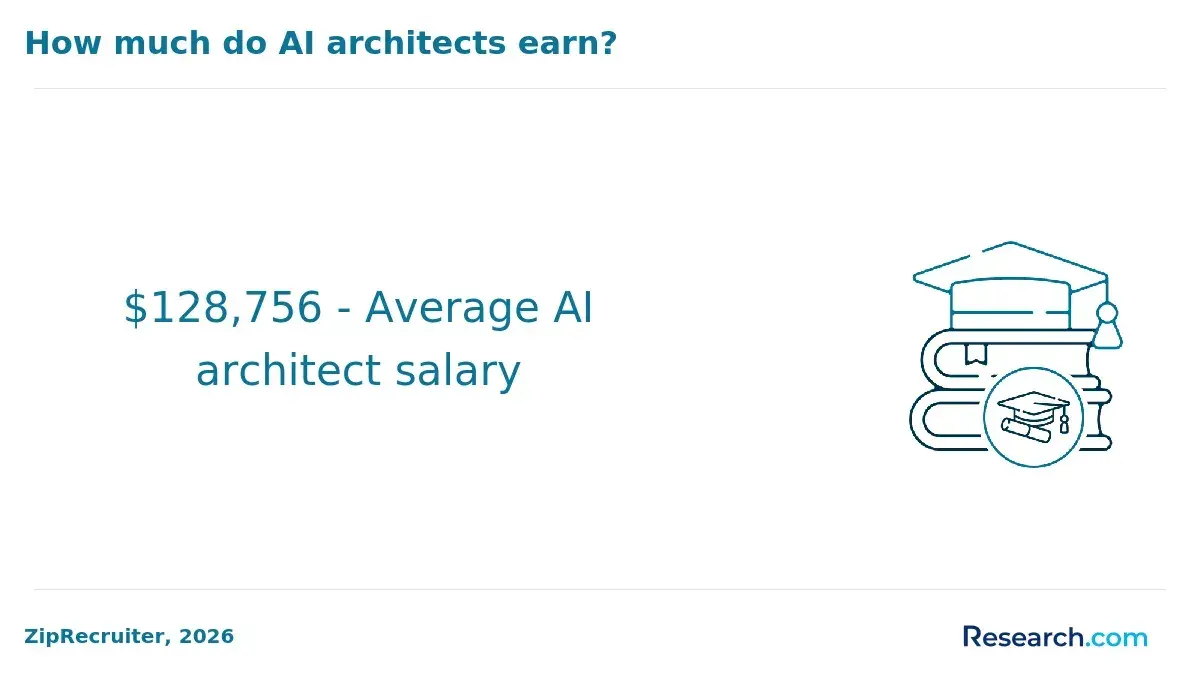
The job outlook for artificial intelligence professionals remains robust, with employment growth expected to exceed many other technology sectors. Top roles such as AI research scientists, machine learning engineers, and robotics specialists are in high demand across industries like healthcare, finance, automotive, and cybersecurity. These positions offer lucrative salaries and strong career advancement opportunities.
According to the U.S. Bureau of Labor Statistics 2024 Occupational Outlook Handbook, AI specialists have a median salary of $164,000 annually in the U.S., a 35% increase from 2022. The average salary potential in AI careers can surpass $250,000 for top earners skilled in machine learning, natural language processing, and data science. Entry-level roles typically start above $100,000, with salaries rising alongside experience and expertise in key AI programming languages such as Python and TensorFlow, as well as cloud-based AI platforms.
Graduates with AI degrees enjoy versatile job options, from algorithm development to AI solution deployment at scale. Emphasizing applied skills in AI ethics, algorithm design, and big data analytics enhances job prospects. Continuing education, certifications, and practical experience remain essential to stay competitive in the evolving AI job market.
Students seeking affordable paths to careers in this field can explore opportunities like the cheapest online electrical engineering degree, which may serve as a strong foundation. The strong job outlook for artificial intelligence professionals signals promising returns for those investing in quality education and skill development.
What are the admission requirements for accredited AI degree programs?
Admission criteria for accredited artificial intelligence degree programs often include a minimum GPA requirement, with about 68% of master's programs expecting at least a 3.0 GPA. Most programs also require prior coursework in quantitative areas such as linear algebra, calculus, or programming to ensure foundational skills. Applicants generally need a relevant bachelor's degree, commonly in computer science, engineering, mathematics, or related fields. For those from other backgrounds, prerequisite courses in programming languages like Python or Java may be necessary.
Requirements for enrollment in top artificial intelligence degree courses typically include letters of recommendation-usually two to three-as well as personal statements that highlight motivation, relevant experiences, and career goals connected to specialized areas such as machine learning or robotics. Some programs also ask for portfolios or coding samples to directly assess technical abilities.
Standardized tests like the GRE are often optional but may be required by highly competitive programs to evaluate analytical skills. International students must meet English proficiency standards through tests like TOEFL or IELTS. While work experience is valued, especially for professional master's tracks, it is not always mandatory.
Prospective students exploring technical fields may also consider related options like a cyber security degree. This can complement artificial intelligence studies with valuable cybersecurity skills and career prospects.
How do online AI programs compare to campus-based degree options?
Graduates of online AI degree programs report job placement rates comparable to those of traditional campus-based degrees, with a 94% placement within six months according to the Online Learning Consortium's 2024 survey. This parity reassures students that pursuing an online path does not reduce career opportunities. Flexibility is a primary benefit, with 71% of students valuing the ability to balance work, caregiving, or living in remote areas while studying asynchronously. For instance, working software engineers can enhance their AI expertise without leaving their jobs.
The curriculum quality varies, but many reputable universities offer identical courses online and on campus, taught by the same faculty. Prospective students should check accreditation, access to virtual labs, career services, and current AI toolkits. Some programs also provide optional on-campus residencies or industry networking events to enrich learning.
Challenges such as maintaining self-discipline and limited hands-on collaboration exist but are mitigated by virtual teamwork platforms and interactive instructor sessions. Assessing personal learning preferences remains crucial.
Overall, online AI degrees offer competitive educational value and strong employment outcomes for students prioritizing flexibility without compromising quality.
What coursework and technical skills are covered in AI degree curricula?
AI degree programs emphasize programming, mathematics, and essential technologies to build intelligent systems. Python proficiency is required in 98% of curricula, given its role as a core language for AI development due to simplicity and rich libraries. Students work with machine learning frameworks like TensorFlow and PyTorch, present in 96% of courses, enabling practical model creation and training for real-world problems.
Neural networks, taught in 94% of programs, cover architectures such as convolutional and recurrent networks critical for image recognition and sequence tasks. Natural language processing (NLP), offered in 87% of AI programs, introduces techniques for interpreting and generating human language, important in chatbot design and sentiment analysis.
Mathematics remains fundamental, with courses in linear algebra, probability, statistics, and optimization supporting algorithm design and data interpretation. Many programs also cover data structures and algorithms, essential for managing large datasets effectively.
Hands-on projects frequently involve computer vision, robotics, and reinforcement learning, preparing students for challenges like data preprocessing, model tuning, and deployment in research or industry environments. Ethical considerations and AI policy are gaining emphasis, helping students appreciate societal impacts and responsible development.
Electives such as autonomous systems, healthcare AI, and cybersecurity allow specialization to meet industry demands. The 2024 ACM Computing Curricula shape these programs, providing technical skills widely recognized for competitive roles across various sectors.
How long does it take to complete an AI degree, and what are the costs?
Master's programs in artificial intelligence typically last between one and two years. Full-time study usually takes 12 to 18 months, while part-time options extend to two years or more, accommodating working professionals. Tuition costs vary significantly, ranging from $30,000 to $120,000 in total, depending on the institution and program type. Public universities generally offer lower costs for in-state students, whereas private and specialized programs tend to be more expensive.
The return on investment (ROI) for AI degrees is compelling. Graduates often recover their costs within about 1.2 years, thanks to high demand and starting salaries frequently above $90,000. Factors such as geographic location, program reputation, and course delivery format influence overall value. Online degrees provide flexibility and potential savings but require strong self-motivation. Accelerated programs shorten the time to completion but involve heavier workloads.
Additional expenses like textbooks, technology fees, and living costs should be included in budgeting. Financial aid, scholarships, and employer tuition reimbursements are widely available to ease financial strain. Prospective students should carefully weigh program length, total costs, and career objectives before enrolling to ensure the best outcome.
What accreditation standards and credentials should you verify when choosing an AI program?
Only about 34% of AI degree programs worldwide have ABET or equivalent computing accreditation, a key factor that employers value when hiring, based on data from the International Engineering Alliance. Prospective students should confirm that their chosen program is accredited by recognized bodies like ABET, ensuring that the curriculum aligns with industry standards and graduates gain essential skills.
Programmatic accreditation from specialized bodies such as ABET's Computing Accreditation Commission (CAC) indicates a thorough review of AI coursework and faculty expertise. Since AI often integrates computer science, data science, and engineering, accreditation guarantees coverage of crucial topics like machine learning algorithms, data ethics, and software development practices, all taught by qualified instructors.
Regional accreditation approved by the U.S. Department of Education is also important for financial aid eligibility and credit transfer. Programs should include practical experience such as capstone projects or internships, reflecting accreditation requirements that emphasize applied learning.
Additionally, students should check if their AI degree aligns with certifications respected by employers, including those from IEEE and industry groups. Requesting accreditation documentation directly from schools and comparing verified credentials helps avoid enrolling in programs lacking sufficient rigor or recognition, protecting job prospects despite degree titles.
Are certifications or professional licenses required for AI careers after graduation?
Certifications or professional licenses are increasingly significant in many artificial intelligence roles, even though they are not universally mandatory after graduation. About 42% of AI job postings now request certifications such as AWS Machine Learning Specialty or Google Cloud Professional AI Engineer, up from 28% two years ago. This trend highlights employer demand for verified technical skills beyond academic degrees.
Employers often see certifications as evidence of practical expertise and familiarity with specific AI platforms or cloud environments. For instance, data scientists and machine learning engineers targeting cloud-centric companies benefit from vendor-specific credentials. In contrast, research-focused roles may prioritize advanced degrees and published work over certifications.
Professional licenses remain uncommon in AI compared to fields like medicine or law. However, emerging ethical and compliance certifications, covering areas like data privacy and algorithmic fairness, are gaining traction. Professionals in regulated sectors such as healthcare or finance might find these credentials particularly valuable.
Graduates should carefully review job descriptions to identify valued certifications in their industry. Earning certifications can enhance hiring chances, boost salary prospects, and showcase dedication to continuing skill development. Combining solid academic qualifications with relevant certifications provides a strong competitive edge in the evolving AI job market.
How should prospective students evaluate and compare different AI degree programs?
Prospective students evaluating AI degree programs should focus on practical experience and industry connections to enhance career prospects. The Computing Research Association's survey shows that 76% of hiring managers prioritize graduates involved in real-world capstone projects. Programs that integrate hands-on projects simulating workplace challenges allow students to apply AI concepts effectively.
Partnerships with tech companies and research institutions are crucial. Programs offering internships or cooperative education provide valuable exposure to industry practices. For instance, collaboration with Silicon Valley firms can offer students up-to-date insights and networking opportunities. Curriculum depth matters as well, with strong emphasis on areas like machine learning, natural language processing, computer vision, and emerging topics such as ethical AI and reinforcement learning.
Faculty expertise and active research in influential AI fields also signal program quality. Flexible program options, including part-time or online formats, support working professionals. While cost and financial aid are important considerations, they should not override factors like curriculum rigor and tangible training opportunities.
Ultimately, degrees balancing rigorous coursework, extensive real-world projects, and robust industry ties will better prepare students for competitive AI careers.
Other Things You Should Know About Artificial Intelligence
Mathematics is fundamental in artificial intelligence, particularly areas such as linear algebra, calculus, probability, and statistics. These mathematical concepts underpin machine learning algorithms and help in understanding data structures and model optimization. Mastery of these topics enables students to design and improve AI systems accurately.
AI degree programs increasingly include ethics, focusing on the responsible use of technology. Topics often cover bias prevention, data privacy, transparency, and the societal impacts of AI deployment. Understanding these issues prepares students to develop AI systems that align with legal standards and ethical principles.
Yes, many artificial intelligence programs offer specializations such as natural language processing, computer vision, robotics, or machine learning. Specializing allows students to deepen their knowledge in a specific field and tailor their education toward particular career goals. This flexibility makes AI degrees adaptable to diverse industry needs.
In 2027, the rapid expansion of AI technologies necessitates robust regulatory frameworks to address ethical and societal impacts. An understanding of AI regulation is crucial for navigating legal and ethical landscapes. Programs like an AI regulation and governance master’s prepare students for these challenges.
References
- Key Skills Gained from a Bachelor of Science in Artificial Intelligence https://tetr.com/blog/key-skills-gained-from-a-bachelor-of-science-in-artificial-intelligence
- Artificial Intelligence Course Duration Guide for 2025 Beginners | Your Blog https://mammothclub.com/blog/artificial-intelligence-course-duration
- College students say they are changing their majors because of AI https://www.businessinsider.com/college-students-changing-majors-because-of-ai-2026-4
- AI Careers: Roles, Salaries, and Certifications to Get You Hired - ONLC https://www.onlc.com/blog/ai-careers-roles-salaries-certifications/
- More US college students are changing majors as AI influences their career choices - The Times of India https://timesofindia.indiatimes.com/education/careers/news/more-us-college-students-are-changing-majors-as-ai-influences-their-career-choices/amp_articleshow/130038275.cms
- AI’s Impact on Job Growth | J.P. Morgan Global Research https://www.jpmorgan.com/insights/global-research/artificial-intelligence/ai-impact-job-growth
- AI Certifications: Accredited Programs, Vendor Credentials, and Emerging Standards - Total Seminars https://totalsem.com/ai-certifications-accredited-programs-vendor-credentials-and-emerging-standards/
- AI In Higher Education: How To Choose The Right Model https://www.quadc.io/blog/ai-in-higher-education-how-to-choose-the-right-model
- Artificial Intelligence (AI) https://ai-master.org/requirements
- What Are the Requirements for an AI Certificate - IABAC https://iabac.org/blog/what-are-the-requirements-for-an-ai-certificate