2027 Best AI Degrees for Students Interested in Education Technology

Co-Founder and Chief Data Scientist
Students aiming to transition into education technology often face the challenge of finding advanced degrees tailored to their background and career goals. Many programs focus heavily on theory or technical skills unrelated to education, leaving a gap for those seeking practical, flexible AI training.
This disconnect can delay or derail career pivots into the growing AI-driven educational sector. This article highlights top degrees designed to bridge this gap. It identifies accredited programs that combine artificial intelligence expertise with education technology applications, helping readers select paths that align with their professional ambitions and prior experience.
Key Things You Should Know
- Education technology increasingly integrates artificial intelligence to personalize learning, with 68% of U.S. institutions adopting AI tools by 2025 for enhanced student engagement.
- Top AI degree programs now emphasize interdisciplinary skills, combining computer science, pedagogy, and data analysis to prepare graduates for ed-tech innovation.
- Job growth for AI specialists in education is projected at 27% through 2030, outpacing many other tech sectors and highlighting strong career prospects.
What are the best AI degrees for education technology careers?
The best AI degrees in education technology programs combine technical expertise in artificial intelligence with knowledge of learning sciences and instructional design. Computer science degrees with AI or machine learning concentrations build strong foundations in machine learning, natural language processing, and data analytics, all vital for developing adaptive learning systems and intelligent tutoring platforms.
Degrees in educational technology featuring AI-focused tracks blend pedagogy with technology, preparing students to design AI-driven educational tools aligned with curriculum standards. Key relevant degree options include:
- Bachelor's or Master's in Computer Science with an AI or machine learning concentration
- Master's in Educational Technology emphasizing AI applications in learning
- Interdisciplinary programs in Human-Computer Interaction covering AI in education
- Data Science degrees with coursework in AI and educational data mining
Graduates from these programs are equipped to tackle challenges like personalizing learning experiences, automating grading, and analyzing student data to refine teaching methods. AI skills continue to surge in demand across education technology roles, with Lightcast reporting a year-over-year doubling of mentions in U.S. job postings.
Students pursuing the best education technology degrees with an artificial intelligence focus should seek programs offering hands-on AI projects, collaborations with edtech companies, and coursework on ethics and learner privacy. This blend creates versatile professionals ready to innovate in K-12 education, corporate training, and higher education.
For those exploring options, understanding 'What is applied artificial intelligence?' can help in choosing the right degree and career path.
What AI skills do education technology employers look for in graduates?
Employers in education technology highly value specific AI skills in education technology job market candidates, focusing on competencies such as machine learning algorithms, natural language processing (NLP), and data analytics. These enable graduates to create adaptive learning systems, customize educational content, and analyze student data effectively.
Familiarity with AI frameworks like TensorFlow and PyTorch is essential for developing educational applications. Practical experience with AI-driven chatbots and virtual tutors that boost student engagement and provide real-time feedback is also sought after.
Graduates need a strong grasp of ethical AI principles, including bias mitigation and data privacy, to build responsible education technology solutions. Programming skills in Python and JavaScript remain vital for implementing AI components and working with software teams. Knowledge of cloud-based AI platforms such as Microsoft Azure or Google Cloud supports scalable education services.
Soft skills like problem-solving, tailored to educational challenges, interdisciplinary collaboration, and clear communication are important supplements to technical knowledge. For those interested in deeper technical education, exploring a data science degree can further develop these valuable skills.
The premium placed on AI skills is evident, as noted by Microsoft and LinkedIn's Work Trend Index, showing 71% of leaders prefer candidates with AI know-how over those with more experience but lacking those skills. Aspiring edtech professionals should prioritize the continuous growth of essential AI competencies for edtech graduates to stand out.
Which AI degree level fits education technology roles: bachelor's, master's, or PhD?
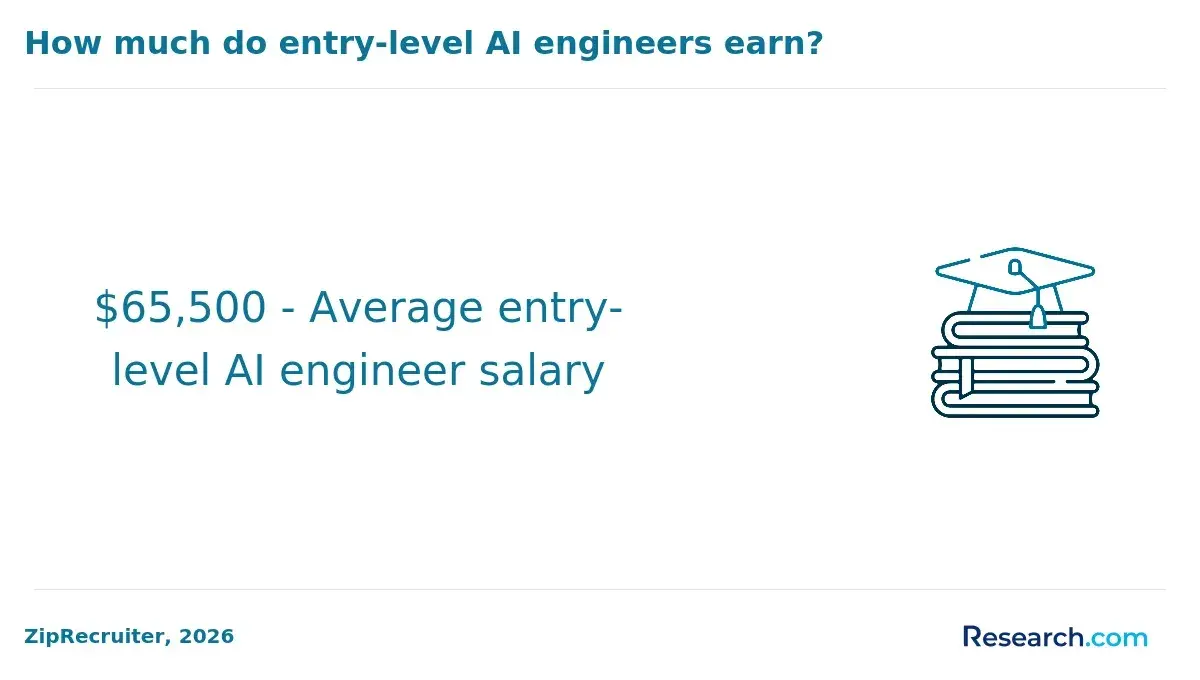
The best AI degree programs for education technology careers vary depending on the level of expertise required and career goals. A bachelor's degree in computer science or AI prepares graduates for many entry-level education technology roles, such as software development, data analysis, or product support. According to the National Association of Colleges and Employers (NACE), the average starting salary for U.S. computer science bachelor's graduates was $76,251.
Master's degrees in AI or related areas offer deeper specialization, suitable for roles needing advanced knowledge of machine learning, natural language processing, or adaptive learning systems. These degrees support positions like AI specialists, project managers, or AI integration consultants, enabling career growth without the lengthy commitment of doctoral studies.
PhD programs focus on original research and innovation in education technology. These are essential for careers in academic research, AI ethics, or leading development of novel AI methodologies. PhDs are often required for university faculty roles or principal investigator positions responsible for advancing AI applications in education.
Consider degree levels aligned with job functions:
- Bachelor's: Entry-level AI developer, data analyst, or product tester roles.
- Master's: AI specialist, project manager, or AI integration consultant roles.
- PhD: Academic research, AI ethics expert, or principal investigator roles.
Prospective students can explore the AI online degree options to find programs fitting their career path and budget.
How do online AI programs compare with on-campus options for edtech students?
Online AI programs offer flexibility for education technology students, allowing them to balance studies with work or personal commitments through asynchronous lessons and recorded lectures. This flexibility is a key appeal of online AI programs vs on-campus degrees for edtech students. The National Center for Education Statistics reported that over half of U.S. postsecondary students enrolled in distance education courses.
On-campus AI programs, however, provide hands-on experiences that are often essential for mastering practical applications such as natural language processing or adaptive learning technologies. These programs typically offer direct access to research labs, specialized equipment, and face-to-face mentorship. Networking opportunities on campus also foster connections that can help with job placement and career advancement.
Key differences include:
- Interaction: More immediate feedback and mentorship on-campus.
- Resources: Better physical access to AI development tools and computing clusters.
- Networking: Structured events and informal connections aligned with AI careers in education.
- Cost and Location: Online programs reduce expenses and remove geographical barriers.
Students seeking flexible learning options in edtech and AI education may prefer online formats, while those wanting an immersive, hands-on experience might opt for on-campus programs. Hybrid models combining both approaches are becoming more common. Prospective students should review curricula, technology access, and support services aligned with their career goals, and can explore options like an online cybersecurity degree for related fields.
What coursework should an AI-for-edtech degree include?
Core coursework in AI-for-edtech programs combines foundational computer science with education technology specialization. Key classes include machine learning algorithms, natural language processing (NLP), and data analytics focused on educational systems. Reflecting the prominence of transformer-based models noted in Stanford HAI's AI Index, training with transformers and frameworks like TensorFlow or PyTorch is essential.
Students also study curriculum design and pedagogical theory alongside algorithm development to build AI tools that adapt to diverse learning styles. Human-computer interaction (HCI) and user experience (UX) courses help ensure AI solutions are accessible and engaging for educators and learners.
Data privacy and ethics are critical components, covering regulations like FERPA and GDPR due to the sensitive nature of student data in edtech AI systems. Practical coursework often includes projects on adaptive learning platforms and automated grading systems.
Electives may focus on topics such as bias detection in AI models and automated content generation using transformers. Exposure to cognitive science deepens understanding of learning processes and AI interaction. Proficiency in Python programming and API use for educational content integration is also required.
Programs frequently encourage internships or partnerships with edtech companies, offering hands-on experience that prepares graduates to address challenges such as scaling AI for personalized learning and managing classroom complexities. This blend of technical, pedagogical, and ethical training creates a robust AI education.
What admission requirements apply to AI degrees focused on education technology?
Admission to AI degree programs focused on education technology typically requires a strong foundation in quantitative and technical skills. Most schools expect applicants to hold a bachelor's degree in computer science, education, engineering, or a related STEM field, with a minimum GPA of 3.0, while more competitive programs often look for 3.5 or higher.
Standardized testing, especially the GRE, remains important in many cases. Over half of GRE test takers worldwide come from STEM fields, underscoring the need for strong quantitative reasoning abilities. Although some institutions waived GRE requirements during the pandemic, selective programs still use GRE quantitative and analytical writing scores to evaluate critical thinking and problem-solving.
Applicants are usually required to submit letters of recommendation from academic or professional sources who can attest to their analytical skills and experience with educational technologies. A well-crafted statement of purpose should highlight experience with AI applications in education, career aims, and intended contributions to innovation.
For professionals with nontraditional backgrounds, relevant industry experience or certifications in machine learning or instructional design may sometimes replace academic prerequisites. Nonetheless, programming proficiency-especially in Python-and understanding of data analytics remain essential prerequisites across most programs.
How long do AI degrees take, and what do they cost?
Most AI degree programs tailored toward education technology take between one and two years for full-time graduate students. Master's degrees typically last 12 to 24 months, depending on the curriculum's intensity and enrollment status. Doctoral programs typically span three to six years, due to the demands of research and dissertation requirements. Certificate programs or specialized diplomas typically require 6 to 12 months.
Tuition costs vary mainly based on whether the institution is public or private. The National Center for Education Statistics' Digest of Education Statistics reports the average annual tuition and fees for full-time graduate students as $12,596 at public schools and $29,931 at private nonprofit institutions. For example, a two-year master's at a public university may total around $25,000, while a private institution can charge over $60,000.
Additional expenses like technology fees, textbooks, and travel for residencies or conferences should be considered. Flexible programs may allow part-time or online options, extending completion time but potentially lowering costs. Many students benefit from employer tuition assistance or scholarships focused on education technology and AI fields.
How can you verify accreditation for AI and education-related programs?
To verify accreditation for AI and education-related programs, refer to the U.S. Department of Education's Database of Accredited Postsecondary Institutions and Programs (DAPIP), which lists over 6,000 accredited schools. This comprehensive database is the most reliable source for confirming a program's accreditation status recognized by the U.S. government.
Accreditation from agencies recognized by the U.S. Department of Education or the Council for Higher Education Accreditation (CHEA) ensures institutional quality. Regional accreditors, such as the Middle States Commission on Higher Education or the Western Association of Schools and Colleges, are widely accepted.
For specialized fields like education technology and artificial intelligence, programmatic accreditation may apply. Watch out for institutions claiming accreditation from unrecognized or foreign organizations without federal approval, as these are often diploma mills or low-quality programs.
When pursuing online or hybrid degrees, confirm the accreditor specifically covers distance education. Verify accreditation by contacting the school's registrar or admissions office and cross-checking with DAPIP or CHEA listings. Also, inquire about industry endorsements or partnerships with recognized AI or education organizations, which can provide extra assurance of program quality.
What jobs can you get in education technology with an AI degree?
Graduates with an AI degree can pursue diverse roles in education technology that leverage machine learning, natural language processing, and data analytics to enhance learning outcomes. Key positions include AI instructional designers who create personalized learning experiences by analyzing student performance data, and AI software engineers who develop adaptive platforms that adjust content in real time based on user interaction.
Data scientists in this field analyze large datasets from digital classrooms to identify patterns, optimize curricula, and predict student success. Product managers with AI expertise oversee edtech solutions integrating machine learning models for automated grading, tutoring, and student engagement tracking.
The World Economic Forum's 2025 Future of Jobs Report highlights AI and Machine Learning Specialists as among the fastest-growing job roles worldwide through 2030. Additional career paths include AI policy and ethics specialists, and researchers designing intelligent tutoring systems with speech recognition and emotion detection to improve educational experiences.
Skills in programming languages like Python, frameworks such as TensorFlow, and knowledge of pedagogy greatly boost employability. Practical experience with datasets from educational assessments or learning management systems is often required. Interdisciplinary roles combining AI with cognitive science or behavioral psychology focus on how learners engage with technology.
What salary and job outlook can AI edtech graduates expect?
Graduates in AI education technology often receive competitive salaries that reflect the growing demand for expertise in this specialized field. The U.S. Bureau of Labor Statistics reports a median salary of $108,020 for data scientists, a relevant benchmark since roles such as educational data analysts, learning experience designers, and AI curriculum developers require similar skills.
Career opportunities are expanding as schools and corporations increasingly utilize AI-driven personalized learning platforms and adaptive assessment tools. Typical positions include AI software developers creating education apps, edtech consultants, and research scientists working on intelligent tutoring systems.
Other paths involve policy and implementation roles, influencing the integration of AI into educational curricula. Salaries in these positions usually range between $80,000 and $120,000, depending on experience and location.
Key factors for advancing in these roles include:
- Hands-on experience with machine learning and programming languages like Python and R
- Understanding educational pedagogy
- Internships or collaborative projects with edtech companies
Salary negotiation should consider industry segment, geographic location, and specialization level, with higher wages typically seen in major metropolitan areas or cutting-edge AI learning model development.
Other Things You Should Know About Artificial Intelligence
Graduates in 2027 can pursue roles such as educational data analysts, AI curriculum developers, and e-learning consultants. The growing demand for personalized learning platforms and adaptive technologies creates opportunities in both K-12 and higher education institutions.
Artificial intelligence enables personalized learning by analyzing individual student data to tailor instructional content and pacing. AI-driven platforms can adapt exercises based on student performance, identifying strengths and weaknesses to optimize learning paths. This flexibility supports diverse learning styles and helps improve engagement and academic outcomes.
Educators face challenges such as limited technical training, resource constraints, and concerns about the reliability of AI tools. Many teachers require professional development to effectively use AI systems. Additionally, integrating AI while maintaining human interaction and avoiding over-reliance on automated processes remains a core challenge.
Yes, artificial intelligence can assist in the early identification of learning disabilities by analyzing patterns in student behavior and performance data. AI tools can detect subtle signs that might be missed by traditional methods, enabling timely intervention. This early detection helps tailor specialized support to meet individual student needs effectively.
References
- What Can Students Expect to Learn in AI Courses? | University of Bridgeport https://www.bridgeport.edu/news/ai-course-expectations/
- Digital Education Council | Certificate in AI for Higher Education https://www.digitaleducationcouncil.com/digital-education-council-certificate-in-ai-for-higher-education
- How AI is challenging the credibility of some online courses https://theconversation.com/how-ai-is-challenging-the-credibility-of-some-online-courses-264851
- What Are the Top Skills Employers Look For in the Age of AI? https://blog.udallas.edu/tower-thoughts/what-are-the-top-skills-employers-look-for-in-the-age-of-ai
- Artificial Intelligence Course Eligibility: Requirements & Prerequisites https://www.mygreatlearning.com/artificial-intelligence/courses/eligibility
- Careers — aiEDU https://www.aiedu.org/careers
- Do you need a master’s or PhD for AI careers? | edX https://www.edx.org/resources/do-you-need-a-masters-or-phd-to-work-in-ai
- AI Certifications: Accredited Programs, Vendor Credentials, and Emerging Standards - Total Seminars https://totalsem.com/ai-certifications-accredited-programs-vendor-credentials-and-emerging-standards/
- What level of education is required for artificial intelligence? https://www.outrightcrm.com/blog/what-level-of-education-is-required-for-artificial-intelligence/
- How Long Do AI Courses Take? https://www.nobledesktop.com/learn/ai/how-long-do-ai-courses-take