2027 AI Associate Degree vs Certificate: Which Is Better?

Co-Founder and Chief Data Scientist
Professionals seeking to enter the artificial intelligence field in 2026 often face uncertainty when choosing between an associate degree and a certificate program. Both options promise skill development but differ in time commitment, depth, and industry recognition. Deciding which pathway aligns better with career goals and life circumstances can be challenging, especially for those balancing work and continued education. This article examines the key differences, benefits, and limitations of associate degrees versus certificates in artificial intelligence. It aims to guide readers toward an informed choice that supports their transition into this rapidly evolving industry.
Key Things You Should Know
- Associates degrees in artificial intelligence typically require two years and provide in-depth foundational knowledge suited for technical roles, with 65% of graduates gaining employment within six months.
- Certificates offer shorter, focused training-usually under a year-allowing quick entry or skill upgrades, ideal for professionals seeking niche roles or career shifts.
- Employers increasingly prefer associates for broader skills, but certificates remain valuable for specialized tasks; cost and time investment differ significantly between the two options.
What is the difference between an AI associate degree and an AI certificate program?
An AI associate degree is a comprehensive, two-year program covering foundational and intermediate topics in artificial intelligence, computer science, mathematics, and related areas. It combines general education courses with AI-specific content, preparing students for entry-level roles or further education. In contrast, an AI certificate program is shorter, often lasting a few months, and focuses narrowly on particular AI skills or tools, such as machine learning algorithms, neural networks, or AI programming languages.
This certificate format is ideal for professionals seeking quick upskilling or specialization without the broader academic commitment of a degree, illustrating key AI associate degree vs certificate program benefits.
The associate degree requires about 60 to 70 credit hours and typically includes courses on data structures, database management, calculus, and ethics in AI. Students may study AI fundamentals alongside programming in Python and statistics. Certificate programs usually require 12 to 20 credit hours and emphasize targeted AI competencies like deep learning frameworks or AI deployment.
This makes certificates attractive for working professionals needing rapid skill updates or aiming to pivot into AI roles. When weighing the difference between AI certificate and associate degree programs, the scope and depth of study are major factors.
Employers regard associate degrees as proof of a broad technical foundation and critical thinking, while certificates show specialized knowledge and practical expertise. The U.S. Bureau of Labor Statistics projects computer and information technology jobs to grow 15% between 2023 and 2033, faster than average, driving demand for both credentials.
For more insight, explore what can you do with an applied artificial intelligence degree.
Which AI credential takes less time to complete and costs less money?
AI certificate programs require significantly less time and money than associate degrees in AI. Certificates usually take three to six months and target specific skills or tools, while associate degrees demand about two years of full-time study. This difference in duration affects tuition costs and time away from work, important factors in the time and cost comparison of AI associate degree and certificate programs.
According to the National Center for Education Statistics, tuition and fees at public two-year colleges averaged $3,750, compared to $9,750 at four-year public universities. Associate degrees, commonly offered at community colleges, tend to be more affordable than bachelor's degrees, but AI certificates-often available online or part-time-can be even cheaper, sometimes costing less than $2,000.
Certificates focused on machine learning or data analytics provide quicker credentialing and are preferred by working professionals or students needing fast entry-level skills. They offer a more economical route for those seeking foundational proficiency with less tuition. Conversely, associate degrees cover broader general education, offer transferable credits, and provide deeper academic grounding but at the cost of more time and money.
Those deciding between AI credentials should evaluate career objectives and finances carefully. For additional insights on affordable pathways in data science, which often overlaps with AI, see the data science master us ranking.
What jobs can you get with an AI associate degree versus an AI certificate?
An AI associate degree opens up a broader range of entry-level technical positions compared to an AI certificate, thanks to its comprehensive curriculum and hands-on experience. Graduates with this degree can pursue roles such as AI technician, junior data analyst, machine learning support specialist, and software developer assistant.
These positions demand foundational knowledge of algorithms, programming languages like Python, and basic data processing skills, which support career advancement into mid-level roles over time. This makes the AI associate degree job opportunities more expansive and growth-oriented.
On the other hand, an AI certificate is typically shorter, focusing on specific skills or tools, ideal for professionals seeking quick reskilling or specialization. Those holding certificates often qualify for roles like AI project assistant, data labeling technician, or AI model tester. These careers emphasize practical applications rather than theoretical concepts, generally supporting AI initiatives without creating complex models. The narrower focus fits well with AI certificate career options aimed at technical assistance.
LinkedIn's 2024 Jobs Report notes a 74% increase in postings for machine learning engineer, data scientist, and AI specialist roles, all of which usually require education beyond certificate level. Prospective students aiming for substantial AI development or data science careers will benefit more from an associate degree. For those balancing time or budget constraints who want faster entry into AI support roles, certificates provide a viable path.
For those interested in affordable programs, information on the online artificial intelligence degree options can help guide your decision.
What are the admission requirements for AI associate degree and certificate programs?
Admission requirements for AI associate degree programs typically include a high school diploma or equivalent such as a GED. Many community colleges, where these degrees are offered, follow open-access policies that reduce the need for extensive standardized testing or prerequisite coursework. This approach supports the fact that nearly 72% of community college students are first-generation college attendees, making these programs more accessible than traditional four-year institutions.
Some programs may require placement tests in math or English or suggest foundational courses in computer science or programming, though these vary by institution.
Certificate program prerequisites for artificial intelligence studies are often less stringent, catering to working professionals or individuals seeking a quick path to specialization. Many certificate programs accept candidates without formal postsecondary education, focusing instead on relevant work experience or prerequisite technical training.
For instance, some may assess prior knowledge of programming languages like Python or basic machine learning concepts through interviews or questionnaires rather than transcripts.
For students lacking formal academic background, certificate programs can provide an effective entry point before advancing to comprehensive associate degrees. Both pathways often offer academic advising and support services. Prospective students should review specific requirements, as some regionally accredited colleges demand minimum GPAs or placement scores when enrollment is competitive.
Those exploring related fields might also consider options such as an online cyber security degree.
How does accreditation differ between AI associate degree programs and certificate programs?
Accreditation plays a key role in distinguishing AI associate degree programs from certificate programs, affecting both credential recognition and career prospects. The Council for Higher Education Accreditation reports that 98% of degree-granting institutions hold formal accreditation, compared to only 47% of certificate programs. This gap influences how employers and academic institutions value these credentials.
Associate degrees usually come from regionally accredited colleges or universities, ensuring adherence to rigorous educational standards. This accreditation confirms the quality of the curriculum, faculty expertise, and learning outcomes. Graduates from accredited associate programs benefit from easier credit transfer and wider employer acceptance.
In contrast, many AI certificate programs-particularly online or private offerings-lack formal accreditation. While some focus on practical skills, the absence of accreditation can reduce their recognition in hiring and further education. Prospective students should verify accreditation or industry recognition before committing.
This distinction is critical for career planning. An unaccredited certificate may suffice for quick skill development but offers less validation for academic or professional advancement. Accredited associate degrees provide stronger confirmation of comprehensive training in AI fundamentals and related areas.
Students aiming for long-term growth or eligibility for certifications that require accredited education should prioritize associate degrees. For fast entry into specialized roles, a carefully selected, accredited certificate might be adequate, though accredited certificates are less common.
What coursework and skills will you learn in each type of AI program?
AI associate degree programs offer in-depth coursework covering programming languages like Python and Java, data structures, machine learning algorithms, neural networks, and statistics. Students gain practical experience with AI frameworks such as TensorFlow and PyTorch, alongside database management and software development methodologies.
These programs emphasize skills in programming, data analysis, model building, and problem-solving within real-world contexts. Ethics in AI and cloud computing integration are also important components of the curriculum.
Certificate programs, in contrast, target specific skill sets such as natural language processing, computer vision, or core machine learning fundamentals. These faster-paced programs prioritize practical knowledge of AI tools, data preprocessing, and algorithm implementation but often provide less theoretical depth and fewer general education courses. This makes certificates ideal for professionals seeking rapid upskilling or to supplement existing expertise for immediate market needs.
The World Economic Forum's 2024 Future of Jobs Report highlights AI and machine learning as the fastest-growing skill categories, with demand rising 74% annually across industries. Focused skills like ethical AI deployment, data manipulation, and model training taught in both program types prepare students for this expanding job market.
Associate degrees suit students wanting broad technical competence and career flexibility, while certificates benefit working professionals needing quick entry or advancement in niche AI fields.
What is the job outlook and salary potential for AI associate degree holders versus certificate holders?
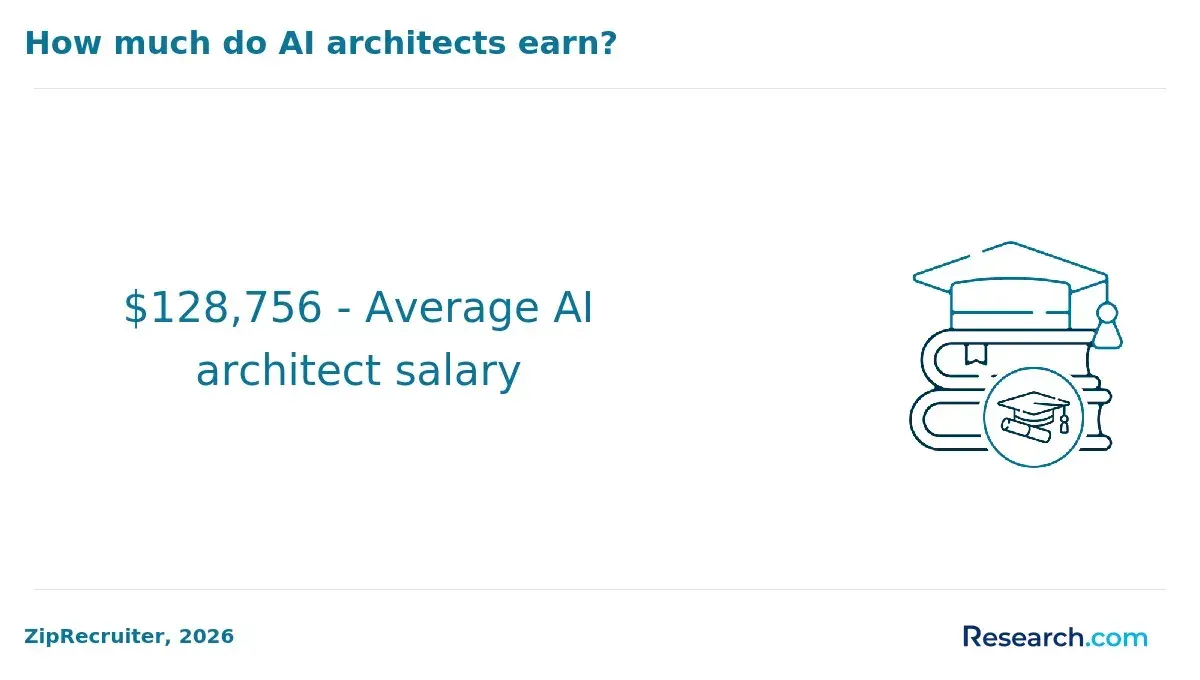
The job outlook for AI associate degree and certificate holders is promising, particularly at entry-level roles. According to Glassdoor's 2024 Salary Report, median salaries for entry-level AI and machine learning positions range between $95,000 and $110,000 annually. This range applies equally to those with associate degrees and certificates in specialized AI fields such as data analysis, machine learning frameworks, or natural language processing.
Employers increasingly value certificate holders for their practical skills tailored to specific job needs. For instance, a certificate in machine learning engineering may expedite entry into roles focused on AI model development and deployment, while an associate degree provides broader foundational knowledge across programming, data science, and AI concepts.
Although both credentials offer competitive starting salaries, associate degree holders often enjoy greater upward mobility. Their programs generally cover a wider academic base, facilitating progression to bachelor's degrees and qualifying them for diverse roles like technical support and system development. Certificate holders usually need additional experience or certifications to advance beyond initial positions.
Entry-level salary potential is competitive across both paths, but the associate degree offers a more versatile foundation for long-term career growth. Prospective students should consider their immediate job goals alongside future educational plans before deciding between the two credentials.
Are AI associate degrees and certificates available online, on campus, or both?
AI associate degrees and certificates are available both online and on campus, offering flexibility to meet diverse student needs. Nearly 39% of undergraduates enrolled in at least one distance education course, showing growing demand for remote learning options. Community colleges lead in providing hybrid and fully online AI programs, helping working professionals and remote learners access relevant education.
Online programs typically include asynchronous lectures and virtual labs that accommodate students balancing education with work or personal commitments. Many online AI certificates focus on practical skills such as machine learning fundamentals and AI programming languages like Python, ideal for those seeking quick credentials without relocating.
Meanwhile, on-campus AI associate degrees provide hands-on labs, face-to-face interaction, and access to faculty and physical research facilities-beneficial for students pursuing specialized AI careers or immediate employment.
Hybrid programs combine online and in-person learning to reduce digital fatigue while ensuring engagement in complex technical training. This approach offers learners the ability to customize their education according to their lifestyle and career goals.
Prospective students should evaluate their learning preferences, schedule flexibility, and verify accreditation and curriculum relevance to ensure quality education.
Do employers prefer an AI associate degree or a certificate when hiring?
Employers hiring for AI roles in 2026 do not show a clear preference between an associate degree and a certificate; instead, they focus on demonstrated skills and hands-on experience. According to the 2024 Coursera Employer Skills Report, 62% of employers value practical skills and project experience equally or more than formal credentials.
Candidates presenting solid portfolios, proofs of mastery through projects, or open-source AI contributions often gain a competitive advantage regardless of credential type.
Certificates can be sufficient for entry-level roles when they include validated assessments and real-world projects. Startups and tech firms that emphasize agile hiring often accept certificates highlighting programming languages like Python, machine learning frameworks, or data preparation skills.
Associate degrees tend to suit candidates targeting broader technical roles combining AI with IT infrastructure or software engineering fundamentals. Larger corporations or government agencies may prefer degrees for their comprehensive curricula and perceived academic rigor. Degrees also benefit those pursuing further education or interdisciplinary roles.
A strategic approach for job seekers is combining either credential with substantiated project portfolios on platforms such as GitHub. For instance, a certificate holder showcasing 2-3 completed AI projects may be more attractive than a degree holder lacking practical examples. Employers emphasize measurable outcomes, so highlighting skills in natural language processing, computer vision, or AI model deployment is essential in applications and interviews.
How should you choose between an AI associate degree and certificate based on your career goals?
Choosing between an AI associate degree and certificate depends largely on your career goals and how deeply you want to specialize. An associate degree provides a comprehensive foundation in AI, often enabling broader career options or smoother transfer to four-year programs. Data from the U.S. Census Bureau indicates workers with associate degrees earn about 20% more over their lifetime compared to high school graduates, highlighting the financial advantage.
Certificates in AI target specific technical skills and offer quicker completion times. Median earnings for certificate holders are roughly 10-15% less than those with associate degrees, making certificates appealing for professionals seeking rapid entry or advancement in focused roles like machine learning engineering or data analysis. Certificates suit those balancing work and study or wanting to quickly acquire relevant skills without a full general education component.
If your aim is to become an AI technician or apply machine learning tools on the job swiftly, a certificate's focused curriculum may be enough. However, roles such as AI developer or research analyst typically require associate degrees that cover math, programming, and ethics necessary for advancement.
Consider your long-term career path, time commitment, and resources. Both paths benefit from additional industry certifications and ongoing learning to stay competitive in AI's evolving job market.
Other Things You Should Know About Artificial Intelligence
Key skills for a career in artificial intelligence include programming languages like Python and R, knowledge of machine learning algorithms, data analysis proficiency, and understanding of neural networks. Additionally, problem-solving abilities and a strong foundation in mathematics, especially statistics and linear algebra, are essential.
Artificial intelligence certificates can help demonstrate specialized knowledge and skills, which may lead to career advancement or new job opportunities. They are particularly useful for professionals seeking to upskill or shift careers quickly without committing to a longer degree program. However, certificates alone may not substitute for hands-on experience or advanced degrees in some competitive roles.
Industry demand significantly influences the focus and availability of artificial intelligence education programs. As companies seek talent with up-to-date AI skills, educational institutions adapt curricula to include emerging technologies like deep learning and natural language processing. This alignment helps ensure graduates are prepared for current market needs.
In 2027, AI associate degrees generally cost more than certificates due to longer program length and more comprehensive coursework. Both, however, can lead to career advancement or transitioning into an AI governance master’s program, which may offer additional financial aid options.
References
- AI Certification Programs: Which Ones Matter for Your Career https://www.businessplusai.com/blog/ai-certification-programs-which-ones-matter-for-your-career
- AI Careers: Roles, Salaries, and Certifications to Get You Hired - ONLC https://www.onlc.com/blog/ai-careers-roles-salaries-certifications/
- AI Certificate vs. Degree: Which One Is Right for You - IABAC https://iabac.org/blog/ai-certificate-vs-degree-which-one-is-right-for-you
- What Can Students Expect to Learn in AI Courses? | University of Bridgeport https://www.bridgeport.edu/news/ai-course-expectations/
- Explore online courses and certificate programs in AI | edX https://www.edx.org/learn/artificial-intelligence
- What Career Opportunities Are Available After Completing an AI Certification? https://www.h2kinfosys.com/blog/what-career-opportunities-are-available-after-completing-an-ai-certification/
- Professional Certificate in Applied Artificial Intelligence - AIMST UNIVERSITY https://aimst.edu.my/academic/professional-certificate-in-applied-artificial-intelligence/
- AGTU | Global Degree Online https://agtu.us/en/programs/undergraduate-programs/computer-science/associate-artificial-inteligence/
- AI Certification: What Employers Really Look for in your CV in 2025 https://thecasehq.com/ai-certification-what-employees-look-in-2025/
- AI Certification Vs Degree: Which Is Better in 2026? - DSTI | Data Science Course in Delhi | Data Science Training in Delhi https://www.datasciencetraining.co.in/ai-certification-vs-degree-which-is-better/