2027 First-Generation Students in AI Degree Programs

Co-Founder and Chief Data Scientist
Many first-generation students face challenges when entering AI degree programs, including limited guidance on coursework choices, financial constraints, and balancing family commitments. These obstacles can hinder timely progress and successful career transitions. The gap in tailored support often leads to uncertainty about navigating the competitive AI landscape and leveraging relevant opportunities.
This article explores enrollment trends, support resources, and program structures designed to help first-generation students overcome barriers. It aims to clarify pathways and provide actionable insights for prospective students seeking flexible, accredited options to build a career in Artificial Intelligence.
Key Things You Should Know
- In 2026, first-generation U.S. students comprise approximately 28% of AI degree enrollees, reflecting growing access to technology education.
- Support programs targeting first-generation students improve retention rates in AI studies by up to 18%, addressing unique socio-economic challenges.
- First-generation students often pursue AI to boost career mobility, with 72% reporting plans to enter high-demand STEM job markets post-graduation.
What does it mean to be a first-generation student in an artificial intelligence degree program?
Being a first-generation student in artificial intelligence degree programs in the United States means neither parent or guardian has earned a college degree. This status often presents distinct challenges, such as limited familiarity with advanced STEM coursework and reduced exposure to professional networks vital for internships and job placements in AI industries. Financial pressures may also arise due to fewer familial resources or guidance on managing tuition and related expenses.
Challenges faced by first-generation artificial intelligence degree students include navigating complex educational systems without family experience, which can impact access to scholarships, internships, and mentoring opportunities. Data from the National Center for Education Statistics via BestColleges shows that about 38% of undergraduate students were first-generation, representing a significant talent pool that can diversify AI research perspectives.
Effective strategies for these students involve seeking academic advising early, participating in AI-focused student organizations, and leveraging campus career services to build professional networks. Many universities now provide tailored programs offering mentorship and customized resources specifically designed for first-generation STEM students. Prospective students can also explore online options like the computer science degree accelerated pathways to gain timely and relevant skills for AI careers.
What types of artificial intelligence degrees are available for first-generation students in the U.S.?
First-generation students pursuing artificial intelligence degrees in the U.S. have access to a variety of program types that align with diverse academic backgrounds and career ambitions. These include bachelor's, master's, and doctoral degrees in computer science with AI specializations, dedicated AI degrees, and interdisciplinary degrees combining AI with fields like data science, robotics, or cognitive science.
Bachelor's programs often feature concentrations in machine learning, natural language processing, or computer vision, building foundational skills in programming, algorithms, and statistics. Master's degrees delve deeper into AI theory, ethics, and practical applications, with coursework on neural networks, reinforcement learning, and AI system design. Doctoral programs emphasize research, preparing students for roles in academia and industry innovation.
Community colleges and technical schools increasingly offer associate degrees or certificates in AI-related areas, providing cost-effective pathways to higher education. These options, supported by partnerships with four-year institutions, help first-generation students overcome financial barriers as the median parental income for these students remains around $41,000. Flexible alternatives like bootcamps and online AI degree programs also serve working students or those balancing family responsibilities.
Students should carefully evaluate program accreditation, curriculum relevance, and financial aid availability. Programs emphasizing internships and capstone projects improve employment prospects. Additionally, choosing universities that support first-generation students through mentorship and scholarships can reduce barriers to successful artificial intelligence education and careers.
How do online and campus-based AI programs compare for first-generation college students?
First-generation college students pursuing online ai degree programs face unique challenges and opportunities. Campus-based programs offer structured support like tutoring centers, study groups, and faculty mentorship, which can be invaluable for bridging gaps in preparatory knowledge and fostering a supportive community. However, they often come with financial and scheduling hurdles, especially for students balancing work or family obligations.
Online ai programs, on the other hand, provide greater flexibility, allowing first-generation students to overcome geographical and time constraints. This accessibility can boost enrollment for those unable to attend traditional campuses due to caregiving or economic pressures. Despite this, online learners may struggle with limited faculty interaction and weaker academic support networks, factors that can affect persistence and completion.
Students weighing campus versus online ai programs for first-generation students should consider:
- Availability of academic advising and mentorship.
- Financial aid options and overall cost-effectiveness.
- Support services like career counseling and tutoring.
- Flexibility in balancing studies with personal commitments.
Many institutions now use hybrid models blending online courses with on-campus engagement to reduce isolation and improve outcomes. Prospective students may also explore options such as a game development online degree for related tech fields that offer affordability and flexibility.
What admission requirements and academic preparation do AI programs expect from first-generation applicants?
Admission requirements for first-generation students in AI degree programs in the US typically emphasize strong academic preparation in foundational subjects such as mathematics, computer science, and statistics. Applicants are often expected to have completed coursework in calculus, linear algebra, programming languages like Python or Java, and some exposure to data structures and algorithms. These prerequisites ensure students are ready for the technical demands of AI studies.
Standardized test scores remain optional at many institutions but may still be reviewed for graduate programs. First-generation applicants should focus on crafting compelling personal statements that highlight their passion for AI, overcoming educational challenges, and any self-directed learning experiences. Recommendations preferably come from instructors familiar with the student's technical abilities or research potential.
Practical experience is also valued. Internships, coding bootcamps, or contributions to open-source AI projects can significantly enhance an application, especially for those without extensive academic networks. Many first-generation students benefit from actively seeking out AI learning resources, online tutorials, and campus support to build essential AI literacy before applying.
AI as a new digital divide affects students unevenly. According to the Digital Education Council meta-summary, 86% of students reported using AI tools in their studies, with 54% weekly and nearly 25% daily. Lack of regular exposure can create obstacles both during admissions and in the program itself. Exploring related fields through a cyber security course online may also provide complementary skills and broaden career options within STEM disciplines.
Academic preparation expectations for first-generation applicants to AI programs include not just coursework but demonstrated motivation and resourcefulness in navigating the new digital landscape AI creates.
How can first-generation students evaluate accreditation and program quality in AI degrees?
First-generation students seeking degrees in artificial intelligence should prioritize programs accredited by recognized bodies like ABET or regional accreditors. Accreditation confirms adherence to academic standards, influencing financial aid eligibility and employer recognition. It is essential that the accreditation directly covers engineering, computer science, or technology disciplines and remains current.
Assessing program quality involves examining curriculum details and faculty expertise. Look for courses emphasizing core areas such as machine learning, data science, and ethics, combined with practical projects involving popular AI frameworks. Faculty actively engaged in research or industry work typically provide more relevant and updated instruction.
Developing strong data literacy skills is crucial. A 2024 ERIC study highlights that students with higher data literacy are more adept at using AI tools like ChatGPT for complex academic applications. Programs that build these competencies give learners a valuable advantage.
Also evaluate program outcomes, including graduation rates, internship availability, and job placement in AI fields. Transparency in these areas reflects institutional commitment to student success. Prospective students are encouraged to connect with alumni or current enrollees to learn about satisfaction levels and the real-world applicability of their education.
What core courses and skills do artificial intelligence degree programs typically teach?
Degree programs in artificial intelligence emphasize core courses that build foundational knowledge essential for AI careers in development and research. Students study machine learning algorithms, including supervised, unsupervised, and reinforcement learning methods, developing models that recognize patterns and make data-driven decisions.
Key programming languages like Python and R are integral, with important focus on data structures, algorithms, and software engineering principles needed for designing effective AI systems. Mathematics courses cover linear algebra, calculus, probability, and statistics to support algorithm optimization and data analysis.
Courses on neural networks and deep learning explore architectures such as convolutional and recurrent neural networks, critical for applications like image and speech recognition. Natural language processing (NLP) classes prepare students to handle and generate human language, applicable in chatbots and language translation.
Ethics and AI governance address concerns about bias, privacy, and societal impact. Hands-on experience through labs, projects, and internships develops skills with AI toolkits and frameworks like TensorFlow and PyTorch. Comprehensive AI tutoring support has led to up to 40% reductions in student churn, boosting retention and degree completion for vulnerable groups, including first-generation students (Evelyn Learning analysis of AI tutoring tools).
Students sharpen problem-solving, critical thinking, and communication skills to meet interdisciplinary AI challenges. Data management proficiency is emphasized to ensure graduates are well-rounded professionals. The combination of rigorous curriculum and robust support systems creates a strong foundation for a successful career in artificial intelligence.
What support services and mentoring do colleges offer first-generation students in AI majors?
Colleges offering artificial intelligence degree programs provide specialized support to help first-generation students succeed academically and professionally. Peer mentoring connects them with experienced upperclassmen who guide them through AI coursework and internship searches, easing their transition. Academic support centers offer workshops on coding languages, data analysis, and AI frameworks tailored to fill gaps in prior preparation.
Career counseling offices deliver personalized advice on applying for internships and jobs, focusing on showcasing AI projects and research. Partnerships with tech companies often create exclusive internship pipelines for first-generation students. Financial aid advising plays a vital role in helping these students manage tuition and living expenses, reducing the risk of dropping out.
Faculty mentorship assigns AI professors to first-generation students, promoting close academic relationships and research opportunities linked to higher retention and graduation rates. Support groups and resource centers address mental health and social integration issues, recognizing the unique pressures of balancing family expectations with demanding AI studies.
Data highlight long-term benefits: first-generation graduates in tech fields earn a median household income of $99,600, compared to $135,800 for peers with college-educated parents, indicating a $36,000 earnings gap AI careers aim to close. These programs equip students with technical skills and professional networks essential for higher-paying roles in AI and related industries.
What entry-level and advanced career paths can AI graduates pursue as first-generation professionals?
AI graduates who are first-generation professionals can find a broad spectrum of career paths, from entry-level to advanced roles, across many industries. Typical entry-level positions include data analyst, machine learning engineer, AI software developer, and AI research assistant. These jobs build essential skills in algorithm design, data preprocessing, and model deployment, often requiring programming knowledge in Python and familiarity with frameworks such as TensorFlow or PyTorch.
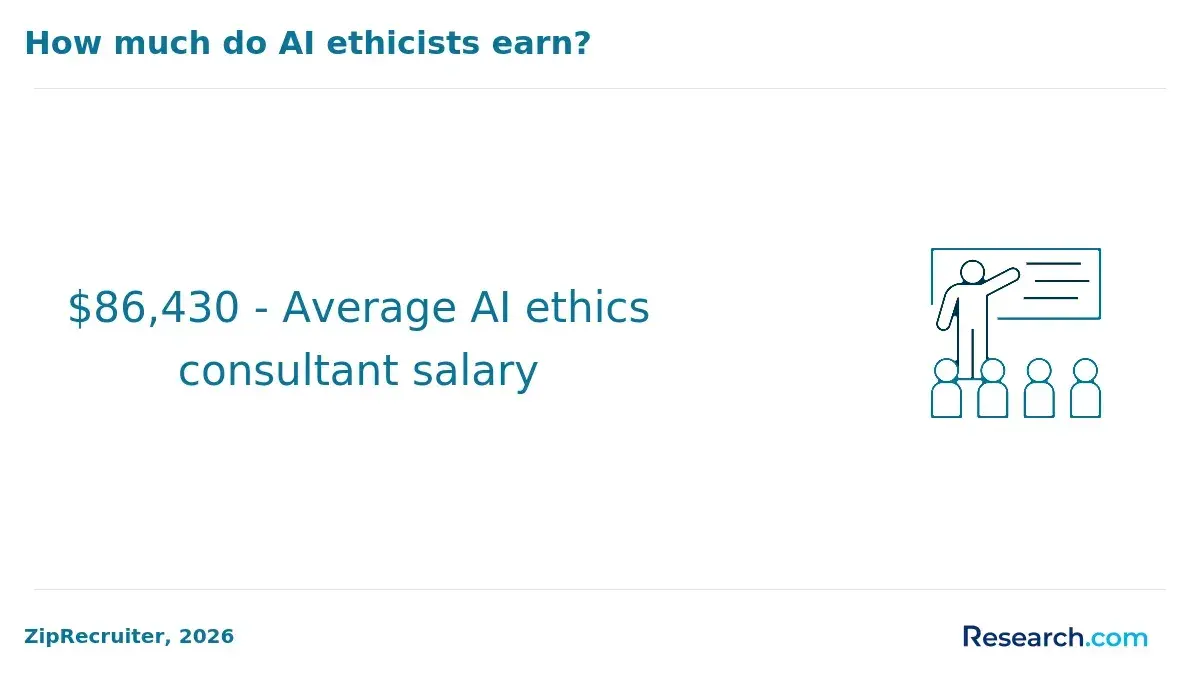
With experience, first-generation graduates may pursue roles like AI architect, senior data scientist, AI product manager, or AI ethics consultant. These advanced careers require analytical expertise, leadership, and the ability to integrate complex AI systems. For instance, AI product managers oversee cross-functional development of AI-driven applications, while AI ethics consultants focus on addressing bias and transparency in algorithms.
Financial challenges are common for first-generation students. According to the Pew Research Center via PNPI brief, 65% of these graduates carry $25,000 or more in student loan debt, compared to 57% of second-generation graduates. This financial reality can drive choices toward roles with faster salary growth or signing bonuses, such as AI software engineering in tech or AI specialist positions in finance and healthcare.
Additional opportunities include AI policy analyst, AI educator, and AI systems integration engineer. Enhancing skills with certifications or advanced degrees and networking within professional AI organizations can significantly improve career outcomes for first-generation professionals.
What salary ranges and long-term earning potential exist for AI graduates from first-generation backgrounds?
First-generation graduates who complete artificial intelligence degree programs can anticipate starting salaries typically ranging from $75,000 to $110,000, depending on factors like geography, company size, and specific job roles. Positions such as AI engineer, data scientist, and machine learning engineer frequently fall within this range. Graduates working for large tech companies or in expensive metropolitan areas may receive offers above $120,000, while smaller companies or less tech-centric sectors might start salaries closer to $70,000.
As these first-generation professionals advance, mid-career salaries often rise to between $130,000 and $180,000, particularly as experience and specialization accumulate. Senior roles-such as AI research leads, machine learning architects, or AI product managers-can exceed $200,000, with total compensation boosted by equity and bonuses.
Challenges including limited access to professional networks and mentorship can affect job placement and salary negotiation for first-generation graduates. Programs offering career support and guidance are an important resource to improve opportunities. Building practical skills, pursuing internships, and leveraging university career centers remain crucial strategies. Obtaining certifications in AI subfields and demonstrating hands-on project experience also correlate strongly with higher salary offers.
By 2020, approximately 53% of college students identified as first-generation under a broader definition, indicating growing representation and support resources, according to the NCES brief on first-generation trends.
How can first-generation students finance AI degrees and manage total program costs responsibly?
First-generation students financing artificial intelligence degrees can combine scholarships, grants, federal aid, and work-study programs to manage costs effectively. Scholarships and grants, unlike loans, do not require repayment and often focus on underrepresented groups, including first-generation college attendees. Prominent awards like the AI Residency Fellowship and offerings from the National Science Foundation provide competitive funding specifically for AI education.
Federal student aid via FAFSA includes low-interest loans and subsidized grants based on financial need, with early applications maximizing potential assistance. Working students may also benefit from employer tuition assistance programs, which often cover partial or full tuition and reduce reliance on loans while allowing practical experience.
Keeping costs low can involve choosing affordable schools or online programs with flexible schedules, allowing students to earn income during their studies. Community colleges offering AI-related certifications provide a cost-effective path toward four-year degrees.
Budgeting for living expenses is especially important, given the wealth gap faced by first-generation graduates. According to PNPI data, their median household wealth of $152,000 is significantly lower than the $244,500 median for second-generation graduates in high-skill fields, underscoring the need for careful financial planning.
Other Things You Should Know About Artificial Intelligence
First-generation students in AI programs often face challenges such as limited access to academic resources, lack of familiarity with the college environment, and fewer networking opportunities. These obstacles can impact their confidence and academic performance. Institutions are increasingly providing targeted support to help overcome these barriers.
Programming experience is highly important for AI degree students since most courses require coding skills in languages like Python, Java, or C++. Prior exposure to programming helps students understand algorithms, data structures, and machine learning models more effectively. However, some programs offer introductory courses for beginners to build foundational skills.
AI degree programs emphasize ethics related to data privacy, bias in algorithms, and the social impact of AI technologies. Students learn to design AI systems responsibly, ensuring fairness and transparency in their applications. Ethical training prepares graduates to navigate the complex societal challenges posed by AI deployment.
First-generation students in 2027 AI programs have access to various support services, such as mentorship programs, academic advising, and workshops focused on skill development. Some institutions even offer networking opportunities linked to specific areas, like pursuing a master’s in financial artificial intelligence.
References
- 5 Ways You Can Support First-Generation College Students • Code2College https://code2college.org/5-ways-you-can-support-first-generation-college-students/
- First Generation Student Resources - Jack Kent Cooke Foundation https://www.jkcf.org/our-stories/first-generation-student-resources/
- AI Is Routine for College Students, Despite Campus Limits https://news.gallup.com/poll/704090/routine-college-students-despite-campus-limits.aspx
- What Can Students Expect to Learn in AI Courses? | University of Bridgeport https://www.bridgeport.edu/news/ai-course-expectations/
- What do you learn in a bachelor's in artificial intelligence? | edX https://www.edx.org/resources/what-do-you-learn-in-a-bachelors-in-artificial-intelligence
- Are You a First-gen Student? https://www.firstgenforward.org/our-opportunity/are-you-a-first-gen-student
- New College Programs Support and Mentor First-Generation Students | Insight Into Academia https://insightintoacademia.com/new-college-programs-support-and-mentor-first-generation-students/
- Artificial Intelligence Degree Requirements: What Do You Need to Apply? https://aifwd.com/education/artificial-intelligence-degree-requirements/
- Accreditation and AI: Ensuring Quality in an Era of Smart Learning https://www.qahe.org/article/accreditation-and-ai-ensuring-quality-in-an-era-of-smart-learning/
- 16 Artificial Intelligence Career Paths https://www.calmu.edu/news/artificial-intelligence-career-paths