2027 Best AI Bachelor's Degrees for Human-Computer Interaction Careers

Co-Founder and Chief Data Scientist
Many professionals with backgrounds unrelated to technology face hurdles when aiming to enter human-computer interaction careers focused on artificial intelligence. Without a relevant bachelor's degree, acquiring the essential skills and credentials can seem daunting. Traditional programs often lack flexibility, making it difficult for working adults to balance studies with existing commitments.
This challenge highlights the need for accessible, accredited educational pathways tailored to pivoting into AI-driven HCI roles. This article examines top bachelor's degrees designed for such career transitions, emphasizing program flexibility, accreditation, and alignment with current industry demands to guide informed decisions.
Key Things You Should Know
- Human-computer interaction bachelor's programs integrating artificial intelligence focus on user-centric design, machine learning, and cognitive science to prepare graduates for evolving tech careers.
- By 2025, AI-related HCI jobs are projected to grow 27%, emphasizing demand for skills in natural language processing and adaptive interfaces.
- Top programs emphasize interdisciplinary coursework and offer hands-on experience with AI tools, with many reporting graduate employment rates above 85% within six months.
What is a human-computer interaction career, and how does AI fit into it?
A career in human-computer interaction (HCI) focuses on designing and improving digital interfaces to create more accessible, efficient, and engaging user experiences. The role of artificial intelligence in human-computer interaction jobs is increasingly significant, as AI enables adaptive, personalized interfaces using machine learning, natural language processing, and computer vision.
For example, AI-powered chatbots enhance customer support by anticipating user needs, while adaptive learning platforms modify content delivery based on user behavior. According to the IBM Global AI Adoption Index 2024, 42% of enterprises use AI, underscoring its growing importance in shaping digital products and user experience workflows.
Human-computer interaction careers in artificial intelligence require skills to integrate AI for automating routine tasks, boosting engagement, and analyzing large sets of interaction data. Key AI applications in HCI include:
- Developing interfaces that learn from users and adjust dynamically.
- Creating voice-activated and gesture-controlled systems relying on AI interpretation.
- Using behavioral data analysis to improve usability and accessibility.
- Designing ethical AI systems that promote trust and transparency.
Students interested in HCI should pursue programs combining computer science, psychology, design, and AI. Proficiency in programming languages like Python and frameworks such as TensorFlow helps build AI-driven solutions. To explore relevant academic paths, consider an artificial intelligence major that prepares graduates for this evolving field.
Which bachelor's degree majors best prepare you for AI-driven HCI roles?
Bachelor's degrees that best prepare students for AI-driven human-computer interaction careers blend core computer science with interdisciplinary studies in psychology and design. Majors focusing on machine learning and AI equip students with critical programming, data analysis, and algorithm development skills. These align closely with Lightcast's analysis identifying "AI" and "machine learning" as among the fastest-growing skills in job postings.
Top majors preparing students for artificial intelligence and HCI roles often include cognitive science or psychology, which provide essential insights into human behavior and decision-making. Combining this knowledge with data science or AI coursework helps graduates address both user experience and underlying technology.
Specialized programs such as human-computer interaction or interaction design explicitly integrate AI concepts with usability and UX principles. Hands-on projects involving AI-powered applications offer practical experience highly valued by employers.
Key practical considerations include:
- Selecting programs offering courses in Python or R, commonly used in AI development.
- Gaining exposure to machine learning frameworks like TensorFlow or PyTorch.
- Pursuing electives in psychology, design thinking, or UX research for a well-rounded skill set.
Engaging in internships or lab research focused on AI and HCI technologies. Graduates who combine software engineering, AI techniques, and human factors stand out in fields involving voice assistants, adaptive interfaces, and intelligent user support. This integrated training helps balance technical complexity with user accessibility and ethical deployment of AI.
Prospective students should also consider affordability; for example, numerous options exist for the cheapest mechanical engineering degree online, illustrating how cost-effective pathways can support tech careers.
How do you identify accredited AI bachelor's programs for HCI careers?
Choosing accredited artificial intelligence bachelor's programs for human-computer interaction careers requires careful verification of institutional accreditation. Programs with regional accreditation recognized by the U.S. Department of Education or the Council for Higher Education Accreditation (CHEA) ensure federal quality standards and eligibility for financial aid.
This is especially important because students at Title IV-eligible institutions often incur significant debt, as reported by the U.S. Department of Education College Scorecard. Attending a non-accredited school can jeopardize aid eligibility and reduce the degree's value.
Specialized accreditation, such as from ABET's Computing Accreditation Commission, is another critical factor. This accreditation confirms that computing-related curricula meet rigorous academic and industry standards, which is vital for interdisciplinary fields like AI applied to human-computer interaction.
Review programs for core courses covering AI fundamentals, machine learning, cognitive science, user experience, and interaction design to spot those tailored for HCI careers. Prospective students should also examine whether schools maintain active industry partnerships, offer internships, and have faculty experts in both AI and HCI.
Use official resources like the U.S. Department of Education's College Navigator or College Scorecard to verify accreditation and financial aid eligibility. The best regionally accredited AI bachelor's degrees for HCI professionals often highlight these elements clearly in their program descriptions.
- Confirm regional or national institutional accreditation recognized by U.S. authorities
- Verify specialized accreditation like ABET for computing programs
- Assess curricula for AI and HCI foundational coursework
- Ensure program participation in Title IV for financial aid eligibility
For those interested in cost-effective options, exploring online engineering degrees can provide affordable pathways to strong AI and HCI education.
What coursework and labs should an AI bachelor's include for HCI work?
AI bachelor's degree labs for HCI careers require a mix of core AI theory and hands-on applied coursework. Fundamental subjects include machine learning, natural language processing, computer vision, and user-centered design. Integrating cognitive psychology and human factors engineering is essential to grasp user behavior, accessibility, and ergonomic aspects.
Lab components should focus on real-world experimentation, such as prototyping interactive systems, usability testing, and deploying AI-driven applications in practical environments. As reflected by Stanford HAI's 2025 AI Index, most notable AI systems originate from industry rather than academia, so programs must emphasize applied labs.
Students gain valuable experience by engaging in projects that mimic product development phases, including data gathering, model training, iterative design, and evaluation with diverse user groups. Familiarity with software tools like TensorFlow, PyTorch, and UX/UI platforms enhances workplace preparation.
Practical lab experiences might include:
- Deploying AI solutions on web or mobile platforms for scalability testing.
- Developing conversational agents with iterative human feedback loops.
- Building adaptive interfaces responding to biometric data.
- Evaluating AI fairness and bias through user studies.
Ethics, privacy, and explainability coursework prepare students for complex challenges in human-computer interaction AI coursework, while collaboration on interdisciplinary capstone projects simulates professional conditions. Students interested in advancing further might explore options like a data science master's online program to deepen their expertise.
What are the best online AI bachelor's options for human-computer interaction careers?
The best online AI bachelor's degrees for human-computer interaction (HCI) careers blend core artificial intelligence skills with specialized courses in user experience, cognitive science, and interface design. Programs like Arizona State University's Online Bachelor of Science in Computer Science with an emphasis on AI, or Oregon State University's BS in Computer Science offering AI and HCI electives, provide a solid foundation in machine learning, natural language processing, and data analytics integrated with human factors and usability testing.
Key factors to consider when selecting an online AI bachelor's for HCI include:
- Curriculum balance between AI technical depth and user-centered design methods
- Access to practical projects or virtual labs focused on AI-driven interface development
- Faculty expertise in both AI and HCI disciplines
- Accreditation and relevant industry certifications offered
- Flexible pacing options suitable for working professionals
Incorporating real-world applications through capstone projects or research opportunities is vital. HCI roles require proficiency in interpreting AI outputs to create intuitive user experiences, needing both technical AI skills and psychological insight. According to the National Center for Education Statistics' "Distance Education in Postsecondary Institutions" report, over 70% of undergraduates took at least one online course.
Prioritizing interdisciplinary coursework, such as human factors engineering and data visualization alongside AI fundamentals, prepares graduates for roles in interface design, usability research, and the development of intelligent systems that enhance user interaction across industries.
What campus-based AI programs offer strong HCI research, studios, or industry partnerships?
Campus-based AI programs excelling in human-computer interaction (HCI) combine rigorous research, dedicated studios, and solid industry partnerships. Top institutions like Carnegie Mellon University, Stanford University, and the University of Washington integrate specialized HCI research labs with projects funded by leading tech companies such as Microsoft, Google, and Amazon.
These partnerships provide undergraduate students with hands-on experience through capstone projects and internships within or alongside university research centers. Such programs often feature dedicated HCI studios-collaborative spaces equipped with advanced hardware and software-where students prototype and test interactive AI systems.
For instance, Georgia Tech's GVU Center supports undergraduate involvement in research on augmented reality and adaptive user interfaces. The National Science Foundation's Higher Education Research & Development (HERD) Survey 2024 highlights U.S. universities' R&D spending at a record $89 billion. This funding enables greater access to emerging AI technologies and interdisciplinary teams focusing on user experience, cognitive modeling, and system design.
Prospective students should consider programs that explicitly support undergraduate participation in funded HCI projects and foster collaborations with corporations or government agencies. Key criteria include:
- Availability of AI-HCI research assistant positions
- Access to collaborative studios
- Pathways to internships with tech firms emphasizing human-centered AI design
Programs combining coursework in design, psychology, and computer science equip students with a comprehensive skill set for HCI careers, enhancing practical experience and professional networking.
What admissions requirements matter most for AI and human-computer interaction programs?
Admissions for AI and human-computer interaction (HCI) programs emphasize strong math and programming skills. Applicants typically need coursework in calculus, statistics, or advanced algebra, accompanied by experience in languages like Python, Java, or C++. Competitive application cycles are driving universities to seek clear evidence of these abilities.
Applicants can strengthen their profiles with portfolios or research related to AI or HCI, including projects in user interface design, cognitive modeling, or machine learning. Practical achievements such as app prototypes, coding competitions, or open-source contributions are valuable. Participation in research labs or internships also supports an application's competitiveness.
Standardized test scores that highlight math proficiency remain relevant at some schools, though not always mandatory. Letters of recommendation from instructors who understand an applicant's technical skills and problem-solving abilities carry significant weight. Personal statements should clearly express motivation for AI/HCI and describe relevant experiences.
Some programs ask for supplementary materials like design portfolios or sample code to gauge hands-on aptitude. Careful preparation aligned with these criteria helps distinguish candidates applying to competitive AI and HCI bachelor's degree programs, maximizing admission chances amidst rising demand and selectivity.
How long do AI bachelor's programs take, and what do they cost?
Bachelor's programs in artificial intelligence typically require four years of full-time study, similar to traditional undergraduate degrees. Accelerated options can shorten this to three years for students with advanced placement credits or those attending summer sessions. Part-time programs offer flexibility but extend the duration, making them suitable for working professionals.
Tuition costs vary widely based on the institution and residency: public universities average around $10,740 annually for in-state students, with out-of-state fees often doubling that amount. Private colleges generally charge between $35,000 and $55,000 per year, though financial aid can reduce these expenses. Additional yearly costs for fees, textbooks, software licenses, and hardware range from $1,000 to $2,000.
Students interested in human-computer interaction within artificial intelligence should look for programs combining core ai coursework with interaction design. Such specialized tracks may include electives in psychology or design, potentially lengthening the degree but improving job prospects.
Key tips include applying early for financial aid and scholarships, exploring dual enrollment to earn credits faster, and comparing total program costs beyond tuition. Consulting campus financial offices or program advisors can clarify institution-specific costs and timelines.
What jobs can you get with an AI bachelor's focused on human-computer interaction?
An AI bachelor's degree emphasizing human-computer interaction (HCI) prepares graduates for diverse roles that blend technology, design, and user experience. Career opportunities include positions like a UX researcher, who analyzes how users engage with AI systems to enhance usability, and an AI product analyst, who integrates data analysis with user feedback to improve AI-driven products.
Conversational design, a fast-growing field, requires expertise in both AI and HCI to develop intuitive natural language interfaces, chatbots, and virtual assistants. Similarly, AI user interface designers create interfaces tailored to machine learning models, demanding skills in visual design alongside AI knowledge.
LinkedIn's 2024 Work Change Report highlights growth in AI-related jobs and evolving skill demands beyond traditional UX roles. Emerging hybrid roles such as "UX with AI" and "product analytics" reflect this trend. Job seekers can also explore roles like:
- Human Factors Specialist focused on AI system integration
- Data Visualization Expert optimizing AI outputs for end-users
- AI Ethics Specialist ensuring responsible AI interface design
- Research Scientist studying human interactions with AI algorithms
Success in these careers requires programming skills, machine learning knowledge, and cognitive psychology understanding. Employers increasingly seek candidates who bridge AI technology with user-centric experiences, making this degree particularly valuable across tech, healthcare, and automotive sectors.
What salaries and job outlook can you expect in AI-related HCI careers?
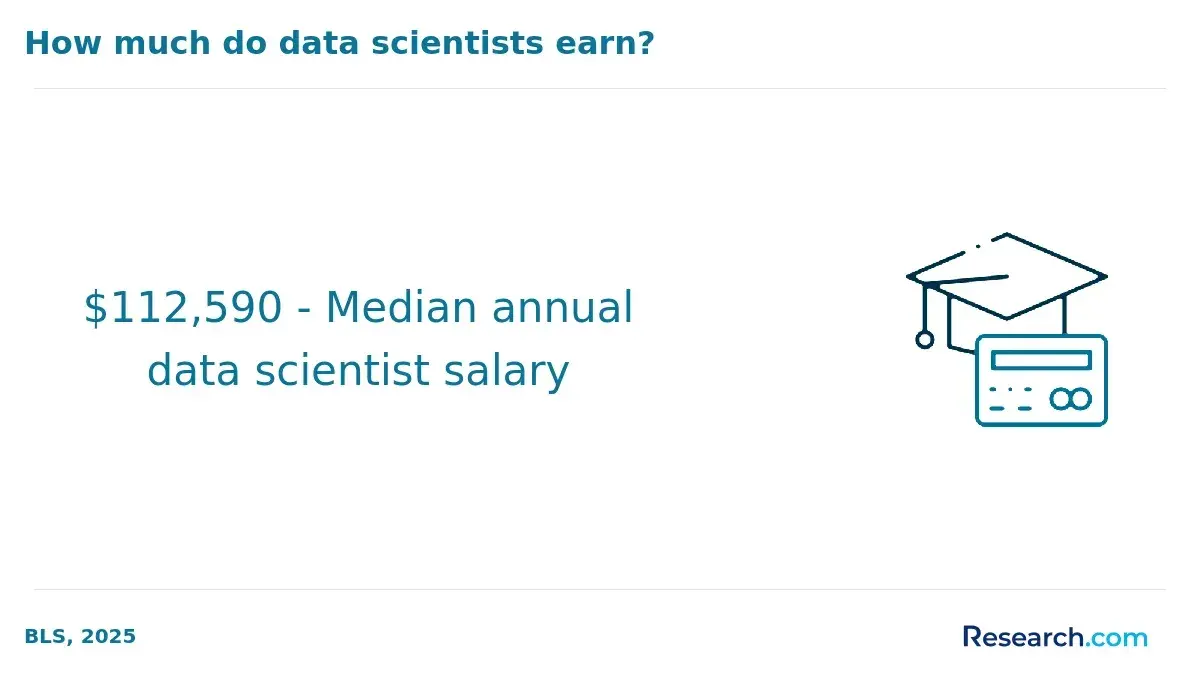
Salaries in AI-related human-computer interaction (HCI) careers typically range from $80,000 to over $150,000 annually, reflecting the advanced skills required in this specialized field. Data scientists, a common path for AI-focused HCI graduates working on experimentation, personalization, and user modeling, earn median wages between $100,000 and $130,000 depending on experience and location.
Job growth for these positions is projected to be much faster than average, driven by rising demand for professionals who develop AI-powered systems to enhance user interfaces and personalized experiences. Opportunities also exist in AI product design, UX research integrating machine learning, and software engineering for adaptive systems.
Starting salaries for entry-level HCI professionals with AI expertise are around $80,000, while those with advanced degrees and experience can surpass $140,000. Key factors influencing pay and availability include industry sector, geographic region, and technical specialization. Tech hubs like Silicon Valley, Seattle, and Boston offer higher compensation.
High demand sectors include healthcare technology, automotive interfaces, and smart device design, where specialists improve human-AI collaboration. Building a portfolio featuring AI-driven UX enhancements or adaptive system design is beneficial. Prospective students should seek programs blending AI skills with HCI principles to align with these strong job prospects.
Other Things You Should Know About Artificial Intelligence
Students pursuing artificial intelligence bachelor's degrees should have strong foundations in mathematics, especially linear algebra, calculus, and statistics. Programming skills in languages like Python and experience with data structures and algorithms are also essential. Critical thinking and problem-solving abilities help in designing and optimizing AI models focused on human-computer interaction.
Yes, internships and research opportunities are highly valuable for applying theoretical knowledge to real-world AI problems. Working with HCI labs or tech companies provides hands-on experience with user-centered AI applications, helping students develop practical skills and build industry connections. These experiences often improve employability after graduation.
Students pursuing AI degrees with a focus on Human-Computer Interaction should explore emerging technologies like augmented reality (AR), brain-computer interfaces (BCI), and natural language processing (NLP). These technologies are transforming user experiences and offer new avenues for innovative design and interaction.
While foundational computer science courses provide the necessary groundwork, specialized AI and human-computer interaction topics are crucial for this focus. Coursework in machine learning, natural language processing, user experience design, and cognitive computing ensures students gain relevant skills beyond general computer science knowledge. This combination better equips graduates for HCI-related AI roles.
References
- Top 25 Undergraduate UX/UI/HCI Schools and Colleges in the U.S. – 2025 Rankings | Animation Career Review https://www.animationcareerreview.com/articles/top-25-undergraduate-uxuihci-schools-and-colleges-us-2025-rankings
- AI and Human-Computer Interaction: Bridging the Future with Innovation https://youaccel.com/blog/ai-and-human-computer-interaction-bridging-the-future-with-innovation
- Degree Programs in Artificial Intelligence | ComputerScience.org https://www.computerscience.org/degrees/artificial-intelligence/
- How Long Does It Take to Complete an AI Course https://www.epw.com/blog/courses/how-long-is-ai-course
- How to choose a bachelor's in artificial intelligence | edX https://www.edx.org/resources/how-to-choose-a-bachelors-in-artificial-intelligence
- Careers in AI: Opportunities and Pathways - ACS https://www.acs-college.com/careers-in-ai-opportunities-and-pathways
- Cost to Study Artificial Intelligence in 2026 https://checkmateittech.com/cost-to-study-artificial-intelligence-usa/
- 9 Best Universities For Artificial Intelligence Reserach in 2025 https://theaiinsider.tech/2024/05/15/top-9-universities-for-artificial-intelligence-research/
- Best Online AI Degrees: 2025 Rankings & Program Directory - MastersInAI.org https://www.mastersinai.org/degrees/online-artificial-intelligence-degrees/
- 16 Artificial Intelligence Career Paths https://www.calmu.edu/news/artificial-intelligence-career-paths