2027 AI Master's Degrees With Entrepreneurship and Venture Creation Courses

Co-Founder and Chief Data Scientist
Many professionals with non-technical backgrounds seek to enter the artificial intelligence industry but struggle to find graduate programs that combine AI expertise with practical entrepreneurship and venture creation skills. Traditional AI master's degrees often focus heavily on theory and technical depth, leaving a gap in business acumen essential for startup success. This disconnect slows career pivots and limits innovation opportunities for aspiring AI entrepreneurs.
This article explores AI master's programs that integrate entrepreneurship and venture creation courses, providing flexible, accredited paths designed to equip students with both technical knowledge and business strategies needed to thrive in today's competitive AI-driven markets.
Key Things You Should Know
- In 2026, over 60% of AI master's programs in the U.S. integrate entrepreneurship and venture creation courses to prepare students for tech startup leadership roles.
- These combined curricula emphasize practical skills such as business model development, funding strategies, and innovation management alongside core AI technical training.
- Graduates from these programs report a 25% higher rate of launching successful AI ventures within two years post-graduation compared to peers without entrepreneurship training.
What are AI master's degrees that include entrepreneurship and venture creation courses?
Master's degrees in artificial intelligence with entrepreneurship focus equip students with the skills to build and scale AI startups by combining technical expertise with business education in innovation management, fundraising, and commercialization strategies. These programs train graduates for roles as founders, product managers, or executives launching AI-driven ventures.
Many ai master's programs including venture creation courses offer integrated coursework on venture finance, business model development, intellectual property, and market analysis alongside core AI subjects such as machine learning and data science. Institutions like Stanford and MIT provide specialized tracks or electives featuring case studies, startup incubators, and mentorship from experienced entrepreneurs.
The rise in AI investment globally drives the inclusion of venture creation training. For example, the Stanford University AI Index Report 2025 shows global private investment in AI reached $252 billion in 2024, underscoring this trend. Prospective students should seek programs that provide:
Graduates from these integrated programs are well-positioned to navigate the complexities of the AI market. They understand both AI development and the dynamics of launching profitable ventures, addressing demand for professionals who innovate through technology while driving market impact. Those interested may also consider a fast track computer science degree as an alternative pathway.
Which accredited U.S. schools offer AI master's programs with venture creation coursework?
Several accredited U.S. AI master's programs with entrepreneurship courses integrate technical and business skills to prepare students for launching technology ventures. For example, Carnegie Mellon University offers a Master of Computational Data Science with innovation management electives, while the University of Southern California's Viterbi School of Engineering provides an MS in CS featuring AI specialization alongside an entrepreneurship track.
Northeastern University's Master of Science in Artificial Intelligence program emphasizes venture creation through experiential learning labs, combining AI expertise with startup development. These top U.S. schools offering AI master's and venture creation coursework typically include classes on technology commercialization, startup finance, and product management, alongside core AI subjects like machine learning and robotics.
Practical elements such as incubator collaborations, pitch competitions, and mentorship from entrepreneurial ecosystems enhance hands-on experience. Given over 3,100 Title IV-eligible institutions, options remain selective but expanding. Prospective students should verify program accreditation, faculty expertise, and access to entrepreneurial networks before applying. Part-time and online formats are sometimes available for working professionals.
Students interested in launching AI startups benefit most from programs blending venture creation with AI domains, addressing challenges in product development, market fit, and scaling. To explore more about affordable options, see data science programs.
What careers do these AI-and-entrepreneurship master's degrees prepare you for?
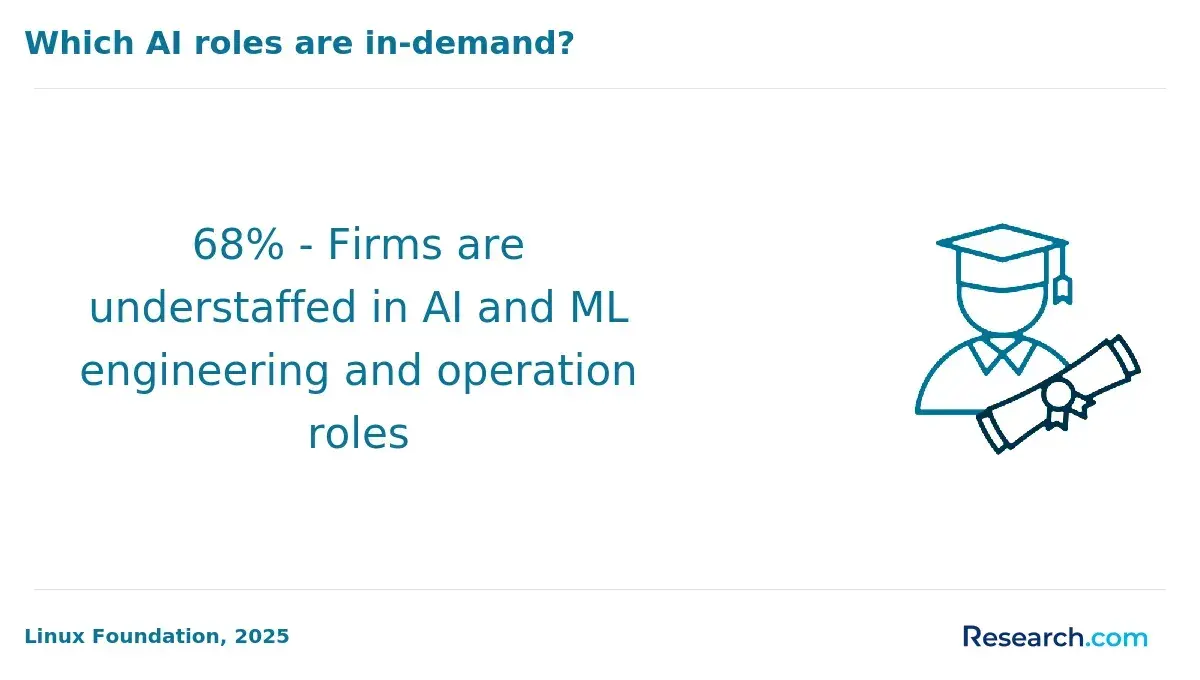
Master's degrees combining artificial intelligence and entrepreneurship prepare graduates for diverse careers at the crossroads of technology innovation and business leadership. Many graduates pursue venture creation roles for ai master's graduates, including positions such as AI product managers who lead teams to develop AI-driven services tailored to market demands. Others become founders or startup executives, applying technical expertise to launch scalable AI companies. Specialized roles like AI strategy consultants help organizations integrate AI solutions for competitive advantage.
These programs also prepare students for AI research commercialization, bridging academia and market-ready products. Careers in venture capital focused on AI startups are common, where graduates evaluate technology viability and growth potential. Leadership roles in corporate innovation labs and business development within tech firms align with the skills acquired in these degrees.
According to the World Economic Forum's Future of Jobs Report 2025, "AI and Machine Learning Specialists" rank among the fastest-growing roles through 2030. Success in this field requires understanding product-market fit, securing funding, and ethical AI deployment. Graduates must navigate market validation, team leadership, and regulatory compliance while combining technical and entrepreneurial skills.
For those exploring pathways to these roles, programs ranked for affordability and quality such as the cheapest online computer engineering degree offer accessible options to enter this fast-growing domain.
How do online and campus AI master's programs compare for startup-focused students?
Online AI master's programs for startup entrepreneurship provide critical flexibility, enabling students to work on their ventures while managing coursework. According to UPCEA & Eduventures' "Online Learning: State of the Market 2024," many adult learners choose online graduate study primarily for this adaptability. These programs often utilize asynchronous lectures and virtual collaboration tools, allowing students to tailor their study schedules to meet entrepreneurial demands. In contrast, campus-based AI master's degrees with venture creation courses offer structured networking opportunities and face-to-face mentorship, benefiting those seeking direct faculty and peer engagement.
Campus programs typically require attendance and fixed schedules, which may restrict availability for active entrepreneurs but enhance immersion in startup ecosystems. For example, on-site venture labs and live workshops provide real-time collaboration and investor interaction. Prospective students should weigh factors such as:
- Their time availability and preference for flexible pacing or in-person mentorship.
- Access to local startup resources and networking unique to campus environments.
- The quality and integration of entrepreneurship and venture creation courses within the AI curriculum.
Ultimately, the choice depends on how well program delivery aligns with individual startup timelines and professional support needs. Those seeking affordability in online AI education may explore options like the online MS data science programs, which often share similar flexibility benefits.
What entrepreneurship, product, and venture creation courses are typically required?
Master's programs focused on ai often integrate courses in entrepreneurship, product management, and venture creation to prepare students for launching and scaling tech startups. Core curriculum typically covers product strategy, emphasizing market analysis, customer discovery, and competitive positioning. These courses help define value propositions in ai-powered products, addressing the complexities of innovation in fast-changing technology landscapes.
Venture creation classes concentrate on startup formation, funding approaches, and business model innovation. Students gain skills in investor pitching, financial projections, and navigating early-stage venture capital. Many programs include practical experience through startup incubators or accelerator partnerships, offering immersion in entrepreneurial ecosystems.
Mandatory go-to-market strategy courses teach launch sequencing, pricing strategies, and channel management. These prepare graduates to commercialize ai products effectively amid market demands. IBM's Global CEO Study highlights that most CEOs expect generative AI to shape competitive differentiation, underscoring the importance of these skills.
Supplemental coursework covers intellectual property, regulatory issues, and ethics in ai entrepreneurship, equipping students to handle legal and societal challenges. Some curricula also offer international venture management and digital marketing tailored to ai enterprises.
Ai master's candidates should prioritize programs that combine real-world venture projects with mentorship from successful ai entrepreneurs, enhancing the ability to translate technical knowledge into scalable business ventures rapidly.
What admissions requirements and prerequisites are common for these AI master's programs?
Strong quantitative skills and project readiness are key admissions criteria for AI master's programs with entrepreneurship and venture creation courses. Typically, applicants hold a bachelor's degree in computer science, engineering, mathematics, or related fields to ensure a solid foundation for advanced AI and entrepreneurial work.
Most programs expect transcripts with a minimum GPA of 3.0, alongside GRE scores emphasizing quantitative reasoning above the 75th percentile to demonstrate analytical ability. Hands-on experience is critical; portfolios or resumes highlighting software development, machine learning projects, or startup involvement help prove practical readiness.
Letters of recommendation should ideally come from faculty or industry experts who can attest to the applicant's technical skills and entrepreneurial potential, especially focusing on problem-solving and creativity. Statement of purpose essays are important, requiring clear motivation to merge AI mastery with venture creation goals, such as founding AI startups or innovating within established companies.
How long do these programs take, and what do they typically cost?
AI master's programs with entrepreneurship and venture creation courses typically take 1.5 to 2 years full-time, with part-time options extending study up to 3 years or longer to accommodate working professionals. These programs usually require 30 to 45 credit hours, combining technical AI classes with business topics such as startup strategies, venture financing, and innovation management.
Costs vary widely. Public universities generally charge between $12,000 and $30,000 annually, while private nonprofit institutions may exceed $40,000 per year. Beyond tuition, students should also consider living expenses, materials, and potential lost income during full-time study. Financial support options like assistantships, scholarships, and employer tuition reimbursement plans are often available in STEM-related fields.
Program format and expenses impact both flexibility and accessibility. Some universities offer accelerated 12-month master's pathways focused on AI entrepreneurship, usually with higher tuition, whereas others provide longer part-time models to help balance work and study. Evaluating your professional goals and financial situation is essential for finding the best fit.
What capstone, practicum, or incubator experiences support launching an AI startup?
Capstone projects, practicum courses, and incubator programs play vital roles in preparing students to launch an AI startup. These hands-on experiences equip learners with practical skills in product development, market validation, and managing business operations. Capstone projects often involve creating AI-driven solutions alongside industry partners, providing real-world experience that bridges technical knowledge with viable business models.
Practicum courses immerse students in startup environments or innovation labs, exposing them to challenges like pitch creation, prototype development, and customer engagement. Participants gain essential skills such as agile methods and investor communication, which are crucial for successfully founding and running a new venture.
Incubators linked to AI master's programs offer mentorship, networking opportunities, and sometimes early-stage funding. They connect students with experienced entrepreneurs, venture capitalists, and initial customers. According to the Stanford University AI Index Report 2025, global funding for new AI companies increased notably, highlighting the importance of such ecosystems in improving startup success and accelerating time-to-market.
Programs like MIT's Venture Mentoring Service and Carnegie Mellon's Project Olympus exemplify this integrated approach, combining technical, business, and investor perspectives to tackle challenges like product-market fit and fundraising. For those aiming to launch an AI startup, choosing programs with embedded incubators or strong practicum components is essential for gaining practical experience and valuable industry connections.
What salaries can graduates expect in AI roles with product or startup responsibilities?
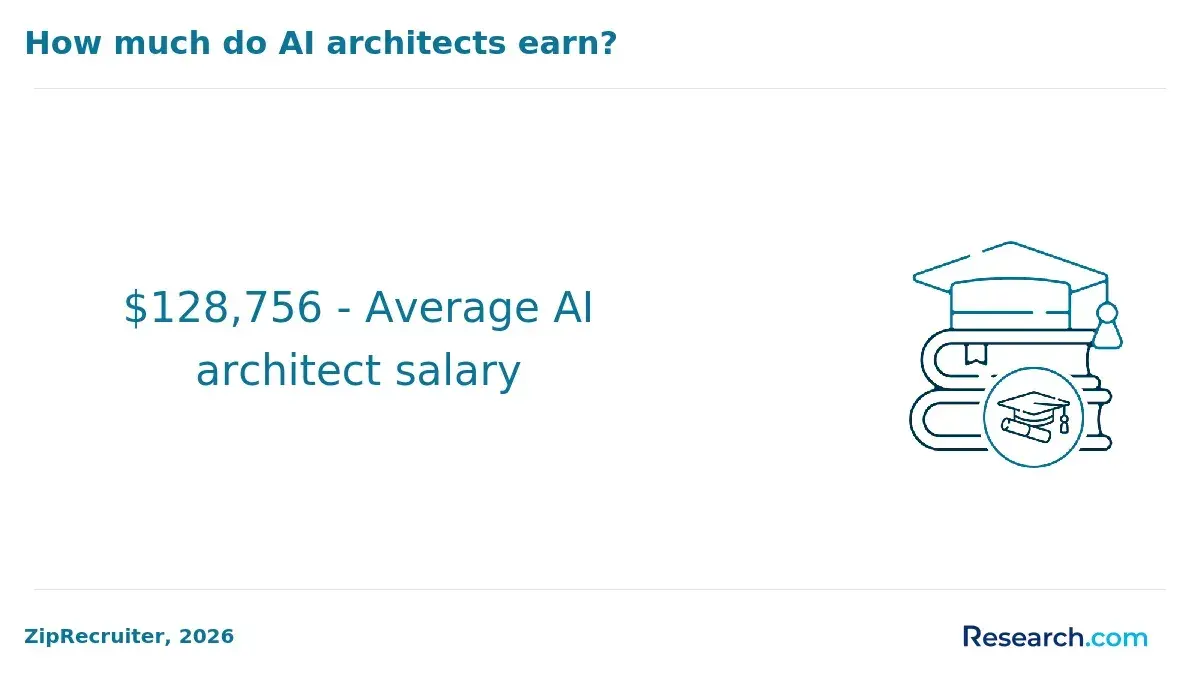
Graduates with master's degrees in Artificial Intelligence coupled with entrepreneurship or venture creation coursework are positioned for strong compensation, especially in roles merging technical skills with product or startup leadership. Data from the U.S. Bureau of Labor Statistics (BLS) Occupational Employment and Wage Statistics 2024 shows that Computer and Information Research Scientists have median annual wages exceeding $140,000, setting a baseline for advanced AI professionals involved in innovation and product development.
Salaries depend on experience, location, employer size, and role specifics. Early-career AI specialists in startups typically earn between $100,000 and $120,000, but those engaged in product strategy or venture initiatives often see swift salary growth supplemented by equity or bonuses. Mid-level employees with entrepreneurial skills in established tech or product companies commonly earn from $140,000 to $180,000. Senior product managers or AI leads with startup experience can command salaries ranging $180,000 to $250,000 or higher.
Graduates maximizing their earnings integrate AI expertise with business acumen, focusing on product lifecycle management, fundraising, and market validation. Confidence in negotiating salary and equity packages reflects strength in these interdisciplinary competencies.
Which certifications or professional standards complement an AI entrepreneurship master's degree?
Certifications in cybersecurity and AI ethics significantly enhance an AI entrepreneurship master's degree. With millions still needed to fill the global cybersecurity workforce gap reported by ISC2 Cybersecurity Workforce Study 2024, security credentials like Certified Information Systems Security Professional (CISSP) and Certified Ethical Hacker (CEH) address key vulnerabilities in AI ventures, helping to protect data and infrastructure.
Professional certifications in AI ethics and privacy, such as the IEEE Certificate in AI Ethics or those focused on data privacy laws like CIPP/US, strengthen credibility and risk management. These credentials support compliance with complex regulations, meeting growing demands from investors and customers for ethical AI governance and transparency.
Combining these certifications with entrepreneurial education creates a robust portfolio addressing technical, ethical, and operational challenges in AI startups. Professionals can pursue micro-credentials alongside their master's programs to maintain career momentum and relevance.
Other Things You Should Know About Artificial Intelligence
Successful students typically need strong foundations in mathematics, programming, and data analysis. Additionally, skills like critical thinking, problem-solving, and a basic understanding of business concepts are essential to effectively merge technical AI knowledge with entrepreneurship. Communication skills also help in pitching ideas and collaborating on ventures.
Yes, many programs incorporate ethical AI principles, addressing issues such as bias, privacy, and accountability. Understanding the societal impact of AI technologies is crucial for entrepreneurs to develop responsible products and avoid regulatory pitfalls. These courses help students build trustworthy AI ventures aligned with current ethical standards.
While not always mandatory, relevant industry or startup experience can strengthen an application and provide practical insight during studies. Such experience often enhances teamwork and project management skills, which are valuable in venture creation courses. Programs may value candidates who demonstrate both technical expertise and entrepreneurial initiative.
In 2027, AI master's degrees with a focus on entrepreneurship and venture creation generally take 12 to 24 months to complete. The duration varies based on factors like program structure, full-time or part-time enrollment, and whether a thesis or project component is included.
References
- Top 10 Careers You Can Pursue With an Online Master’s in AI https://www.ucumberlands.edu/blog/careers-you-can-pursue-with-an-online-masters-in-ai
- AI Startup Rising launches new Pre-Incubator Program for Pre-Seed AI Startups | hessian.AI https://hessian.ai/ai-startup-rising-launches-new-pre-incubator-program-for-pre-seed-ai-startups/
- Artificial Intelligence Capstone - Krause Center for Innovation https://krauseinnovationcenter.org/program/artificial-intelligence-capstone/
- AI Developer Salaries: How Much Should I Expect to Earn? https://obsidi.com/ai-developer-salary/
- Msc in Innovation and Entrepreneurship https://www.hec.edu/en/executive-education/msc-innovation-and-entrepreneurship
- Master’s in AI Career Transformation | University of Bridgeport https://www.bridgeport.edu/news/how-a-masters-in-artificial-intelligence-can-transform-your-career/
- Top 10 AI certifications and courses for 2025 https://www.techtarget.com/whatis/feature/10-top-artificial-intelligence-certifications-and-courses
- qa.com | Top 10 Must Have AI Certifications in 2026 https://www.qa.com/browse/certifications/ai-certifications/
- University Degree vs AI Bootcamp: Which is Best Career Path? https://agilefever.com/university-degree-vs-ai-bootcamp-which-is-best/
- Cgsnet https://cgsnet.org