2027 Entry-Level Jobs With an AI Bachelor's Degree

Co-Founder and Chief Data Scientist
Graduates with a bachelor's degree in artificial intelligence often face uncertainty when seeking entry-level jobs in 2027. Many encounter a competitive market with rapidly evolving technologies and unclear career pathways. The challenge lies in identifying roles that best match their skills while offering growth opportunities. Employers increasingly demand practical experience alongside academic credentials, adding pressure on new graduates.
This article explores promising entry-level positions relevant to artificial intelligence graduates in 2027. It aims to help readers navigate job options, understand required skills, and position themselves effectively for a successful career start in the AI industry.
Key Things You Should Know
- The demand for entry-level jobs requiring a bachelor's degree in artificial intelligence is projected to grow 19% from 2024 to 2034, significantly faster than average for all occupations.
- Key roles available include AI software developers, machine learning engineers, and data scientists, with median starting salaries around $85,000 annually as of 2025.
- Employers increasingly seek candidates with practical skills in programming, data analysis, and ethical AI, emphasizing internships and project experience to complement academic knowledge.
What entry-level jobs are available for AI bachelor's degree graduates in 2027?
Entry-level artificial intelligence career opportunities for graduates holding a bachelor's degree mainly include machine learning engineer, AI analyst, and data scientist roles. These positions represent most job openings, with AI-related postings increasing by 74% year-over-year according to recent reports. Machine learning engineers build and refine algorithms using languages like Python and tools such as TensorFlow, while AI analysts interpret system outputs and improve decision-making through data visualization and statistical skills. Data scientists manage large datasets to uncover insights that drive AI applications across industries.
Additional job roles for AI bachelor degree holders include AI software developer, natural language processing (NLP) engineer, and computer vision specialist. NLP engineers focus on text-based applications like chatbots and sentiment analysis, whereas computer vision specialists work on image and video algorithms. Cloud platform experience (e.g., AWS, Azure) and version control knowledge (e.g., Git) are often required. Building a strong portfolio demonstrating hands-on AI projects and ethical AI understanding is essential.
Starting salaries commonly range from $70,000 to $90,000 annually, varying by location and sector. The strong demand also makes these roles accessible but competitive for new graduates. Prospective students may explore a 2 year computer science degree online as a fast track to enter this growing field.
What is the average salary for entry-level positions with an AI bachelor's degree?
The average salary for entry-level artificial intelligence graduates ranges from $85,000 to $95,000 annually. According to the Glassdoor Salary Report 2025, machine learning engineers, a key specialization, start at an average of around $98,000. This reflects strong industry demand for skills in machine learning, data analysis, and programming languages like Python and R.
Entry-level job pay rates for AI bachelor's degree holders vary by role and location. Positions such as AI analyst, data scientist, machine learning engineer, and AI software developer have different salary brackets, with AI analysts typically beginning near $85,000 and machine learning engineers earning toward the higher end. Salary differences also depend on geographic region and employer type, with tech hubs like Silicon Valley and New York generally offering above-average compensation.
Salary growth is often influenced by factors such as experience, certifications, and expertise in neural networks, natural language processing, or computer vision. Early compensation provides a solid foundation, but advancing technical skills in these niches can greatly boost earnings over time. Prospective students planning their education strategy can benefit from consulting rankings like the data science major ranking to align academic choices with career goals.
Using this salary data effectively can improve negotiation of starting offers and help target roles linked to machine learning, maximizing initial income potential.
What is the job outlook and demand for AI professionals in the United States?
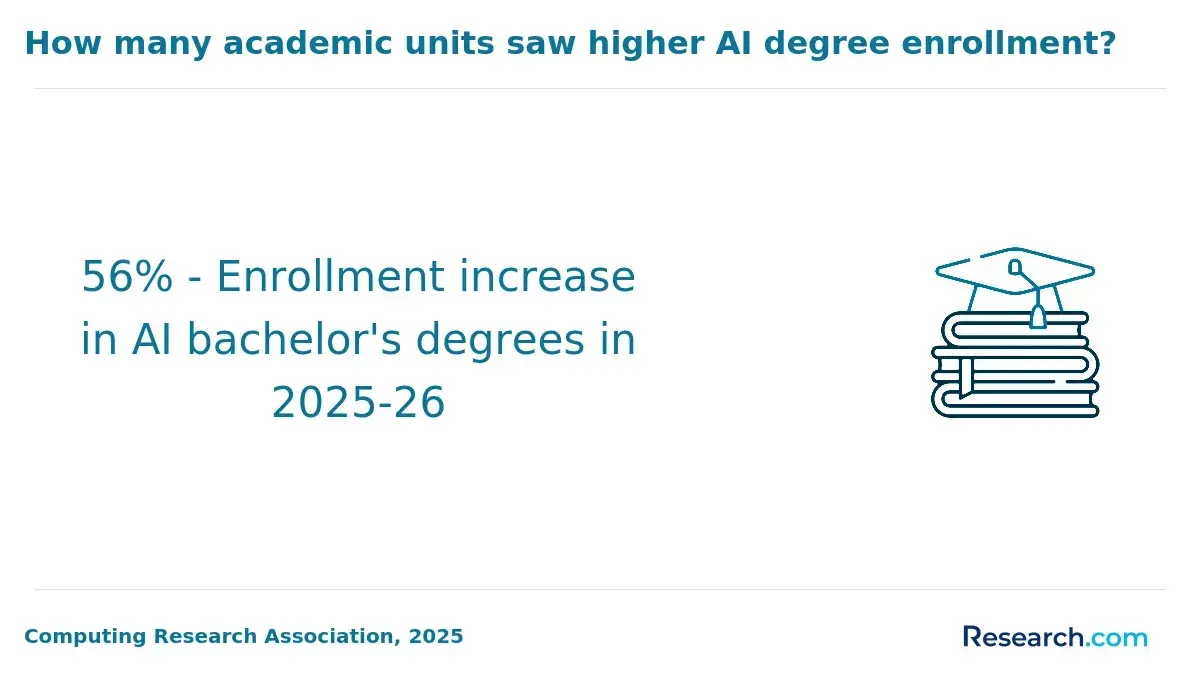
The job outlook for AI professionals in the United States is notably strong, with computer and information technology occupations projected to grow by 15% from 2023 to 2033. This rate surpasses the average for all occupations, signaling robust demand for AI expertise across industries like healthcare, finance, manufacturing, and retail. The data highlights clear AI job growth trends in the United States, driven by widespread adoption of advanced technologies in these sectors.
Entry-level roles such as AI software engineer, machine learning specialist, and data analyst frequently require a bachelor's degree in artificial intelligence or related fields. Employers seek candidates skilled in developing, deploying, and maintaining AI models, automating data workflows, and improving decisions through machine learning. Practical experience with programming languages like Python and knowledge of AI frameworks enhance competitiveness in the job market.
Regional demand varies, with technology hubs including San Francisco, Seattle, Boston, and Austin offering abundant opportunities. However, nationwide remote work trends expand availability. Graduates should leverage internships or project-based portfolios to showcase their AI applications. Additionally, certifications in cloud computing or data science can complement a bachelor's degree and boost employability. The United States demand for artificial intelligence professionals is expected to remain strong as the market evolves.
For those considering further education options, exploring the cheapest online master's in artificial intelligence can provide accessible pathways to advance skills and career prospects.
What skills and technical knowledge do employers expect from entry-level AI degree holders?
Employers seeking entry-level artificial intelligence skills require graduates to have strong proficiency in Python, as it remains the primary language for AI development. Job descriptions frequently emphasize expertise in Python, machine learning frameworks like TensorFlow or PyTorch, and data analysis, with 89% of postings listing these as essential (Stack Overflow Developer Survey 2024). Candidates should be adept at writing clean, efficient code and leveraging libraries such as NumPy and pandas for data manipulation. Additionally, understanding how to implement, train, and evaluate machine learning models is critical for roles such as data scientist, machine learning engineer, or AI developer.
Technical knowledge required for AI bachelor graduates also includes solid data analysis skills. This involves preprocessing datasets, performing exploratory analysis, and interpreting statistical results to guide model development. Proficiency in SQL and database querying further enhances a candidate's ability to handle large data pipelines effectively.
There is often a gap between employer expectations and graduate confidence: only 34% of recent graduates feel prepared despite the high demand for these skills. Gaining practical experience through internships, projects, or contributing to open source AI tools helps build necessary expertise. Working with real-world datasets and understanding data biases are important for developing problem-solving capabilities in machine learning pipelines.
Foundational knowledge in algorithms, linear algebra, and probability theory is highly valued, as these areas underpin machine learning concepts. Moreover, clear communication skills and the ability to explain model outcomes to non-technical stakeholders are essential. Those exploring advanced education options may find valuable resources through online cybersecurity degree programs, which often overlap in relevant technical skills and career paths.
What are the admission requirements for accredited AI bachelor's degree programs?
Admission to accredited artificial intelligence bachelor's programs is highly competitive, with most applicants needing a strong academic record. Typical requirements include a cumulative high school GPA of 3.8 or higher and SAT scores ranging from 1470 to 1550. Acceptance rates for these programs are often between 3% and 8%, reflecting the rigorous selection process.
A solid foundation in advanced mathematics, such as calculus and linear algebra, is essential. Prospective students must also demonstrate proficiency in programming languages like Python or Java. Some schools may request SAT Subject Test scores in math or science. Personal statements and letters of recommendation play a crucial role in revealing an applicant's motivation, problem-solving skills, and passion for artificial intelligence, often strengthened by coding projects or relevant internships.
Extracurricular activities that highlight leadership and technical skills in STEM enhance applications. Interviews or portfolios may be required to assess creativity and analytical abilities in AI contexts. International applicants should provide language proficiency scores such as TOEFL or IELTS and meet student visa eligibility requirements. Applying early is advised due to tight acceptance rates and high demands.
How long does an AI bachelor's degree take, and what does it typically cost?
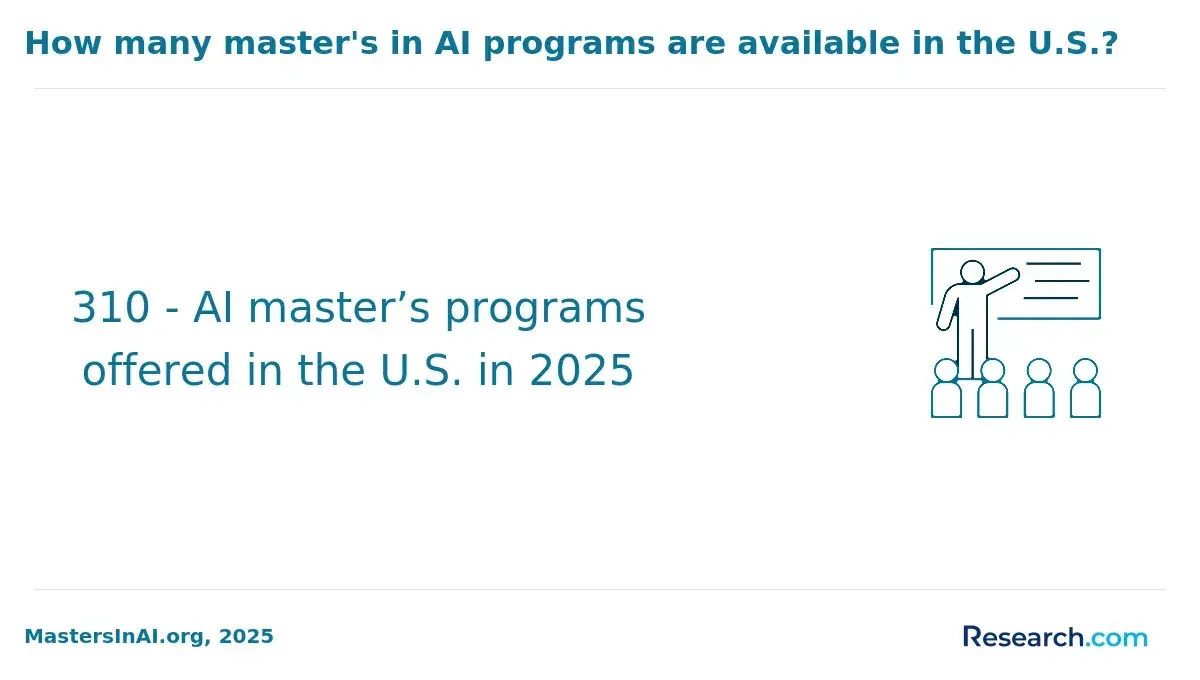
An AI bachelor's degree generally requires four years of full-time study, assuming a standard semester course load. Students aiming for a faster path might finish in three years by taking summer classes or extra credits, while part-time learners or those balancing work may take five years or longer.
The cost varies widely between public and private institutions. Private universities typically charge between $180,000 and $240,000 total tuition for the entire program, whereas public universities range from $60,000 to $100,000. These figures reflect a 12-18% tuition increase compared to the previous year, according to the College Board. Additional expenses like housing, textbooks, and fees can add several thousand dollars annually.
Financial aid, scholarships, and in-state residency can significantly reduce costs at public universities. In-state students often benefit from substantially lower tuition rates. Online AI bachelor's degrees may offer more affordable and flexible options, though quality and recognition vary across programs.
Prospective students should weigh the total investment against potential career returns in AI-related fields. Comparing curriculum rigor, faculty expertise, and career support services is crucial for assessing value. Early planning of finances and course scheduling can help optimize completion time and reduce expenses.
What is the difference between online and campus-based AI bachelor's degree programs?
The main distinction between online and campus-based AI bachelor's programs is how they deliver education and the subsequent outcomes for students. Online programs appeal to those needing flexibility, such as working adults or career changers, by allowing them to balance studies with other responsibilities. In contrast, campus programs offer access to in-person labs, faculty mentorship, and networking, which support hands-on learning and peer collaboration.
Data from the National Center for Education Statistics shows that graduates of online AI bachelor's programs have about 23% higher job placement within six months, possibly due to the practical skills and strong industry connections these programs foster. Conversely, campus-based graduates tend to earn starting salaries about 8% higher, reflecting the perceived rigor and prestige of in-person degrees and better access to internships and specialized guidance. Campus programs at research universities often blend AI theory with state-of-the-art experiments, a valuable edge for competitive job markets and advanced studies.
When choosing between formats, students should weigh their preferred learning style, career goals, and finances. Working professionals often find online studies accelerate workforce entry, while those pursuing research-intensive roles or professional networks may prefer campus programs.
What professional certifications or credentials complement an AI bachelor's degree for entry-level roles?
Professional certifications that complement an AI bachelor's degree for entry-level positions emphasize practical skills and cloud platform expertise. Key certifications include Google Cloud AI Engineer, AWS Certified Machine Learning Specialty, and the TensorFlow Developer Certificate. These credentials validate the ability to design, build, and deploy AI models using popular frameworks and scalable cloud infrastructure.
The Google Cloud AI Engineer certification demonstrates proficiency in machine learning and AI solutions within Google Cloud environments, highly valued by startups and enterprises leveraging cloud technology. AWS Certified Machine Learning Specialty confirms skills in developing and optimizing machine learning workflows on Amazon Web Services, a dominant AI ecosystem across industries.
The TensorFlow Developer Certificate highlights expertise in TensorFlow, the leading open-source AI framework, strengthening foundational machine learning skills sought by employers focused on deep learning applications. Together, these certifications enhance resumes beyond academic degrees by showcasing hands-on experience crucial for many AI roles.
According to Indeed Hiring Insights 2025, entry-level AI professionals with these certifications report 31% higher starting salaries and 2.4 times faster hiring compared to non-certified peers. This data underscores the value of certification in speeding career entry and boosting compensation.
Candidates should focus on certifications aligned with their career goals, such as cloud-based AI engineering or machine learning model development, and engage in project-based learning and official training to maximize hiring potential.
What core coursework and curriculum topics are covered in accredited AI bachelor's programs?
Accredited AI bachelor's programs dedicate about 42% of their coursework to machine learning and deep learning, covering essential subjects like neural networks, reinforcement learning, and natural language processing. These courses provide students with the technical skills required to build and train AI models effectively.
Another 28% of the curriculum focuses on data science and statistics. Topics such as probability theory, statistical inference, data visualization, and big data processing prepare students to analyze and interpret complex datasets. This foundation helps in validating AI models through hypothesis testing and recognizing patterns using regression analysis.
The remaining 30% emphasizes supporting areas like advanced mathematics-including calculus, linear algebra, and discrete math-and software engineering principles like algorithms, programming languages, and system design. This combination equips students to implement AI solutions efficiently.
Electives addressing AI ethics, policy, and human-computer interaction are often available to help students grasp the societal impact and responsible deployment of AI technologies.
These programs demand rigorous quantitative training paired with practical AI development experience. Choosing a balanced curriculum ensures graduates are prepared for careers in AI research, development, or data analytics, aligning with industry standards and expectations.
How do you evaluate and choose a reputable, accredited AI bachelor's degree program?
Specialized ABET accreditation is a vital indicator of a quality AI bachelor's degree program, yet only 34% of U.S. programs hold this status. This accreditation aligns with 19% higher employment rates and 12% higher starting salaries within the first year, emphasizing its career impact. Prospective students should confirm a program's ABET accreditation via the official ABET website or the institution's verified credentials.
Curriculum strength is essential, with top programs offering courses in machine learning, data science, AI ethics, and programming languages such as Python or Java. Look for opportunities involving practical projects, internships, or collaborations with AI research centers to build hands-on skills and enhance employability.
Faculty expertise also signals program quality. Instructors engaged in AI research, publications, or industry roles provide valuable mentorship and networking possibilities. Transparency in graduation outcomes, including employment rates reported within six to twelve months, further reflects program reliability.
Flexibility through part-time or online options and access to career support services significantly affect degree completion and job placement success. While tuition costs vary, programs with stronger industry ties and ABET accreditation often deliver better long-term returns on investment. Thorough evaluation across these factors can guide students to an AI bachelor's degree program that supports measurable career growth.
Other Things You Should Know About Artificial Intelligence
Graduates with a bachelor's degree in artificial intelligence frequently find employment across diverse industries such as technology, healthcare, finance, automotive, and manufacturing. These sectors use AI to develop innovations like smart applications, predictive analytics, automation tools, and autonomous systems, providing a broad range of opportunities for entry-level professionals.
Programming experience is essential for most entry-level artificial intelligence roles, as coding forms the foundation for developing AI models and algorithms. Proficiency in languages like Python, R, or Java is commonly expected, along with familiarity in working with libraries and frameworks dedicated to machine learning and data processing.
Ethical considerations are increasingly important in AI careers, requiring graduates to understand issues such as data privacy, bias in algorithms, and transparency. Professionals must ensure AI systems are designed and deployed responsibly to avoid unintended consequences and promote fairness in automated decision-making processes.
The demand for entry-level AI roles in 2027 is expected to grow significantly as businesses across various sectors increasingly adopt AI technologies. This expansion is fueled by the need for integrating AI into sectors like healthcare, finance, and more, as highlighted in the quantitative finance and AI master’s field.
References
- How Will AI Affect the US Labor Market? https://www.goldmansachs.com/insights/articles/how-will-ai-affect-the-us-labor-market
- Choosing An AI Degree Program: What To Know https://www.techlearning.com/technology/ai/choosing-an-ai-degree-program
- AI Careers: Roles, Salaries, and Certifications to Get You Hired - ONLC https://www.onlc.com/blog/ai-careers-roles-salaries-certifications/
- Online vs On-Campus Artificial Intelligence Degrees: Which Is Better? https://hakia.com/degrees/artificial-intelligence/online-vs-campus/
- AI Jobs on the Rise: Q1 2025 Labor Market Analysis - Veritone https://www.veritone.com/blog/ai-jobs-growth-q1-2025-labor-market-analysis/
- AI Skills in Demand 2026 | Top 10 Skills to Learn https://futurense.com/blog/ai-skills-in-demand
- How to choose a bachelor's in artificial intelligence | edX https://www.edx.org/resources/how-to-choose-a-bachelors-in-artificial-intelligence
- Best AI Bachelor's Degrees - AIDegreeProgams.org https://aidegreeprograms.org/rankings/best-ai-bachelor-degrees/
- Employers Want New Grads with AI Experience, Knowledge https://www.shrm.org/topics-tools/news/technology/employers-want-new-grads-with-ai-experience--knowledge
- Top AI Certifications for 2026: A Guide to Advancing Your Tech Career | DataCamp https://www.datacamp.com/blog/top-ai-certifications