2027 AI Bachelor's Degrees at Liberal Arts Colleges

Co-Founder and Chief Data Scientist
Many students with non-technical backgrounds face challenges when seeking a comprehensive yet flexible education in artificial intelligence. Traditional computer science programs often demand extensive prerequisites, while specialized AI-focused degrees remain rare among liberal arts colleges. Understanding which liberal arts institutions offer accredited AI bachelor's degrees can bridge this gap.
This article examines current AI bachelor's degree programs available at liberal arts colleges and highlights pathways tailored for students seeking interdisciplinary study combined with practical skills.
Key Things You Should Know
- In 2026, over 25 liberal arts colleges in the U.S. offer bachelor's degrees specifically focused on artificial intelligence, reflecting growing demand for AI literacy in varied disciplines.
- Liberal arts AI programs often emphasize interdisciplinary learning, combining computer science, ethics, and cognitive science, preparing students for versatile roles in tech and policy sectors.
- Recent data show nearly 40% of AI bachelor graduates from liberal arts colleges pursue graduate studies or careers in emerging AI fields, highlighting strong post-graduation opportunities.
What is an AI bachelor's degree at a liberal arts college?
AI bachelor's degree programs at liberal arts colleges blend technical skills with a broad interdisciplinary education. Students develop expertise in programming, machine learning, data analysis, and algorithm design while engaging in courses on ethics, communication, and social sciences. This meets growing employer demand for graduates who excel in technical challenges and human contexts.
These programs integrate foundational computer science with studies in philosophy, psychology, or economics. For example, a student might learn about neural networks alongside discussions on ethical implications in philosophy seminars. This fosters critical thinking and human-centered problem-solving, essential for developing responsible AI technologies.
According to AAC&U, 73% of employers prefer candidates with skills to work effectively with both data and people, supporting the balance promoted by liberal arts colleges offering artificial intelligence degrees. Students must be able to convey complex algorithms to diverse audiences and translate technical results into practical applications.
Variations in curricula exist—some emphasize data science and cognitive science, others include media studies or linguistics. Many programs require internships or research projects, enhancing real-world experience. Prospective students should also consider options like a 2 year bachelor degree computer science for accelerated pathways.
Which liberal arts colleges offer accredited AI bachelor's degrees?
Several liberal arts colleges in the U.S. offer accredited bachelor's degrees focused on artificial intelligence or related fields such as computer science with AI concentrations. ABET accreditation, a standard for over 1,000 computing programs globally, ensures these programs meet rigorous educational criteria valued by employers and graduate schools.
Top liberal arts schools offering bachelor's programs in artificial intelligence include Harvey Mudd College, Williams College, and Haverford College. These institutions deliver ABET-accredited computer science majors with specialized AI coursework covering machine learning, data science, and algorithm design, blending technical skills with a liberal arts perspective.
Other colleges, like Oberlin College and Bowdoin College, incorporate AI topics within broader computer science or applied mathematics programs that explore AI applications, robotics, and ethical considerations. Students interested in a multidisciplinary approach may find programs combining AI with cognitive science or linguistics particularly valuable.
Prospective students should verify ABET accreditation for computing programs and look for colleges that regularly update curricula to stay current with advances in AI technologies. To navigate these options:
- Check college websites for AI program offerings and accreditation status.
- Review course catalogs for AI specialization details.
- Consult academic advisors about hands-on projects and research opportunities.
For insights on affordable education options connected to technology fields, review data science programs as a comparative reference when considering AI-related studies.
How do AI majors compare to computer science majors at liberal arts colleges?
Majors in AI bachelor's degrees versus computer science degrees differ notably in focus and career pathways. While computer science emphasizes core computing principles, software engineering, and expansive programming knowledge, AI majors hone skills in machine learning, data analysis, and cognitive computing. This supports careers in areas like natural language processing and robotics.
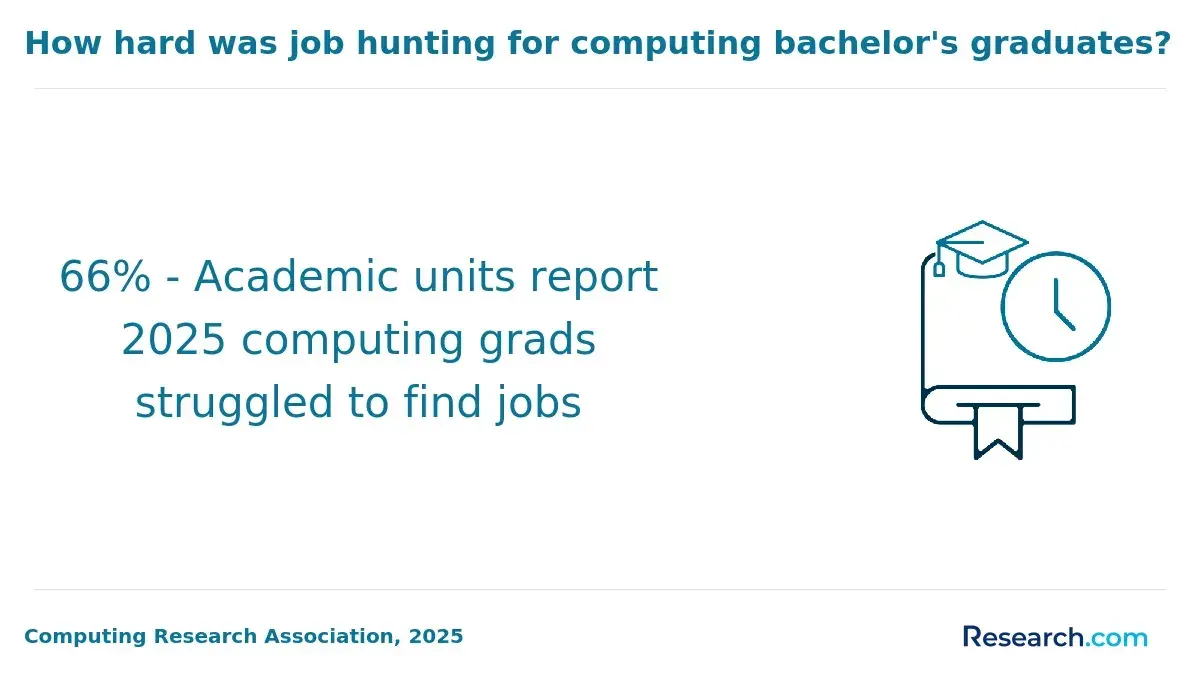
Demand for computer science graduates remains robust, with NACE Job Outlook 2024 indicating a 13.7% increase in hiring. Although AI majors are newer and more specialized, they often engage with interdisciplinary content, including statistics and ethics, enhancing their appeal for emerging tech roles but offering less versatility in traditional software development.
Students weighing differences between ai majors and computer science majors at liberal arts colleges should consider career objectives:
- Computer science is ideal for broad technical roles like software development, cybersecurity, or systems design.
- AI-focused degrees suit those aiming for AI model development, predictive analytics, or startup innovation.
- Many liberal arts colleges allow computer science students to take AI electives, blending foundational and specialized skills.
Graduates with AI degrees need to build experience through internships and networking to offset the field's relative novelty. Exploring opportunities such as attending AI conferences is valuable. Interested students may also consider an engineering online degree to expand their technical foundation.
Can you earn an AI bachelor's degree online from a liberal arts college?
You can earn an AI bachelor's degree online from some liberal arts colleges, though options remain limited compared to traditional universities with strong tech programs.
Liberal arts colleges often focus on in-person, interdisciplinary learning, which has slowed their adoption of fully online AI bachelor's degrees. Yet, the rise of hybrid and online course formats is helping expand access to AI studies in these settings.
The NCES Integrated Postsecondary Education Data System / Digest of Education Statistics shows that 53% of postsecondary students took at least one distance-education course in 2022-23, indicating an acceptance of remote learning. When searching for an online liberal arts college offering AI bachelor's programs, keep in mind:
- Fully online AI majors are rare, but many offer hybrid programs blending remote coursework with some campus presence.
- AI curricula may be embedded in computer science, data science, or interdisciplinary tech majors rather than as stand-alone AI degrees.
- Look for programs emphasizing small class sizes and personalized instruction that have adapted well to virtual platforms.
- Programs should align with employer expectations, covering math, programming, and ethics rigorously.
Students need to confirm delivery methods and course schedules with admissions to ensure online completion is possible without residency. Some colleges collaborate with industry or research institutions to broaden remote learning in AI fields.
For those interested in related fields, exploring a cybersecurity online degree could be an alternative pathway.
What courses and projects are typical in liberal arts AI bachelor's programs?
Liberal arts AI bachelor's programs blend computer science, statistics, ethics, and domain-specific studies, focusing on practical applications rather than building large models from scratch. Core courses typically cover machine learning fundamentals, data structures and algorithms, statistics for data science, and AI ethics.
Interdisciplinary electives often include cognitive science, philosophy of mind, and social impacts of technology, supporting responsible AI use. Project work is central, with students developing capstone projects utilizing pretrained models like OpenAI's GPT series and image recognition architectures. These projects highlight system design, data preprocessing, fine-tuning, and evaluation metrics.
Examples of student projects include chatbot development for social causes, bias analysis in datasets, and small-scale recommendation systems. The Stanford HAI AI Index Report notes that training frontier AI models costs about $78 million, underscoring why liberal arts programs emphasize pretrained models and data-centric approaches for cost efficiency.
Hands-on labs focus on Python, TensorFlow, and PyTorch, emphasizing code clarity and reproducibility. Students also explore algorithmic fairness, transparency, and regulatory frameworks, honing skills to communicate AI decisions to nontechnical audiences.
Programs often provide internships, research assistantships, and team challenges, exposing students to domains like healthcare and environmental sustainability. This approach aligns with the liberal arts mission, fostering broad understanding alongside technical expertise.
What admission requirements do liberal arts colleges have for AI majors?
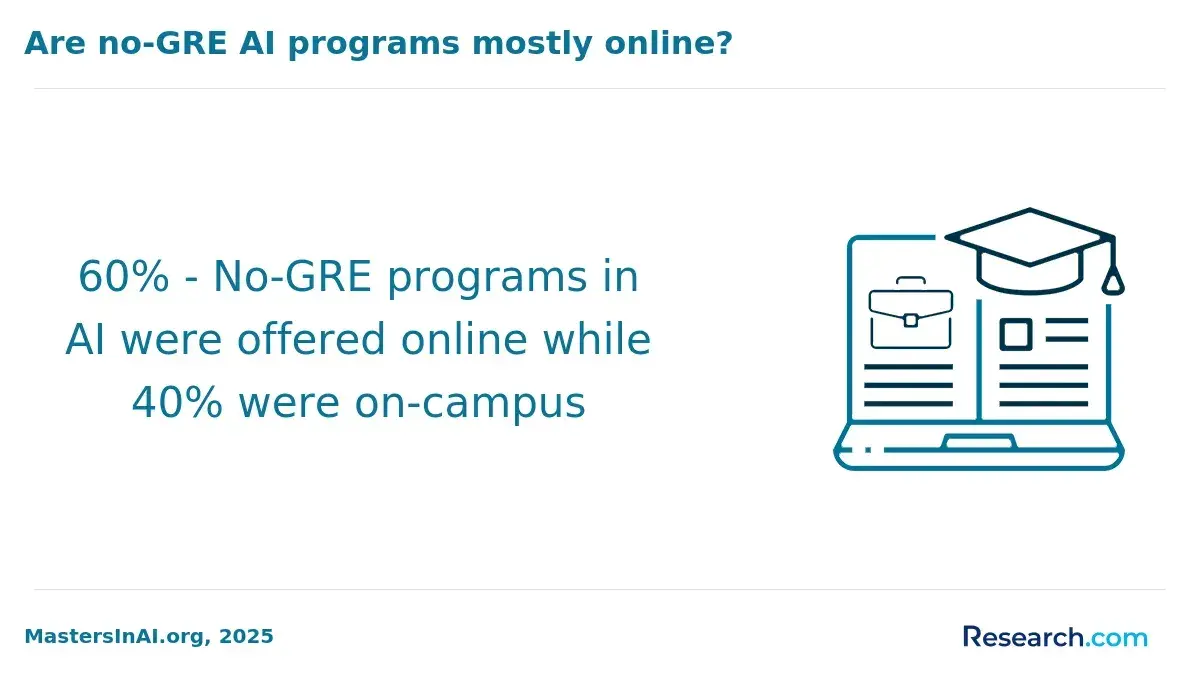
Liberal arts colleges with ai majors emphasize a strong background in math and science. Applicants typically submit high school transcripts showing coursework in calculus, statistics, computer science, or comparable subjects. Many institutions prioritize analytical and problem-solving skills over standardized test scores.
Reflecting this trend, over 80% of Common App member colleges adopted a test-optional policy for the 2024-25 admissions cycle, making GPA, coursework rigor, and recommendation letters the main evaluation factors for ai programs at these schools.
Prepared personal statements often highlight applicants' interest and experience in computing, math, and data analysis. Some colleges require supplemental essays about motivation for studying AI. Letters of recommendation, usually from STEM teachers, help verify academic ability and curiosity.
Demonstrating engagement beyond academics strengthens applications. Activities like coding clubs, summer research, internships, and competitions related to computer science and AI are valuable. Optional interviews may assess intellectual curiosity and communication skills.
Typical coursework expectations include the following:
- Four years of math including precalculus or calculus
- At least one year of computer science or coding experience
- Science courses such as physics or biology to develop analytical thinking
Applicants with non-traditional backgrounds benefit from submitting project portfolios or research to complement their transcripts. Admissions committees look for strong quantitative skills, clear motivation for AI, and potential for interdisciplinary work common in liberal arts education.
How long does an AI bachelor's degree take, and what does it cost?
Most AI bachelor's degrees at liberal arts colleges follow the traditional four-year timeline. However, some schools offer accelerated options, allowing completion in three years with heavier course loads or summer terms. Part-time pathways are also common, especially for working students, often extending studies to five or six years.
Tuition costs reflect trends in private nonprofit four-year colleges. Average published tuition and fees are approximately $43,000 annually, leading to an estimated total of $172,000 for four years, before financial aid or scholarships. Some colleges guarantee fixed tuition rates, while others adjust fees yearly, which can affect affordability over time.
Additional expenses such as books, housing, and technology fees typically add $15,000 to $20,000 annually. Prospective students should explore financial aid packages, including merit scholarships focused on STEM or AI fields, to reduce net costs significantly.
Choosing a college with a strong AI program within a liberal arts setting can offer valuable interdisciplinary benefits. Careful planning of duration and costs helps align expectations with career goals and evaluate the return on investment in AI-related sectors.
What careers can you pursue with a liberal arts AI bachelor's degree?
Graduates holding a liberal arts AI bachelor's degree have access to a broad range of careers that blend technical expertise with critical thinking and ethical awareness.
Popular job roles include AI and machine learning specialists, data analysts, and AI ethics consultants. The World Economic Forum Future of Jobs Report identifies AI and machine learning specialists as one of the fastest-growing occupations worldwide through 2030, underscoring the high demand for these skills.
Career opportunities differ widely by industry: in healthcare, AI graduates may become data scientists creating predictive models to enhance patient care; in finance, they might work as quantitative analysts or risk modelers using machine learning to detect fraud and optimize portfolios; in technology firms, they often fill roles as software developers specializing in natural language processing or computer vision.
Liberal arts AI programs foster interdisciplinary knowledge, enabling graduates to thrive as product managers, user experience designers, policy advisors, or legal analysts focusing on ai governance and ethics.
To boost employability, students should develop skills in programming languages such as Python and R, statistics, and AI frameworks. Internships at tech startups, research institutions, or government agencies are valuable for gaining practical experience and professional connections.
Strong communication skills to convey complex AI concepts to non-technical audiences are also crucial in consulting and business settings.
The versatile foundation of a liberal arts AI degree prepares graduates for technical, strategic, and ethical roles influenced by artificial intelligence innovation.
What salary can you expect with an AI bachelor's degree?
The median annual salary for graduates holding a bachelor's degree in artificial intelligence generally aligns with data science careers. According to the U.S. Bureau of Labor Statistics Occupational Employment and Wage Statistics, the median wage for data scientists was $108,020, serving as a useful benchmark for AI-related roles.
Entry-level salaries typically range from $70,000 to $90,000 depending on location, industry, and company size.
Salaries differ notably by sector. AI graduates in technology firms or financial services often earn $110,000 or more within a few years. Conversely, positions in academia, nonprofits, or smaller startups may start lower but offer skill development opportunities. Key practical skills valued by employers include machine learning, programming languages like Python and R, and data analysis.
- Internships and research experience can increase starting salaries
- Geographic location affects pay, with tech hubs like San Francisco, New York, and Seattle offering higher premiums
- Specialized roles such as machine learning engineer or AI research scientist command salaries well above the median
Continued education or certification further maximizes earning potential. Overall, a bachelor's degree in artificial intelligence offers pathways to strong salaries starting near $70,000 and growing toward or beyond the median for data scientists.
Which certifications complement an AI bachelor's degree for entry-level roles?
Certifications enhance the value of a bachelor's degree in artificial intelligence by providing practical skills that increase job competitiveness. Industry-recognized credentials in machine learning (ML), generative AI, and data science are especially valuable.
The Coursera Global Skills Report highlights a surge in generative AI course enrollments, reflecting the growing demand for specialized expertise.
Key certifications include:
- Google Professional Machine Learning Engineer, which validates the ability to build and deploy ML models grounded in real-world tasks.
- Microsoft Certified: Azure AI Fundamentals, demonstrating foundational knowledge of AI concepts and Azure AI services used widely in enterprises.
- IBM AI Engineering Professional Certificate, offering hands-on experience in deep learning, reinforcement learning, and computer vision aligned with employer expectations.
- Coursera's Generative AI Specializations, focusing on prompt engineering, large language models, and transformer architectures essential for generative AI roles.
Additionally, proficiency in programming languages like Python and frameworks such as TensorFlow or PyTorch boosts technical credentials. Employers prioritize candidates with hands-on experience and practical projects over purely theoretical knowledge.
Earners of complementary certifications display a commitment to lifelong learning, a quality highly valued as the AI field advances rapidly. Prioritizing certifications with practical labs enhances readiness for entry-level roles and meets employer requirements effectively.
Other Things You Should Know About Artificial Intelligence
Yes, liberal arts AI programs typically emphasize interdisciplinary learning, integrating courses from philosophy, psychology, statistics, and ethics alongside core technical subjects. This approach helps students explore the broader impacts of AI technologies and develop critical thinking skills beyond technical proficiency.
Many liberal arts colleges provide strong opportunities for undergraduate research in AI, often allowing students to collaborate directly with faculty on cutting-edge projects. These research experiences can be valuable for students considering graduate school or technical careers in AI.
Liberal arts colleges often have dedicated career services that assist AI graduates with internships, job placements, and networking events tailored to STEM and AI fields. Smaller alumni networks in niche programs may also offer personalized mentorship and connections within the AI industry.
Liberal arts colleges provide a broad-based education, fostering critical thinking and creativity alongside technical skills. Students benefit from smaller class sizes, personalized mentorship, and an interdisciplinary approach. These colleges also prepare students for master’s in financial artificial intelligence by offering diverse perspectives and problem-solving skills.
References
- AI Engineer vs AI Developer Salary: What To Expect | Walbrook https://www.walbrook.ac.uk/subjects/ai/ai-engineer-salary/
- Computer science majors are disappearing. Is AI to blame? - The Washington Post https://www.washingtonpost.com/technology/2026/04/13/computer-science-major-ai/
- Why AI Makes a Liberal Arts Education Even More Invaluable https://www.naicu.edu/news-events/presidential-opinion/2026/why-ai-makes-a-liberal-arts-education-even-more-invaluable/
- Proving the Value of a Liberal Arts Education in the Age of AI - uConnect https://www.gouconnect.com/podcast-episode/proving-the-value-of-a-liberal-arts-education-in-the-age-of-ai/
- How Liberal Arts Engineering Degrees Prepare Students for an AI Future — Lantern College Counseling https://www.lanterncollegecounseling.com/insights/how-liberal-arts-engineering-degrees-prepare-students-for-an-ai-future
- AI Degrees: All Schools with Artificial Intelligence Bachelor’s Degrees - MastersInAI.org https://www.mastersinai.org/degrees/artificial-intelligence-degrees/
- The Future-Proof Value of a Liberal Arts Education in the Age of AI https://www.davidmeermanscott.com/blog/the-future-proof-value-of-a-liberal-arts-education-in-the-age-of-ai
- Is Computer Science the New Liberal Arts Degree? How AI Is Reshaping Tech Careers https://www.sequoia.com/2025/07/ai-and-engineering-jobs/
- Bachelor in Management and Artificial Intelligence https://www.kozminski.edu.pl/en/programs/undergraduate-programs-bachelor/bachelor-management-and-artificial-intelligence
- AI Salaries - How Much AI Jobs Pay https://www.tractionkeys.com/post/ai-salaries---how-much-ai-jobs-pay