2027 AI Master's Degrees With Strong Internship Pipelines

Co-Founder and Chief Data Scientist
Transitioning into the artificial intelligence field poses challenges for professionals with unrelated undergraduate degrees. Many struggle to find programs that not only provide theoretical knowledge but also connect students to meaningful industry experience. Internships are critical for gaining practical skills and increasing employability in this competitive market. Without access to strong internship pipelines, students risk delayed career advancement or underemployment.
This article identifies master's degree programs that combine rigorous curricula with robust internship opportunities. It aims to guide prospective students toward accredited, flexible paths that facilitate a successful pivot into the artificial intelligence industry.
Key Things You Should Know
- Top AI master's programs in 2026 partner with leading tech firms, offering internships that boost job placement rates by up to 65% within six months of graduation.
- Programs increasingly integrate practical experience, requiring students to complete internships or projects with companies like Google, Microsoft, and IBM.
- Data from 2024 shows 72% of students in AI master's degrees secure paid internships, enhancing career readiness and salary prospects post-graduation.
Which AI master's programs offer the strongest internship and industry pipelines?
Among master's programs in artificial intelligence with strong internship connections, those at universities closely linked to leading tech companies excel. Carnegie Mellon University's Master of Science in Artificial Intelligence takes advantage of partnerships with Google, Facebook, and Uber, offering paid internships averaging over six months. Stanford University benefits from Silicon Valley ties, consistently placing students in roles at startups and major firms like NVIDIA, Tesla, and Apple, with NVIDIA alone hosting more than 13,000 interns globally.
MIT supports AI master's students through a dedicated career services team that secures summer internships in robotics, machine learning, and autonomous vehicles. Many programs require students to complete an industry project alongside internships to boost practical skills. Other prominent options, such as University of California, Berkeley, and Georgia Tech, use co-op models and maintain strong recruiter engagement across sectors like healthcare AI and finance.
When comparing top AI graduate degrees offering robust industry internship pipelines, prospective students should consider paid internship availability, alumni outcomes, and the number of corporate partners. These factors often correlate with better job offers and higher starting salaries. Direct communication with career centers for internship rates and durations is recommended.
Those interested in accelerating their tech education might explore a 2-year computer science degree online for complementary skills and faster entry into the AI workforce.
What should you look for in an accredited AI master's program?
Accreditation is essential when choosing an AI master's program, as only students enrolled in institutions recognized by a U.S. Department of Education-approved accreditor qualify for federal student aid. Attending a nonaccredited school may limit financial aid options and affect how employers value your degree.
Regional AI master's degrees with strong industry partnerships often provide superior internship opportunities. Look for programs with formal collaborations with tech firms, startups, or research labs that offer internships focused on machine learning, natural language processing, or robotics. Programs guaranteeing internships or offering credit-bearing practical experience give you valuable hands-on learning to complement theoretical knowledge.
A well-designed curriculum balances theory and application, including courses on algorithm design, neural networks, data ethics, and practical projects using industry-standard frameworks like TensorFlow or PyTorch. Faculty actively involved in AI research or industry consulting can enhance mentorship and networking.
Strong career services targeting AI-specific job placement, resume development, and interview preparation improve your employment prospects. For those exploring affordable options, consider an online degree in mechanical engineering as a related pathway with practical experience opportunities.
Evaluate each program carefully to ensure it matches your career goals and offers robust internship opportunities in accredited AI master's programs to maximize your return on investment.
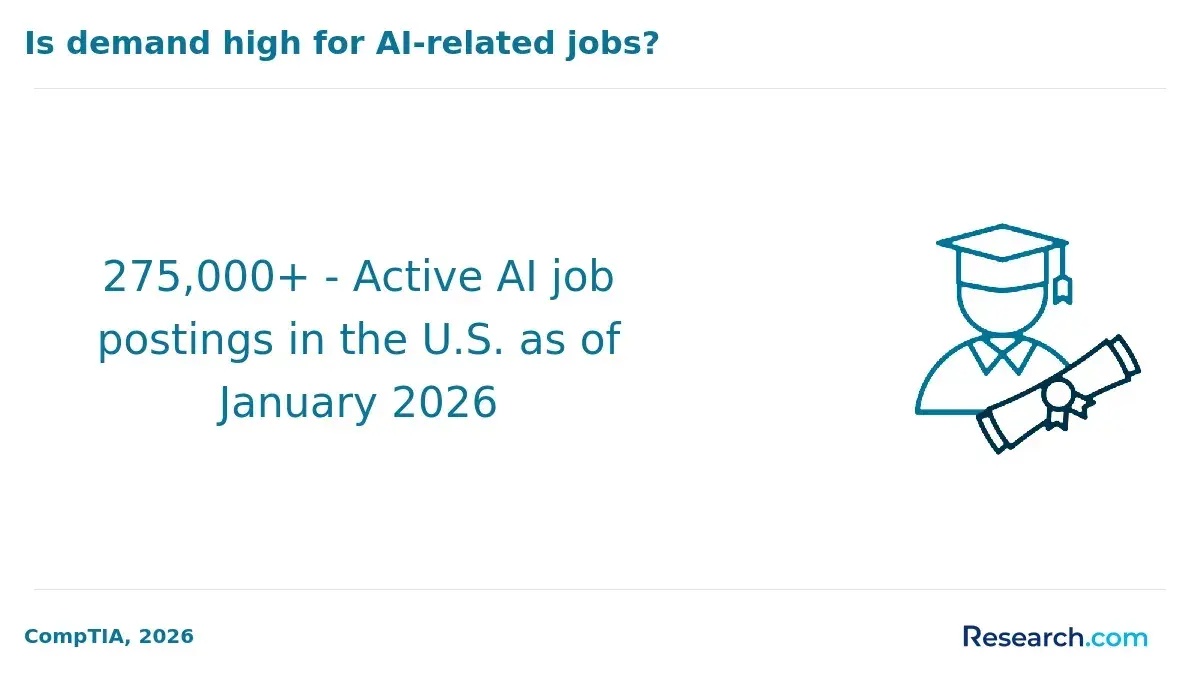
How do AI internships during a master's affect hiring and job placement?
AI internships during a master's program significantly improve hiring outcomes and job placement success. Students gain hands-on experience that bridges academic knowledge with real-world applications, making them more attractive to employers by demonstrating proven skills and workplace adaptability. This impact of AI internships on master's graduate hiring reshapes the candidate's career trajectory.
According to NACE's 2024 Internship & Co-op Report, interns converted to full-time hires show a higher one-year retention rate than those without internship experience. Employers use internships not only as screening tools but also to reduce turnover by selecting candidates who fit their organizational culture and job demands. The job placement benefits of master's AI internship programs are clear in retention and success rates.
The benefits of internships include:
- Building a professional network that often leads to job offers or referrals.
- Gaining familiarity with company-specific tools and workflows to accelerate productivity after hire.
- Testing and refining specialized skills tailored to AI roles, such as machine learning model development or natural language processing.
- Increasing confidence and communication skills by collaborating in multidisciplinary teams on live projects.
Prospective students should consider programs with established internship pipelines, often partnered with tech firms or AI startups, which guarantee internship slots. This strategy eases transitions into the workforce and prioritizes recruitment. Graduates are encouraged to actively seek internships aligned with their career goals to enhance employment outcomes.
For those interested in a complementary field, exploring an online game development degree can also provide valuable technical experience and career opportunities.
What are the typical admission requirements for AI master's degrees?
Typical admission requirements for AI master's programs in the US often include a bachelor's degree in computer science, engineering, mathematics, or a closely related STEM field. Some programs also accept applicants from physics, statistics, or economics backgrounds if they demonstrate strong quantitative and programming skills. Essential application materials usually consist of official transcripts, two or three letters of recommendation, and a statement of purpose outlining research interests and career objectives.
Standardized tests like the GRE are commonly required, though some schools waive them. According to ETS data, "Business and Engineering" fields send the largest shares of GRE General Test score reports, reflecting the importance of strong quantitative and analytical skills in AI master's degree admission. Many programs also expect proficiency in programming languages such as Python, Java, or C++, with prior coursework or experience in machine learning, data structures, or algorithms considered a plus.
Additional criteria often include a minimum GPA around 3.0 on a 4.0 scale and relevant research or internship experience to strengthen applications. International applicants must provide English proficiency test scores such as TOEFL or IELTS. Interviews, either virtual or in-person, may assess motivation and fit, while letters highlighting technical skills and problem-solving abilities carry significant weight.
For those exploring affordable options, especially for remote learning, consider checking out masters in data science online programs that align closely with AI studies and admission requirements for AI master's programs in the US.
How do online AI master's programs compare with on-campus options?
Online AI master's programs offer significant flexibility, making them ideal for working professionals or those facing geographic limitations. Data from the National Center for Education Statistics shows that over half of postbaccalaureate students enroll in at least one distance-education course, signaling widespread acceptance of online learning methods. These programs allow students to maintain employment while studying, lowering financial and logistical hurdles.
On-campus AI master's degrees, however, provide advantages such as direct access to hands-on labs, face-to-face interaction with faculty, and stronger in-person networking opportunities. These experiences can be crucial for securing internships and building industry connections. Still, many top online programs-including those offered by Georgia Tech and Stanford-have developed structured internship pipelines through partnerships with tech companies, virtual career fairs, and remote mentorship.
When comparing online and on-campus AI master's formats, consider the following factors:
- Internship placement rates and employer partnerships tailored to each delivery mode.
- Availability of synchronous classes or hybrid formats that encourage real-time engagement.
- Access to career services and alumni networks that support remote learners.
- Curriculum design aligned with current industry needs and opportunities for applied projects.
Prospective students should assess their personal circumstances and career goals carefully to select a program format that maximizes their chances for advancement in AI fields.
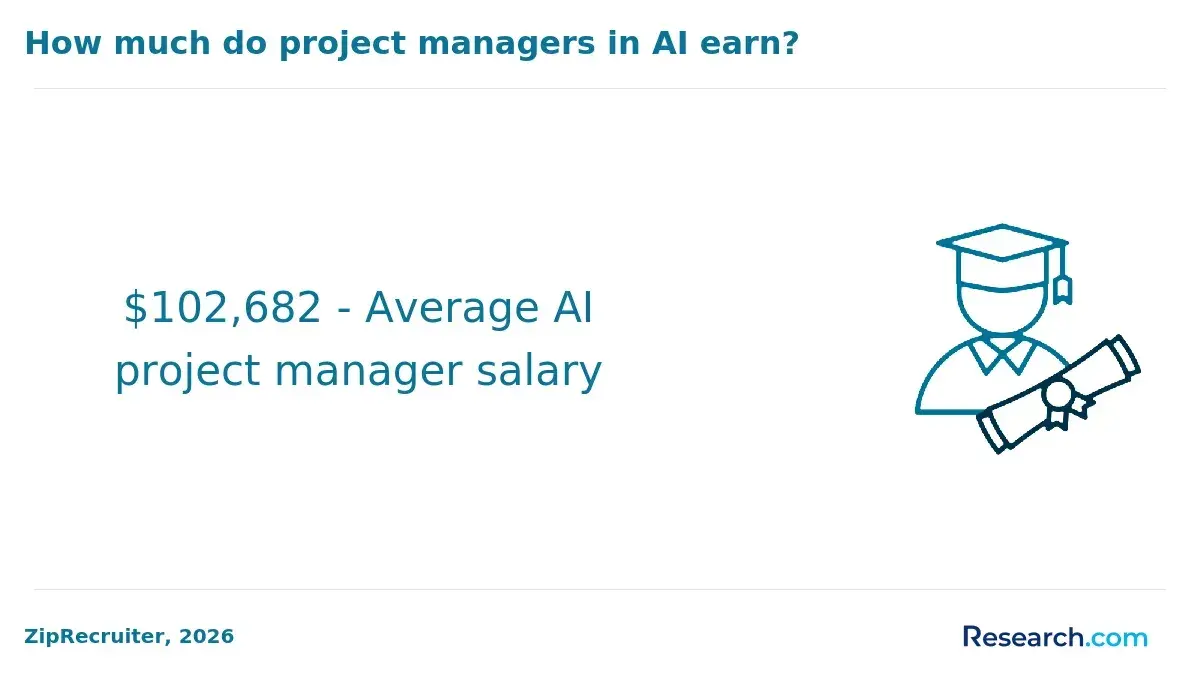
What core courses and specializations are common in AI master's curricula?
Core courses in AI master's programs typically cover machine learning, data structures and algorithms, probability and statistics, and programming languages, with Python being a dominant choice due to its versatility in AI development. According to Lightcast's analysis, Python and machine learning remain the most sought-after skills in AI job postings, highlighting their critical role in today's curriculum (Lightcast, 2024 Job Posting Analytics/skills frequency).
Specializations build upon these fundamentals, focusing on areas such as natural language processing, computer vision, robotics, and reinforcement learning. For example, natural language processing students study semantic analysis and language modeling, while computer vision learners delve into image recognition and processing techniques.
Programs increasingly include courses on ethical AI and explainable AI to meet growing industry demands for responsible AI deployment. Applied AI courses often involve real-world projects in fields like healthcare, autonomous systems, or finance.
Internship preparation commonly requires software engineering skills and familiarity with cloud computing platforms, so these topics are frequently integrated into the curriculum. Additionally, courses on data management and big data tools such as Hadoop or Spark help prepare students to handle large-scale datasets effectively.
Prospective students should prioritize programs that balance theory, programming, and applied specialization tracks. Confirming alignment with current job market demands-especially in Python proficiency and machine learning expertise-can significantly enhance employability after graduation.
How long do AI master's programs take, and what do they cost?
Most AI master's programs in the U.S. take one to two years of full-time study, with many including internships or co-op placements to boost career readiness. Programs with strong practical experience often span two years to accommodate coursework and required industry exposure. Part-time or accelerated options extend timelines and offer flexibility for working professionals.
Tuition costs vary widely based on the institution and residency status. The National Center for Education Statistics reports average annual graduate tuition and fees of about $12,600 for in-state students and $28,000 for out-of-state students at public universities. This equates to roughly $25,200 and $56,000 over two years, respectively. Private universities often charge over $40,000 per year. Additional expenses include books, technology fees, and health insurance.
Many programs provide assistantships, scholarships, or tuition remission linked to internships, which can significantly reduce costs. When selecting a program, consider the balance of total expenses, time commitment, and potential industry connections gained through internships.
Which careers can you pursue after an AI master's degree?
Graduates holding a master's degree in artificial intelligence have access to several high-demand career opportunities across diverse industries. The World Economic Forum's Future of Jobs Report 2025 highlights "AI and Machine Learning Specialists" as among the fastest-growing roles globally through 2030, reflecting strong labor market demand.
Key career paths include:
- Machine Learning Engineer: Designing and deploying algorithms that enable systems to learn from data, essential in technology, healthcare, and finance sectors.
- Data Scientist: Using AI tools to analyze large datasets and extract actionable insights for marketing, retail, and research fields.
- AI Research Scientist: Developing new AI models within academia, private labs, or government organizations focused on theoretical and applied advancements.
- Robotics Engineer: Integrating AI into intelligent machines for automation in manufacturing, logistics, and autonomous vehicles.
- Natural Language Processing (NLP) Engineer: Creating systems that understand and generate human language, powering chatbots, virtual assistants, and translation technologies.
Additional roles include AI product managers who align technology with business goals, AI ethicists focused on moral considerations, and AI consultants guiding companies through AI integration. Internships related to these fields are invaluable for gaining practical experience.
To maximize career prospects, graduates should develop strong programming skills in Python, proficiency with AI frameworks such as TensorFlow and PyTorch, and domain-specific expertise. This aligns with a market projected to add millions of AI-related jobs by 2030.
What salaries can AI master's graduates expect in common roles?
Graduates with master's degrees in artificial intelligence often secure competitive salaries across several key roles. According to the U.S. Bureau of Labor Statistics, Computer and Information Research Scientists earn a median annual salary of $145,080, reflecting strong potential in AI research and development.
Common career paths and their salary ranges include:
- Machine Learning Engineer: $110,000 to $150,000, with senior positions above $180,000.
- Data Scientist: Median pay between $95,000 and $135,000, varying by industry and AI complexity.
- AI Software Developer: Starting salaries usually range from $100,000 to $130,000, higher with specialization.
- AI Product Manager: Salaries from $120,000 to over $160,000, blending technical and leadership skills.
Internship experience often boosts starting offers, especially from leading tech firms focused on deploying AI at scale. Geographical location also affects compensation; tech centers like San Francisco, Seattle, and Boston typically pay 10% to 20% more due to demand and living costs.
Developing expertise in machine learning frameworks, data engineering, and software development is crucial for career advancement and higher earnings in artificial intelligence fields.
Which certifications complement an AI master's for machine learning careers?
Certifications that complement an AI master's degree play a crucial role in bridging theoretical knowledge with practical skills demanded by employers. Microsoft's 2025 Work Trend Index shows that screening for AI skills is becoming more rigorous, making demonstrated AI aptitude a key hiring factor. To stand out, professionals should earn certifications that validate both their understanding and hands-on experience, especially within cloud environments.
Among the most recognized certifications are:
- Microsoft Certified: Azure AI Engineer Associate - Validates expertise in designing AI solutions on the Azure cloud platform.
- Google Professional Machine Learning Engineer - Highlights skills in building and deploying ML models on Google Cloud.
- TensorFlow Developer Certificate - Confirms proficiency with TensorFlow, a leading open-source machine learning framework.
- Certified Data Scientist (CDS) or Certified Machine Learning Specialist - Offered by bodies like the Data Science Council of America, focusing on data management and model evaluation.
These industry-recognized certifications prepare candidates for the realities of machine learning roles that increasingly require cloud deployment and data pipeline expertise. They help translate academic knowledge into applicable skills valued during internships and early career stages. Because employers prioritize verifiable competence over credentials alone, integrating certifications with your master's enhances career prospects significantly. Choosing certifications aligned with your target roles and platforms ensures direct, practical benefits.
Other Things You Should Know About Artificial Intelligence
Strong programming abilities, especially in Python and related libraries like TensorFlow or PyTorch, are essential for AI master's students. A solid foundation in mathematics, including linear algebra, calculus, and statistics, supports understanding AI algorithms. Additionally, skills in data analysis and problem-solving contribute to effective research and practical application during the program.
Many AI internships connected to master's programs are paid, particularly those offered through established industry partnerships. However, some internships, especially in academic or research settings, may be unpaid but provide valuable experience and networking opportunities. Compensation often depends on the host organization, geographic region, and internship duration.
Students often pursue internships during summer breaks or part-time alongside their coursework if programs offer flexible scheduling. Some programs integrate internships as mandatory practicum or capstone experiences that align with academic calendars. Time management and communication with faculty are key to balancing both commitments successfully.
When choosing an AI master's program with a strong internship pipeline, consider the program's industry partnerships, the diversity and reputation of partner companies, support from career services, previous placement success, and alignment with your career goals. These factors ensure valuable, hands-on experience and enhance employability post-graduation.
References
- What You'll Learn in an AI MS Program | University of Bridgeport https://www.bridgeport.edu/news/masters-in-artificial-intelligence-program-curriculum/
- 11 Best AI Certifications in 2025 to Deepen Your Technical Knowledge | DigitalOcean https://www.digitalocean.com/resources/articles/ai-certifications
- University Degree vs AI Bootcamp: Which is Best Career Path? https://agilefever.com/university-degree-vs-ai-bootcamp-which-is-best/
- Master’s in Artificial Intelligence: Curriculum, Scope, Jobs - TBS Education https://tbseducation.in/masters-in-artificial-intelligence-curriculum-scope-jobs/
- AI's Impact on Graduate Jobs: A 2025 Data Analysis | IntuitionLabs https://intuitionlabs.ai/articles/ai-impact-graduate-jobs-2025
- Best AI Masters Online & On-Campus - AIDegreePrograms.org https://aidegreeprograms.org/rankings/best-ai-masters-programs/
- Application and admission - Master Artificial Intelligence https://www.uva.nl/shared-content/programmas/en/masters/artificial-intelligence/application-and-admission/international-prior-education/international-prior-education-foldout-menu.html
- How AI is Changing Internship Skills and Future Roles https://absoluteinternship.com/blog/how-ai-is-changing-internship-skills-and-future-roles/
- Online vs On-Campus Artificial Intelligence Degrees: Which Is Better? https://hakia.com/degrees/artificial-intelligence/online-vs-campus/
- What Can I Do with a Masters in Artificial Intelligence? https://onlinejain.com/blogs/what-can-i-do-masters-artificial-intelligence