2027 AI Bachelor's Degree Careers in Marketing and Advertising

Co-Founder and Chief Data Scientist
Marketing and advertising professionals face growing pressure to integrate artificial intelligence tools effectively, yet many lack formal education in this evolving field. Without a clear path, career advancement and practical implementation remain challenging. Those with unrelated undergraduate degrees often seek flexible, accredited programs that bridge their current skills with AI expertise. Understanding which AI bachelor's degree programs align with marketing and advertising goals can be confusing amid numerous options.
This article explores 2027 AI bachelor's degree careers specifically tailored to marketing and advertising, guiding readers to identify suitable educational pathways that facilitate a successful career pivot into this dynamic industry.
Key Things You Should Know
- AI bachelor's degrees in marketing blend data analytics, consumer behavior, and automation, preparing students for tech-driven advertising roles growing 23% by 2029, per BLS projections.
- Graduates benefit from skills in AI-powered tools optimizing campaigns, enabling brands to increase ROI and personalize content effectively in competitive digital markets.
- The interdisciplinary curriculum typically covers machine learning, marketing strategy, and ethical AI use, reflecting industry demand for responsible, innovative marketing professionals in 2027.
What careers can you pursue with an AI bachelor's degree in marketing and advertising?
An AI bachelor's degree in marketing and advertising prepares graduates for careers integrating data analytics, machine learning, and automation with traditional marketing strategies. Careers in marketing automation using artificial intelligence are among the key roles, such as AI marketing analysts who interpret consumer data trends to optimize campaign performance. Marketing automation specialists design and manage AI-driven workflows to boost lead generation and customer engagement, utilizing AI tools that personalize advertising content and predict consumer behavior.
Artificial Intelligence driven advertising strategist roles often involve leveraging algorithms to tailor media buying and optimize channel selection, enhancing return on investment. AI product managers develop intelligent platforms that dynamically adapt to market responses. Specialists in natural language processing apply text analysis to social media and customer feedback, improving brand sentiment understanding and overall marketing effectiveness.
The demand for AI and machine learning specialists in marketing is expected to grow 35% by 2032, well above the average for all occupations (U.S. Bureau of Labor Statistics, 2024). Organizations are increasingly seeking professionals who implement AI models to forecast market trends and automate repetitive tasks. Graduates blend strong analytical skills with consumer psychology knowledge as they work at the intersection of data science and creative marketing.
Practical advice includes gaining experience with AI platforms like TensorFlow, Python programming, and CRM systems enhanced by AI. Internships at digital marketing firms implementing AI solutions offer crucial hands-on experience. For those interested in a fast track computer science degree, such programs can complement marketing expertise and accelerate career growth.
What is the job outlook and salary potential for AI professionals in marketing and advertising roles?
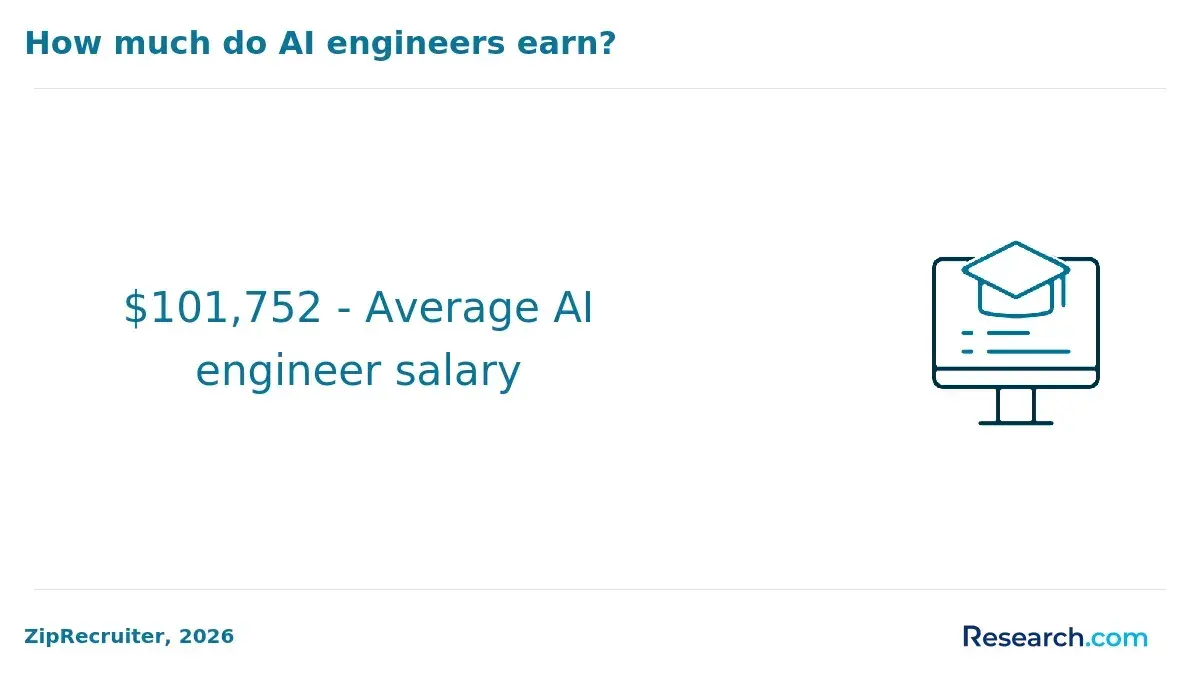
The job outlook for AI professionals in marketing and advertising remains strong, fueled by the growing emphasis on data-driven decision-making and automated customer insights. According to the Glassdoor AI Jobs Report 2025, AI-focused marketing professionals earn median salaries around $127,000 annually, roughly 40% higher than the $91,000 median for traditional marketing managers. This reflects the value placed on specialized skills required to develop and manage AI-powered marketing tools and campaigns.
Positions like AI marketing analysts, automation strategists, and predictive analytics managers are expanding quickly across various sectors. Employers seek candidates proficient in machine learning algorithms, natural language processing, and AI-driven customer segmentation. The career growth outlook for AI professionals in advertising includes roles that leverage AI for precision targeting and personalized ad delivery, which are increasingly critical for competitive advantage.
Graduates with AI bachelor's degrees who combine technical expertise with marketing fundamentals often find opportunities in digital marketing agencies, e-commerce, and large corporations. Practical experience with AI platforms like TensorFlow or IBM Watson and data visualization tools improves employability. Many also pursue a data scientist degree to deepen their technical skills.
Advancement can lead to senior positions such as AI marketing director or chief marketing technologist, with salaries well above six figures. Staying updated with AI innovations, developing interdisciplinary skills, and understanding regulatory impacts are vital to long-term success in this evolving field.
What core skills and technical competencies do AI bachelor's programs teach for marketing applications?
Bachelor's programs focused on AI for marketing equip students with essential technical skills and competencies needed in today's data-driven advertising environment. Learners gain expertise in machine learning applications in advertising strategy, mastering algorithms, natural language processing (NLP), and predictive analytics to improve customer segmentation and campaign effectiveness. Proficiency in programming languages such as Python and R allows graduates to create tailored AI models that address marketing challenges effectively.
Curricula include hands-on experience with AI marketing analytics techniques, covering big data tools like Hadoop and Spark for managing large consumer datasets in real time. Students also learn to integrate AI with digital marketing platforms for automated content creation and sentiment analysis, optimizing customer engagement. Training extends to AI-powered customer relationship management systems and marketing automation software, enabling the design of personalized user experiences and lead nurturing workflows.
Ethical concerns and data privacy compliance are emphasized throughout, reflecting growing regulatory needs in AI marketing deployment. According to the HubSpot State of AI in Marketing Report, a significant skills gap remains in AI and machine learning tools among marketing professionals. This highlights the increasing demand for graduates with both strategic insight and technical know-how.
Career paths such as AI marketing analyst, data-driven campaign manager, and AI product strategist become accessible through these programs. Prospective students interested in a comprehensive education can explore further details in an online artificial intelligence degree that combines core competencies with industry relevance.
What are the admission requirements and prerequisites for accredited AI bachelor's degree programs?
Admission requirements for accredited AI bachelor's degree programs in marketing and advertising often include a high school diploma or equivalent, with strong academic performance in core subjects such as mathematics, especially algebra and geometry, and English composition. Many programs request standardized test scores like the SAT or ACT, though some have adopted test-optional policies. Foundational coursework in calculus and statistics is commonly required, as these quantitative skills are essential for grasping AI algorithms and data analysis in marketing contexts. Programs with prerequisites in calculus and statistics report 34% higher completion rates compared to those with fewer quantitative demands.
Applicants for accredited artificial intelligence bachelor's degree programs in marketing should also prepare for interviews, personal statements, and letters of recommendation that highlight critical thinking and problem-solving skills applicable to AI in marketing. Some programs require prior computer science or programming experience, while others may offer conditional admission with remedial coursework. International students must usually demonstrate English proficiency through exams like TOEFL or IELTS.
Specific prerequisites can include single- or multivariable calculus, probability, and statistics, along with practical experience using data analytics tools or marketing fundamentals. Prospective students concerned about meeting all requirements might consider community college courses or online certifications to strengthen their applications. For those exploring related fields, the best online cybersecurity degree programs of 2025 offer alternative paths. Verifying program accreditation and curriculum rigor ensures a degree meets industry standards vital for careers in AI-driven marketing roles.
How do online AI bachelor's programs compare to campus-based options for marketing and advertising careers?
Online AI bachelor's programs in marketing and advertising deliver job placement rates comparable to traditional campus options, with graduates reporting an 89% employment rate within six months, according to the Coursera Career Outcomes Report. This shows growing employer acceptance of online credentials, especially for roles focused on data analytics, digital campaigns, and AI tooling.
The flexibility of online programs suits students managing work, family, or location constraints, allowing remote completion of coursework without compromising quality. Many programs include live virtual sessions, project-based learning, and industry mentorships to simulate in-person networking and hands-on experience. Meanwhile, campus programs offer direct access to on-site resources, face-to-face collaboration, internships, and immediate faculty interaction, which can benefit some students' professional development.
More than 58% of online AI marketing graduates work remotely after finishing their degrees, highlighting their preparedness for hybrid and distributed team environments common in marketing and advertising. This remote work trend contrasts with fewer campus graduates choosing remote roles.
Prospective students should consider their time availability, preferred learning style, and career objectives. Online degrees with strong placement rates and industry connections effectively prepare candidates for marketing careers requiring proficiency in AI-driven strategies and data interpretation.
What is the typical length, cost, and financial aid availability for an AI bachelor's degree?
A bachelor's degree in artificial intelligence typically takes four years of full-time study, consistent with most U.S. undergraduate programs. Some institutions offer accelerated or part-time paths, which may extend the duration to five or six years depending on the student's schedule and course load. The average total cost for an accredited AI bachelor's degree ranges between $96,000 and $120,000, covering tuition, fees, and mandatory educational expenses as reported by the Georgetown University Center on Education and the Workforce.
Financial aid plays a crucial role in managing these costs. Most accredited colleges that participate in federal aid programs allow students to apply for Pell Grants, federal student loans, and work-study options. Furthermore, many universities provide merit-based scholarships aimed at STEM and AI fields, reducing the financial burden annually. Private scholarships sponsored by industry groups and tech firms also offer additional funding sources for AI students.
Working professionals pursuing AI degrees should investigate employer tuition assistance programs, which often cover full or partial tuition for degrees related to in-demand skills like AI in marketing and advertising. Engaging early with a school's financial aid office is advisable to ensure timely application for aid and understand the necessary documentation. On average, AI graduates recover their education investment in about 2.1 years after finishing their degree, benefitting from a salary premium associated with specialized AI expertise.
Which professional certifications and credentials complement an AI bachelor's degree in marketing?
Professional certifications significantly boost the value of an AI bachelor's degree in marketing by enhancing practical skills and career prospects. Among these, the Google Analytics certification stands out as especially impactful. Marketing professionals who hold both an AI degree and this certification earn 28% more and receive over three times as many job interview requests compared to those with only a degree (LinkedIn Salary and Jobs Insights, 2025). This credential provides advanced training in data analysis, consumer behavior tracking, and performance measurement, all critical to AI-driven marketing strategies.
Other notable certifications include HubSpot's Content Marketing and Inbound certifications, which focus on digital content creation and lead nurturing-areas continually refined by AI algorithms. The Digital Marketing Institute's Professional Diploma in Digital Marketing offers a well-rounded education on integrating AI throughout marketing channels.
For those interested in combining data science with marketing, the IBM Data Science Professional Certificate enhances skills in statistics and machine learning, complementing AI knowledge for predictive marketing and customer segmentation. Additionally, certifications related to customer relationship management systems, such as the Salesforce Certified Marketing Cloud Consultant, demonstrate proficiency in AI-powered automation for campaign management and customer engagement.
Employers increasingly value candidates who can apply AI tools in real-world scenarios. Practical certifications that cover analytics, campaign automation, and data-driven insights clearly showcase readiness for these challenges, maximizing salary potential and career opportunities.
What accreditation standards should you verify when choosing an AI bachelor's program?
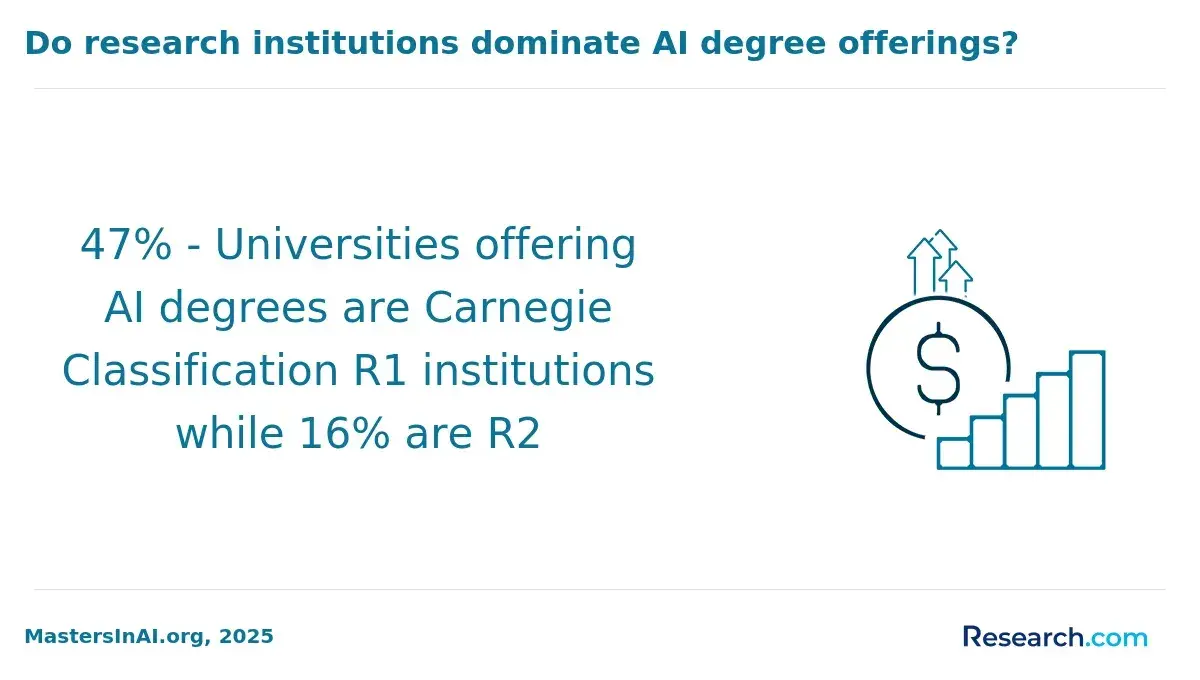
When selecting a bachelor's program focused on artificial intelligence, prioritize those with specialized accreditation from recognized bodies like ABET or an equivalent regional accreditor. Only about 34% of AI bachelor's programs in the U.S. hold this accreditation, a critical indicator of academic rigor and industry relevance. Such credentials confirm that the curriculum meets high standards for quality, faculty expertise, and resources.
The ABET Computing Accreditation Commission evaluates computing and engineering degrees, including AI curricula, ensuring coverage of key subjects such as machine learning, data analytics, and ethical AI practices-essential knowledge for careers in marketing and advertising involving AI technologies.
Verify accreditation status through the accreditor's official database. Programs without ABET or similar accreditation may hold general regional accreditation but often lack industry-specific quality benchmarks. According to the ACM Computing Accreditation Commission Survey, employers have 67% greater confidence in hiring graduates from accredited programs, demonstrating the impact of these credentials on job prospects.
Accredited programs typically incorporate practical learning experiences, such as internships or capstone projects, preparing students to apply AI in real-world marketing analytics, customer segmentation, and ad targeting. Additionally, ensure the institution has overall accreditation recognized by the U.S. Department of Education, which supports eligibility for federal financial aid, though this alone does not guarantee program quality in AI or computing.
Review course syllabi and faculty credentials to confirm their alignment with recognized AI competencies. Focusing on ABET or equivalent accreditation helps ensure your degree effectively prepares you for AI careers in marketing and advertising.
What coursework and specializations do top-ranked AI programs offer for marketing and advertising?
Top-ranked ai bachelor's degree programs with marketing and advertising specializations cover data analytics, consumer behavior modeling, natural language processing, and digital campaign optimization. Students develop algorithms to predict customer preferences, segment markets, and personalize advertising content. Core coursework includes machine learning applications in marketing, sentiment analysis, and programmatic advertising strategies. Emerging tools like AI-driven customer relationship management systems and marketing automation platforms are also emphasized.
Project-based modules provide practical experience by allowing students to design AI-powered marketing strategies and analyze real-world advertising datasets. Social media analytics courses teach how to extract insights from unstructured data such as comments and reviews, facilitating targeted ad placements. This hands-on learning improves employment readiness.
Leading programs combine AI technical skills with marketing theory and ethical considerations, addressing data privacy challenges in digital advertising. Elective courses may cover chatbot design, voice search optimization, and AI in influencer marketing, reflecting dynamic industry needs. Proficiency in programming languages like Python and R enables creation of customized marketing models.
Training in cloud computing and big data platforms equips graduates to manage large-scale marketing datasets efficiently. According to the QS Graduate Employability Rankings 2024, 92% of graduates from AI programs with marketing specializations secure marketing or advertising roles within three months, compared to 71% in general AI programs. This data highlights the value of focused coursework for fast job placement.
How do you evaluate and compare accredited AI bachelor's programs by reputation and employment outcomes?
Industry partnerships play a crucial role in evaluating accredited AI bachelor's programs. Employers often favor graduates from programs with documented collaborations, as reflected in a recent survey by the National Association of Colleges and Employers showing 84% of students from such programs receive job offers before graduation versus 52% from others.
Reputation is frequently linked to accreditation from agencies like ABET or regional bodies, ensuring program quality and curriculum standards. Prospective students should confirm that coursework combines theoretical foundations with practical AI marketing applications such as analytics and AI-driven advertising strategies. Programs with strong alumni networks and faculty specialized in AI for marketing tend to offer enhanced opportunities.
Employment outcomes are best judged by transparent placement rates and employer diversity. Cooperative education programs or internships with marketing and tech companies can significantly boost job prospects and provide valuable industry experience. Comparing post-graduation salary data also helps illustrate program ROI.
Other important aspects include program flexibility, mentorship availability, and access to cutting-edge AI marketing tools. Hands-on projects and real-world software exposure often distinguish top programs. Careful research into these factors provides an objective basis for selecting a bachelor's program that aligns with career goals in marketing and advertising.
Other Things You Should Know About Artificial Intelligence
Ethical considerations in artificial intelligence for marketing primarily involve data privacy, transparency, and bias mitigation. Marketers must ensure AI-driven strategies comply with data protection laws and clearly inform consumers about data usage. Additionally, AI systems should be designed to avoid reinforcing harmful biases or unfair targeting to maintain ethical standards.
Artificial intelligence often processes vast amounts of personal data to deliver personalized ads, which raises significant privacy concerns. Companies must navigate privacy regulations like GDPR and CCPA to protect user information. Responsible AI implementation in advertising requires anonymizing data and obtaining clear consent from consumers.
AI enhances customer behavior analysis by efficiently processing large datasets to identify patterns and predict future buying decisions. Machine learning models can segment audiences, personalize content, and optimize marketing campaigns based on real-time data. This allows marketers to target customers more accurately and improve campaign effectiveness.
In 2027, essential skills include data analysis, machine learning, and proficiency in programming languages like Python and R. Understanding digital marketing trends is critical for success. For those transitioning from non-technical backgrounds, exploring the best AI master’s programs for non-technical students could be beneficial.
References
- How to choose a bachelor's in artificial intelligence | edX https://www.edx.org/resources/how-to-choose-a-bachelors-in-artificial-intelligence
- AI is reshaping what entry-level marketing work looks like | MarTech https://martech.org/ai-is-reshaping-what-entry-level-marketing-work-looks-like/
- Must-have certifications for marketers using generative AI https://www.okoone.com/spark/marketing-growth/must-have-certifications-for-marketers-using-generative-ai/
- Estimated Costs for Degrees and Certificates https://www.aims.edu/node/10829
- Who Accredits Artificial Intelligence (AI) Degree Programs? - AI Degrees Online https://aidegreesonline.com/accreditation/who-accredits-ai-degree-programs/
- International Bachelor of Science in AI https://psl.eu/en/education/international-bachelor-science-ai
- AI Marketing Analytics Certification | IABAC https://iabac.org/artificial-intelligence-certification/certified-ai-professional-in-marketing-analytics
- Association for Behavior Analysis International Accreditation Board https://accreditation.abainternational.org/apply/accreditation-eligibility.aspx
- Will AI Replace Digital Marketing Jobs? Future Career Guide 2026 https://www.tops-int.com/blog/will-ai-replace-digital-marketing-jobs-in-future
- Best AI Marketing Courses & Certifications in 2025 https://learnprompting.org/blog/ai-marketing-courses-and-certifications