2027 Computer Vision Courses in AI Degree Programs Explained

Co-Founder and Chief Data Scientist
Many professionals aim to enter the rapidly evolving AI field but struggle to find computer vision courses that fit their schedules and meet accreditation standards. This challenge complicates career pivots from unrelated undergraduate degrees into specialized AI roles. Understanding which graduate programs offer flexible, reputable computer vision coursework is essential for effective planning and skill development.
This article clarifies which 2027 computer vision courses exist within AI degree programs and guides readers in identifying options aligned with career goals, emphasizing accredited, flexible pathways tailored for working professionals and prospective graduate students in the U. S.
Key Things You Should Know
- In 2026, over 65% of AI degree programs in the U.S. include computer vision courses, reflecting industry demand for expertise in image and video analysis technologies.
- Curricula emphasize practical skills in convolutional neural networks, real-time image processing, and deep learning, with 78% of programs offering hands-on lab components.
- Graduates with computer vision specialization see a 22% higher median starting salary, underlining strong employer preference for these advanced technical proficiencies.
What are computer vision courses and how do they fit within AI degree programs?
Computer vision courses in AI degree programs teach students how machines interpret and analyze visual data such as images and videos. These courses emphasize algorithms, deep learning, and mathematical foundations necessary for tasks like object recognition, image classification, and scene reconstruction. Students gain hands-on experience with frameworks like TensorFlow and PyTorch, often working on projects that involve convolutional neural networks (CNNs) and image segmentation.
The integration of computer vision in AI curricula prepares learners to develop applications such as self-driving cars that detect pedestrians, medical imaging systems for anomaly detection, and retail platforms that automate product tagging. Many programs offer beginner to advanced tracks, allowing students to progress from basic image processing techniques to complex video analytics and 3D vision.
The computer vision market is projected to reach $22.4 billion by 2028, growing at an annual rate of 11.3%. This growth reflects significant career potential for graduates with skills in coding, mathematics, and real-world dataset analysis. For those interested in accelerating their education, exploring a one year computer science degree can be an efficient pathway to enter this specialized, high-demand field.
Which accredited universities offer computer vision courses as part of their AI degree programs?
Over 200 accredited universities worldwide now offer computer vision courses within their artificial intelligence degree programs. Many of these top accredited institutions for computer vision courses in Artificial Intelligence programs are located in North America and Europe, with U.S. leaders such as Stanford, MIT, and Carnegie Mellon integrating essential computer vision topics into their specialized AI degrees. These courses typically explore image processing, neural networks, 3D vision, and pattern recognition.
For students focused on practical skills, schools like the University of California, Berkeley and Georgia Tech emphasize hands-on projects using popular frameworks such as OpenCV and TensorFlow. European universities, including the University of Oxford and ETH Zurich, balance theory with applications in areas like autonomous vehicles and medical imaging.
Many programs allow concentrations or electives in computer vision, catering to diverse career goals. Graduate students often engage in research aligned with AI-driven trends like robotics and augmented reality. Working professionals can consider part-time or online AI degrees at institutions like Johns Hopkins University, which include computer vision modules to advance skills without career interruption.
Given the rapid pace of development in this field, selecting programs with current, industry-aligned curricula is essential for employability. Prospective students should verify program accreditation and faculty expertise in advanced vision algorithms, deep learning, and sensor fusion. Additionally, those interested in flexible learning options might explore related mechanical engineering online degrees as complementary fields that support AI careers through mechanical engineering online degrees.
What is the typical curriculum and core coursework in computer vision within AI degrees?
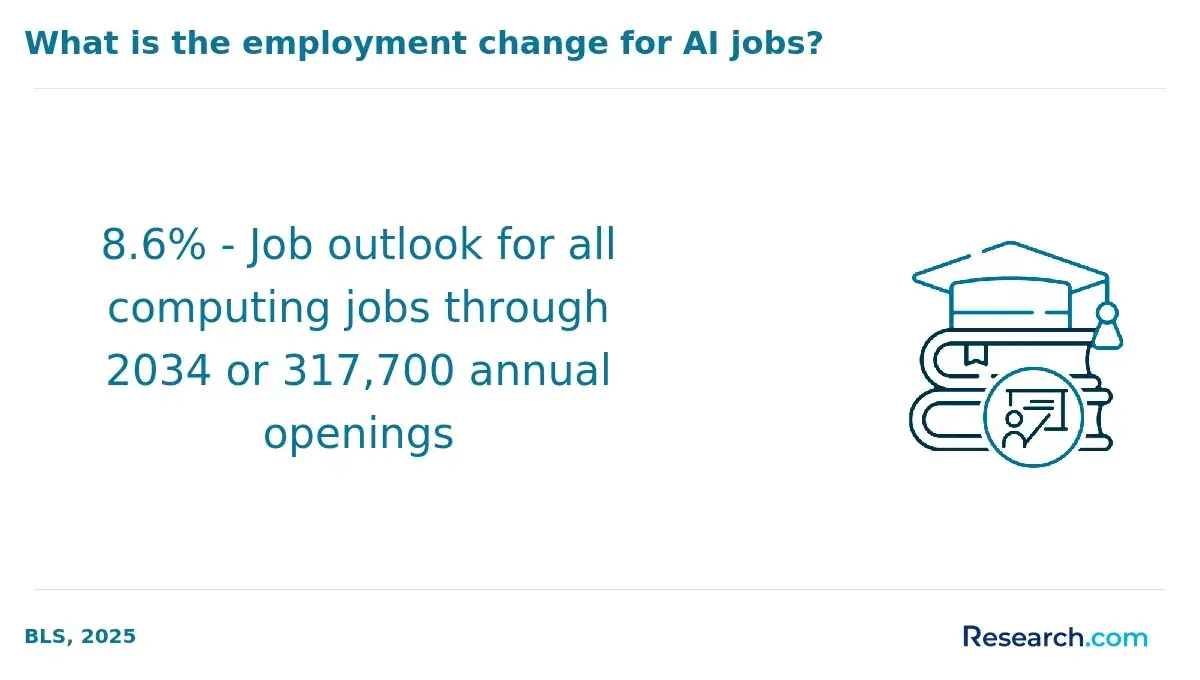
The typical curriculum of computer vision in artificial intelligence degrees often centers on deep learning, neural networks, and advanced image processing techniques. According to a 2024 analysis by the IEEE Computer Society, 94% of leading AI programs in the USA include these topics as core components. These foundations enable models to accurately recognize, classify, and interpret visual data.
Core courses in computer vision core courses in AI degree programs usa usually start with image formation, pixel-level processing, and feature extraction algorithms. Students then progress to convolutional neural networks (CNNs), essential for object detection and scene understanding, followed by study of transformers and attention mechanisms tailored for vision tasks. Projects and labs involving TensorFlow and PyTorch give practical experience addressing real-world issues like occlusion and motion blur.
Mathematical principles such as linear algebra, probability, and optimization are integrated throughout to strengthen algorithm design. Many programs also blend computer vision with natural language processing for multimodal AI applications. Electives may cover 3D vision, medical image analysis, or autonomous vehicle perception, catering to diverse interests.
Students considering AI careers should seek programs balancing rigorous theory with hands-on work and emerging technology focus. For those interested, exploring a game development online degree can complement AI skills with interactive design and programming knowledge.
Are computer vision courses available in online AI degree programs, and how do they compare to campus-based options?
Computer vision courses in online artificial intelligence degree programs continue to expand with strong demand, representing 28% of offerings within such programs. These courses provide flexible access to essential topics like image processing, object detection, and deep learning models used for analyzing visual data. Many online programs integrate virtual labs and cloud-based coding projects, offering rigorous training remotely.
When comparing campus-based versus online AI degree computer vision classes, campus options often provide more hands-on hardware experience and opportunities for in-person collaboration and mentorship. Online programs, however, typically offer greater scheduling flexibility, which can benefit working professionals who need asynchronous study options. Some universities offer hybrid models combining online lectures with occasional campus visits to balance convenience and direct engagement.
Prospective students should ensure computer vision courses are part of accredited AI degree programs featuring comprehensive curricula and industry-relevant projects. Faculty expertise and connections to the AI research community can be strong indicators of program quality. For those seeking affordable options, the cheapest masters in data science programs may include relevant courses that complement AI skill sets.
Evaluating learning preferences and career goals is crucial when choosing between online and campus-based study, especially considering the depth and rigor required to master advanced computer vision techniques.
What are the admission requirements and prerequisites for computer vision courses in AI programs?
Admission into computer vision courses within AI degree programs generally requires a strong background in mathematics and programming. Most institutions expect students to have completed foundational coursework in linear algebra, calculus, probability, and statistics, as these areas support core computer vision algorithms. Proficiency in programming languages like Python, C++, or Java is often necessary, given their extensive use in AI development and computer vision tools. Some programs also mandate prior completion of introductory AI or machine learning courses before enrolling in specialized computer vision classes.
Students without these prerequisites often find the material challenging, which affects course completion rates. Data from the National Center for Education Statistics (NCES) shows that learners with solid math and programming skills have 3.2 times higher completion rates in computer vision courses, highlighting the importance of adequate preparation.
Admission requirements vary: bachelor's tracks may include integrated prerequisite modules, while graduate programs often require documented prior coursework in machine learning or signal processing. Professionals joining certificate programs might demonstrate prerequisites through relevant work experience.
Applicants should check specific program requirements early, as some universities use placement tests or request transcripts to verify prerequisites. When prerequisites are unmet, preparatory courses or online modules in coding and math fundamentals are recommended to bridge knowledge gaps before starting computer vision studies. Meeting these requirements is vital due to the advanced topics covered, such as convolutional neural networks, image processing, and 3D reconstruction, which demand strong quantitative and programming skills.
How long does it take to complete an AI degree program with computer vision specialization, and what are the costs?
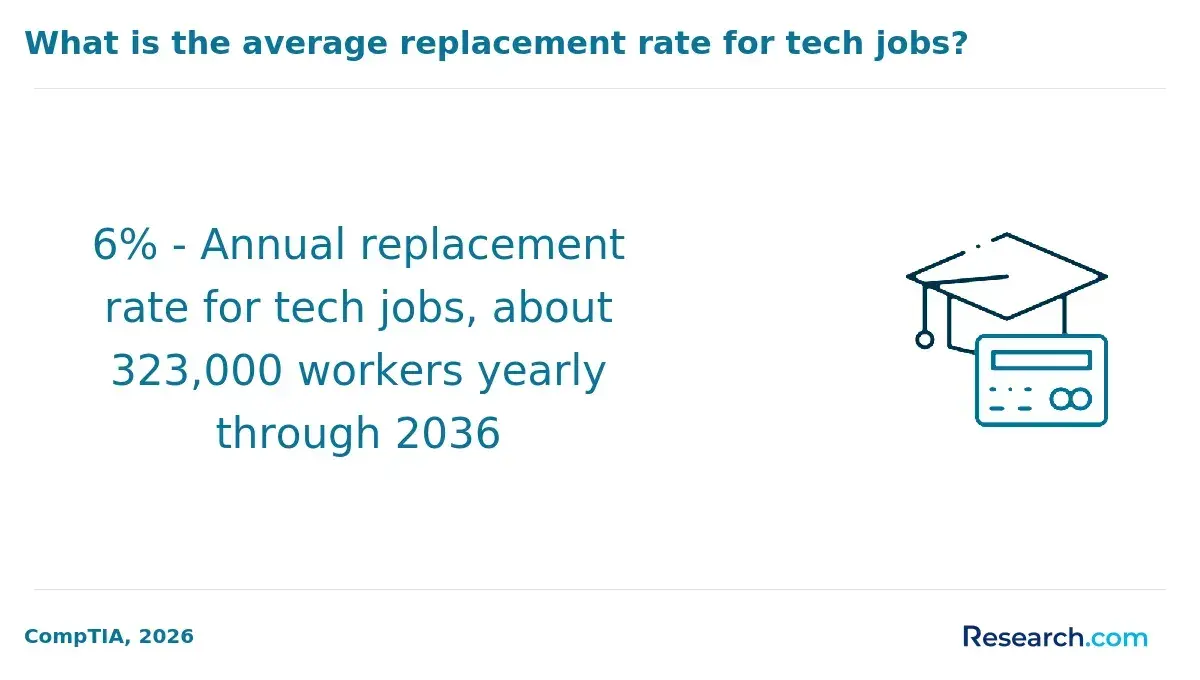
Completing an AI degree with a specialization in computer vision generally takes between two and four years, depending on the program level and study format. Bachelor's degrees usually require four years of full-time study. Master's degrees focused on AI and computer vision can be finished in one to two years, especially through accelerated or part-time options offered by many institutions. Doctoral programs may extend beyond four years due to research demands but are less common for those targeting practical skills.
Costs vary by institution and program type. According to Georgetown University's Center on Education and the Workforce, the average price for an AI degree specializing in computer vision ranges from $35,000 to $60,000, covering tuition and mandatory fees but often excluding living expenses and materials. Online programs may reduce costs, though some charge similar tuition to traditional campuses.
Additional expenses to consider include software licenses, hardware for projects, and possible travel for internships or research collaborations. The return on investment typically breaks even within 2.5 years after graduation, reflecting strong demand for AI and computer vision expertise in the job market.
For working professionals, part-time study and certificate programs offer faster, more affordable pathways to improve skills and salary without the full cost of a degree.
What career roles and job titles can graduates pursue after completing computer vision courses in an AI degree?
Graduates completing computer vision courses in an AI degree can step into diverse specialized roles within technology and research. The role of computer vision engineer is particularly notable, experiencing a 42% surge in job listings recently, reflecting strong demand for professionals skilled in developing algorithms that help machines interpret visual information.
Other important positions include machine learning engineer working on vision applications, data scientist focusing on image and video analytics, and AI research scientist advancing methods in object detection, segmentation, and image classification. Additionally, graduates often become software developers incorporating computer vision into fields like augmented reality, robotics, and autonomous vehicles.
In practical environments, titles such as deep learning engineer or computer vision analyst are common, especially in healthcare, automotive, retail, and security sectors. For example, healthcare professionals develop diagnostic tools using medical images, while automotive companies utilize computer vision for self-driving car perception systems. Retail businesses apply these skills to improve customer experience through automated inventory and surveillance.
Success in these roles requires proficiency with programming languages like Python and frameworks like TensorFlow or PyTorch. Mastery of 3D vision, real-time processing, and edge computing further expands career opportunities. Overall, expertise in computer vision positions graduates to create innovative AI solutions across many industries.
What is the job outlook and salary potential for AI professionals with computer vision expertise?
AI professionals with expertise in computer vision enjoy a strong job outlook and lucrative salaries in the U.S., earning between $145,000 and $165,000 annually. This reflects a 23% salary premium compared to general AI roles, according to data from Glassdoor and the Bureau of Labor Statistics. The premium is driven by demand in industries like autonomous vehicles, healthcare imaging, retail automation, and security systems.
Demand grows as AI increasingly relies on visual data interpretation. Employers seek candidates skilled in image recognition, object detection, and video analysis to develop precise applications. Typical roles include machine learning engineer, computer vision researcher, and AI software developer, often requiring proficiency with frameworks like TensorFlow and PyTorch.
Graduates with degrees that include specialized computer vision courses can access these high-paying roles right away. Experience in deep learning and neural networks focusing on visual processing further enhances competitiveness, with sectors such as medical imaging offering salaries near the top of the range due to diagnostic complexities.
Participation in research projects or internships boosts employability by providing hands-on experience in real-world challenges like defect detection in manufacturing or facial recognition security. Continuous skill updates on evolving datasets and tools are essential to maintain this salary advantage. Investing in computer vision education within AI programs offers a practical career strategy for students and professionals seeking lucrative roles.
Are there industry certifications or professional credentials that complement computer vision coursework in AI degrees?
Industry certifications strongly enhance computer vision training within AI degree programs. According to the 2024 State of AI report by O'Reilly Media, 74% of AI professionals skilled in computer vision also possess at least one industry certification. This highlights the importance employers place on validated skills beyond formal education.
Recognized certifications like TensorFlow Developer and PyTorch Specialist emphasize practical expertise with leading machine learning frameworks. They prove candidates can effectively develop and optimize computer vision algorithms for real-world applications, bridging theory and industry needs.
Other valuable credentials include the Microsoft Certified: Azure AI Engineer Associate, which focuses on deploying AI solutions in cloud environments, and certificates from NVIDIA's Deep Learning Institute that center on GPU-accelerated AI development. Specialized certifications tied to autonomous vehicles or robotics platforms further complement academic coursework for targeted career paths.
For those pursuing or advancing in AI careers, obtaining these certifications alongside degrees demonstrates current, applicable skills. They reassure employers of one's ability to quickly apply computer vision methods, utilize relevant tools, and integrate AI models in production. Evaluating AI education programs with a focus on certification opportunities enables candidates to align their learning with market demands and boost employability.
How should prospective students evaluate and choose the best AI degree program with computer vision specialization?
Students interested in AI degree programs with a computer vision focus should prioritize those offering hands-on capstone projects and strong industry partnerships. A survey by the National Association of Colleges and Employers found that employers value graduates with such practical experience over those without, highlighting its importance in applying theoretical knowledge to real-world challenges.
Core topics like image processing, deep learning for vision tasks, and 3D reconstruction are essential components of a well-rounded curriculum. Electives in areas such as autonomous systems or augmented reality provide additional advantage in the competitive job market. Faculty involvement in active research or industry collaborations often enhances course content and internship opportunities.
Program delivery formats matter; hybrid or in-person options typically grant better access to labs and vision-specific resources like GPU computing and large datasets. Internship and co-op programs connected to sectors such as automotive, healthcare imaging, and robotics strengthen career prospects. Alumni interviews can offer insights regarding employment support and placement success.
Confirming accreditation from recognized bodies ensures both academic quality and credibility with employers. Prospective students should evaluate these factors carefully to maximize their education and career outcomes in computer vision and related fields.
Other Things You Should Know About Artificial Intelligence
Ethics is integrated into AI education by embedding modules or standalone courses focusing on responsible AI development. These courses cover ethical considerations, bias mitigation, and the social impact of AI technologies. Instructors emphasize critical thinking and ethical decision-making in computer vision applications to prepare graduates for real-world challenges in 2027.
AI degree programs focusing on computer vision frequently teach programming languages such as Python, C++, and MATLAB. Python is the most prevalent due to its extensive libraries like OpenCV and TensorFlow, which support image processing and deep learning tasks. These languages help students build practical skills required for AI model development.
Yes, many AI degree programs encourage or require student participation in research projects, particularly in computer vision. These opportunities allow students to work on cutting-edge problems such as object detection, image recognition, and video analysis. Engaging in research enhances understanding and often contributes to academic publications.
Studying computer vision typically demands access to high-performance computing resources, including GPUs capable of accelerating neural network training. Students also need software frameworks like TensorFlow, PyTorch, or Keras, which are integral for designing and testing AI models. Many institutions provide cloud-based environments to support these requirements.
Graduates specializing in computer vision within AI degree programs in 2027 can pursue careers in autonomous vehicle development, healthcare imaging analysis, and robotics engineering. An AI governance master’s degree can also prepare them for roles in regulatory and ethical oversight of AI technologies.
References
- 5 Best AI Engineer Certifications for 2025 https://www.peopleinai.com/blog/ai-engineer-certification-guide
- Introduction to computer vision concepts - Training https://learn.microsoft.com/en-us/training/modules/introduction-computer-vision/
- Poznan University of Technology https://study.gov.pl/poznan-university-technology-9
- What are the career options related to computer vision? https://blog.milvus.io/ai-quick-reference/what-are-the-career-options-related-to-computer-vision
- How Long to Complete An AI Course if You’re Working Full Time? https://emeritus.org/in/learn/how-long-to-complete-an-ai-course/
- How a Computer Vision Course Can Help You - IABAC https://iabac.org/blog/how-a-computer-vision-course-can-help-you
- Top AI job roles you can apply for after completing a course https://aiiteacademy.in/blogs/ai-job-roles-after-course-completion.php
- Computer Vision https://www.fit.vut.cz/applicants/degree-field/16826/.en
- What Are the Career Paths After a Bachelor of Science in AI https://tetr.com/blog/what-are-the-career-paths-after-a-bachelor-of-science-in-ai
- Home https://opencv.org/university/